

 From the Liveblog of
Thursday, April 3, 2025
From the Liveblog of
Thursday, April 3, 2025
Barkat calls Qatar the ‘the biggest terror financier in the world’
 Add ToI as a Preferred Source on Google
Nava Freiberg is The Times of Israel's deputy diplomatic correspondent.
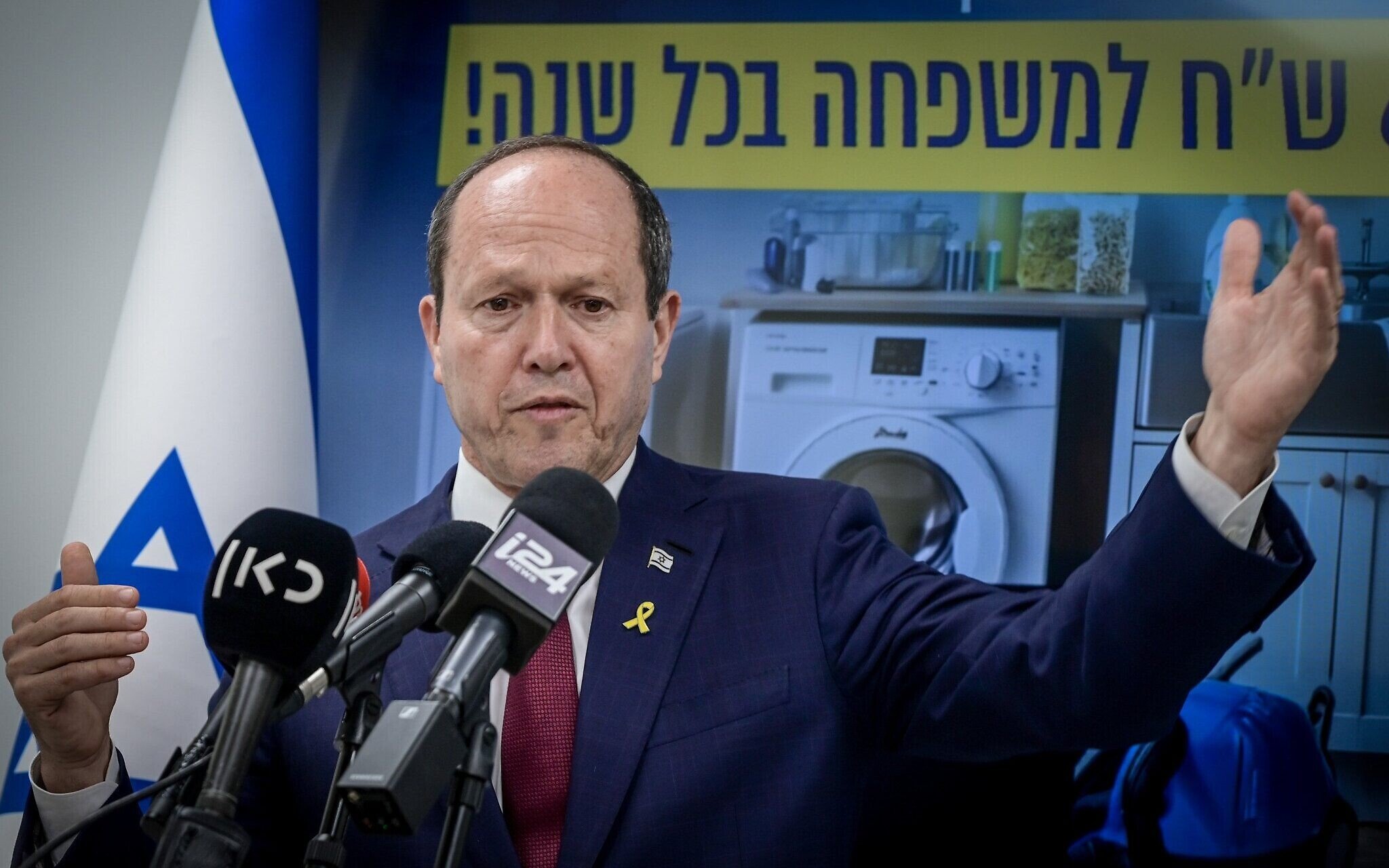
Economy Minister Nir Barkat says he strongly discourages cooperation with both the Palestinian Authority and Qatar, both of which he says help fund terrorist activity.
Barkat says he opposes the possibility of the PA ruling post-war Gaza, and rejects bringing in Palestinian workers to Israel from the West Bank due to the PA’s controversial “pay for slay” policy.
“The Palestinian Authority is just like Hamas… They have no intention of living with us,” Barkat tells a Channel 14 conference regarding the PA potentially ruling Gaza. “I don’t see the Palestinian Authority as the least-worst option — they don’t meet even the bare minimum threshold. We need to find mechanisms to replace them — ones that are willing to work with Israel.”
Barkat also speaks out against allowing foreign workers into Israel from the West Bank, saying “the rule is… if you pay to murder us, there will be no entrance.”
PA President Mahmoud Abbas signed a decree in February canceling legislation that conditioned payments to Palestinian security prisoners, including those who committed acts of terrorism, on the length of their sentence. However, the old system has remained in place in the two rounds of payments since the decree was signed, but a Palestinian official familiar with the matter told The Times of Israel last month that this is because those stipends were for months that preceded the decree.
Barkat also calls Qatar “the biggest terror financier in the world — funding the Taliban, ISIS, Hamas and Hezbollah,” and says Israel must “keep them far away… by any means necessary.”
His comments come amid an unfolding scandal in which senior aides to Prime Minister Benjamin Netanyahu have been accused of taking money to spread pro-Qatari messaging to reporters.
The minister also addresses the rehabilitation of Israel’s north, saying that his ministry has “finalized a plan that includes not just rehabilitation, but economic growth in the north — a plan focused on industry, commerce and workers who want to return.”





The Times of Israel Community.