

In new memoir, Biden accuses PM of making repeated empty promises to reduce civilian harm in Gaza
Former US president: Netanyahu failed to ‘safeguard Israel’s long-term interests, not just his own short-term political needs’; says Oct. 7 ‘shattered’ his hopes for Mideast peace
 Add ToI as a Preferred Source on Google
Jacob Magid is The Times of Israel's US bureau chief
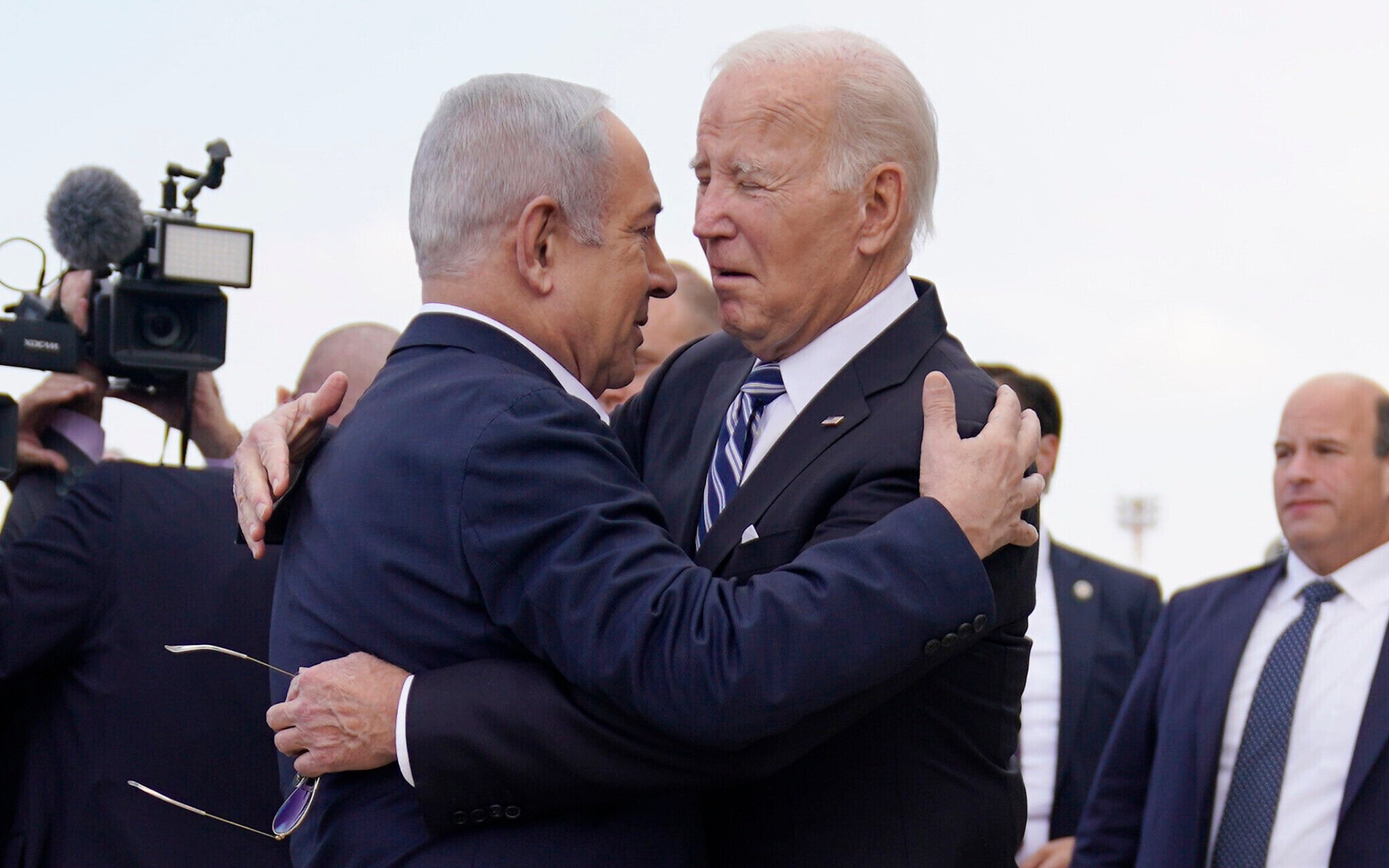
In snippets published Friday from his new memoir, former US president Joe Biden shared his frustration with Prime Minister Benjamin Netanyahu for what he said were repeated broken promises to take steps to mitigate civilian harm during the Israel-Hamas war in Gaza.
Biden said his hopes for permanent peace in the Middle East were “shattered” with Hamas’s October 7, 2023, terror onslaught that started the war, recalling how he called Netanyahu several times that day.
“I wanted him to know my determination to ensure that a day like this would never happen again,” Biden wrote in an advance copy of ‘Promise me, America,’ which was obtained by several US media outlets.
Biden said that since the conflict began, he “had been calling on Israel to take precautions,” concerns that he said he relayed “privately in many conversations with Bibi,” using Netanyahu’s nickname.
According to Biden, the premier “acknowledged the damage that these rising casualties were doing to Israel’s image, and to US support for the war,” though “a familiar pattern established itself: He would promise to do more, and then another aggressive action would follow, killing more civilians.”
“When we called them on it, the Israelis always had an explanation or excuse, but the result was the same. Bibi had no qualms about making promises he had no power — or intention — to keep,” Biden continued.
“While I understood that he was working under severe pressures, I was frustrated by his failure to think like a statesman and safeguard Israel’s long-term interests, not just his own short-term political needs,” he added.

Biden also defended providing assistance to Israel even though it became deeply controversial among Democrats. Biden explained that he believed he had to “support America’s interests and America’s allies” as president but said, “since Netanyahu’s return to power at the end of 2022, I felt that the work of protecting Israel meant protecting it both from its enemies and itself.”
“He and I could be direct with each other, but there wasn’t a ton of trust,” Biden said of Netanyahu.
There was no immediate response from Netanyahu to the passages from Biden’s book. Israel has repeatedly stressed it seeks to minimize civilian fatalities and pointed out that Hamas uses Gaza’s civilians as human shields, fighting from civilian areas including homes, hospitals, schools, and mosques.
Biden defends decision to seek second term, time in office
The new presidential memoir, set for a Tuesday release, serves the genre’s usual purpose of providing an unapologetic defense of Biden’s time in the White House.
Biden pulled no punches on Donald Trump, blasting him for his election denialism, his role in the January 6, 2021, riot at the US Capitol and blanket pardons of the participants.
He also boasted about his lengthy legislative record and rejected criticisms that his policies intensified inflation and complicated the nation’s recovery from the COVID-19 pandemic.
He stood by the deadly US withdrawal from Afghanistan and credited himself with rehabilitating US international alliances that grew strained under Trump.
Biden made no apologies for seeking a second term despite concerns about his age, even if that decision presaged Trump’s second presidency. He complained that “the press and pundits kept talking about how weak I was” despite no challenger emerging.
“The primaries sent no warning signs that I was in trouble,” he wrote. “But that couldn’t derail the narrative setting in on my candidacy. That I was too old. That I was declining mentally.”
And then came one disastrous night on the debate stage in Atlanta.
Biden said that he’d questioned his team about the need to debate Trump at all.
“It’s not that I was concerned about my ability to debate Donald Trump,” he said. “It was that he was so prone to lying with abandon, bullying the moderators, violating the rules, whining about even a hint of fact checking, that I didn’t know whether there would be any value in my giving a public platform to this behavior.”
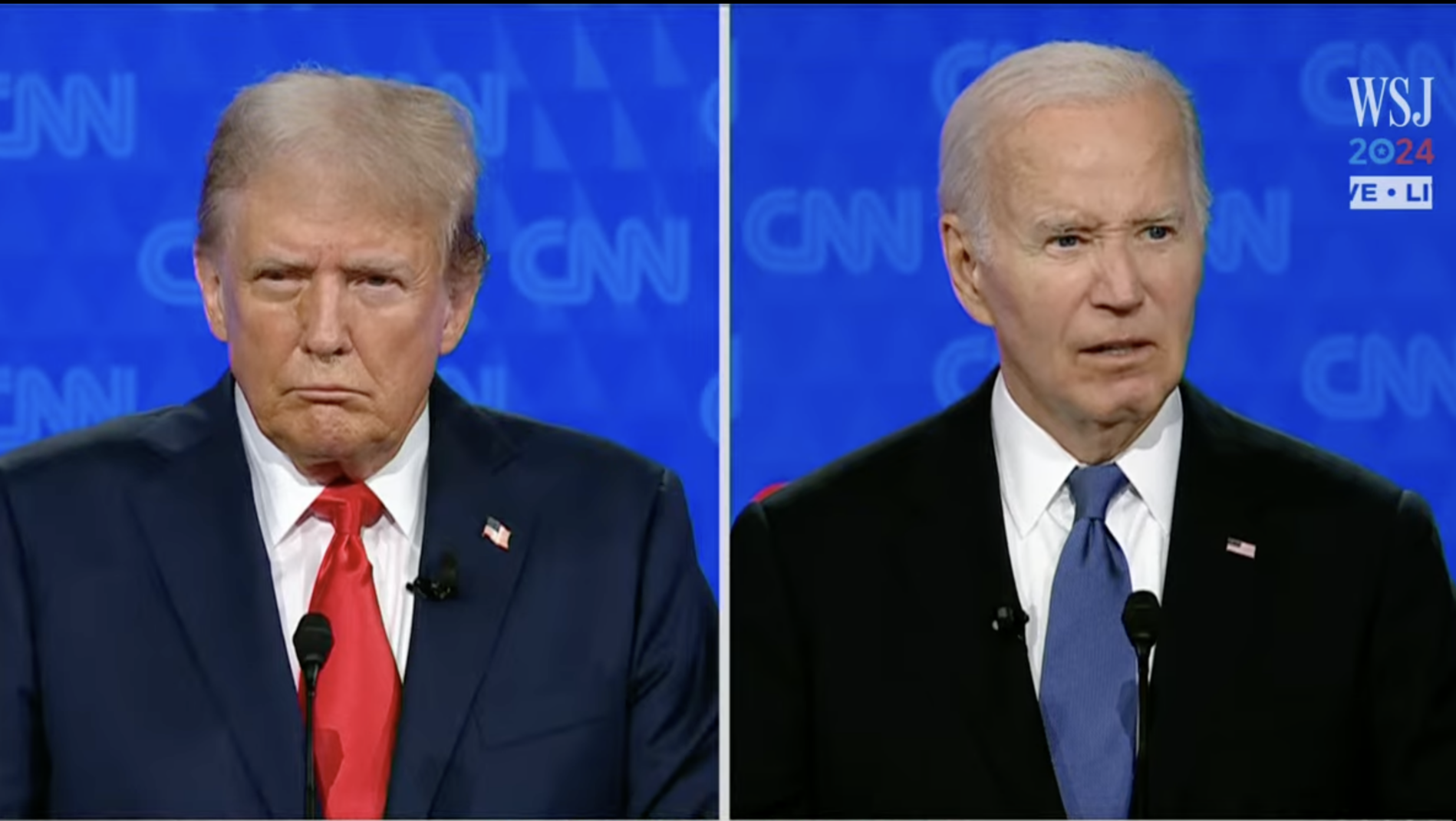
But Biden did lament in detail “one of the lowest moments for me” when he gave a nonsensical answer when discussing the deficit.
“I lost my train of thought, saw that my time was running out on the clock, and rushed the final part of my answer by blurting out: ‘We finally beat Medicare,’” he recalled. “What I meant to say was, ‘We finally beat Big Pharma.’”
That’s a reference to a deal negotiating drug prices for Medicare recipients, “a historic achievement,” Biden wrote.
“Ironically, this historic achievement wouldn’t lift my candidacy. It would help to sink it,” he wrote. “What should have been a highlight of the debate became Exhibit A that I was too old to do the job.”
Biden thought he still could have won
Biden insisted the race was still winnable even after the debate.
“Was I old? Yes. Was I able to do the job? Yes. Were voters angry about inflation? Yes. Were they angry about immigration? Yes. All tough problems. But not insurmountable ones,” he writes, adding that it was “personally hard to take so many old friends turning on me.”
However, Biden recalled Senate Democratic Leader Chuck Schumer telling him “I might still have five Democratic senators still supporting me.”
He told Schumer “he had a lot of gumption (I may have said it differently at the time), coming to my home and telling me to get out of the race.”
He went to sleep on the night of July 20 having worked on a draft statement announcing his decision to drop out.
“Believe it or not,” he wrote, “I slept well that night.”
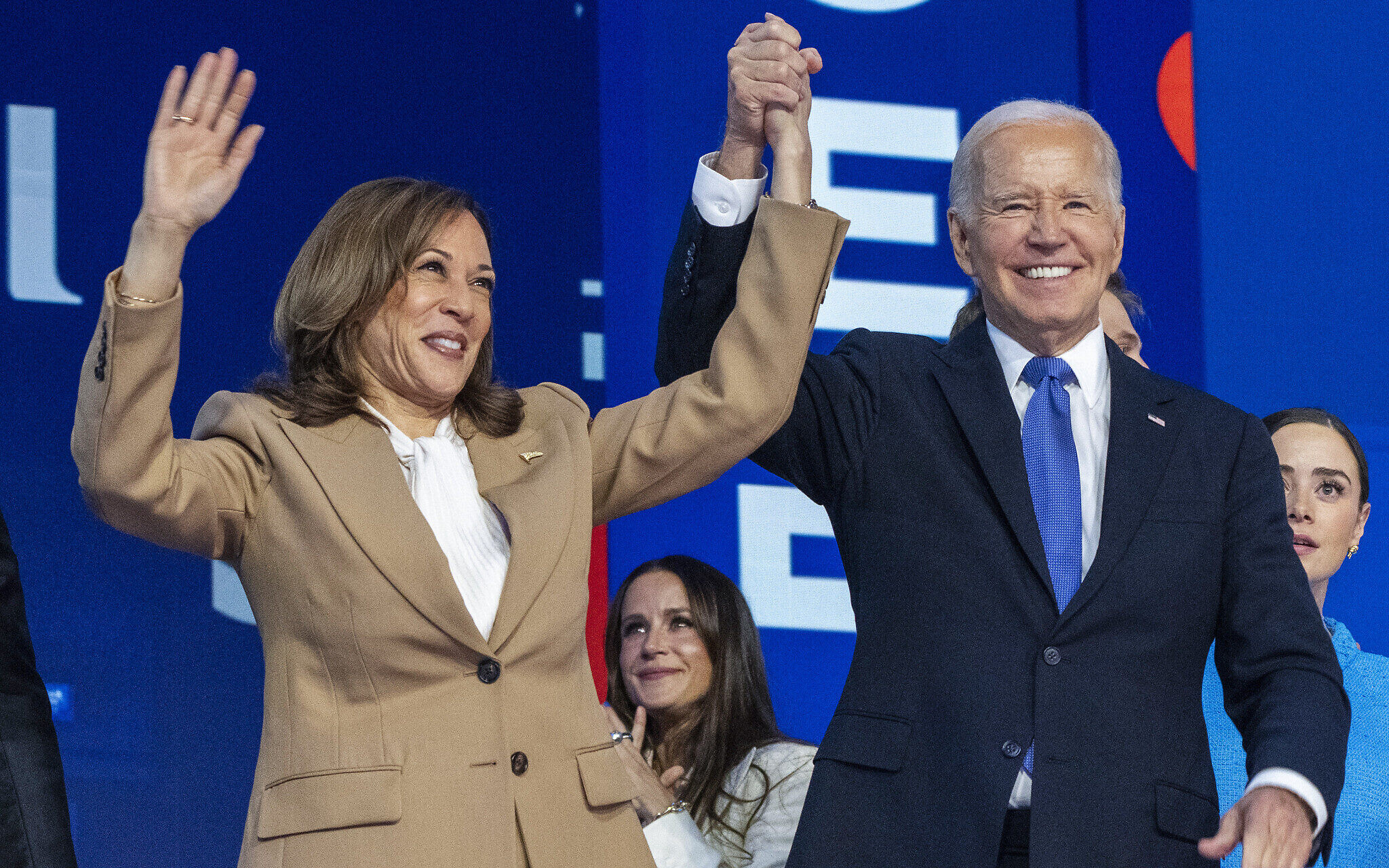
Biden reflects on Kamala Harris
Biden’s election and his fate as a one-term president is tied inextricably to Kamala Harris. Although she was among the Democrats who “took their shots at me” during the 2020 primary, Biden recalls being impressed by her.
Biden often mentions Harris among the small group of advisers in the room for seminal moments and decisions, and he describes their relationship as warm. He praised her performance after she replaced him on the 2024 ballot.
Harris “was a first-rate candidate,” Biden writes of her 107-day campaign. “She performed masterfully in her debate with President Trump. She was great on the stump. She was a fundraising machine. I was proud of her and the campaign she ran.”






The Times of Israel Community.