

From Jaffa Port to Jaffa Gate: Israel’s new trail invites pilgrims to stroll the Holy Land
Appropriate for adults of moderate fitness, the 111-kilometer route combines ancient paths, religious heritage and encounters with local communities.
 Add ToI as a Preferred Source on Google
Zev Stub is the Times of Israel's reporter on diaspora affairs and Israeli real estate.
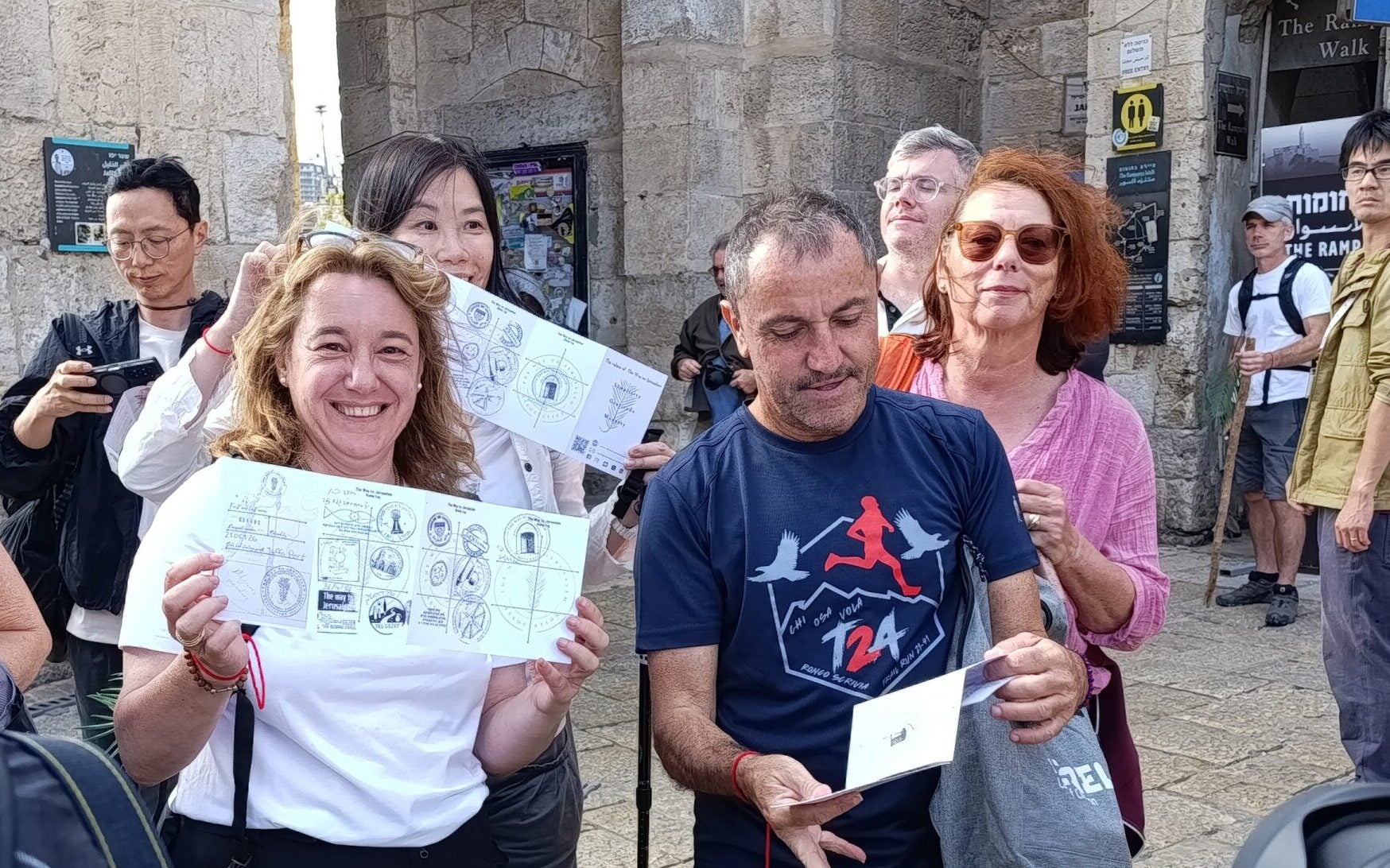
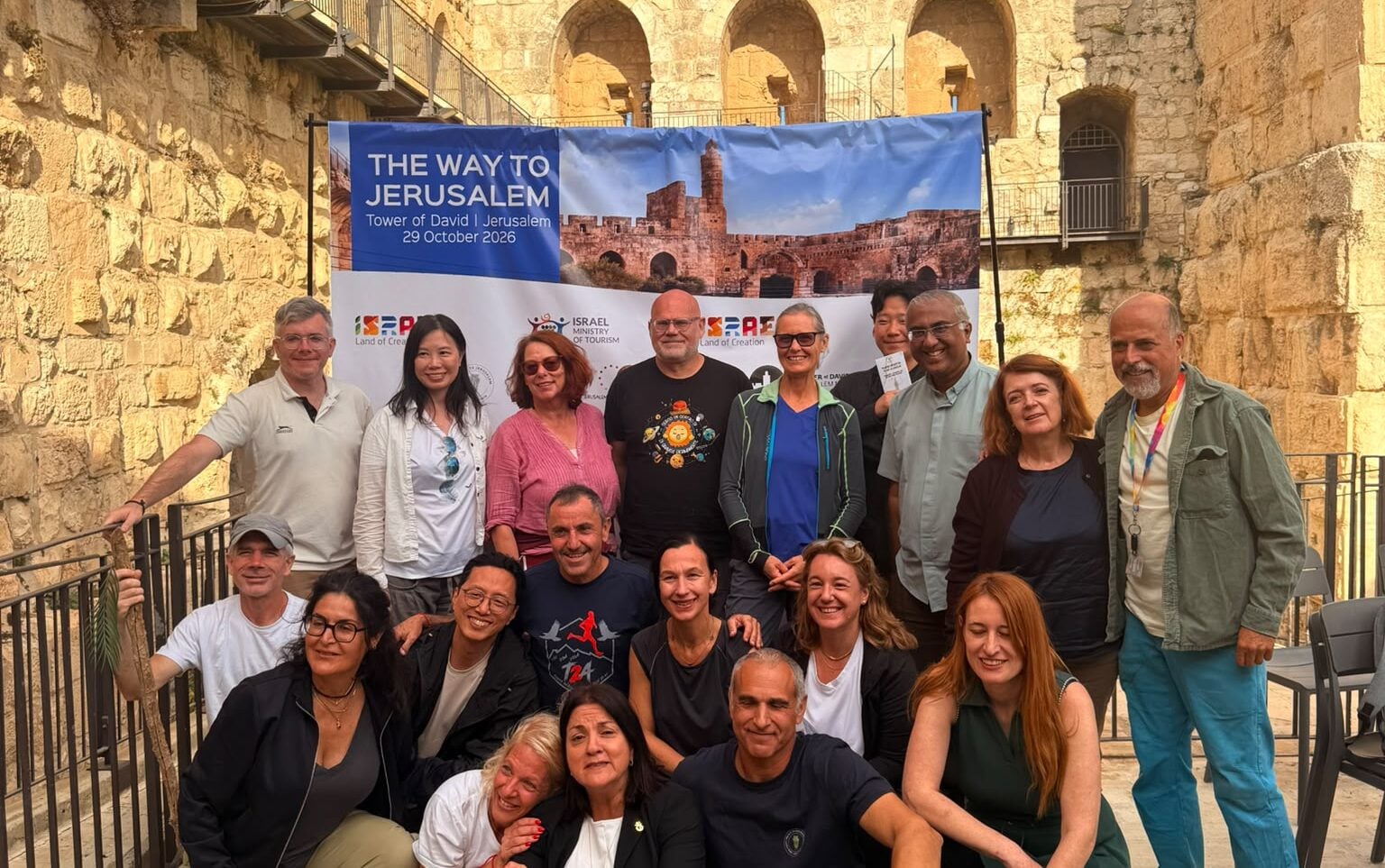
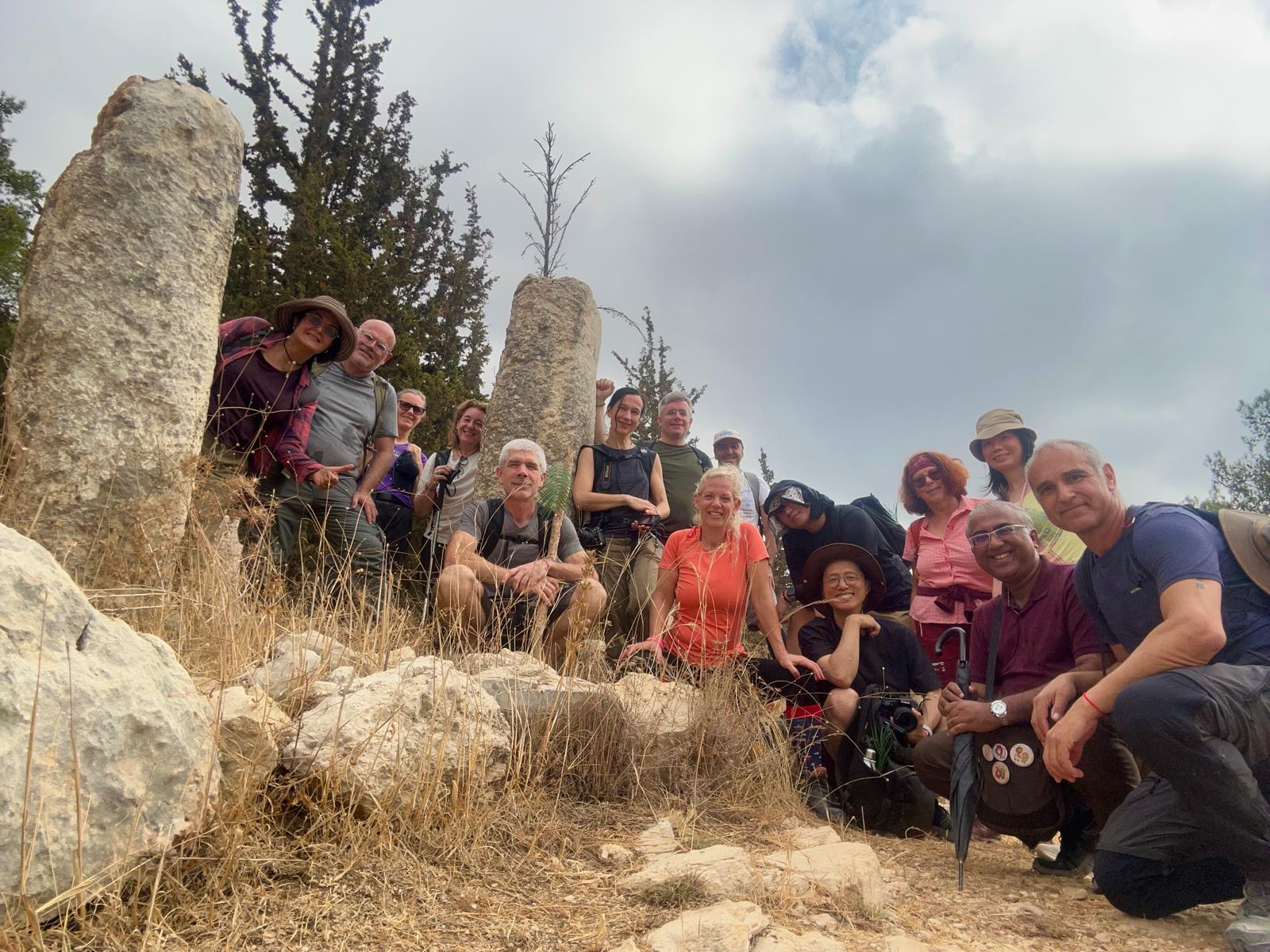
At a rest stop in central Jerusalem, Yael Tarasiuk Nevo encouraged the group of 13 hikers she was leading to take off their shoes and pour water on their feet before completing their five-day journey to the Jaffa Gate. Then, she told them, they would finish their 111-kilometer (69-mile) trek in meditative silence.
“We are preparing to enter the Old City of Jerusalem with an extra level of intention,” Tarasiuk Nevo told the group, which included pilgrims from nine countries across Europe and Asia.
The group was nearing the end of the Way to Jerusalem trail, a new project that leads tourists — organizers refer to them as “pilgrims” — on a journey from the Jaffa Port on the Mediterranean coast to the Jaffa Gate in the Holy City.
The route follows, as closely as possible, paths associated with centuries of pilgrimage to Jerusalem, from Jewish journeys during the First and Second Temple periods to those undertaken by Christian Crusaders and Muslim pilgrims during the Ottoman era. Along the way, hikers encounter archaeological landmarks, religious sites and local communities, with opportunities for reflection and engagement with residents.
The initiative grew out of an idea conceived by former security official Golan Rice after he hiked sections of Europe’s Camino de Santiago pilgrimage network several years ago. While designed primarily for Christian visitors from overseas, it’s more of a spiritual journey than a religious one.
“The connotation of the word ‘pilgrim’ is Christian in Israel today, but we are aiming for a journey where Muslims, Christians and Jews can feel attached along the same path,” Rice said. “This is the true way to Jerusalem.”

The group visiting in late October consisted of journalists and travel operators from nine countries and territories, including Germany, Italy, India, South Korea, France, Spain, the United Kingdom, Hong Kong and Austria. Their itinerary took them through Jaffa, Rishon LeZion, Ramle, Tel Gezer, Latrun, Abu Ghosh and Ein Kerem.
Due to physical limitations and time constraints, the group skipped over some parts of the trail and slept in hotels. But participants said it was a unique and memorable experience.
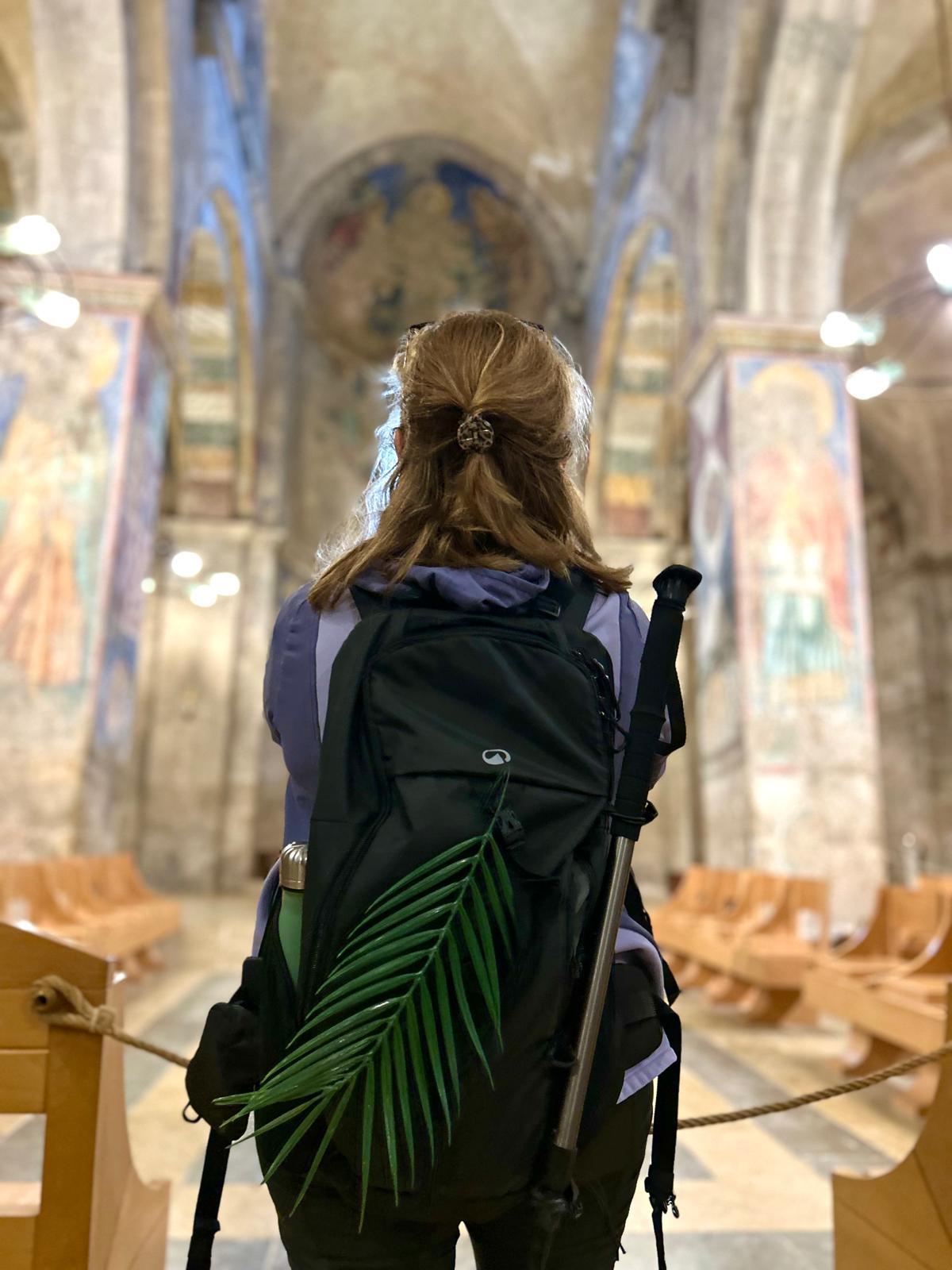
For Father Joshan Rodriguez, a Catholic priest from the Archdiocese of Bombay, India, the hike represented his first visit to Israel.
“I didn’t know anything about Israel before this trip — or at least the modern Israel, not the biblical version that we talk about in religion,” he said. “This was a beautiful interreligious experience as we walked along a path taken by Arabs, Jews and Christians across the centuries.”
Rodriguez noted that he is not an avid hiker or particularly active, so he was relieved that the trip was appropriate for “regular” adults of moderate fitness. Climbing mountains and hiking through the desert were challenging, but buttressed by plenty of stops to rest and learn about the sites, he said.
For Rice and Tarasiuk Nevo, the trail is built around three central values: simplicity, humility and gratitude. The idea, they stress, is to slow down, engage with locals and approach Jerusalem as a journey, not a destination.
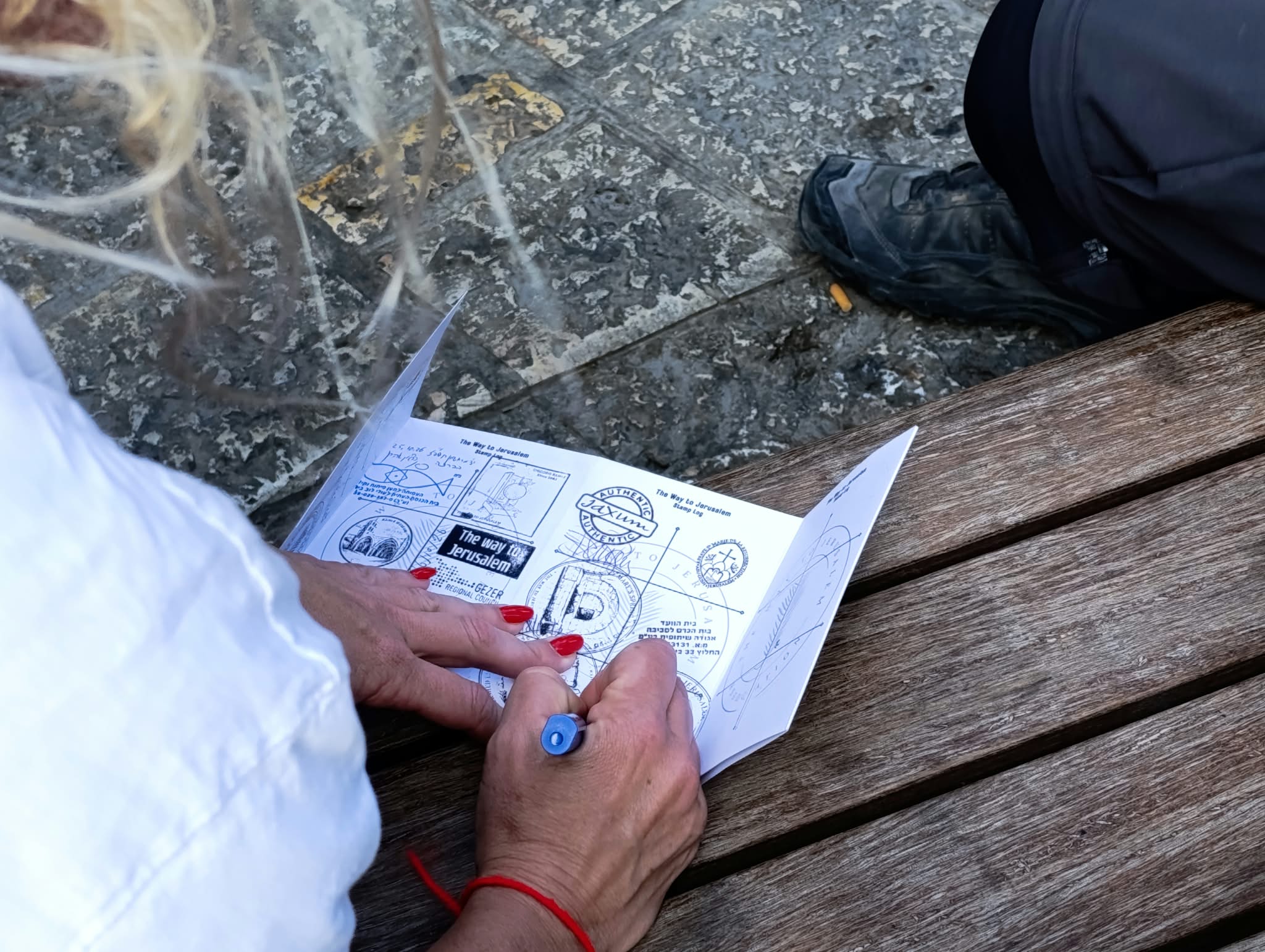
Stops were made at synagogues, monasteries, mosques and local cafes, with participants receiving a stamp in trail “passports” that they completed along the way. Organizers stressed the importance of working with local businesses and organizations to keep the venture financially sustainable. The group has relationships with hotels and guest houses and many offer discounts to hikers, they said.
In Jerusalem, where The Times of Israel joined the group for its final day of hiking, stops were made at several community-run cafes, but not in the Mahane Yehuda market, one of the capital’s most popular sites for tourists.
“It’s an amazing and important site, but we are on a mission, and pilgrims must focus on their mission without getting distracted,” Tarasiuk Nevo said. She added that most participants would spend additional time touring Jerusalem on their own once the hike was finished.
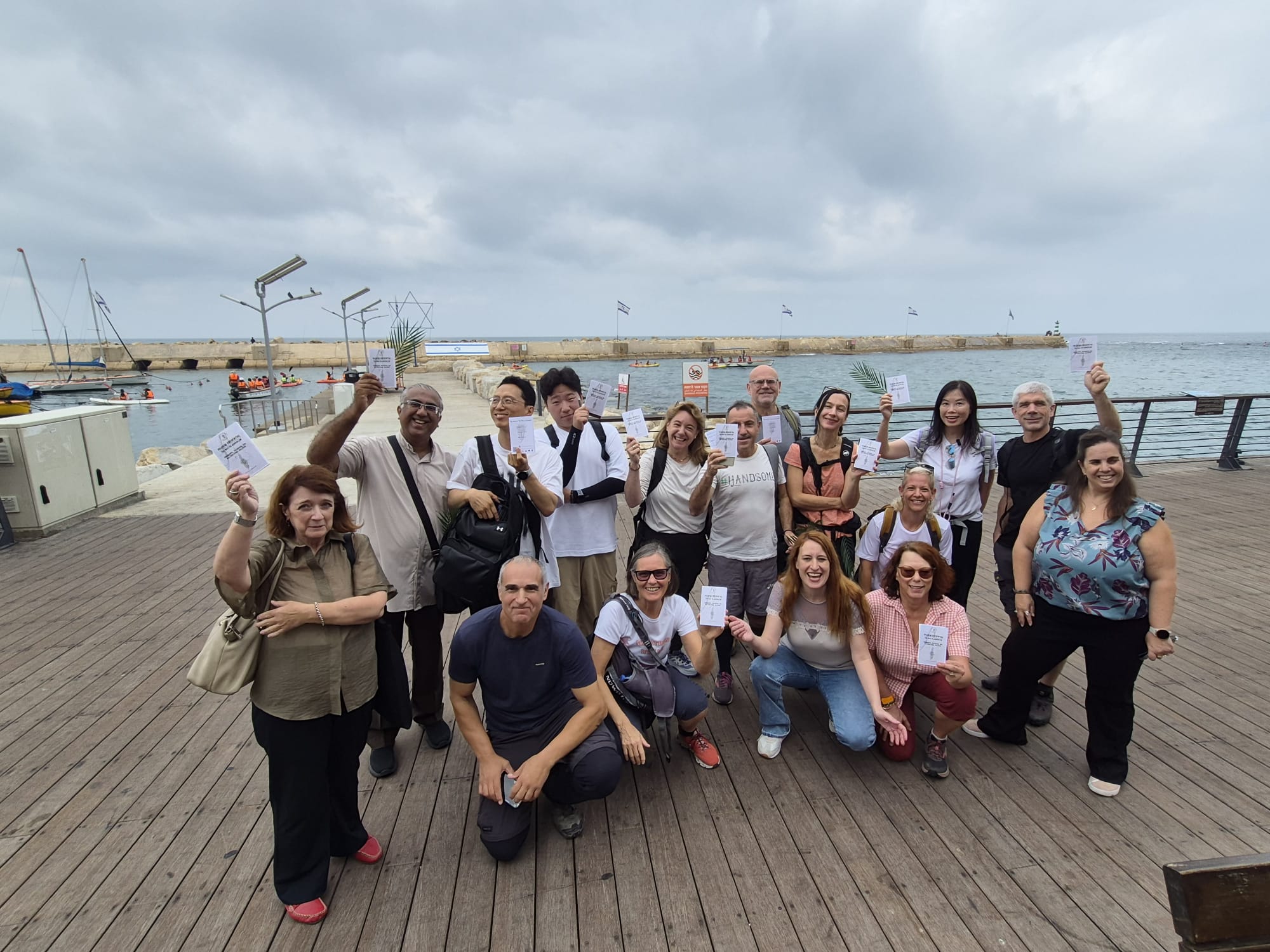
The Way to Jerusalem trail, initiated and financially supported by Israel’s Tourism Ministry, is part of a push to create new experiences for different types of travelers beyond conventional sightseeing. It should be distinguished from other historically themed trails that have opened in recent years, such as the Pilgrimage Road next to the Temple Mount in Jerusalem, the Path of the Patriarchs in Gush Etzion, or the Biblical Highway running between Nazareth and Beersheba.
The route is not yet fully marked for hikers to follow independently, so currently, it can only be completed with the help of Way to Jerusalem’s guides, Tarasiuk Nevo said. The waymarking process is expected to be completed by the end of 2027, she added.

Rice and Tarasiuk Nevo began leading groups along the route earlier this year, and some 1,500 pilgrims have already participated in organized hikes, although the trail remains a work in progress.
Some sections of the trail were littered, said Elo Resch-Pilcik, the publisher of an Austrian travel news website with more than 30 years of experience covering tourism. The route will need to be cleaned up if it is to compete with established European hiking trails, she said.
“The idea of this project is very appealing,” Resch-Pilcik said. “There is a lot of interest now in hiking tourism and spiritual attractions.”
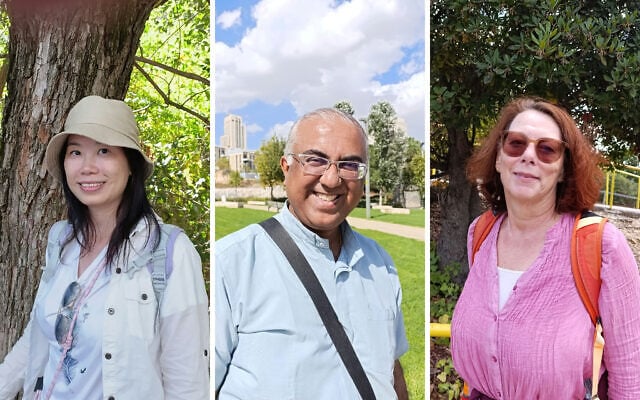
Ariella Au, a travel agent from Hong Kong visiting Israel for the 11th time, agreed.
“Many people in my country like hiking, but when we travel abroad, we end up on buses or driving by ourselves,” she said. “Taking the time to walk through the country and meet different communities and locals along the way was really nice.”
As the group arrived at the Jaffa Gate in the early afternoon, they were surrounded by photographers and Tourism Ministry officials as they received the final stamps in their booklets.
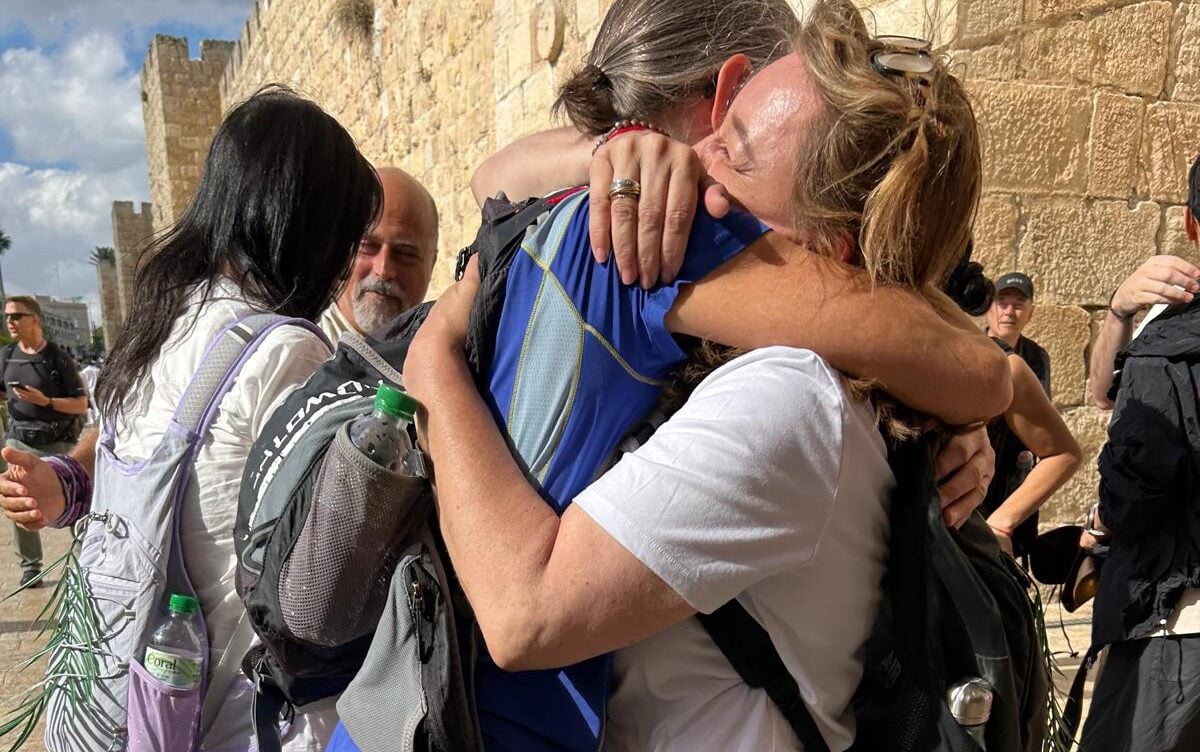
At a short ceremony at the Tower of David Museum following the hike, Rodriguez reflected on an experience that he called transformational.
“This is supposed to be the culmination of our journey, but I feel like with the closing of this trip, something new has started,” he said. “This has opened up a whole new world for me, and there is so much more to discover.”
“Arriving in Jerusalem itself was not the destination,” he said. “It’s a starting point.”







The Times of Israel Community.