

Police said to tell prosecutors no evidence of election wrongdoing by Arab parties
In reported summary to State Attorney’s Office, investigators find no need to interrogate party chiefs on claims of foreign interference; Likud accuses police of burying evidence
 Add ToI as a Preferred Source on Google
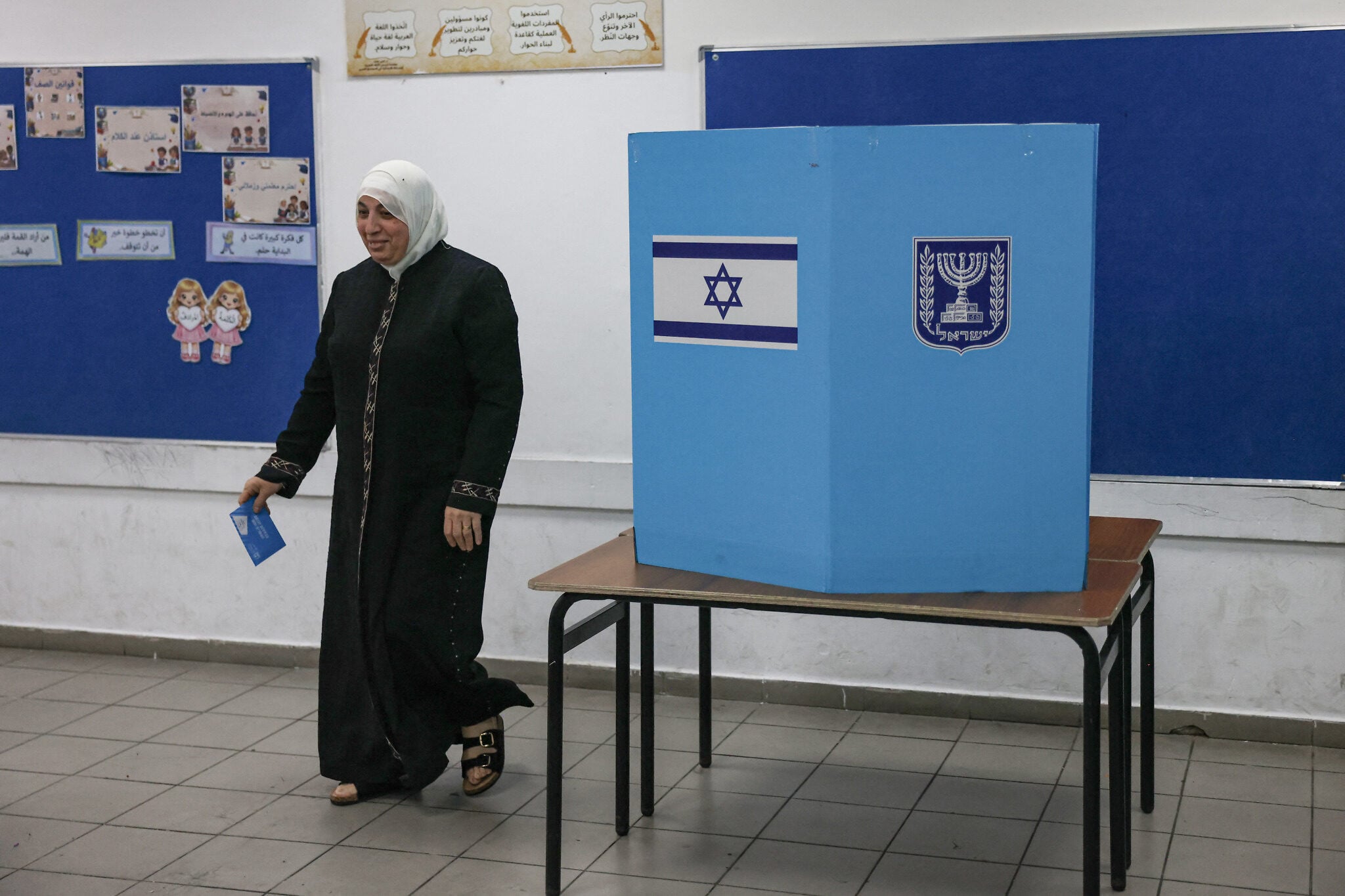
Police have told the State Attorney’s Office that “there is no suspicion of security offenses” by Arab party heads or any need to interrogate them over the allegations of foreign interference in the October 27 election, multiple Hebrew media outlets reported Tuesday.
The assessment, filed the day before, also reportedly found there were insufficient grounds to suspect former Joint List chair Ayman Odeh, who allegedly received hundreds of thousands of shekels from abroad, of any serious wrongdoing.
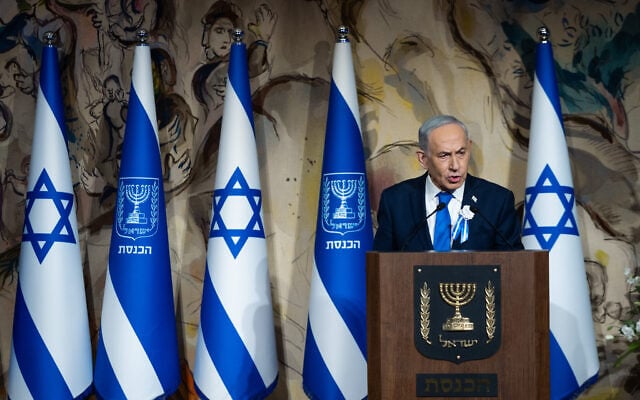
The reports, if true, would deal a new blow to Prime Minister Benjamin Netanyahu’s claims that the election was “stolen,” a contention based in large part on the foreign interference probe, championed by his handpicked Shin Bet head David Zini.
Election officials have already said the vote was conducted properly, and law enforcement has said the probes into election misconduct were limited in scope. In recent days, police and judicial sources have been quoted anonymously saying the probe appears to have little merit.
The State Attorney’s Office is expected to make its own assessment, to be submitted to Attorney General Gali Baharav-Miara, who will have the final word on whether to pursue the case.
Sagi Keizler, director of Likud Party election integrity headquarters, accused police of burying valid concerns about election irregularities in the Arab community.
Keizler claimed in a statement Wednesday that a week earlier, 1,281 detailed complaints were filed with police “including dozens of incidents that raise a serious suspicion of election bribery in the Arab sector” but that so far, none had been looked into.
“It is regrettable to see police choosing to join the Central Elections Committee in burying the evidence and complaints deep in the ground, instead of thoroughly investigating them.”
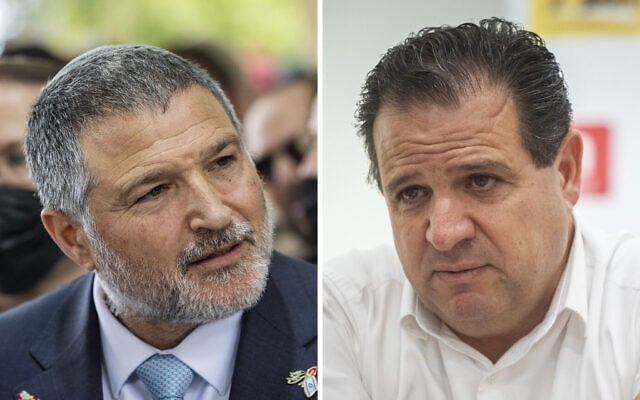
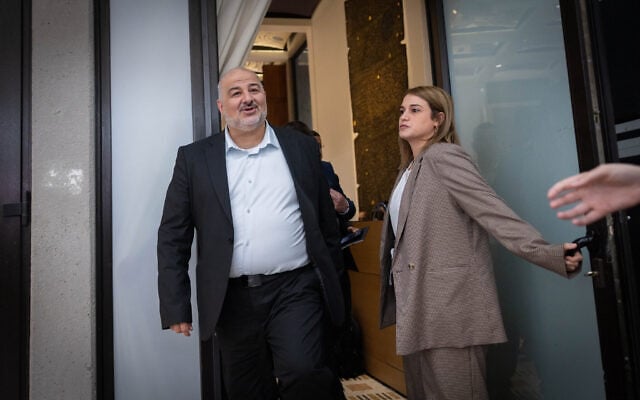
Zini has reportedly sought to interrogate Odeh over the foreign cash, as well as senior Arab politicians Sami Abou Shahadeh, Yousef Jabareen, Mansour Abbas and Ahmad Tibi, without any real evidence of wrongdoing against the latter four.
A senior unnamed security official told the Haaretz daily on Wednesday that Zini had made the exceptional decision to authorize the use of various technological means to gather evidence on the case, “while giving it priority over other national security tasks.”
He has also approved an operational unit to collect evidence on the allegations, the official said.
Unnamed Shin Bet and law enforcement officials have been widely quoted in Hebrew media lambasting Zini’s conduct and accusing him of baselessly manufacturing allegations of foreign interference.
A senior source told Haaretz that “people in the service are going very far to entertain the position of the Shin Bet head and his deputy, who absolutely refuse to come down from the tree they climbed, even though all the ladders are there.”
Another source said that a government inquiry should be launched over the Shin Bet’s handling of the case: “Zini does not understand his role as Shin Bet head and the danger of his conduct in this case.”
Channel 13 cited one source familiar with developments as saying, “There is really no drama and it is not clear why [Zini] made such a fuss.”
Another source told the network that Zini’s rush to pursue the case was “unprofessional. You don’t rattle the whole country over nothing.”
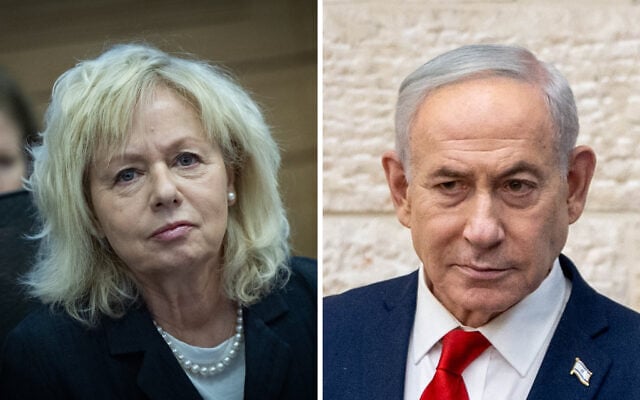
According to the initial claims, Qatar was suspected of having funneled a large sum of money to Israel to encourage Arab citizens to vote.
National Security Minister Itamar Ben Gvir has said the alleged sum was about NIS 100 million in cash and gasoline coupons, but recent media reports have indicated the Shin Bet has failed to provide evidence for anywhere near that sum. Haaretz has also reported that major gas companies have seen no unusual spike in use of coupons.
In a statement on Sunday, Baharav-Miara said she had not seen anything in the investigations of possible election fraud that would “even remotely” influence the outcome of last month’s vote.
Netanyahu has seized on the allegations to suggest Arab parties “stole” the October 27 Knesset election, which saw him lose his parliamentary majority amid massive Arab voter turnout.
Citing the purportedly stolen election, Ben Gvir’s Otzma Yehudit party voted against certifying the results and has already submitted draft legislation to dissolve the Knesset that was sworn in yesterday.


The Times of Israel Community.