

Zamir said to again warn that Netanyahu advancing ill-advised action against Iran
TV report says IDF chief concerned about timing of unspecified actions amid uncertainty after Israeli and US elections; Huckabee: Renewed strikes still on the table, Arab leaders urging Trump to ‘give peace a chance’
 Add ToI as a Preferred Source on Google
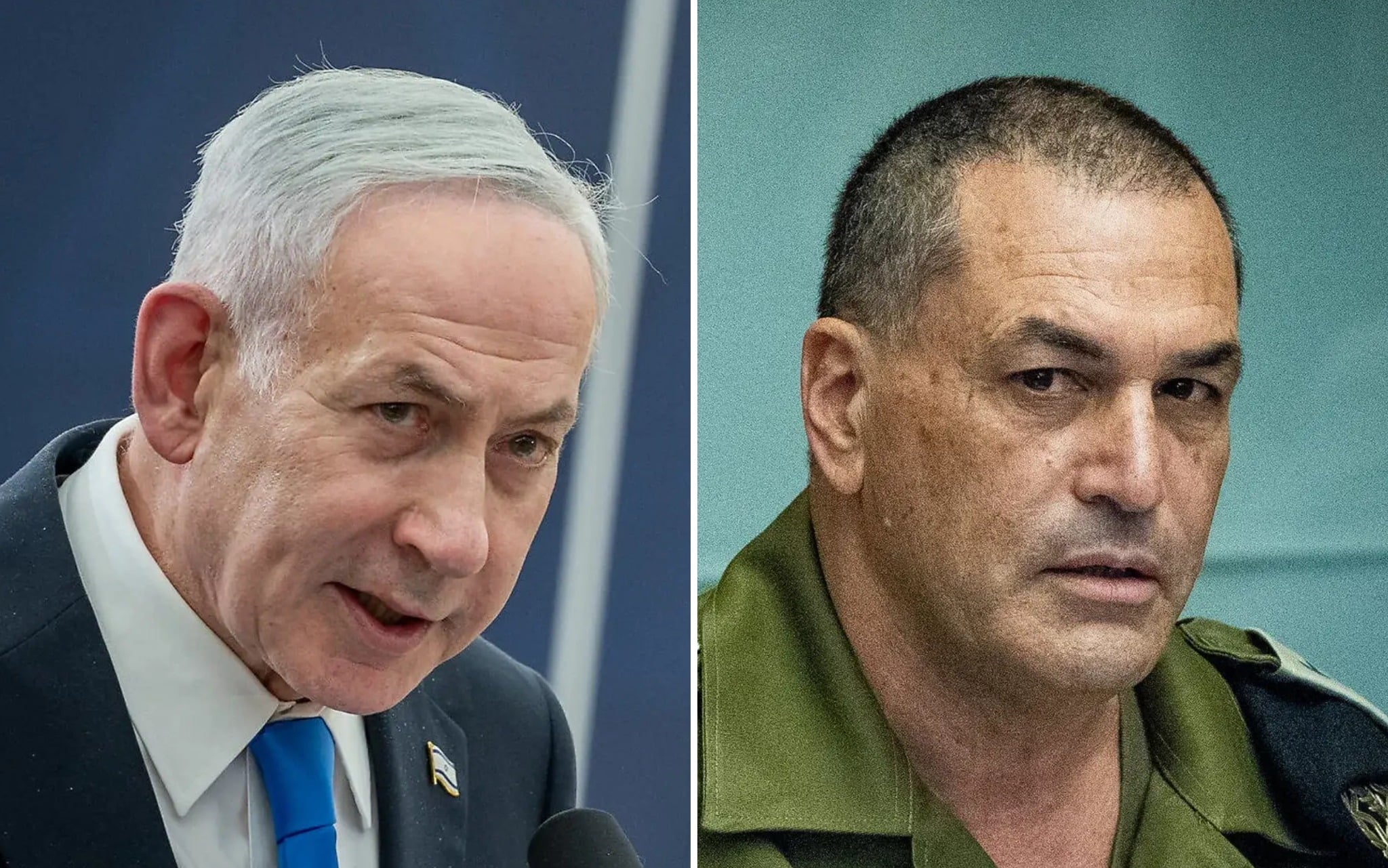
IDF Chief of Staff Lt. Gen. Eyal Zamir has expressed renewed opposition in recent meetings to actions that Prime Minister Benjamin Netanyahu wants to carry out against Iran, Israeli television reported Tuesday.
Citing multiple unidentified sources, Channel 12 news said Zamir was convinced the unspecified actions would be incautious at present given the political uncertainty in Israel and the White House’s dwindling desire for war with Iran, after US voters’ rebuke of US President Donald Trump’s Republican Party in the midterm elections last week.
A similar showdown between Netanyahu and Zamir was reported in Hebrew media before Israel’s October 27 election, and the dispute has since flared up again, according to Channel 12, which did not further elaborate.
The Israel Defense Forces did comment on the report, which the Prime Minister’s Office called “biased fake news.”
“We don’t comment on what was said in closed security deliberations,” Netanyahu’s office added.
The TV network previously reported that two days before Israel’s October 27 elections, an “unprecedented confrontation” had been unfolding between Netanyahu and Zamir surrounding an instruction by the prime minister for unspecified military action that defense officials believed could have led to a flare-up with Iran.
That report, which cited anonymous sources, said Zamir had been resisting carrying out the military action, no details of which were provided, and sought further deliberations, as well as signed documentation from Netanyahu regarding legal authorization for it.
The next day, October 26, a day before elections, Channels 12 and 13 reported that Zamir was the only Israeli security chief to oppose military action sought by Netanyahu and Defense Minister Israel Katz that the IDF feared could spark a flare-up with Iran and derail the election.
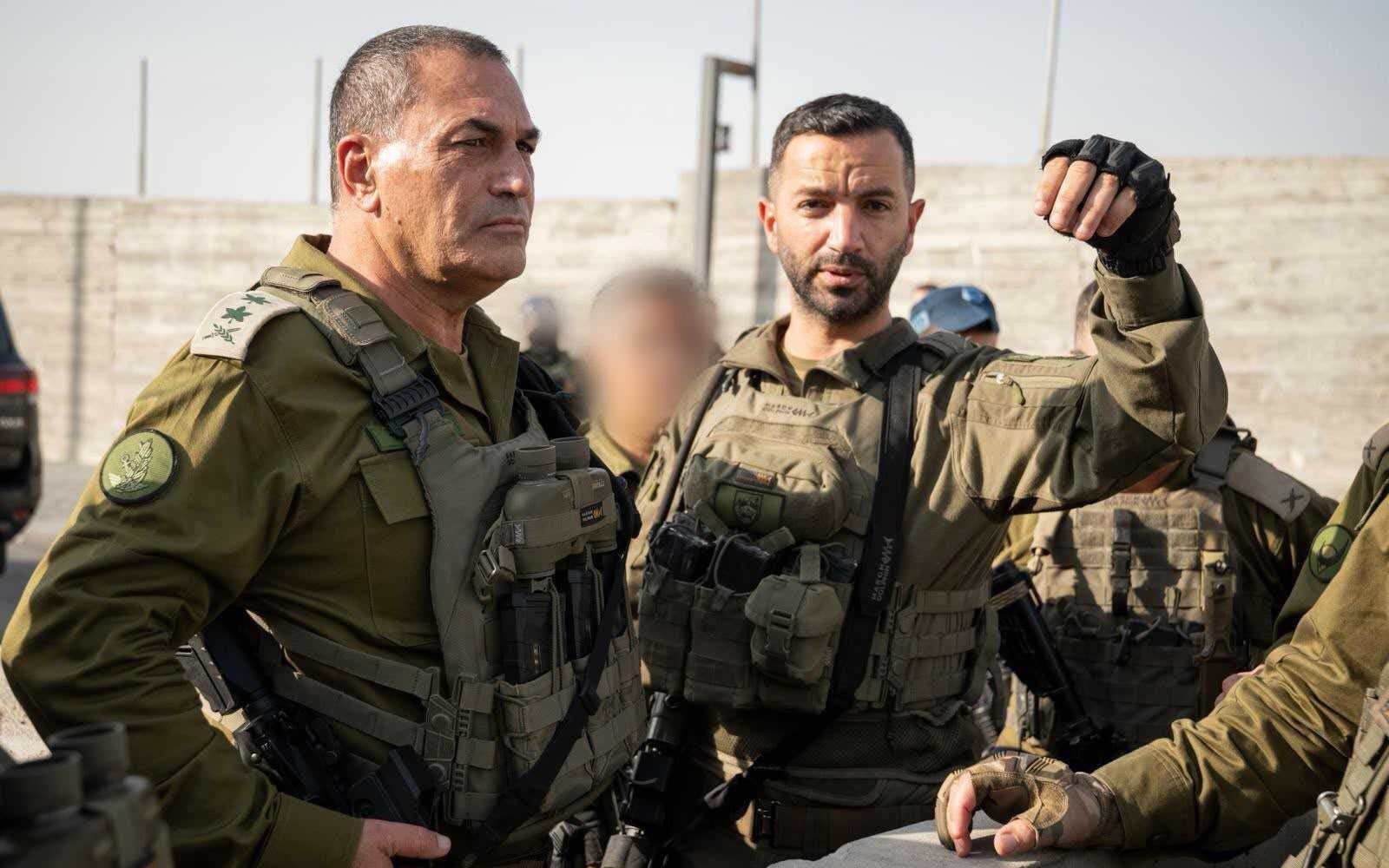
Also that day, the New York Times reported that Netanyahu “sought for weeks to orchestrate a new airstrike on Iran” but was blocked by Zamir. The NYT and other outlets reported that Zamir saw no urgent imperative to strike before the Israeli elections. The NYT report added that Zamir had “became concerned” that Netanyahu was “pushing for a separate action against Iran, short of an overt strike,” which the IDF chief believed “would be a miscalculation that could provoke Iran into attacking Israel.”
According to later reporting by Channel 12, Netanyahu and Mossad chief Roman Gofman had sought to conduct an unspecified operation against Iran in the days immediately before the election that was not backed by other senior officials in the Israeli security establishment. That report, which was unsourced and unconfirmed, said the plan was ultimately thwarted when an Israeli security operative “acted rashly” in a way that alerted the US, which put the kibosh on it.
“The prime minister himself clarified in real time that an attack before the Israeli elections was not on the agenda,” Netanyahu’s office said in response, while the premier himself maintained “there was no fight” between him and Zamir.
‘Give peace a chance’
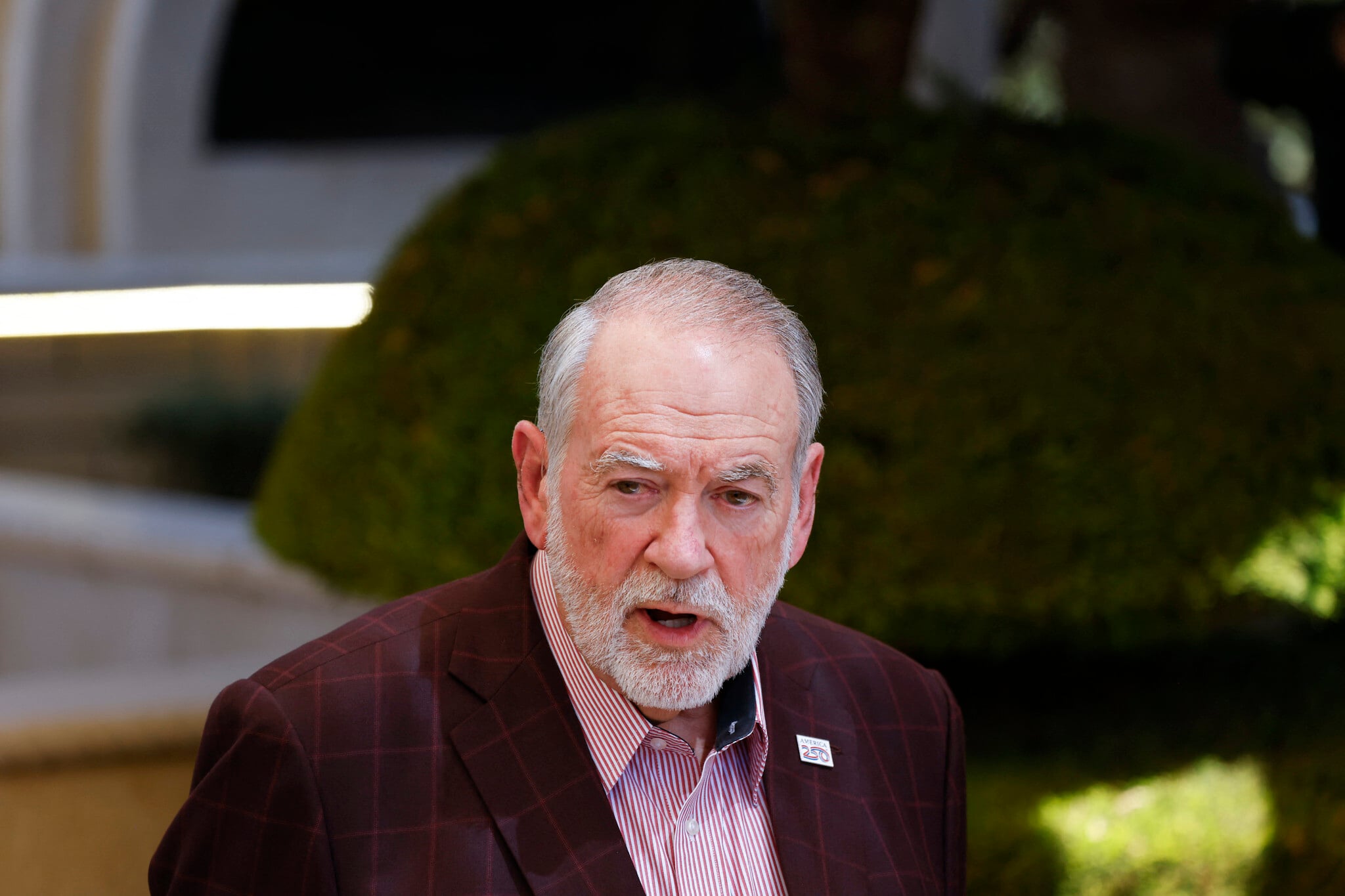
Separately Tuesday, US Ambassador to Israel Mike Huckabee was asked by Israel’s Kan public broadcaster if a potential American attack on Iran was still on the table.
“The president says it is, so I’ll have to believe him for that,” Huckabee said. “He obviously would love to see a diplomatic solution. I know there is an enormous number of leaders in the Arab world who are urging him, as John Lennon would say, ‘give peace a chance.'”
Pressed about a Financial Times report that Netanyahu has been calling Trump daily to encourage the renewal of hostilities with Iran, Huckabee responded, “I am not aware that is true. I have not heard that.”
The ambassador also praised the cooperation between the US and Israel during the war with Iran earlier this year, claiming that “there has never been a military operation with the level of integration of forces like we had… It was pretty remarkable.”
The remarks came two days after Trump said it was “highly unlikely” he would order a new offensive against Iran if there is progress in talks over the Islamic Republic’s nuclear program and the reopening of the Strait of Hormuz, before saying Monday the war was “effectively over” and that “we’re just keeping it the status quo.”
Trump suggested however that Iran still poses a threat.
“They’re still the bully of the Middle East a little bit,” he said, when asked why he does not declare victory and withdraw troops given his claims that he has stopped Iran from obtaining nuclear arms.
“We want to make sure it’s a long-term solution, not just a short-term. They’ll never have a nuclear weapon, but we have to make sure that’s a long-term,” he continued, repeating his claim that the war was “ending quickly.”
When a reporter noted Trump has for months predicted an imminent end to the war, the president said: “I made the claim that they won’t have a nuclear weapon, and they won’t have a nuclear weapon.”



The Times of Israel Community.