

Eisenkot to receive security briefing after accusing Netanyahu of refusing to grant one
Joint statement from political rivals follows appeal from Yashar chief against ‘non-urgent military action’ during transitional period; Katz: Government ‘doesn’t need permission’
 Add ToI as a Preferred Source on Google
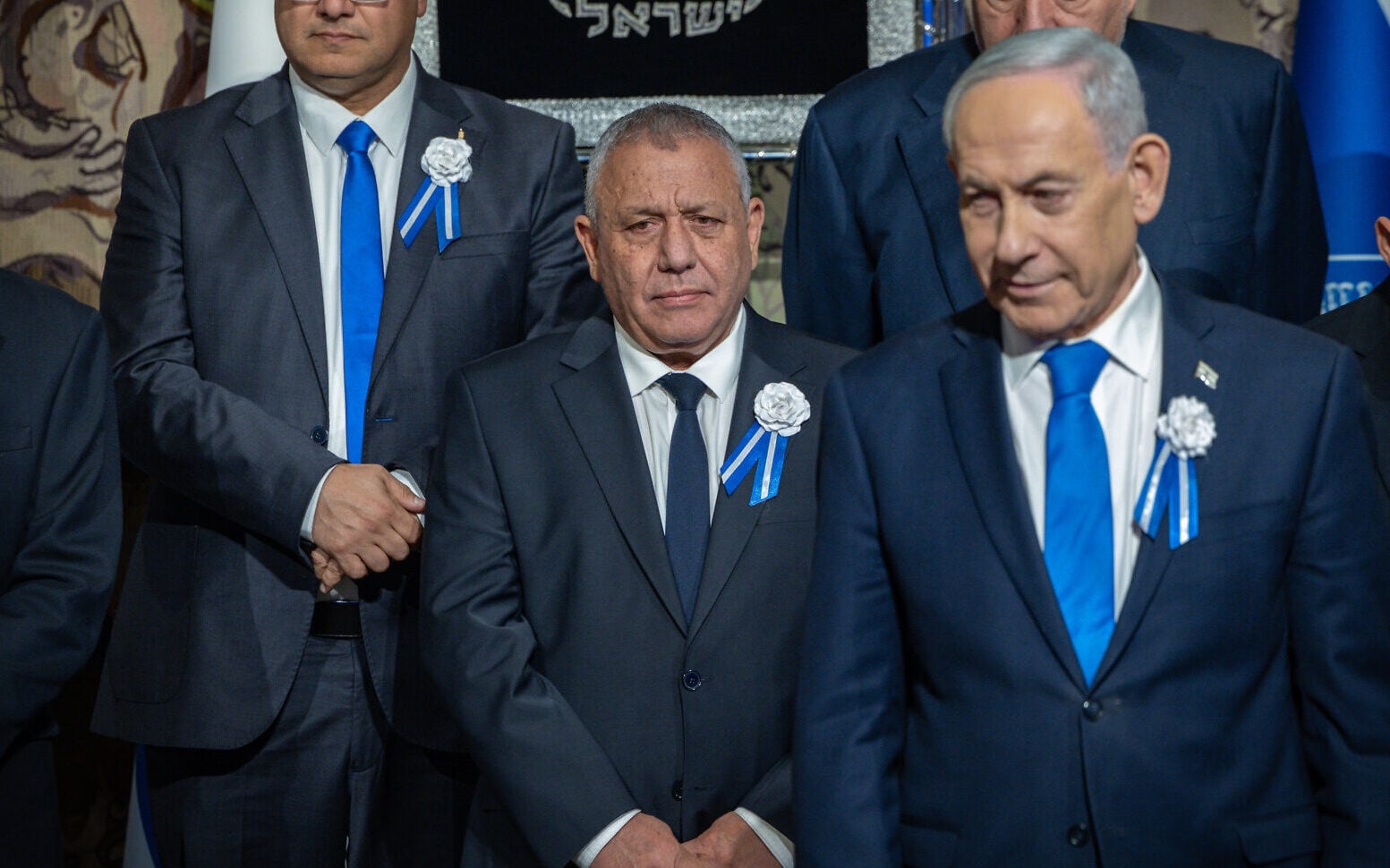
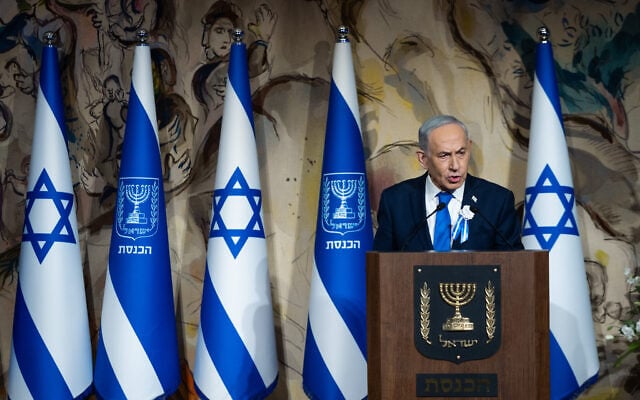
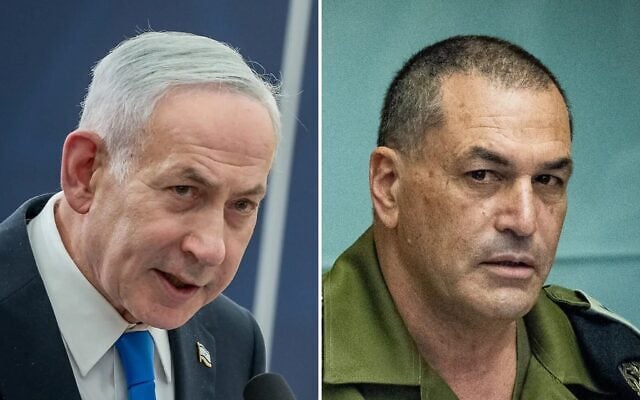
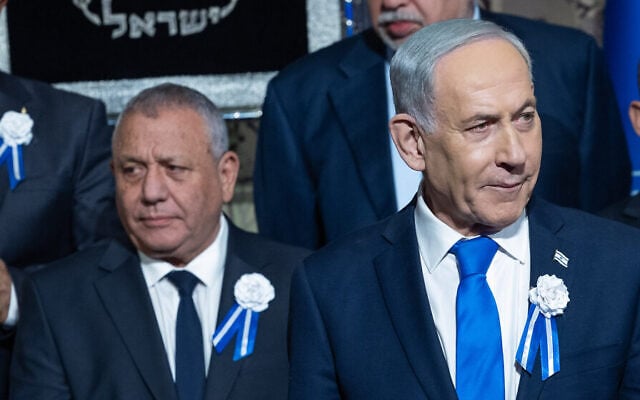
Prime Minister Benjamin Netanyahu and Yashar chairman Gadi Eisenkot were set to hold a diplomatic-security briefing Thursday afternoon, according to a joint statement from the political rivals.
The meeting will be attended by Netanyahu’s military secretary, Maj. Gen. Guy Markizeno, and will take place at the premier’s Jerusalem office, the statement said.
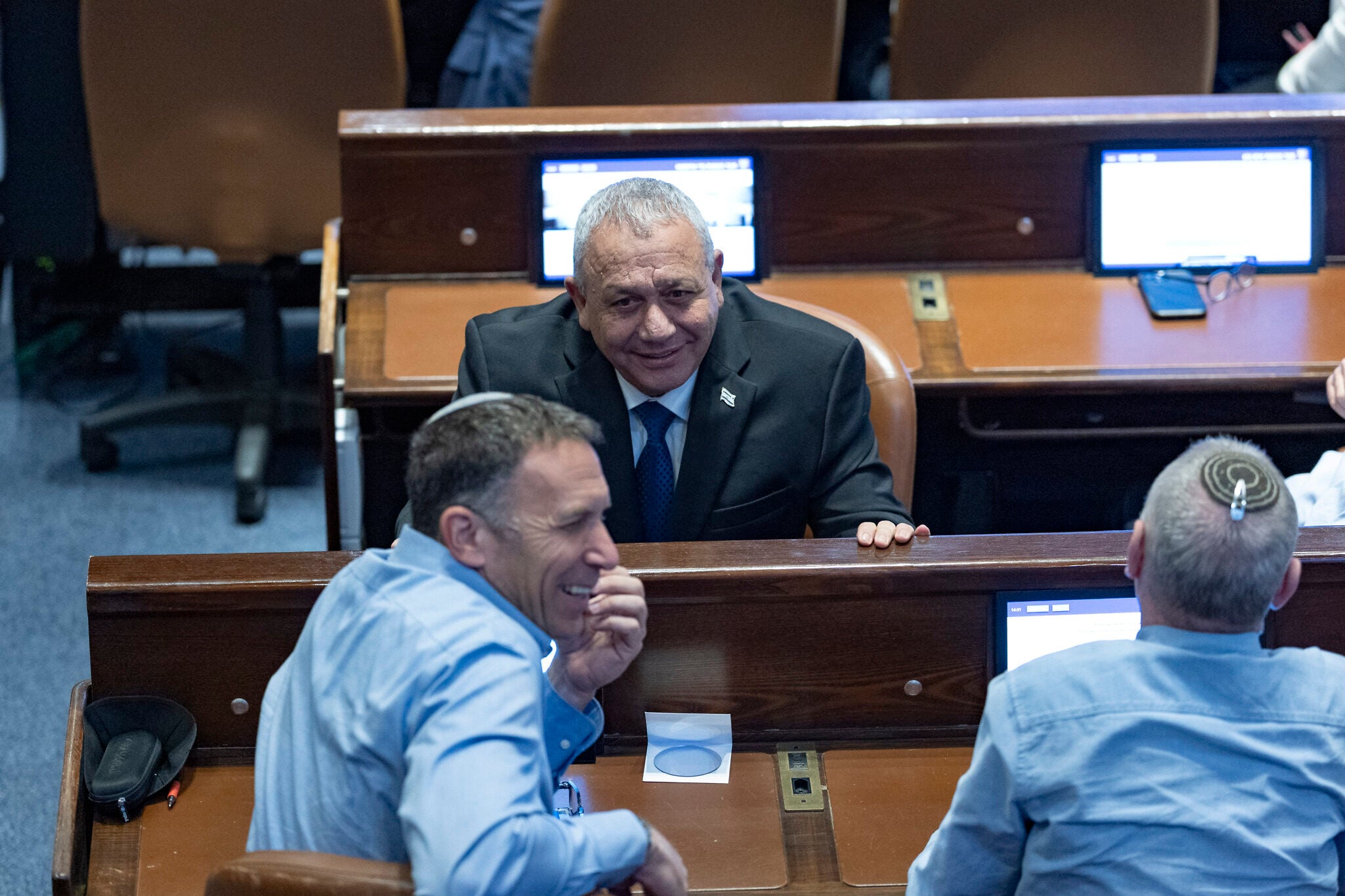
The development followed Eisenkot’s appeal Wednesday to Attorney General Gali Baharav-Miara to intervene and ensure he receives regular intelligence updates, as the lawmaker tasked with forming a government and in the absence of an official opposition leader. Eisenkot argued that he should be given “regular, structured and comprehensive” briefings and access to intelligence assessments and said that Netanyahu’s staff had rebuffed his requests.
Eisenkot also warned against non-urgent military moves that could have “devastating consequences” for Israeli democracy, urging Netanyahu not to place security chiefs in “a grave constitutional conflict.”
Eisenkot’s letter, which did not mention Iran by name, followed reports that Netanyahu was seeking a military operation against Tehran despite opposition from security chiefs. Other reports have alleged that the prime minister similarly sought to take action against Iran in the run-up to the October 27 election, when defense officials also resisted, fearing it could trigger an escalation and derail the vote.
Netanyahu’s bloc lost its parliamentary majority in last month’s election, and President Isaac Herzog tasked Eisenkot with forming a government on Sunday after he received the most recommendations from lawmakers. Netanyahu remains caretaker prime minister, however, with control over the government and security forces until a new government is formed.
Responding to Eisenkot’s letter on Wednesday, Netanyahu accused his rival of trying to politicize national security, saying such matters shouldn’t be discussed in public.
“All decisions made by the government led by Prime Minister Netanyahu were made solely based on security considerations and in full coordination with the security establishment,” said his office. “Eisenkot’s letter is an irresponsible move to discuss sensitive security issues in public. This is a transparent attempt to introduce politicization into Israel’s national security issues.”
The Prime Minister’s Office did not specifically respond to Eisenkot’s request for briefings until its joint Thursday statement with the Yashar leader’s office confirming that the two were set to meet later in the day.
Likud said to block vote to appoint Liberman defense committee chair
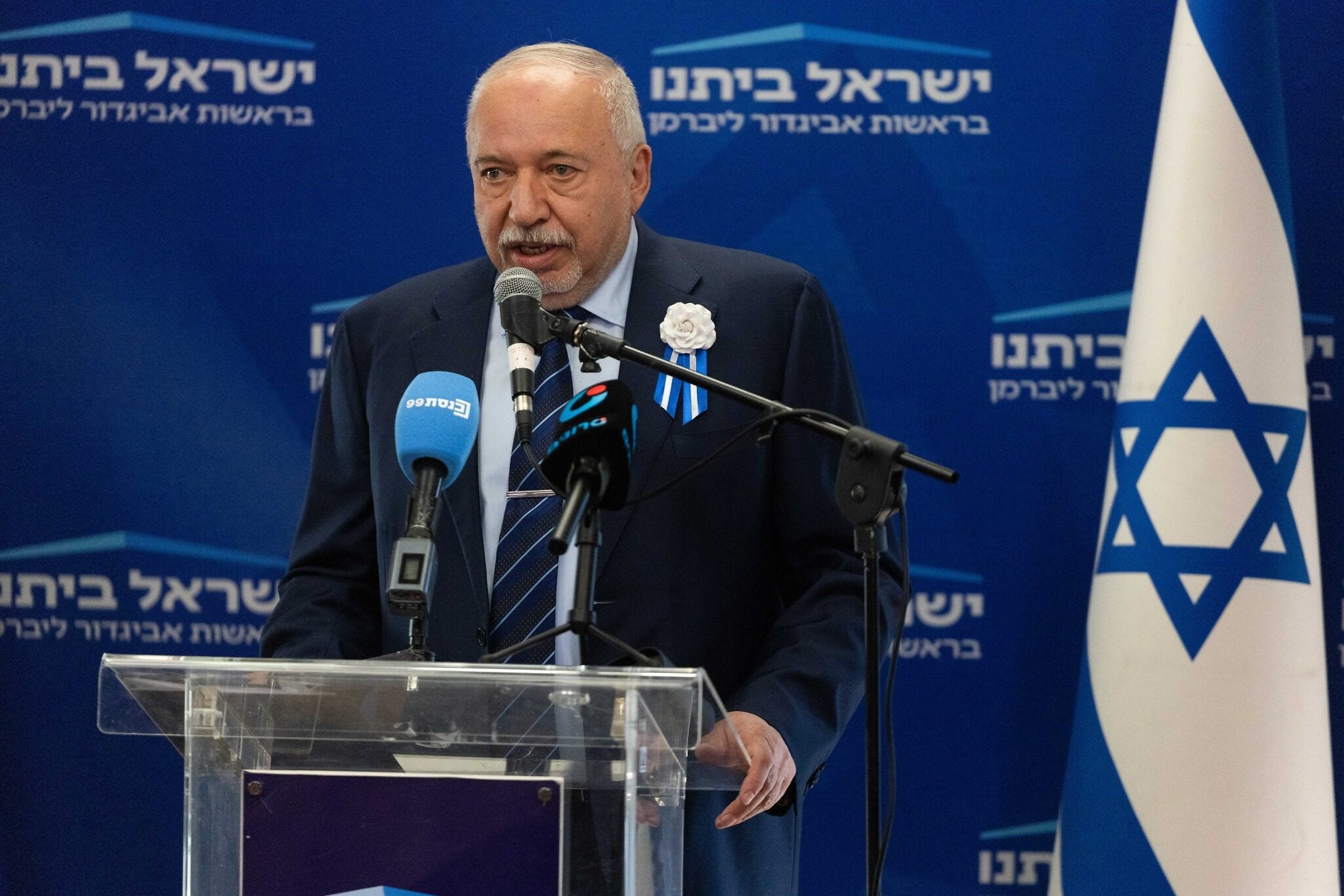
Amid the political tensions, Yisrael Beytenu leader Avigdor Liberman on Thursday also issued a statement warning Netanyahu’s government against making significant security-related moves, echoing Eisenkot’s appeal.
“A caretaker government is not authorized to make decisions that could drag Israel into war without parliamentary oversight and without the full agreement of all security officials. I emphasize — all security officials,” Liberman said.
Liberman, whose hawkish party won seven seats in last month’s Knesset election, was appointed Wednesday as chair of the temporary Foreign Affairs and Defense Committee, though according to Thursday reports in Haaretz and other Hebrew media, Likud has moved to block the official vote to install Liberman as chair, delaying his appointment until Monday and leaving the committee without meaningful oversight powers.
The move effectively prevents the anti-Netanyahu bloc, despite now commanding a parliamentary majority, from accessing classified security briefings through the committee, amid its growing concern that Netanyahu is seeking military action against Iran despite the objections of security chiefs.
The Knesset established the temporary committee Wednesday after lawmakers voted to approve the composition of the powerful Arrangements Committee, giving the anti-Netanyahu bloc control over key parliamentary proceedings. However, a separate vote is required to formally appoint Liberman as chairman.
According to Haaretz, outgoing coalition chairman Ofir Katz and outgoing Knesset Speaker MK Amir Ohana, both of Likud, blocked that vote Wednesday, warning that Ohana would prevent the plenum from convening to formally announce the Foreign Affairs and Defense committee’s establishment until Monday if they proceeded with the vote to install Liberman.
Under a compromise, the committee’s establishment was announced, but the vote on Liberman’s chairmanship was postponed until Monday. Until then, he cannot exercise the chairman’s powers or access classified intelligence materials in that capacity.
Katz: ‘We do not need approval’
Defense Minister Israel Katz on Thursday asserted that Netanyahu’s caretaker government need not seek permission from political opponents before directing the IDF to carry out military operations, even as efforts are underway in the Eisenkot-led bloc to establish a new governing coalition.
“We do not need approval from the opposition or any legal authority to direct the IDF to carry out assassinations in Gaza, defensive operations and strikes in Lebanon, maintain the security zone in Syria to protect communities in the Golan, or clear a terrorist neighborhood in Hebron,” Katz said, referring to Eisenkot and Liberman’s appeals against using military force during the transitional period of coalition negotiations.
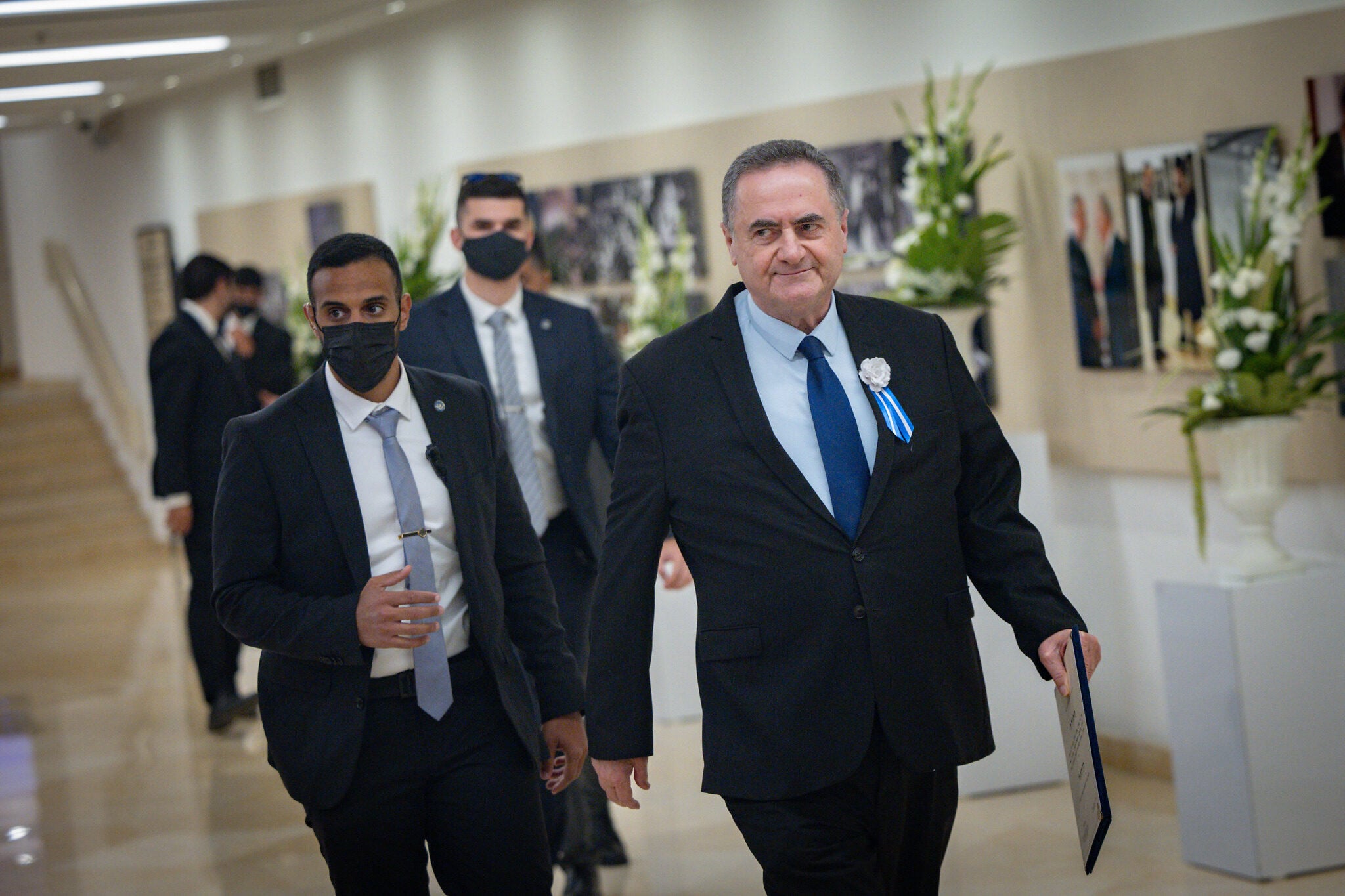
“With regard to Iran, we have demonstrated resolve and sound judgment, in full coordination with the IDF — and this will continue to be the case, as circumstances require,” Katz wrote on X, adding that, “Israel’s security is not on hold and is not waiting for the political processes that are taking place in parallel.”
“There is one prime minister, one defense minister who directs the IDF — and a single government responsible for making all decisions relating to Israel’s security and the protection of Israel’s citizens, which is of course subject to the established and necessary oversight,” Katz concluded.



The Times of Israel Community.