

Iran says 2 oil tankers carrying 4 million barrels caught fire in Strait of Hormuz
Revolutionary Guards blame vessels for using unauthorized route; Turkish President Erdogan urges renewed diplomacy to end war in talks with Iran’s Pezeshkian
 Add ToI as a Preferred Source on Google
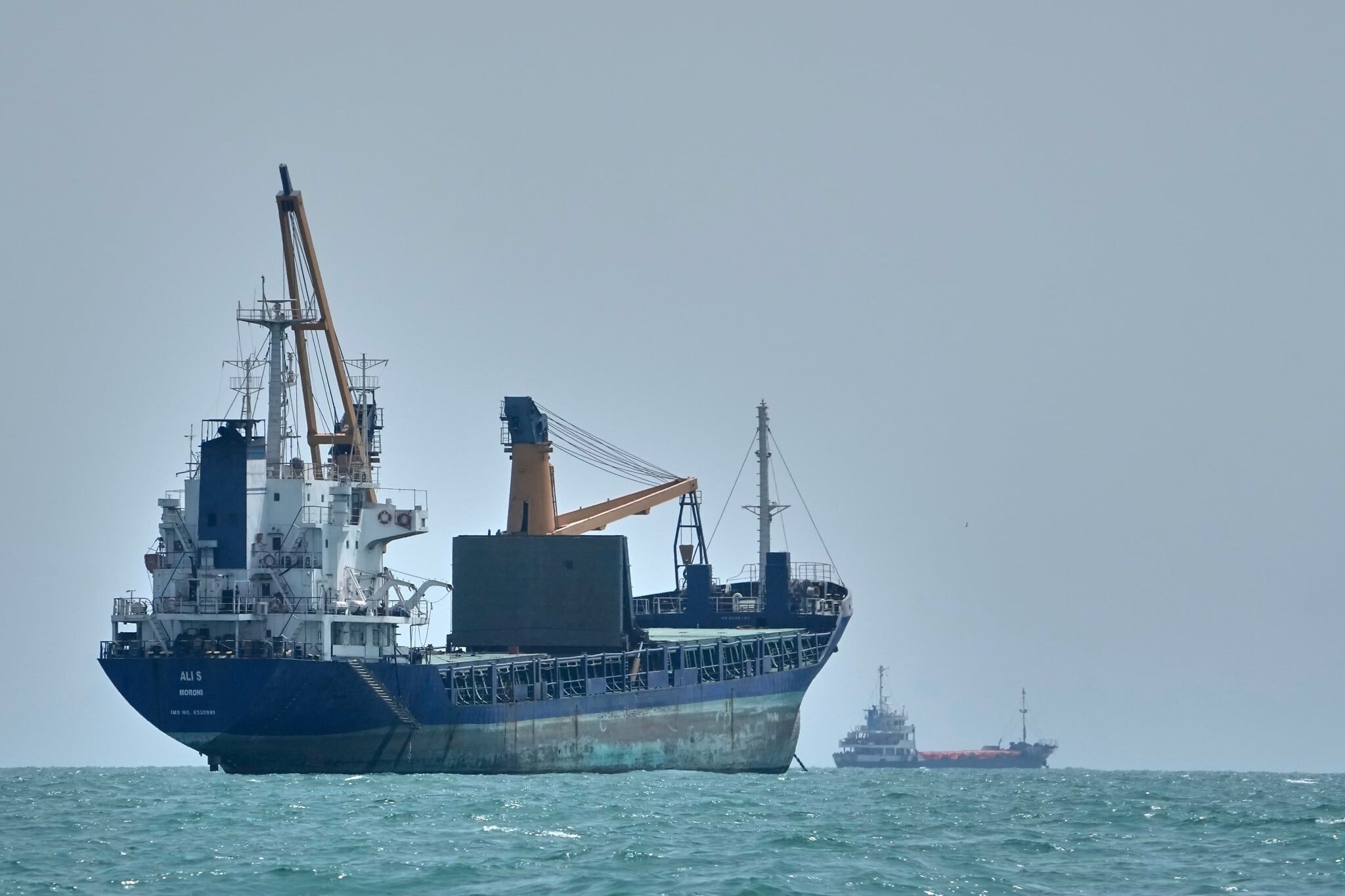
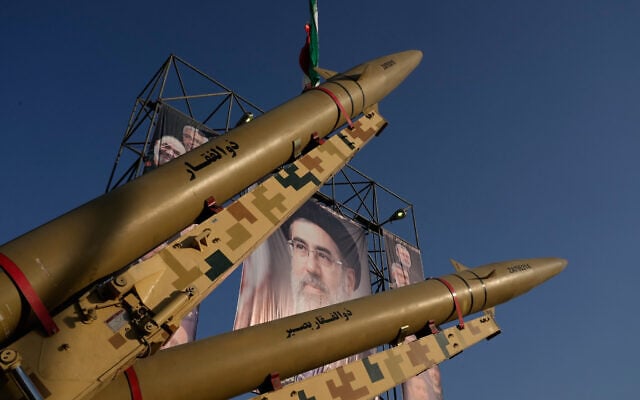
Iran’s Revolutionary Guards said Thursday that two tankers carrying over four million barrels of oil had caught fire after an “accident” on an unauthorized route in the Strait of Hormuz.
Since the outbreak of the Middle East war in late February, Tehran has heavily restricted traffic through the strategic shipping channel, insisting vessels use routes it has approved.
The United States has, in response, imposed a naval blockade on Iranian ports and helped tankers travel the strait, which previously carried about one-fifth of global oil.
“Last night, two tankers — acting in violation of regulations and despite repeated warnings from the Revolutionary Guards Navy regarding the unauthorized and dangerous nature of the southern maritime route — were involved in an accident while traversing this prohibited path in the strait,” the Guards said in a statement.
They did not specify the nature of the “accident” but said it left the two tankers immobilized after they were hit with a “violent explosion.”
“These two supertankers were carrying a combined total of over four million barrels of oil, which are now ablaze — a consequence of the blind trust placed in the aggressive American military,” the statement said.
Videos of the explosion of violating oil tankers after hitting mines in the unauthorized route of the Strait of Hormuz pic.twitter.com/o21dD8yI6A
— IRIB (Islamic Republic of Iran Broadcasting) (@iribnews_irib) November 12, 2026
The incident came a day after Iran said another tanker caught fire after striking a mine while using what Tehran called an unauthorized route through the strait. Earlier in the week, the Revolutionary Guards said three other tankers had caught fire while traveling through routes Iran considers off-limits.
Iranian forces have made multiple announcements in recent weeks of ships catching fire while making similar attempts.
Tehran has often said they struck mines, but the US military recently claimed all mines had been cleared from the strait.
Erdogan urges renewed diplomacy
Amid rising tensions in the region, Turkish President Recep Tayyip Erdogan on Thursday said diplomacy should resume “without further delay” to end the US-Iran war after talks with his Iranian counterpart.
Erdogan met Iran’s President Masoud Pezeshkian on the sidelines of the UN climate conference in the Turkish province of Antalya, his office said.
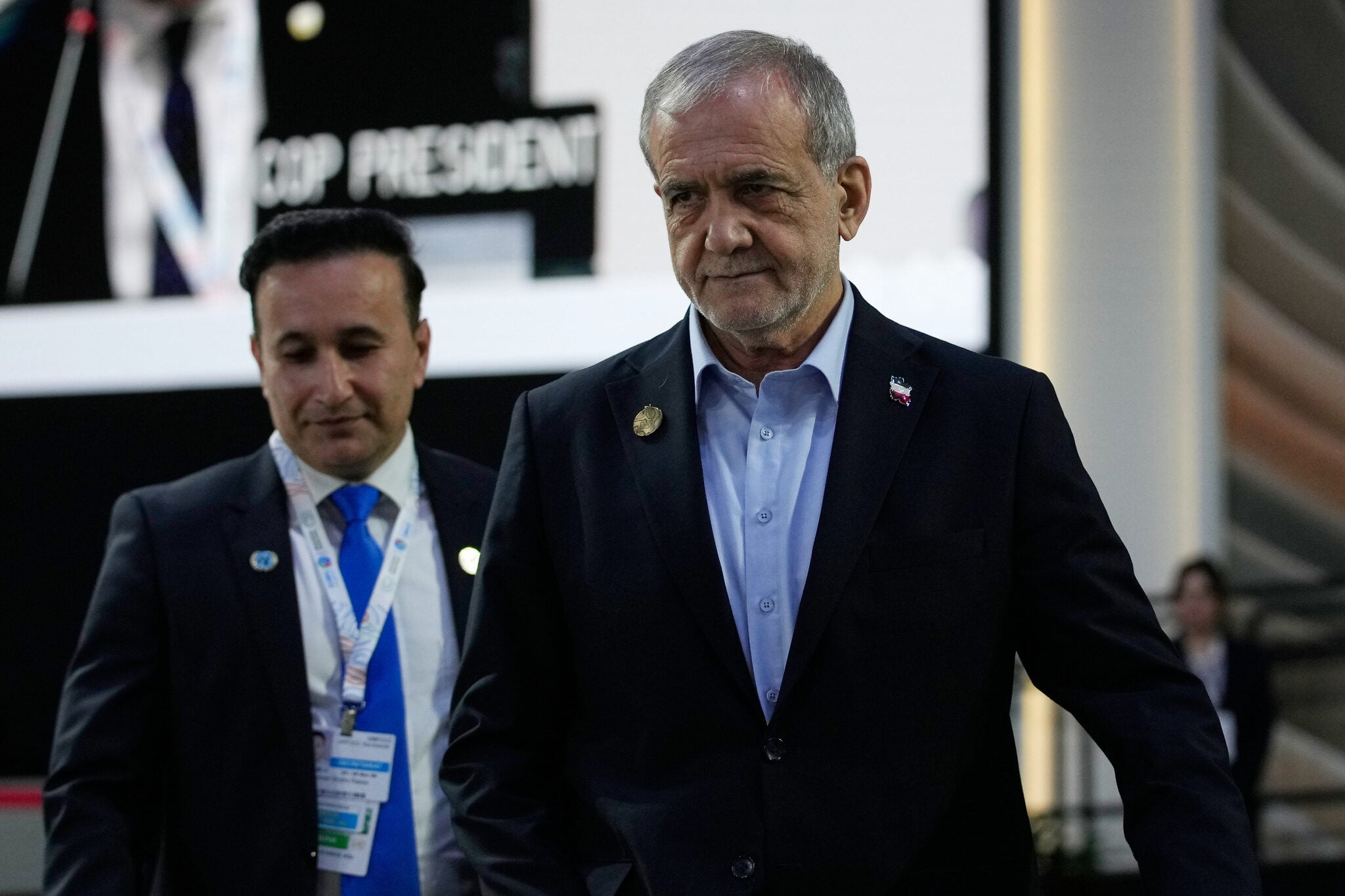
During their discussion, Erdogan underscored “the importance of getting to the negotiating table without further delay” and said Turkey would continue to support efforts aimed at securing peace.
“Common ground for agreement must be strengthened and diplomacy given a chance,” he said, expressing hope that the conflict with the US “would end as soon as possible.”
The war began on February 28, when the US and Israel launched a joint campaign against Iran aimed at degrading its nuclear and ballistic missile programs. The opening strikes killed Supreme Leader Ayatollah Ali Khamenei.
Iran retaliated by firing hundreds of missiles and drones at Israel and other targets across the region, while Tehran-backed armed groups in Lebanon, Yemen and Iraq also joined the fighting.
In an address to the UN climate summit, to which Israel was not invited, Pezeshkian on Wednesday accused the United States and Israel of inflicting severe environmental damage during attacks on the Islamic Republic.
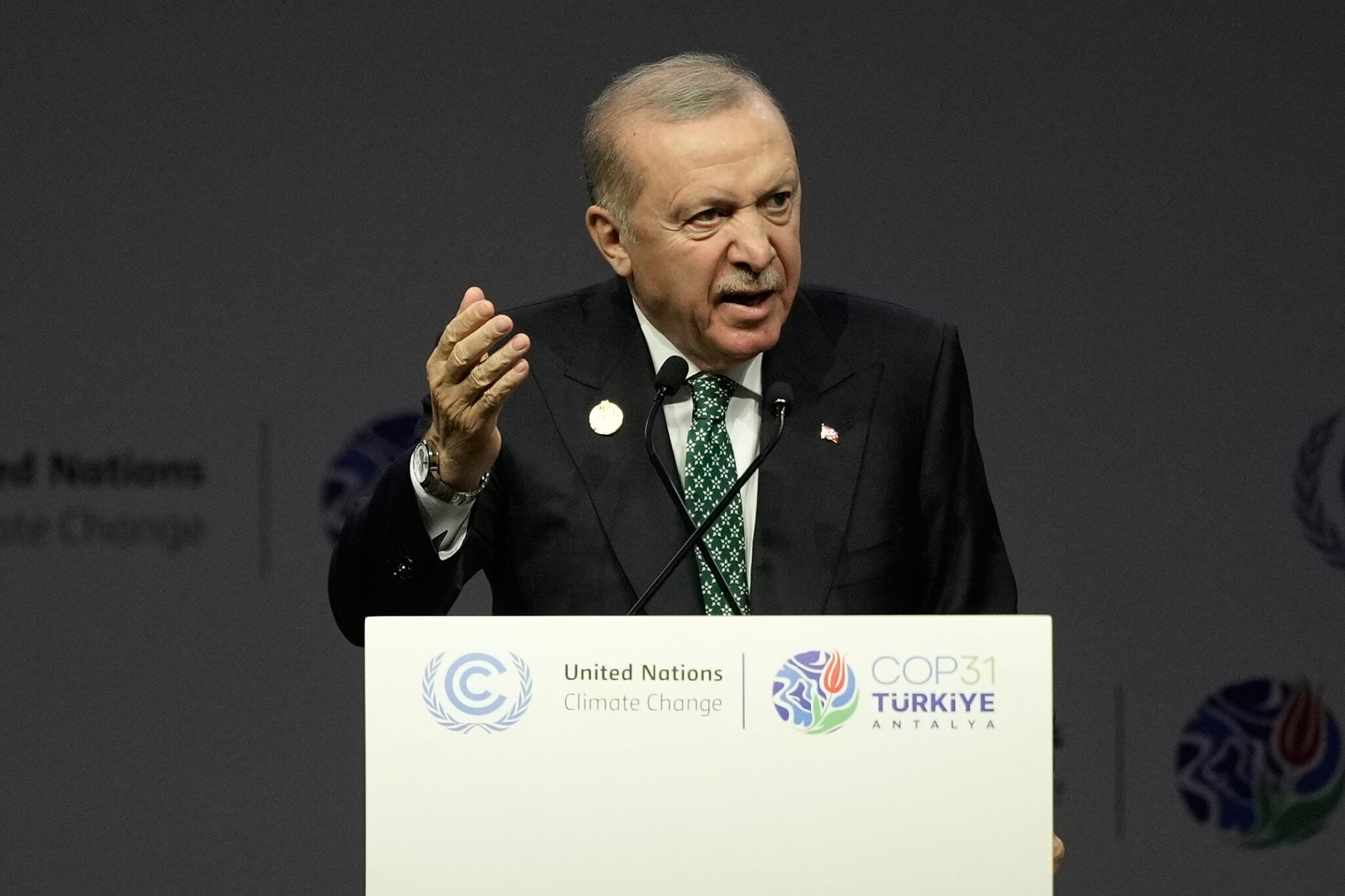
“The recent criminal and illegal aggression against Iran by America and the Zionist regime… has inflicted severe damage on the environment, releasing massive quantities of pollutants and greenhouse gases into the atmosphere,” he said.
Diplomatic efforts led by Qatar and Pakistan have sought to negotiate an end to the war.
Tehran wants Washington to accept a raft of demands, including unfreezing assets and lifting sanctions in return for reopening the Strait of Hormuz, the vital energy conduit it has blockaded since the start of the conflict.
Iran has indicated that restrictions on the strait could outlast the fighting. Parliament Speaker Mohammad Bagher Ghalibaf said Wednesday that the waterway would not return to its prewar status.
Times of Israel staff contributed to this report.



The Times of Israel Community.