

Jensen Huang’s dramatic exit clouds Nvidia’s plans to expand its Israel footprint
CEO’s resignation casts uncertainty over chipmaker’s planned 10,000-job northern campus and role as primary growth engine for Israel; two of his possible replacements are Israeli
 Add ToI as a Preferred Source on Google
Sharon Wrobel is a tech reporter for The Times of Israel
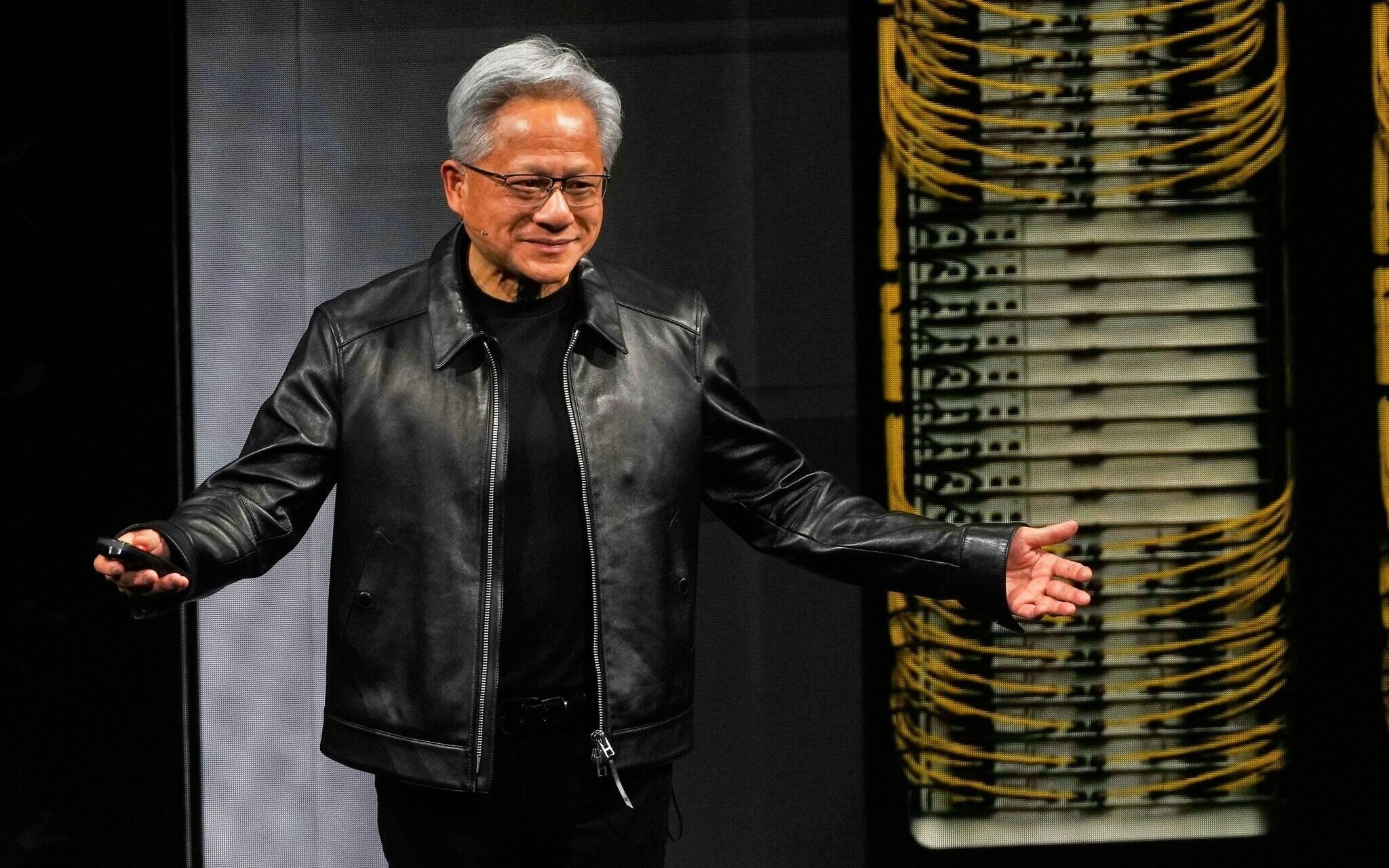
The sudden resignation on Thursday of Nvidia founder and CEO Jensen Huang has sent ripples through Israel’s tech sector, raising questions about the future commitment of a local R&D powerhouse that became a critical anchor for the chipmaker and the local economy under his leadership.
Led by Huang, a vocal advocate for Israeli tech, Nvidia’s footprint as a key engine of employment, economic growth and tax revenue had been expected to widen in the coming years as the chipmaker pressed ahead with major plans to expand in the country.
Huang’s departure now puts that expectation in question.
After more than three decades, the Nvidia co-founder stepped down on Thursday as pressure had been mounting in recent days following reports that said the 63-year-old, who is married, had an affair with a Chinese businesswoman whom US authorities suspect of spying for Beijing. Chief Financial Officer Colette Kress has been named as interim CEO as Nvidia searches for a permanent successor.
Huang’s exit plunges the $4 trillion company into uncertainty and threatens to disrupt an AI ecosystem that he helped bankroll by pouring Nvidia’s swelling cash pile back into cloud providers, suppliers and the industry’s biggest labs, including in Israel.
Nvidia’s operations in the Jewish state are the firm’s largest outside of the US. Despite the past three years of war, the chipmaker’s workforce expanded to more than 5,000 employees staffed across seven R&D centers, from Yokne’am in the north through Tel Aviv, Jerusalem and Ra’anana in the center of the country to Beersheba in the south.

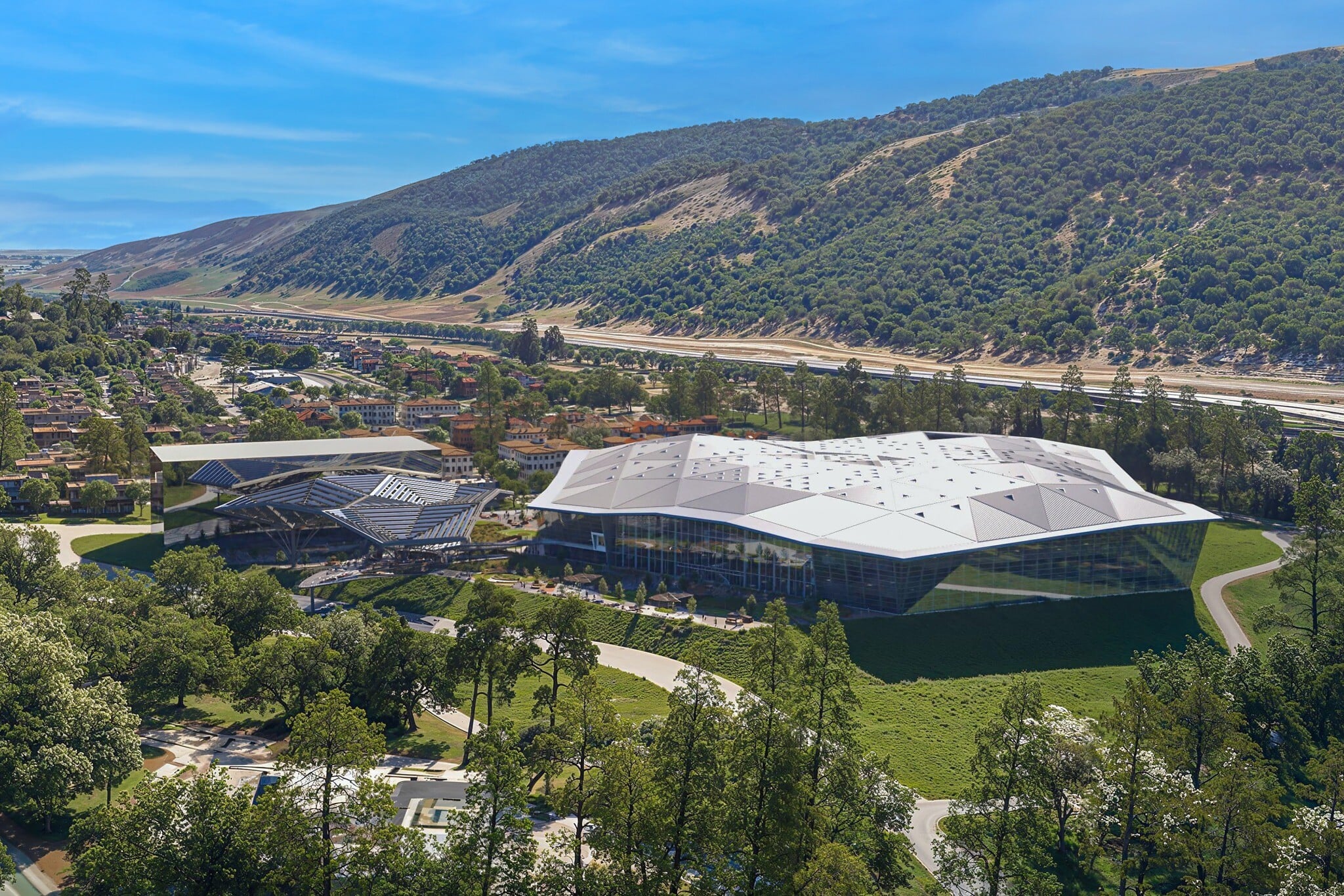
In December last year, Huang spearheaded ambitious plans for a “multibillion-shekel” R&D campus in the northern town of Kiryat Tivon, bringing some 10,000 jobs to a region outside Haifa with designs for creating a tech hub. Construction on the 160,000-square-meter tech campus was scheduled to begin in 2027 and be completed by 2031, marking Nvidia’s eighth such center in the country.
Israel has viewed the establishment of Nvidia’s R&D center in Kiryat Tivon as a catalyst for more tech jobs outside of the crowded Tel Aviv region, which remains the country’s central high-tech hub.
With its leadership now in the balance, whether Nvidia follows through on that expansion and keeps contributing substantially to tax revenue will be closely watched. The Bank of Israel last month raised its 2026 economic growth forecast to 5.6 percent, up from its July forecast of 4%, attributing the boost to large revenues from the sale of advanced technology products led by Nvidia. Excluding the impact, the economy is projected to grow by 3.4%.
“While leadership uncertainty creates short-term noise, Nvidia’s core ties to Israel remain structurally resilient as its local R&D centers form the irreplaceable engineering backbone of the company’s networking architecture, giving any future leadership little incentive to disrupt that engine,” said Tal Aspir, head of the AI Lab at the BDO consulting firm. “The real near-term exposure stems from stock volatility hitting employee equity and state tax receipts, alongside the loss of one of Silicon Valley’s most vocal champions of Israel.”
“The key bellwether will be whether the Kiryat Tivon campus timeline stays on track, so Israel’s tech sector should watch closely,” said Aspir.
Having called Israel Nvidia’s “second home,” Huang has shown his appreciation and support for the country’s engineers over the years in both word and deed.
In October 2025, Huang sent an emotional email to company employees, hailing the release of Hamas hostage Avinatan Or, an employee of Nvidia. Later that year, he also met with Or and his then-girlfriend, rescued hostage Noa Argamani, at Nvidia’s US headquarters in Santa Clara, California.
Huang led Nvidia’s 2019 acquisition of Israeli chip maker Mellanox Technologies for $7 billion – a move that has given the US firm an edge over competitors in its ability to provide the high-powered computational systems necessary to run AI models.
Engineers at Nvidia’s R&D centers in Israel have been developing key chips for the semiconductor giant’s next-generation computing platform, including an AI supercomputer, which went live earlier this year.
Speaking at a conference earlier this week, Nvidia’s chief technology officer Michael Kagan praised the country’s position as a major tech hub after the US and China, citing technological capabilities in AI and a fertile local ecosystem of startups.
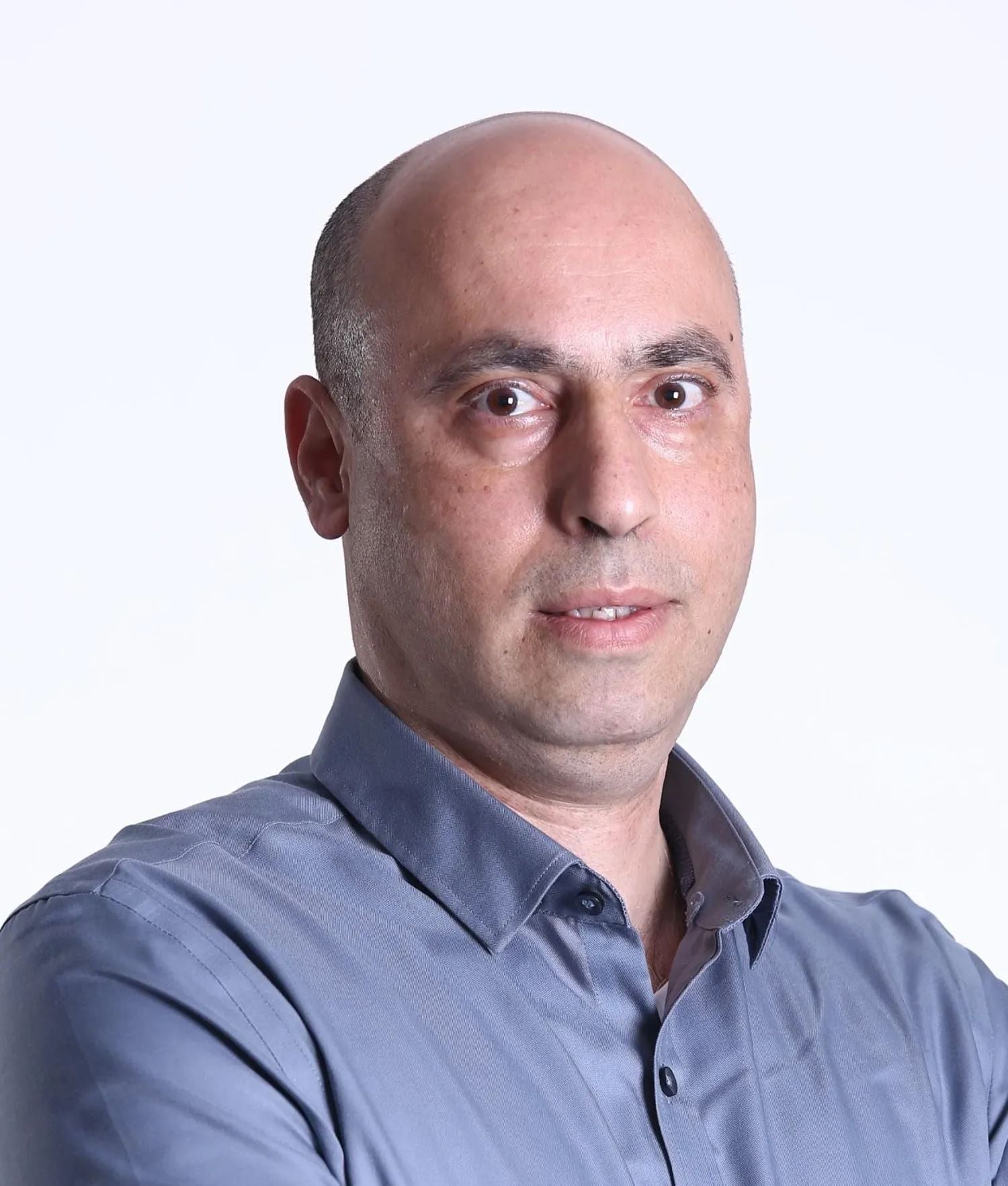
Kagan, an Israeli who previously founded Mellanox, is among the potential candidates touted to succeed Huang. Israeli-born Johny Srouji, Apple’s senior vice president of hardware technologies, has emerged as another potential candidate to take the reins at Nvidia.
“Israel has companies that are among the world’s leaders in designing very complicated chips and are active in AI safety and applications,” said Kagan. “Nvidia’s chips are either designed entirely in Israel or involve Israeli teams in their development,” he added.
Many of Nvidia’s high-end processors and networking chips, essential for training the largest AI models, are developed at its R&D centers in Israel.
Alongside its R&D operations, Nvidia has made a number of mega acquisition deals in Israel over the past decade. In December 2024, the chipmaker completed the purchase of Israeli AI workload management startup Run:ai for an estimated $700 million.
“Nvidia’s sheer weight has a direct and profound impact on the Israeli high-tech sector and the local capital market,” said Gali Ingber, Finance and Economics department head at the School of Business Administration at the College of Management Academic Studies. “Because Nvidia’s R&D operations and acquisitions in Israel (such as Mellanox) serve as a central pillar for the stability of the local tech industry and capital raising, any executive shock or strategic shift in the firm’s US leadership immediately projects onto local investor sentiment, and the planning of companies directly linked to the chip giant’s value chain.”
Reuters contributed to this report.









The Times of Israel Community.