

Negotiators from US, Iran and Qatar fear Netanyahu could torpedo talks to end the war
Officials familiar with matter tell ToI that all sides in the negotiations are very concerned about PM taking action, with or without Trump’s approval, that could result in resumed fighting

 Add ToI as a Preferred Source on Google
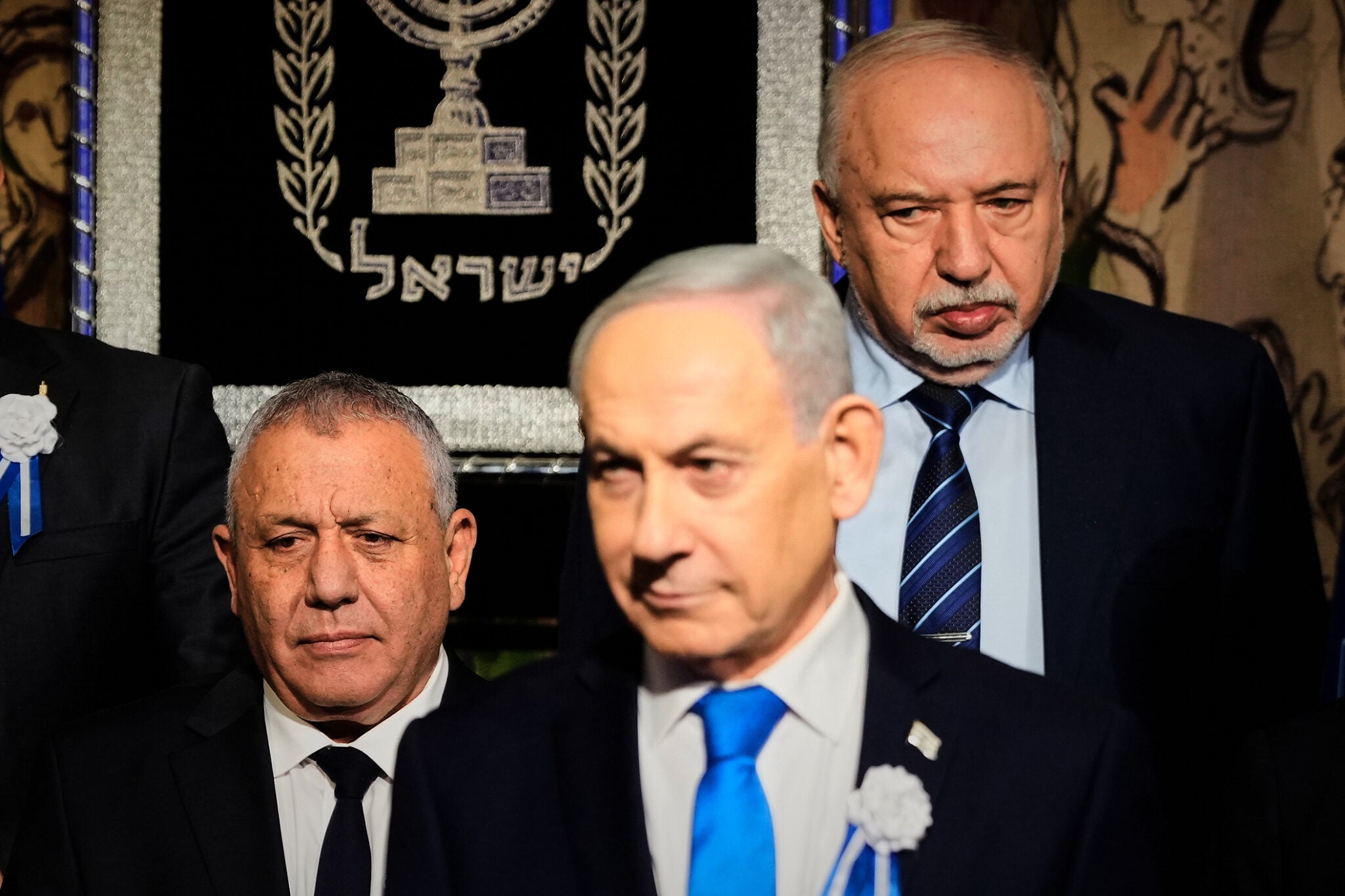
WASHINGTON — Negotiators from the US and Iran as well as from mediating Qatar were very concerned that talks on an agreement to end the conflict between Tehran and Washington could be torpedoed by Prime Minister Benjamin Netanyahu’s effort to resume the war, two government officials familiar with the matter told The Times of Israel this week.
The officials said all sides of the negotiations fear Netanyahu will authorize an operation against Iran that would spark a resumption of intensive military operations, which have largely subsided since April.
The officials acknowledged that the negotiating teams were largely made up of figures from the respective governments who most oppose a resumption of the conflict, compared to hardliners in Washington and Tehran less fearful of such a result.
Trump has oscillated between preferring a resumption of strikes and a deal to end the conflict, but currently seems to prefer the status quo in which the US maintains a blockade of Iranian ports while intensifying economic sanctions against the regime.
Supporters of that strategy in the administration hope it will lead Iran to capitulate to American demands on Tehran’s nuclear program and the Strait of Hormuz. They point to Tehran’s willingness in recent weeks to discuss its nuclear program with Qatari mediators after long refusing to do so as proof that the economic pressure is working, one of the officials directly familiar with the negotiations said.
But the current strategy may take months to succeed, with American consumers paying more at the pump in the meantime, due to heightened risk to vessels weighing travel through Hormuz. There is also no guarantee that Iran will not escalate in response to tightening US economic pressure.
The second official noted the Islamic Republic was still outright refusing to US demands that its stockpiles of highly-enriched uranium be transferred out of the country, and was instead only willing to discuss down-blending the nuclear material in the presence of UN inspectors.
Iran was also demanding billions in sanctions relief and reparations for infrastructure destroyed in the war launched by the US and Israel in February, the second official said, adding that this was a nonstarter for the US.
Additionally, Tehran wants to charge tolls for certain vessels, such as military ones, that pass through the Strait of Hormuz, which the US rejects, the second official said.
The official added that Iran was further emboldened by the results of the US midterm elections, which gave Democrats commanding control over both houses of Congress. Trump has acknowledged that energy price increases fueled by the Iran war played a major role in the Republican losses, while top Democratic lawmakers are pledging to use their electoral boost to unilaterally force an end to the conflict when the new Congress is sworn in on January 3.
Despite the gaps between the sides, negotiators still believe a final deal — or at the very least an interim agreement — was still possible, the first official said.
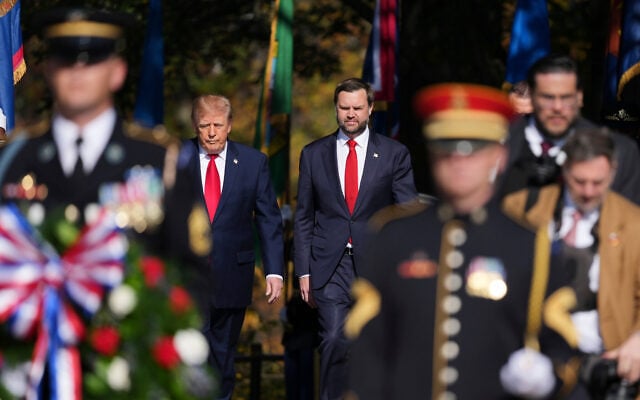
The second official however said such hopes were dashed when Trump publicly ordered Vice President JD Vance to stop dealing with the file, as Vance has been one of the administration’s leading advocates for a diplomatic accord to end the war with Iran.
Vance was also particularly concerned by Netanyahu’s near-daily calls to Trump urging him to resume the war, with the vice president feeling that the Israeli prime minister has repeatedly given bad advice and wrong predictions on how the war would play out, the second official said.






The Times of Israel Community.