

Dozens of nations, organizations demand Israel let more winter supplies into Gaza
UK, Qatar, Jordan lead coalition of more than 50 countries and groups; WHO warns cold weather, flooding and overcrowded shelters could worsen illnesses: ‘The worst really is yet to come’
 Add ToI as a Preferred Source on Google
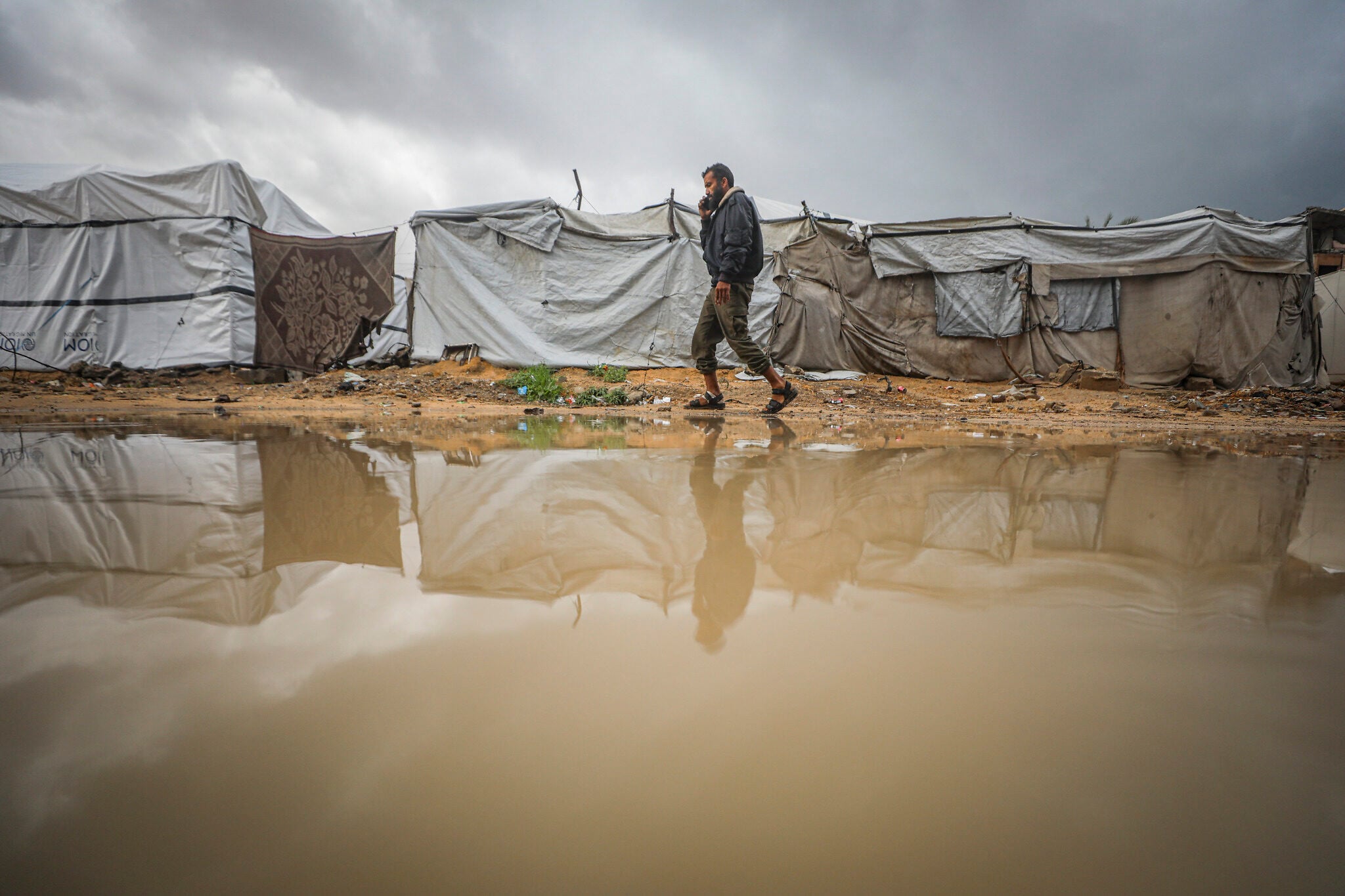
The United Kingdom, Qatar and Jordan led a coalition of more than 50 countries and organizations on Friday, calling on Israel to provide immediate entry of critical items for shelter, fuel, water, sanitation and health to Gaza, as the World Health Organization (WHO) warned that surging respiratory illnesses in the enclave would worsen after heavy rains flooded tens of thousands of tents housing displaced Palestinians.
The 53 signatories said too many people in Gaza “risk exposure to hypothermia, respiratory infections, waterborne diseases and other preventable illnesses” with winter’s arrival.
The statement echoed recent criticism of the situation in the enclave by the Board of Peace and UN humanitarian chief Tom Fletcher.
Meanwhile, the WHO’s representative for the Palestinian territory Dr. Reinhilde Van De Weerdt warned of the growing number of cases of respiratory illnesses in the Strip.
“Acute respiratory infections are 33,000 cases higher than at the same time last year,” she told reporters in Geneva from Jerusalem.
Poor living conditions and severe overcrowding are driving up infections as Gaza’s population is squeezed into an ever-smaller area, the global health authority said, with the crunch worsened as the Israeli military shifts the so-called “Yellow Line” — a demarcation established under October’s US-brokered ceasefire.
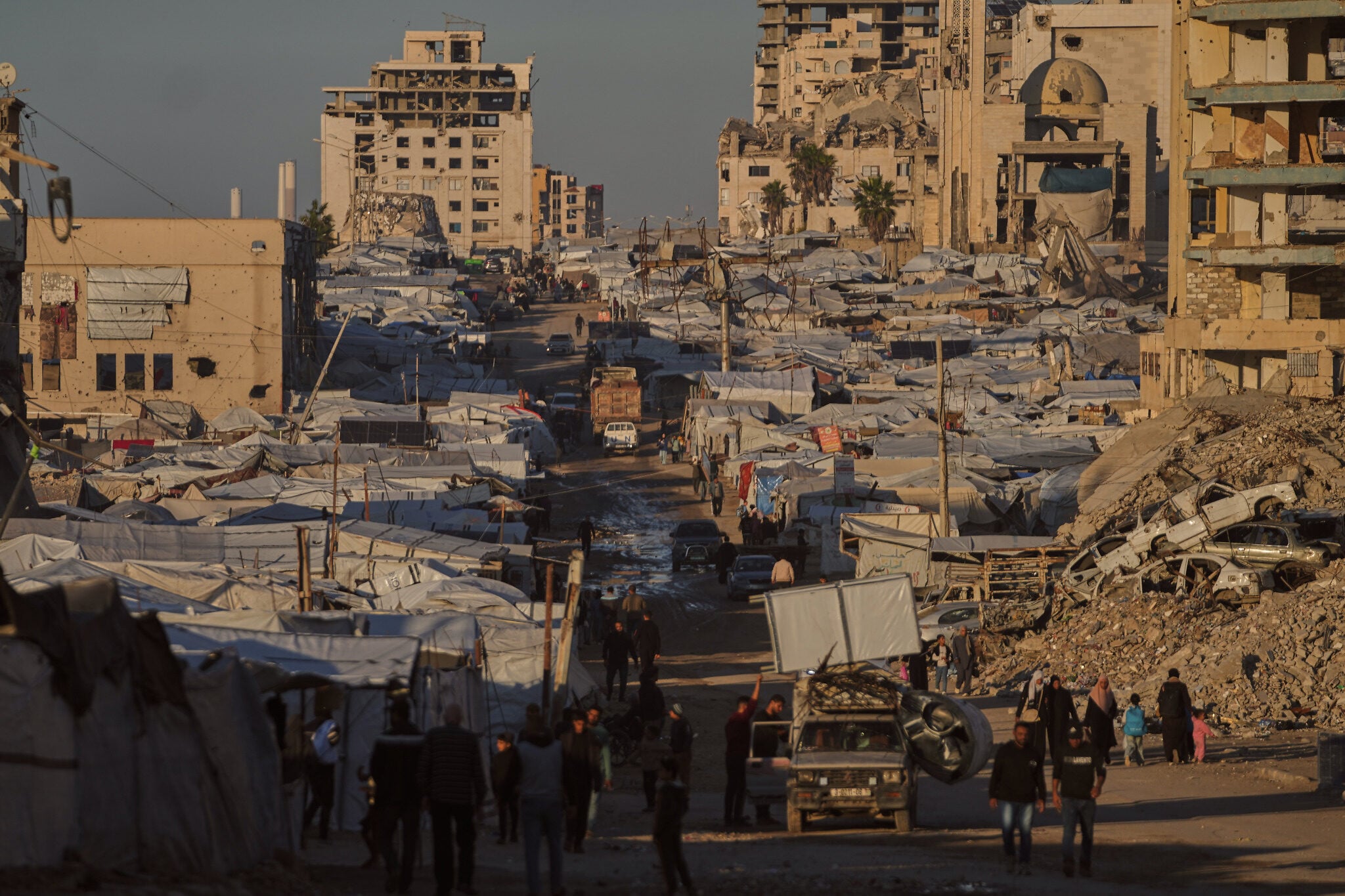
“That means people are living in more crowded conditions, where of course the spread between humans of a virus is much more prone to spread,” Van De Weerdt explained.
The Israeli military and COGAT, the Defense Ministry body overseeing Gaza, did not immediately respond to a request for comment.
Last week, COGAT said that it had stepped up efforts to improve sanitary conditions in Gaza before the heavy rain, in coordination with international organizations.
The agency said Friday that more than 93,000 tents and 8,600 trucks carrying “winter supplies and other essential equipment” had entered Gaza.
COGAT continues its winterization efforts, in coordination with the @BoardOfPeace, the @UN and international organizations, to address winter-related humanitarian needs in Gaza.
So far, over 93,000 tents and more than 8,600 trucks carrying winter supplies and other essential… pic.twitter.com/iui4ZB3rnf
— COGAT (@cogatonline) November 13, 2026
Israel has said that allegations that COGAT is not allowing in enough supplies “divert attention from Hamas’s responsibility.”
Hamas municipal and civil defense officials have said they were unable to cope with the storm because of fuel shortages and damage to equipment. They said Israel had destroyed hundreds of vehicles, including bulldozers and others used to pump water, during its war against Hamas, and has since barred the entry of construction equipment during the ceasefire.
Israel is reportedly digging in over allowing the entry of so-called dual-use items, which it says can be exploited or weaponized by Hamas and other terror groups in the Strip.
Additionally, Israel has said it will not allow reconstruction work to begin in Gaza until Hamas agrees to disarm and relinquish control of the enclave.
‘The worst really is yet to come’
Respiratory infections currently make up 11% of all consultations, the WHO said, with the agency expecting cold weather, flooding, overcrowded shelters and poor ventilation to push these numbers higher.
“It is shocking that just a few days of rain really showed us what the coming months will bring. And winter has not even fully set in. The worst really is yet to come,” Van De Weerdt said.
Nearly a million displaced people in Gaza live in flood-exposed areas, and 400,000 of them are in locations that are considered at extremely high risk, according to the WHO.
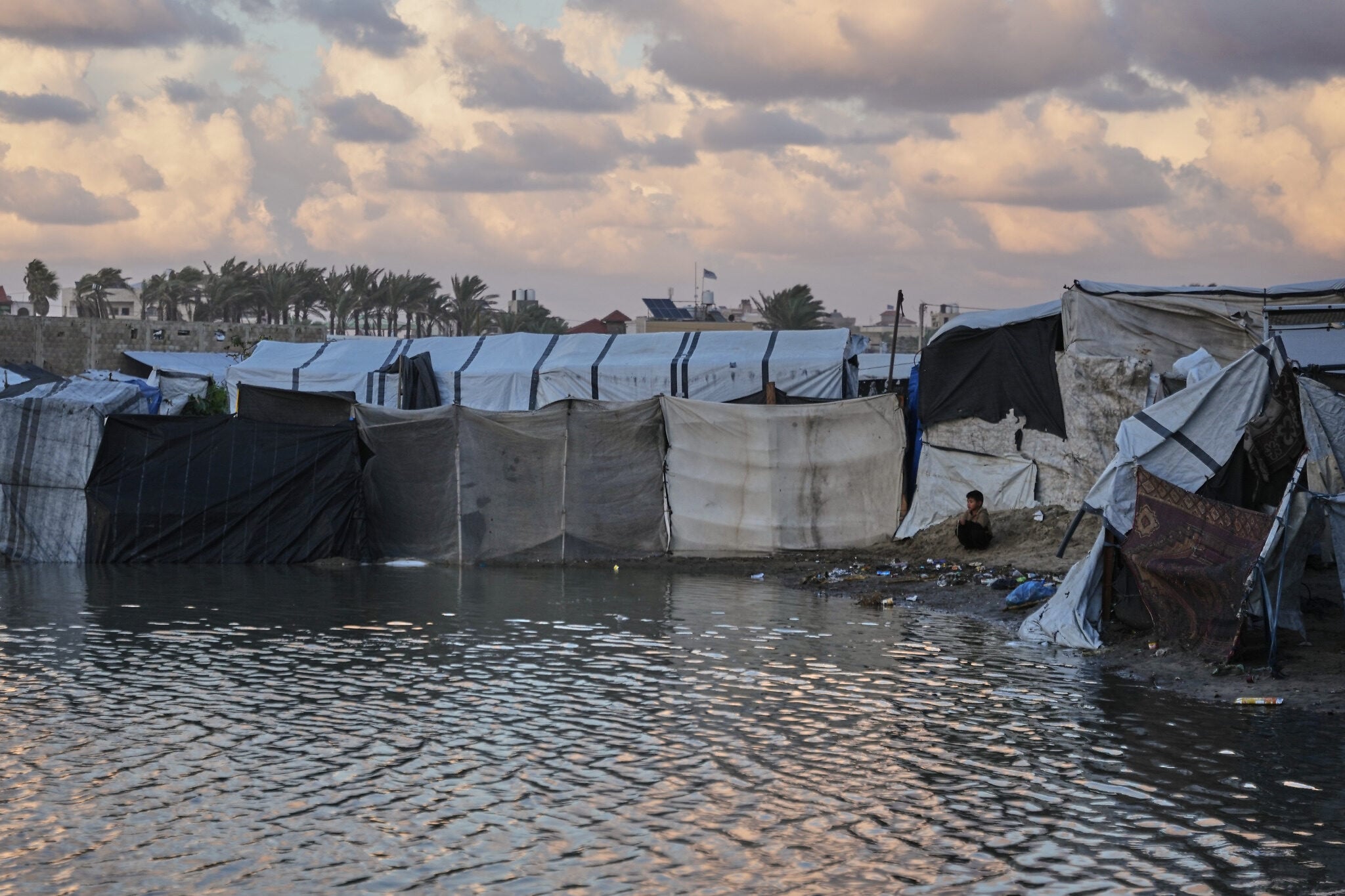
The agency said flooding heightened the risk of contaminated water, while standing water gave mosquitoes and pests more places to breed.
Damp conditions also promoted the growth of mold and bacteria, increasing the risk of respiratory infections, sparticularly among young children, it said.
While the majority of medicines are getting into Gaza, the WHO faces difficulty getting laboratory supplies, which it says are vital for diagnosing patients before they can be treated.
“To prevent outbreaks, we really call to let laboratory equipment enter Gaza today, so that we can avoid a public health disaster on top of a disaster.”








The Times of Israel Community.