

US House passes Russia sanctions bill championed by Graham, sending it to Trump
New measures target officials, banks, oil tankers; Democrats split on legislation, fearing president will use new tariffs to harm EU allies, but Zelensky lobbied in favor
 Add ToI as a Preferred Source on Google
WASHINGTON (AP) — The US House of Representatives on Wednesday passed a broad package of sanctions targeting Russian officials and key pillars of its economy as lawmakers look to deprive its President Vladimir Putin of the financial resources needed to wage the war against Ukraine.
The bill is named after the late senator Lindsey Graham of South Carolina, who spent more than a year negotiating it. The measure was approved in a 262-159 vote and now heads to US President Donald Trump to be signed into law.
The legislation represents the most ambitious effort to support Ukraine since Trump’s return to the White House and would break nearly two years of relative gridlock on the issue following a 2024 emergency aid package. Ukrainian President Volodymyr Zelensky has been pushing for the bill’s passage and made a direct appeal to senators shortly before they passed it last month.
The measure sanctions Russian officials, banks and a shadow fleet of tankers that keeps Russian energy moving. It also directs Trump to impose up to 100% tariffs on the top five importers of Russian oil or natural gas, with an exception for countries that import less than 15% of Russia’s natural gas exports and have taken significant steps to reduce those imports.
“These countries have a choice to make about whether they will continue to sustain Putin’s aggression,” said US Rep. Michael McCaul, a Republican from Texas.
Supporters said the tariff provisions are aimed at deterring China and India from purchasing Russian energy, but critics of the bill said they fear Trump will use the legislation to target allies in the European Union and elsewhere. Americans, they warned, would pay the price for such tariffs through higher prices at the cash register.
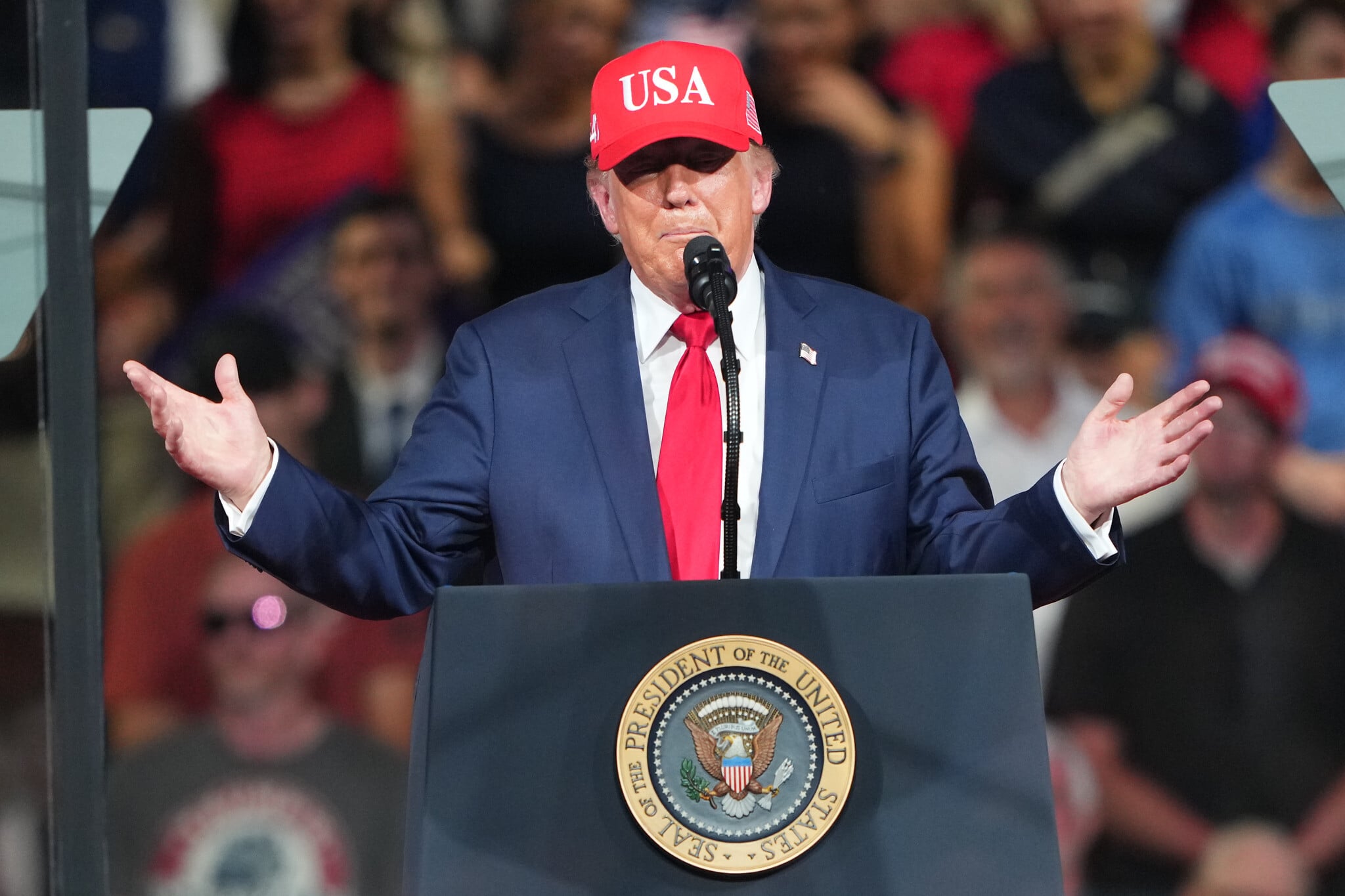
“This president has always said he loves tariffs,” said Democratic Rep. Gregory Meeks of New York. “And we know the history of what he’s done with reference to tariffs to our European allies, and our allies everywhere.”
Democrats were divided on the bill, despite overwhelming support in the caucus for aiding Ukraine. Democratic Rep. Steny Hoyer told colleagues they can’t control what the president does, but they can stand up and declare where they are on the war.
“If we fail to pass this bill, there will be cheers in the Kremlin and tears in Kyiv,” Hoyer said.
But fellow Democratic Rep. Don Beyer, of Virginia, predicted Ukraine supporters would come to regret voting for the bill.
“Yes they will be able to say ‘we stood with Ukraine’ in the immediate aftermath,” Beyer said. “But when Donald Trump hits our allies with new tariffs and waives sanctions on Russia, the propaganda victory for Putin will be lasting, and the damage will be embedded in US law.”
Democratic leader Hakeem Jeffries of New York, speaking in opposition to the bill, said Democrats would continue to support the Ukrainian people until victory is won, “but this bill does not provide a path to secure that.”

In all, 58 Democrats broke with Jeffries and voted for the bill, while 152 voted against it. Among Republicans, 203 voted yes while seven voted against it.
Speaker Mike Johnson, a Republican from Louisiana, celebrated the vote and highlighted the additional tariff power it provides the president.
“For too long, Putin has bankrolled this devastating war with money and resources from countries willing to look the other way, and today, that ends,” Johnson said.
Getting Trump onboard a long process
Congress has struggled to ensure the flow of US funding and munitions to Ukraine as Republican support for spending billions of dollars more on the effort has waned. Trump routinely derided the Ukraine aid while campaigning for the White House and insisted that, if elected, he would quickly end the war launched by Moscow’s February 2022 invasion.
It took Graham essentially a full year to bring Trump on board with the Russia sanctions package. Eventually, Trump gave a nod to the bill after it included his push for a five-year extension of existing sanctions on Iran. Republicans speaking on the House floor in advance of Wednesday’s vote were overwhelmingly supportive of the package.

Rep. French Hill, a Republican from Arkansas, acknowledged Democratic criticism that tariffs could be used aggressively on smaller US allies, but said it was time to deliver a resounding message to the Kremlin: “End this war, get out of Ukraine, focus on rebuilding your shattered international reputation and your destroyed economy.”
The Senate overwhelmingly passed the bill by a vote of 86-11 last month, but momentum slowed in the House. Republican leadership focused on other priorities, namely bills designed to put Democrats on defense going into the midterms. Meanwhile, a chorus of key Democratic lawmakers voiced alarm about the bill’s tariff provisions.
Passage of the bill in the House came on the final day that the chamber is expected to be in session for votes before the November 3 midterm elections.
After the vote, a group of Republicans and Democrats from the House and Senate celebrated the vote at a rare bipartisan press conference.
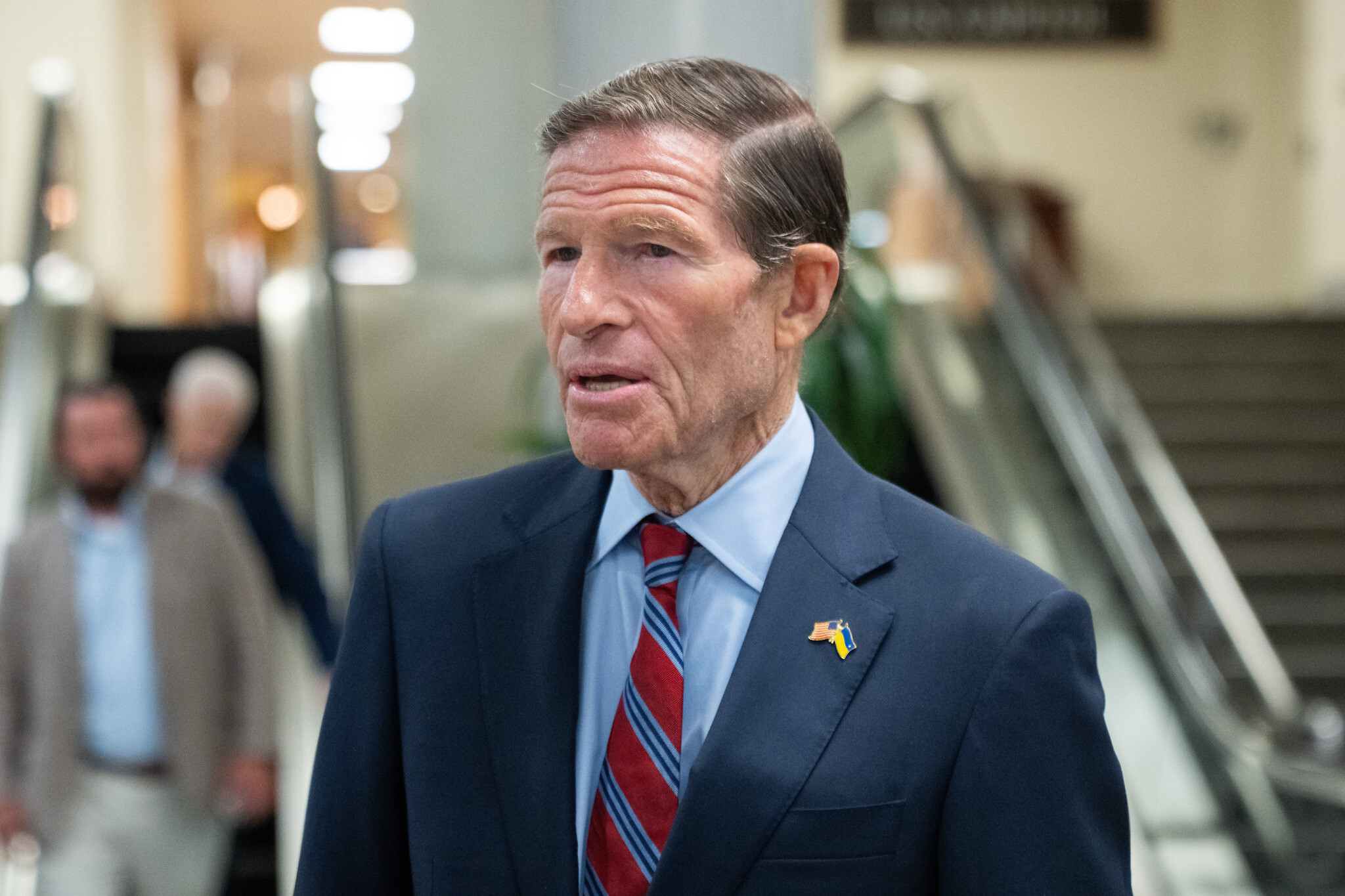
Democratic Sen. Richard Blumenthal of Connecticut, who wrote the bill with Graham, said he hopes the sanctions will help force Putin to the negotiating table and end the war.
“To Vladimir Putin — we have your number,” Blumenthal said. “And to Ukraine — you are not alone.”
Leading up to the vote, Zelensky took to social media urging the House to pass the bill. He said during war it is sometimes better to “make a not-so-perfect decision than to do nothing.”
“And this is a very important historical moment for the United States. The bill must be passed, voted on, and supported,” Zelensky said on X. “Beyond that, strong decisions from the US Administration are important. Personal decisions by President Trump. I very much hope we will see that.”










The Times of Israel Community.