

Top European, Arab officials meet to mull options for post-UNIFIL mission in Lebanon
France’s Macron, Lebanon’s Aoun, and Jordan’s King Abdullah gather in Paris to assess Lebanese Armed Forces’ needs as UN presence set to end, and Hezbollah still refusing to disarm
 Add ToI as a Preferred Source on Google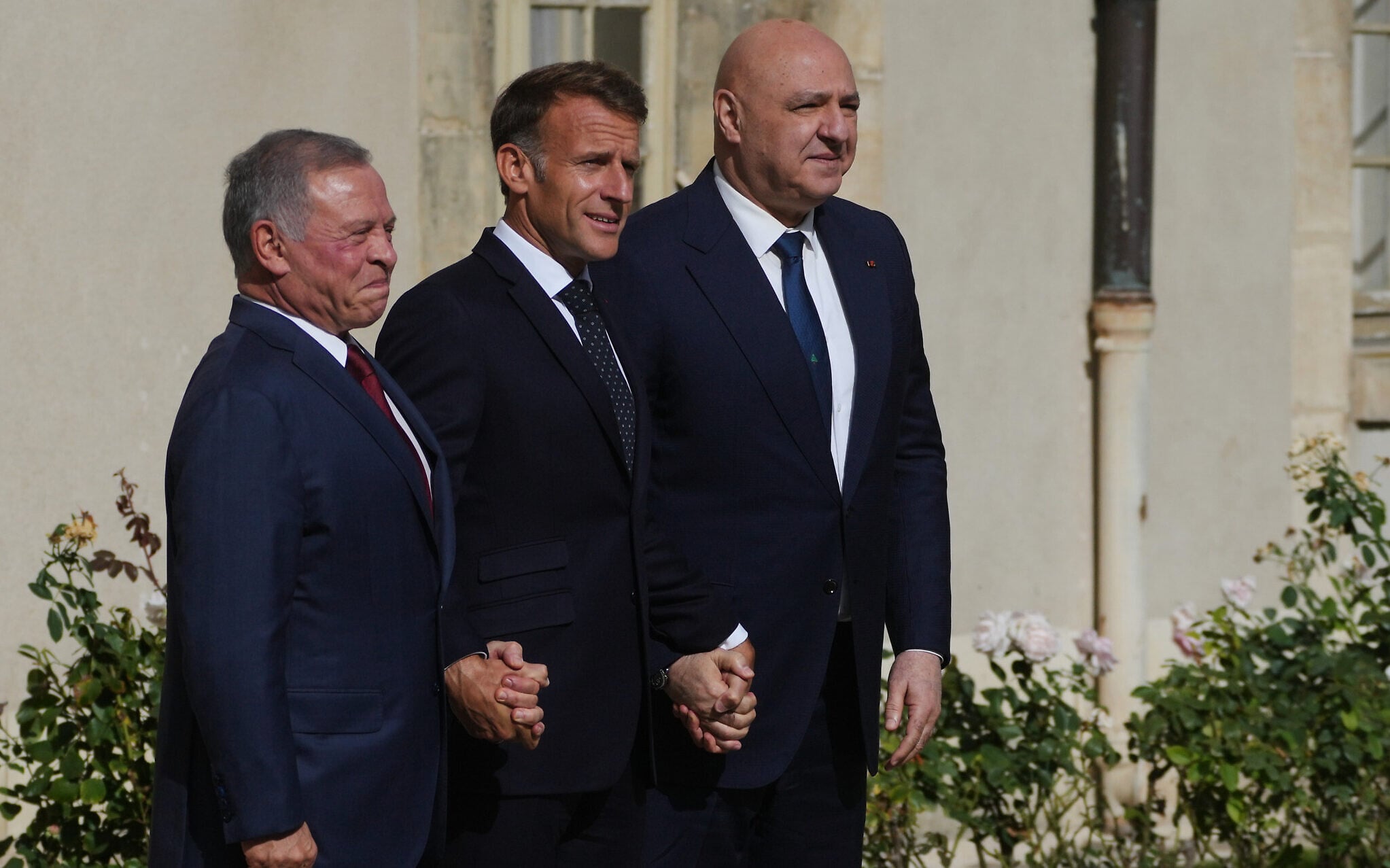
European and Arab political and military chiefs met in Paris on Thursday to assess the Lebanese Armed Forces’ needs and discuss the looming end of the United Nations peacekeeping mission UNIFIL.
Israel and Lebanon have held several rounds of US-brokered talks aimed at easing tensions along the border. But with elections in Israel and the United States approaching in the coming weeks, diplomats say a breakthrough is unlikely.
The Thursday talks, chaired by French President Emmanuel Macron alongside Lebanese President Joseph Aoun and Jordan’s King Abdullah, were not formally part of Washington’s efforts.
The US was represented by a senior military official involved in Middle East security issues.
Lebanon’s army now finds itself caught between the Israeli military — now occupying much of southern Lebanon as a self-declared security zone — and the Hezbollah terror group, which has refused calls to give up its weapons. Hezbollah dragged the country into the wider Middle East war by attacking Israel earlier this year.
As part of the US-brokered talks, Israel and Lebanon agreed to a framework deal that envisions Israeli troops gradually withdrawing as Lebanese authorities disarm Hezbollah and deploy across the country’s south.
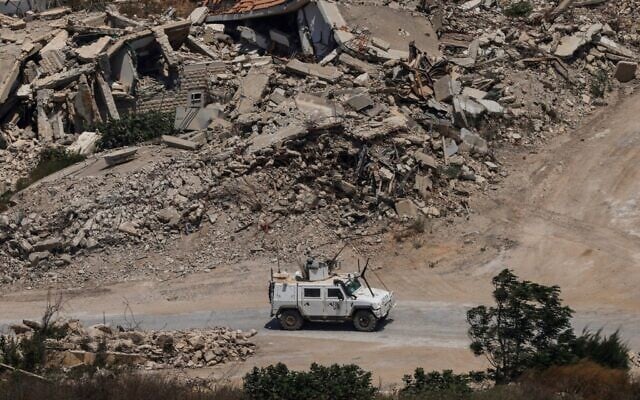
Officials in Paris were to seek to assess the precise military and financial requirements ahead of a donor conference likely to be held in late 2026 or early 2027, diplomats said.
The most immediate concern is how to fill the security vacuum that could be left when UNIFIL, which has about 7,500 personnel, begins drawing down from January.
Despite Lebanon and France both favoring an extension of the UN mandate, neither the United States nor Israel has signaled support for prolonging the mission, which they view as having failed in its mandate, which included implementing a 2006 UN Security Council resolution that said Hezbollah must be disarmed and its presence in southern Lebanon ended altogether.
The officials in Paris discussed options for a new international mission, backed by France and Italy, operating outside a UN mandate, as well as a possible European Union-led mission.
Both concepts would focus on training, equipment, intelligence sharing and mentoring support for the Lebanese Armed Forces.
“The modalities of this international or multinational action remain to be defined — if only because the Lebanese have not voiced requests that align with, in particular, US demands at the Security Council, and because we still need to calibrate the terms of this presence and be absolutely clear about the mandate,” a French presidency official told reporters ahead of the meeting.
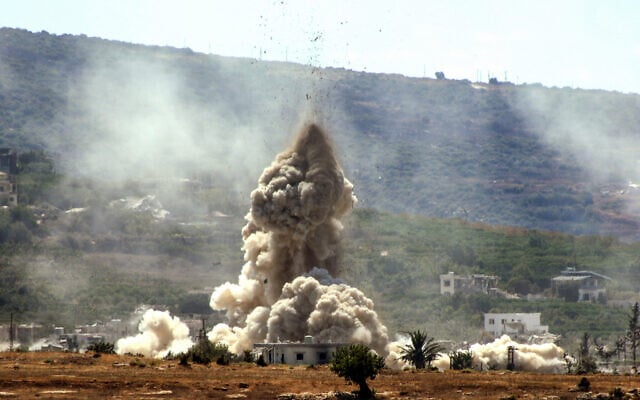
Following the meeting, Macron asserted that a peaceful Lebanon is “hope reborn for the entire Middle East.”
“A sovereign and stable Lebanon is a decisive step toward peace and stability for the entire region,” he wrote on X, adding that “only diplomacy and dialogue can put an end to an escalation with no way out.”
Macron said that France emphasized during the meeting “the importance of ensuring freedom of navigation in the Strait of Hormuz, the Red Sea, and the Strait of Bab el-Mandeb.”
He said the Israeli-Palestinian conflict was another source of instability in the region.
Fears of a renewed Israeli military campaign are growing in Lebanon after days of escalating strikes despite a June ceasefire that was intended to halt fighting between the Israeli military and Hezbollah.
A donor conference for Lebanon’s cash-strapped army was initially set to take place in February, led by France, Saudi Arabia and the United States. However, it was postponed following the eruption of the Iran war and the latest round of the Israel-Hezbollah war.
A new date for the conference was not immediately announced following Thursday’s meeting.
Lebanon has been criticized by Israel and the United States for not taking direct military action to force Iran-backed Hezbollah to disarm.
Lebanese officials are wary of a confrontation between the army and Hezbollah, fearing it could spiral into a civil war. The government has also insisted it needs a larger and better-equipped military to deploy across Lebanon and win over Hezbollah’s supporters who question the army’s ability to protect them.
The small Mediterranean country’s military is underfunded and underequipped, for years relying heavily on international donors, notably the United States, United Kingdom, France and Italy.
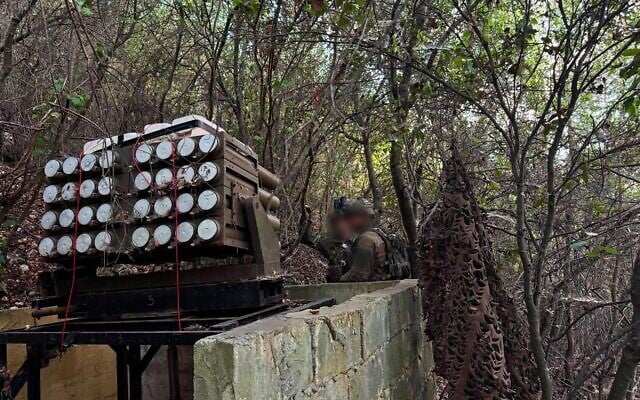
Saudi Arabia had initially earmarked $3 billion in 2013 to support the Lebanese army with French weapons. But Saudi Arabia decided to halt the aid in 2016 as Hezbollah grew in political power and the Lebanese government’s ties with the kingdom deteriorated.
Many soldiers have left the military or worked second jobs since the country’s fiscal crisis in late 2019, which affected state institutions that once provided decent salaries and benefits and locked the savings of millions in the banks. The military has struggled to adequately pay salaries as inflation soars and state budgets shrink.



The Times of Israel Community.