

25-ton Second Temple-era mikveh lifted from ground intact during Kiryat Gat construction
Ritual bath points to ancient settlement unknown to researchers, says Israel Antiquities Authority, as structure is temporarily removed in one piece to prevent damage during building
 Add ToI as a Preferred Source on Google
Zev Stub is the Times of Israel's Diaspora Affairs correspondent.
A 2,000-year-old Jewish ritual bath weighing about 25 tons was lifted intact from the ground in the southern city of Kiryat Gat this summer, the Israel Antiquities Authority said on Thursday.
The Second Temple-period mikveh was uncovered during salvage excavations before construction in the city’s Carmei Gat neighborhood. The discovery provides evidence of a previously unknown Jewish settlement between the Judean Lowlands and the northern Negev, the IAA said.
Hoisted by a huge crane, the ancient mikveh was moved in July to the IAA’s National Treasures Department in Beit Guvrin to protect it amid ongoing construction in the rapidly developing neighborhood of Carmei Gat, the authority said. Once the work is completed, it added, the structure will be returned to Carmei Gat and incorporated into an open public space.
“Once you lift up a structure like this, there is no going back,” said Eyal Kaho, a senior IAA conservator who led the operation. “If it falls apart, we’ve lost the mikveh. Therefore, every detail must be considered in advance.”
Ahead of the operation, four members of the IAA’s Conservation Administration spent about two weeks preparing the structure for removal. They excavated around the bath to expose it on all sides, then drilled beneath it and inserted steel beams to create a supporting framework that would allow the mikveh to be detached from the ground.
Because the ritual bath needed to be lifted from a distance, a large, 300-ton-capacity crane was needed to raise the 25-ton structure. The mikveh’s unusual width of about 4 meters (13 feet) also required a wide transport vehicle.
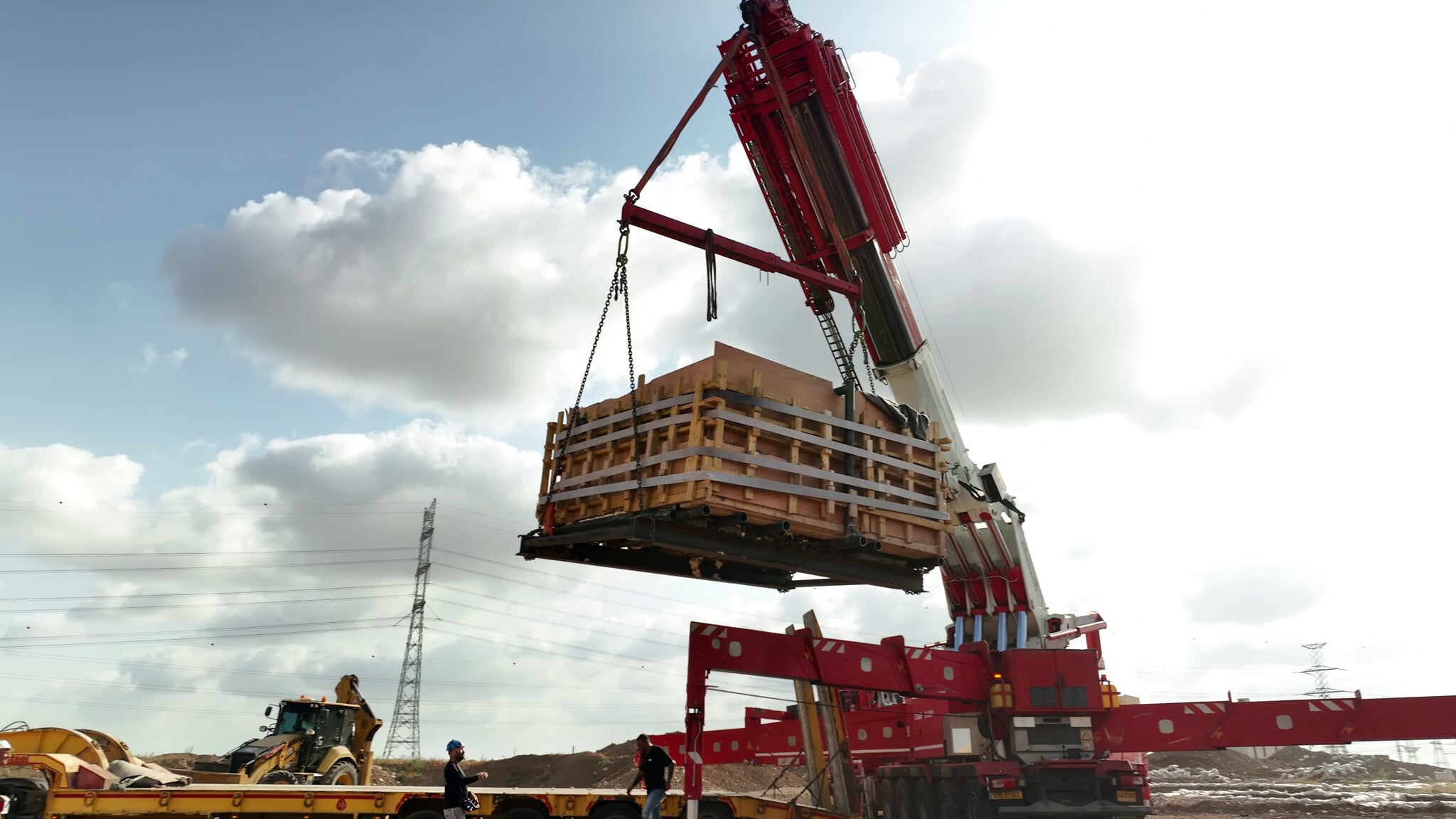
The ancient plaster covering the mikveh’s walls was particularly vulnerable to vibrations during the lifting and transport, the IAA said. Conservators covered it with gauze and adhesives, and reinforced the entire structure with foam to prevent the plaster from peeling away.
Transporting the mikveh to the Beit Guvrin storehouse, about 20 minutes away in normal traffic, became an operation in itself, said the IAA. Authorities closed the road to traffic during the process, and escort vehicles drove in front of and behind the truck.
Archaeologists said the settlement, previously unknown in academic circles, appears to have been abandoned during the Bar Kokhba Revolt in the second century CE. It was settled again about 500 years later during the Byzantine period, apparently by a different population.
“The Jewish settlement we discovered here is the first and the only known one in this area,” said the IAA excavation directors, Elena Kogan-Zahavi, Maayan Margulis and Shira Lifshitz. “In the Judean Lowlands, many Jewish settlements from the Roman period are known, but in the seam between the Judean Lowlands and the northern Negev — no Jewish settlement was known until now.”
The excavation also uncovered measuring vessels made of stone, which Jews widely used during the Second Temple period because, under Jewish law, they were not susceptible to ritual impurity.
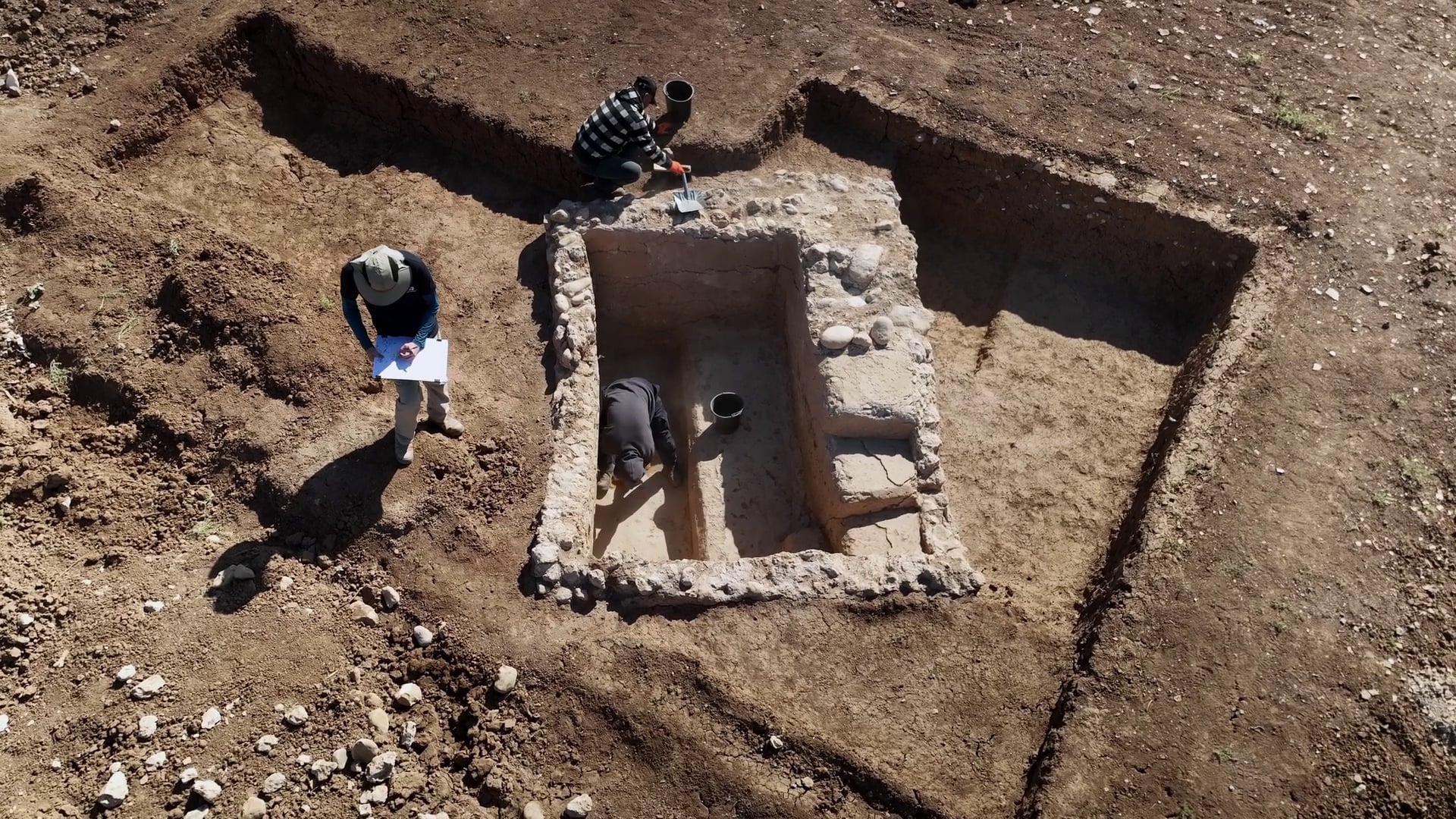
The NIS 28 million ($9.4 million) excavation was funded by the Israel Land Authority as part of the neighborhood’s development, the IAA said.
The complex operation “reflects our commitment as a nation to preserving our heritage assets, even amid rapid development,” Heritage Minister Amichay Eliyahu said.
The mikveh is expected to eventually become part of the landscape of Carmei Gat, allowing residents and visitors to see the ancient structure alongside the modern neighborhood being built around it.










The Times of Israel Community.