

Man given 13.5 years in jail for spying for Iran, in harshest such sentence yet
Alexander Granovsky found guily of setting 9 cars on fire, stalking Benny Gantz’s neighborhood; as part of plea deal, four young men from East Jerusalem admit to taking part in separate plot
 Add ToI as a Preferred Source on Google
The Lod District Court on Wednesday sentenced Petah Tikva resident Alexander Granovsky to 13.5 years in prison for spying, vandalism and arson in late 2024 on behalf of Iran.
Separately, the Jerusalem District Court convicted four Palestinians from East Jerusalem who admitted, as part of a plea deal, to participating in another late 2024 Iranian espionage scheme in exchange for money. Their punishments will be determined later.
Granovsky, in his 30s, was found guilty of spray-painting antigovernment slogans, setting nine cars on fire and stalking the neighborhood of lawmaker Benny Gantz, a former IDF chief of staff and defense minister, in exchange for money from an Iranian agent. His prison term is the harshest sentence yet against a person convicted of acting on behalf of Iran, the Central District Attorney’s Office said.
The court said the heavy punishment serves to “inform anyone who is tempted to act on behalf of a hostile entity in exchange for money, that they can expect a lengthy and unbearable jail sentence.”
Israel has, over the past two years, arrested dozens of people on suspicion of carrying out acts on behalf of Iran in exchange for money. The suspects typically make initial contact with Iranian agents through social media, especially the messaging platform Telegram.
The tasks typically begin with low-level acts such as graffiti and sometimes escalate to espionage and even assassination plots.
Meanwhile, the Jerusalem court convicted brothers Mahmoud and Mamdouh Hader, 23 and 21, respectively; Omari Abu Hamida, 21; and Muhammad Taha, 21. All but Taha are Israeli citizens. They and three other Israeli citizens from Beit Safafa were arrested for suspected spying for Iran in September 2024.
Proceedings are ongoing against the three other suspects, who include the alleged lead intermediary with the Iranian agent.
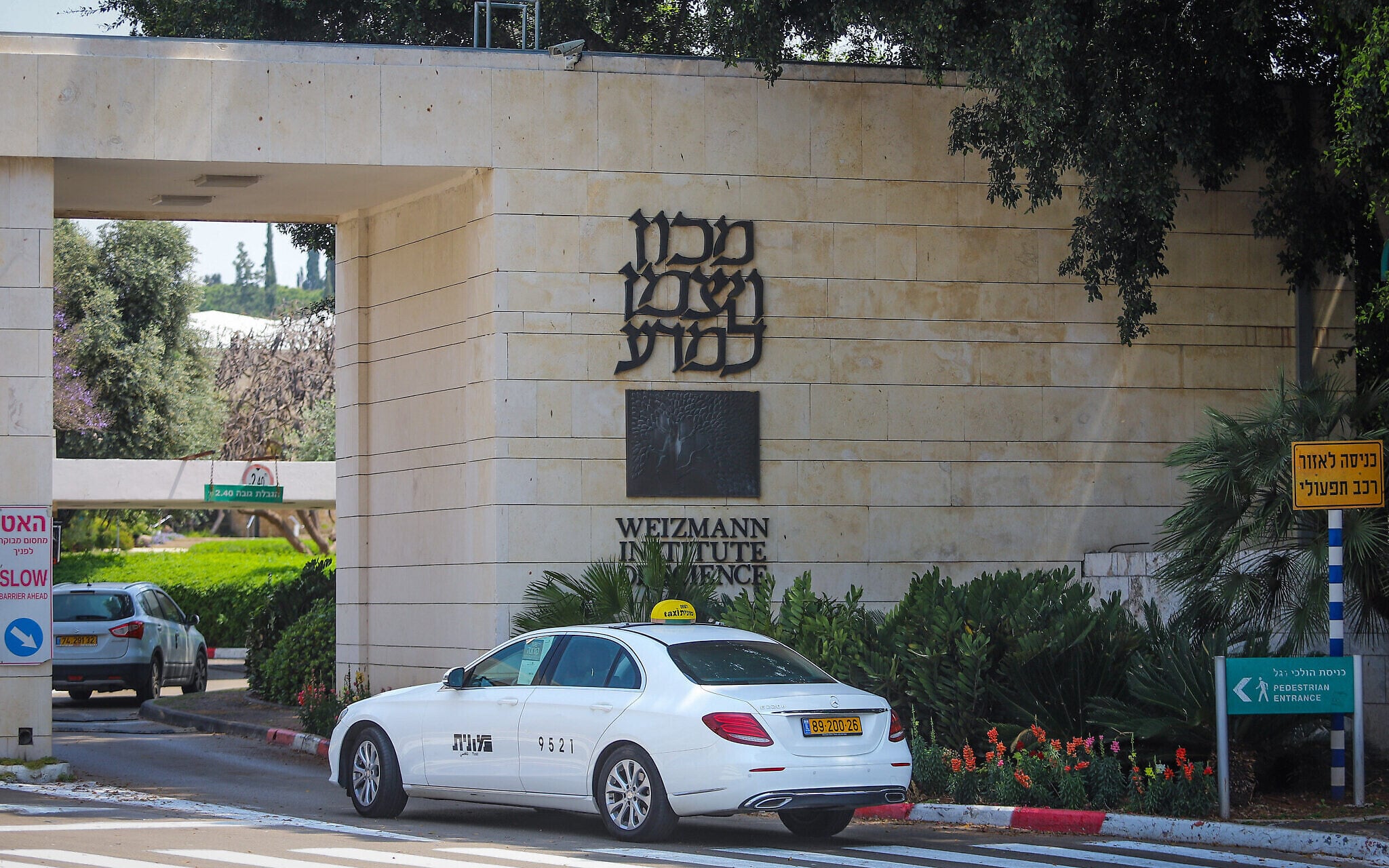
According to the text of the plea deal, Abu Hamida and the younger Hader traveled with some of the other suspects to the Weizmann Institute of Science in Rehovot, where the group filmed one of the entrances to the institute.
When Abu Hamida asked the others why they were filming the entrance, he was informed it was in service of an Iranian plot to assassinate a scientist. Despite learning of the plot, neither Abu Hamida nor Hader did anything to stop it. Due to their inaction, they were convicted of failure to prevent a terrorist act.
The elder Hamida was convicted of aiding and abetting contact with a foreign agent for offenses including procuring a fake police license plate in order to produce a video of a purported attack on an Israeli police car.
Taha was also convicted of aiding and abetting contact with a foreign agent after he sent the Iranian agent, via the alleged intermediary, a video purporting to show a grenade being thrown at a Jewish home. The home was actually an empty house in the West Bank Palestinian village of Qatanna, near Jerusalem.









The Times of Israel Community.