

A Jewish Zionist running with Ra’am, Segalovitz tells ToI he aims to smash the political paradigm
Former senior cop and Yesh Atid lawmaker admits differences on social issues with Islamist party, but says main concern is tackling rampant crime and advancing coexistence
 Add ToI as a Preferred Source on Google
Tal Schneider is a Political Correspondent at The Times of Israel
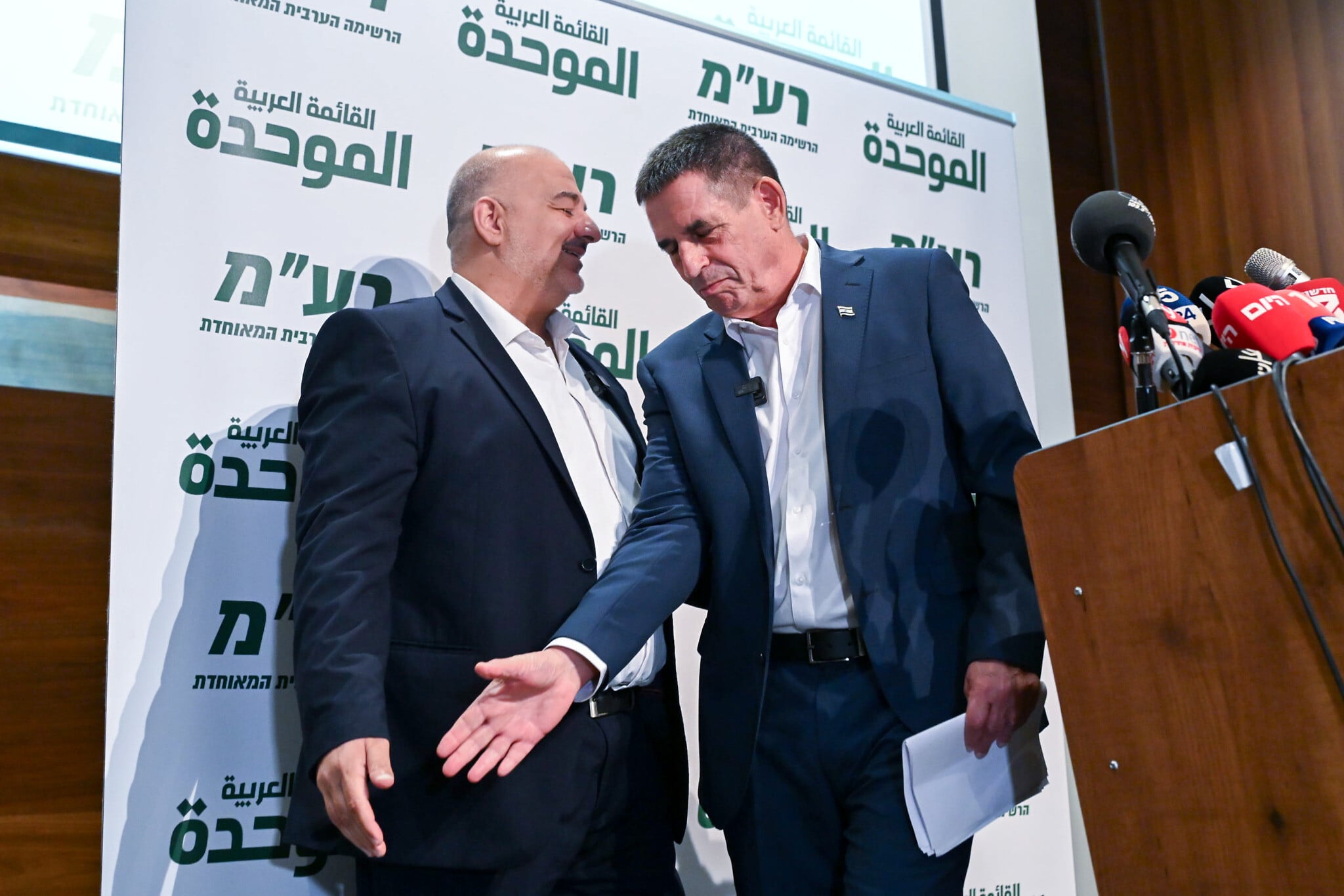
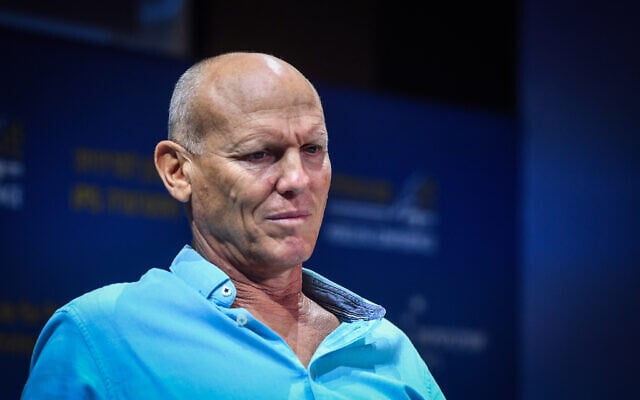
Former MK Yoav Segalovitz’s decision to run for Knesset with the Islamist Ra’am party came as a complete stunner to Israel’s political establishment.
Segalovitz is a household name in Israel. He founded and commanded Lahav 433 — often dubbed “Israel’s FBI” — the elite police unit responsible for investigating high-level government corruption and organized crime. He later served as deputy public security minister in the 2021–2022 Naftali Bennett-Yair Lapid government, tasked with leading the crackdown on crime in the Arab community.
Now the longtime Yesh Atid politician is the second name on the electoral slate of Ra’am, a conservative Arab-Muslim party that has broken away from other Arab parties by pragmatically seeking a place within a governing coalition.
Ra’am’s trailblazing decision to join the Bennett-Lapid government stretched an already wide tent into an uncommonly capacious one. Now the addition of Segalovitz to the roster is meant to do the same for the party itself, expanding its appeal and acceptability to Israel’s Jewish majority and chipping away at the idea that Arab parties have no place in governing the country.
“Our goal is to influence what happens in the country,” Segalovitz told The Times of Israel in an interview this week. “We want to break down the walls and the right-wing paradigm, and bring an end to this toxic and dangerous discourse.”
When his political move first began taking shape — floated in back-to-back interviews by Ra’am chief Mansour Abbas and Segalovitz on Radio A-Shams, Israel’s premier commercial Arabic-language radio station — it seemed fanciful, perhaps little more than a trial balloon with slim chances of ever becoming reality.
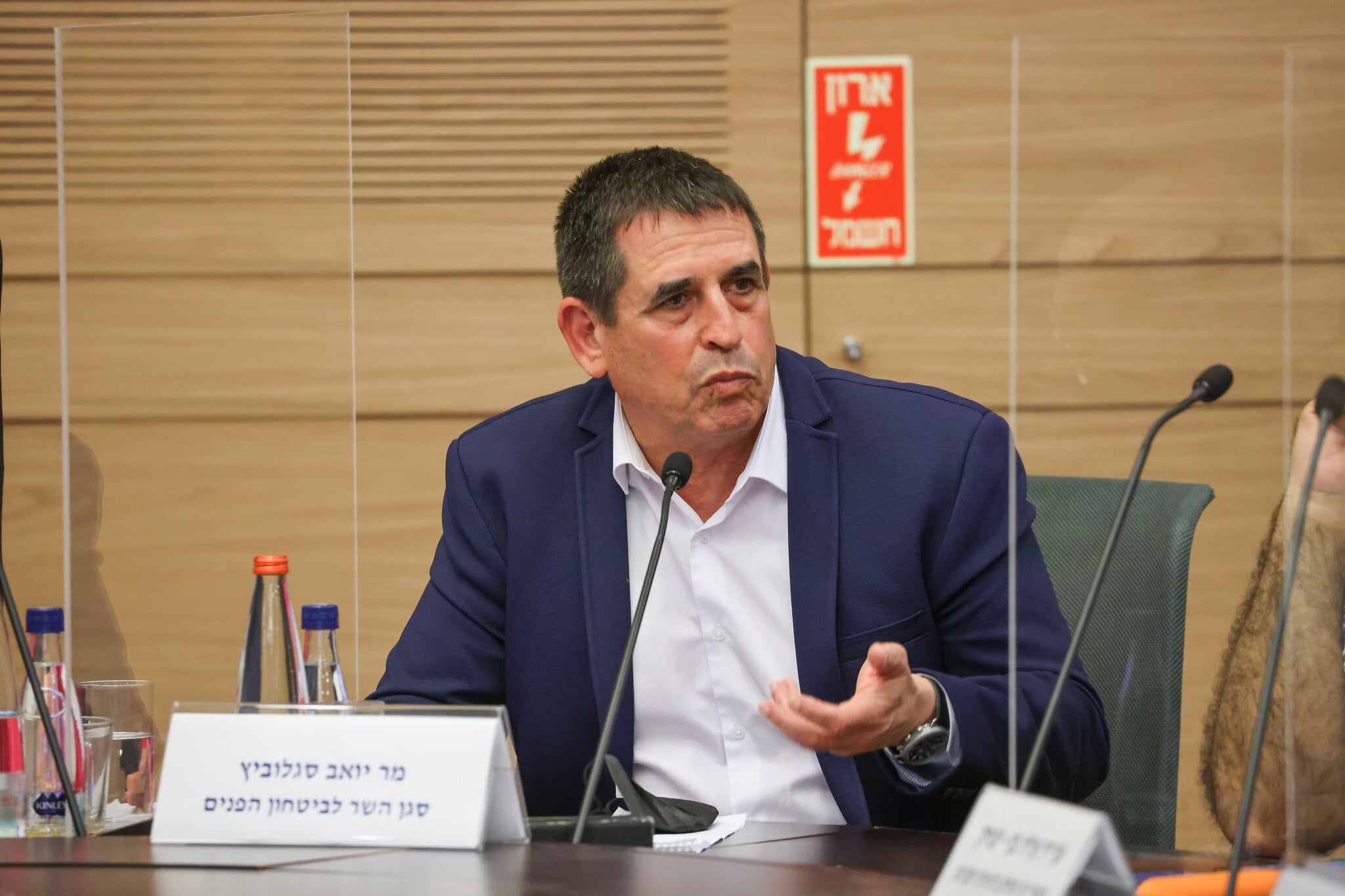
But amid the ensuing criticism and ridicule, Segalovitz remained focused on what he says is his ultimate goal: to serve as a working model and symbol of Jewish-Arab coexistence in Israel. While Jews and Arabs already intersect in medical facilities, shopping centers, offices and academia, Segalovitz wants to expand the partnership to the most complicated arena of all — Israeli politics.
The more pressing issue, however, is tackling crime, which has reached unprecedented levels in the Arab community during Prime Minister Benjamin Netanyahu’s latest four-year coalition term. Among ideas Segalovitz proposes is taking young Arab men off the street by drafting them into national civil service.
“As for crime among young people… two years of civilian service are among the things that are supposed to provide an answer to this,” he said.
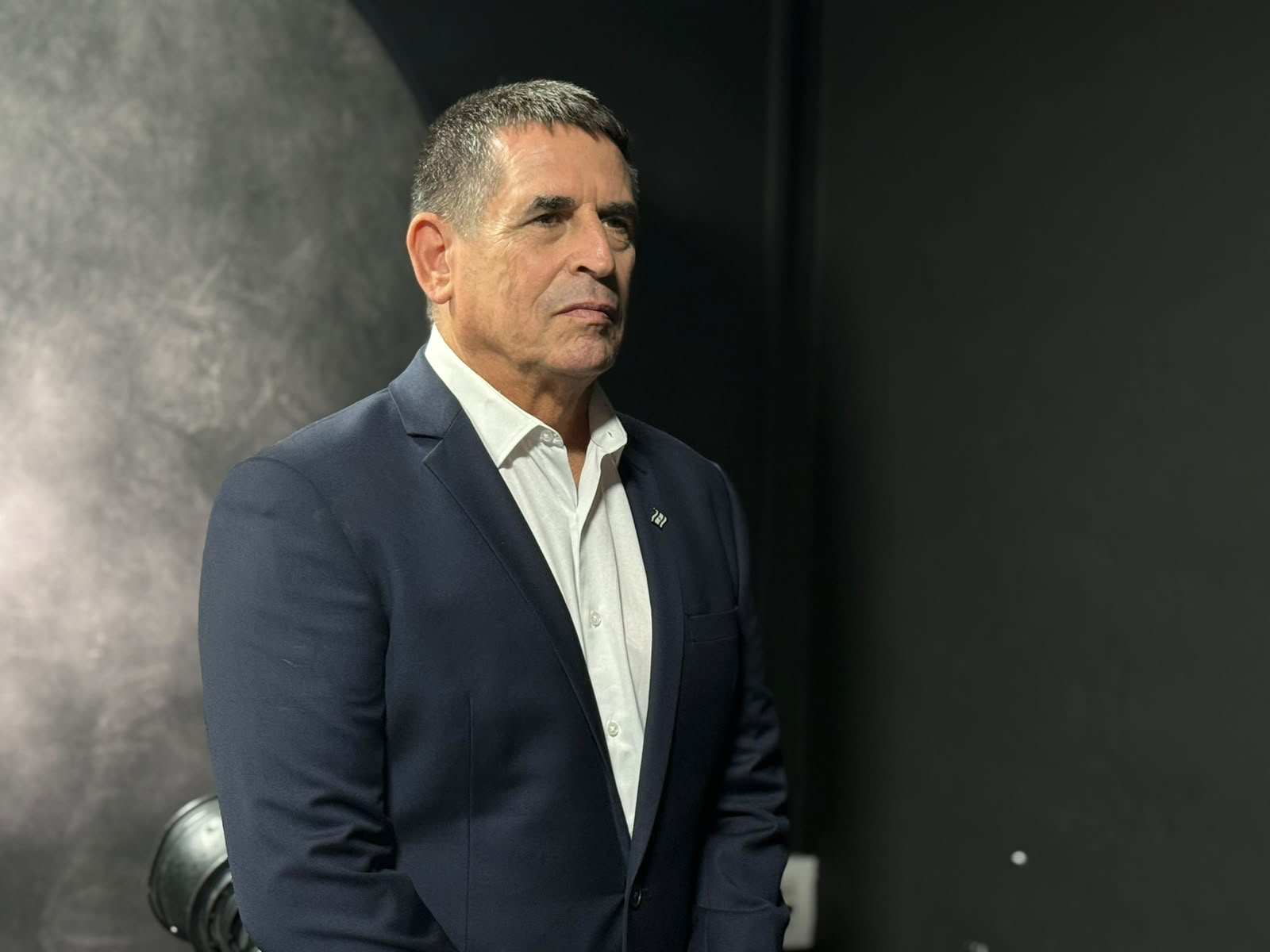
Since Ra’am’s convention in late August and Segalovitz’s formal announcement that he was joining the Islamist party’s Knesset slate, the move has attracted significant interest far beyond Israel’s borders. “I didn’t realize in advance just how much of a political event this would be for people around the world. I’m being flooded with requests from American and European media outlets,” Segalovitz said.
“At first, I didn’t understand why it interested them, but the nuances of Israeli politics matter to them,” he said.
Segalovitz spoke to The Times of Israel on September 14. The interview has been translated and edited for clarity and concision.
The Times of Israel: Four years have passed since you were directly involved in the effort to curb violence and crime in Arab society. What steps will you have to take if you return to government?
Yoav Segalovitz: What has changed is that, unfortunately, they simply stopped dealing with the issue. Reducing crime in Arab society is no longer a government objective. The prime minister does not deal with it, there is no real ministerial team, and no one is taking a broad view of how to tackle the problem, as I did at the time.
The truth is that I hoped they would continue, regardless of the political situation, but there was no real continuation, and the murder figures skyrocketed. People talk about the murder victims because murder is the most serious offense, but murder is merely the most extreme manifestation of criminal terror. Enforcement has to be broad: firearms, protection rackets, reckless driving, the whole fundamental sense that there is no law and no accountability. That is exactly what is happening today.
But what specifically are you planning to do in terms of action?
The next government needs to immediately pull the emergency brake, connect all the systems, and recreate the weekly roundtable I used to run. All government programs need to define [tackling crime] as a primary government objective, and then the response has to be handled with absolute professionalism.
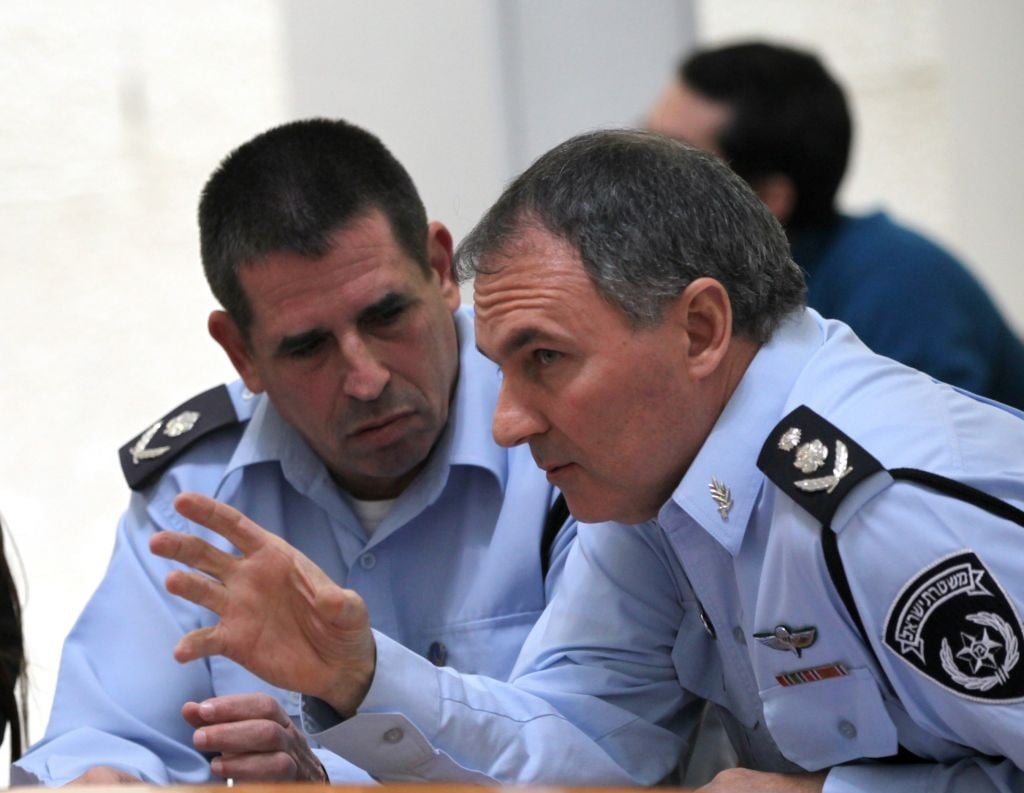
In addition, a broader campaign against protection rackets is needed. This includes bringing in additional agencies, breaking [victims’] fear of the criminals, and establishing active connections with the relevant bodies and government ministries dealing with the issue.
Another critical element is focus areas. For example, if Rahat is quiet, the outskirts of Rahat will also be quiet. Rahat is currently in turmoil, so it needs to be one of those focus places. In the past, there were at least eight or nine places around the country that were designated crime hotspots. When I take up a position in the government, I will be able to examine the data in depth. Today, I learn from the media and other sources; I don’t have the raw intelligence data that the police possess.
The crime figures point to a clear pattern. Most of those murdered are young men, and most of the murders are committed with firearms. What can be learned from that?
As for crime among young people, I hope that a transition year and two years of civilian service are among the things that are supposed to provide an answer to this.
Ultimately, crime requires capital, so the sources of funding must be dried up. When someone sends a teenager to shoot at a house, or to extort someone, somebody is paying him. If the person sending him has no financial oxygen, then crime can be reduced.
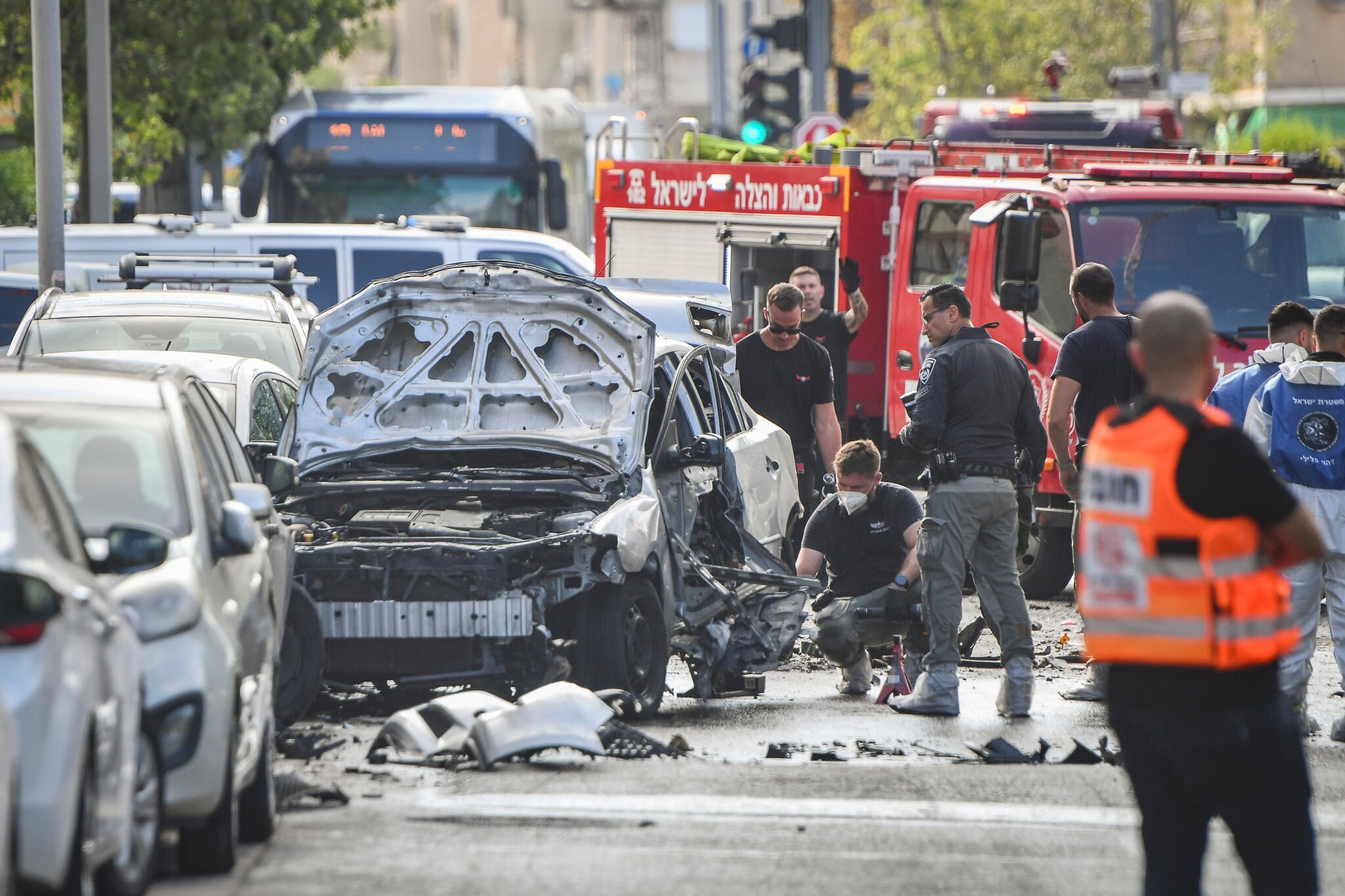
How are you received today in Arab society, as someone who once was a senior police officer and a representative of the state and its security forces?
There is nowhere I go where I am not welcomed with open arms. I walk around, and people wave to me from their cars, come up, and hug me. I feel wanted. I have been dealing with crime in Arab society since 2019. During our time in government, the figures fell dramatically. I am in constant touch with the heads of local authorities, and I am present there even though I don’t speak the language.
How has your move been received in Jewish society?
Within the security mainstream, former police district commanders, police commissioners, IDF chiefs of staff, generals, and department heads have embraced the move. They tell me, ‘Good for you, thank goodness you did it.’ In Jewish society, I hear positive things even from people who wouldn’t vote Ra’am. As for the far right, I don’t have to tell you — they talk about [religious] coercion, jihad, and Hamas.
There is no chance we won’t cross the electoral threshold. Turnout in Arab society will be higher, and Jews will also actively vote for Ra’am. We are already seeing that in our internal polling.
What is truly interesting is the response on the moderate right. I assume it confuses people. They don’t like what I did partly because it fundamentally changes the way everyone has to look at things. Among the center-left, there is enormous, massive enthusiasm.
This goes beyond the political story and the question of whether [the anti-Netanyahu bloc] will get 61 seats after the election. There is profound significance in the fact that someone is refusing to play by the rules the right has set. I get responses like, ‘Where did you find the courage?’ ‘You gave us hope,’ and ‘You gave us a sense of optimism.’
Ra’am is polling at four seats in some surveys, both before you joined and afterward. Are you worried about not crossing the electoral threshold?
There is no chance we won’t cross the electoral threshold. There are discrepancies between the polls, ranging from four to six seats. I estimate that it will end up at six to seven seats. Among other things, this is because turnout in Arab society will be higher, and Jews will also actively vote for Ra’am. We are already seeing that in our internal polling.
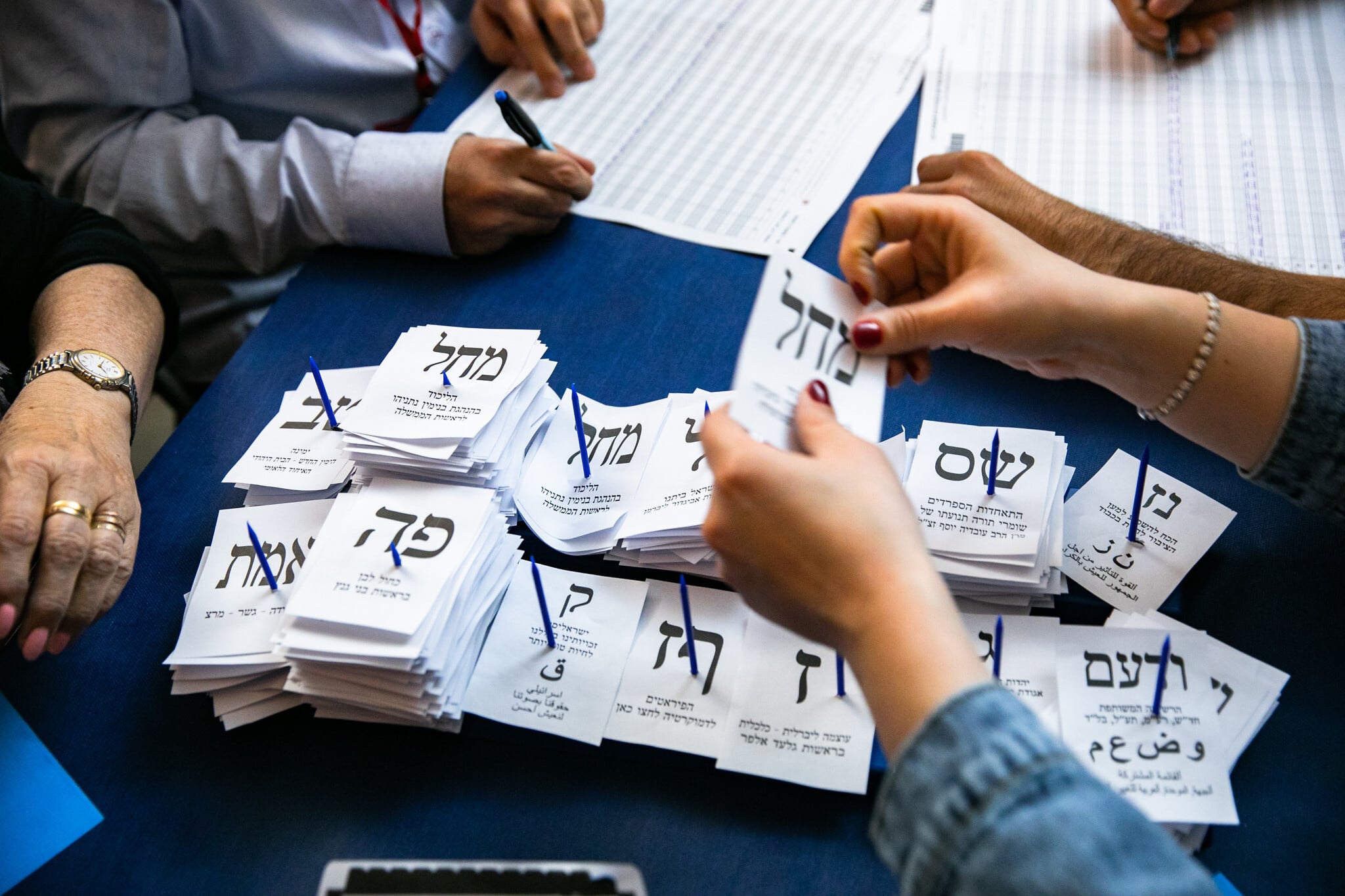
In your police roles, you dealt with sexual harassment and assault, but in Ra’am those issues are not on the agenda. How do you view the issue?
There is less discussion of sexual harassment because it is a religious society. Arab society is on a delay when it comes to sexual harassment, violence against women, and everything related to this field. It is a conservative society, including among those who are not religious.
As someone who led law enforcement efforts on these issues, don’t you feel out of place in a religious, conservative party?
At the end of the day, if something happens, God forbid, I will respond exactly as I have in the past. The question is what happens socially. On the one hand, a conservative society often conceals things. On the other hand, it can be tougher in how it deals with them, depending on where things go.
In many ways, it is not my world. This is a religious party and I am secular, but Ra’am does not take the lead on these issues, precisely because it is an Arab and religious party.
What about LGBTQ rights? You moved from Yesh Atid, a liberal party that took a leading role in representation on this issue, to a religious and conservative slate. How will you vote in the Knesset on these matters?
That is among the differences I have with Ra’am. The very fact that they are a religious and conservative party and I am secular and liberal creates gaps. It will be tested in the Knesset when these matters come up. I will try to persuade them to go with me; if I fail, I will go my own way. I won’t do anything just to provoke them. There will be dialogue between us, but I will go my own way. There will be no party discipline on this issue.

Abbas has spoken about changing Ra’am’s constitution and severing ties with the Shura Council — the religious consultative body of the Southern Branch of the Islamic Movement that steers Ra’am’s political choices. Where does that process stand, and how can you be sure this is more than mere declarations?
There was no chance I would join a slate directed by religious leaders. There is a fundamental difference between religious people being candidates and a party operating under the direct guidance of a religious leader. On August 22, there was a convention at which the formal separation from the Shura Council took place. I joined [the party’s slate] afterward.
The approval to reserve the No. 2 slot for me was given by the plenum, a body of 38 people, including both secular and religious members, not by the Shura Council. Mansour [Abbas] worked on this process for eight or nine months. There will no longer be a situation in which they wait for a political ruling from the Shura Council, as happened during the [Bennett-Lapid] change government.
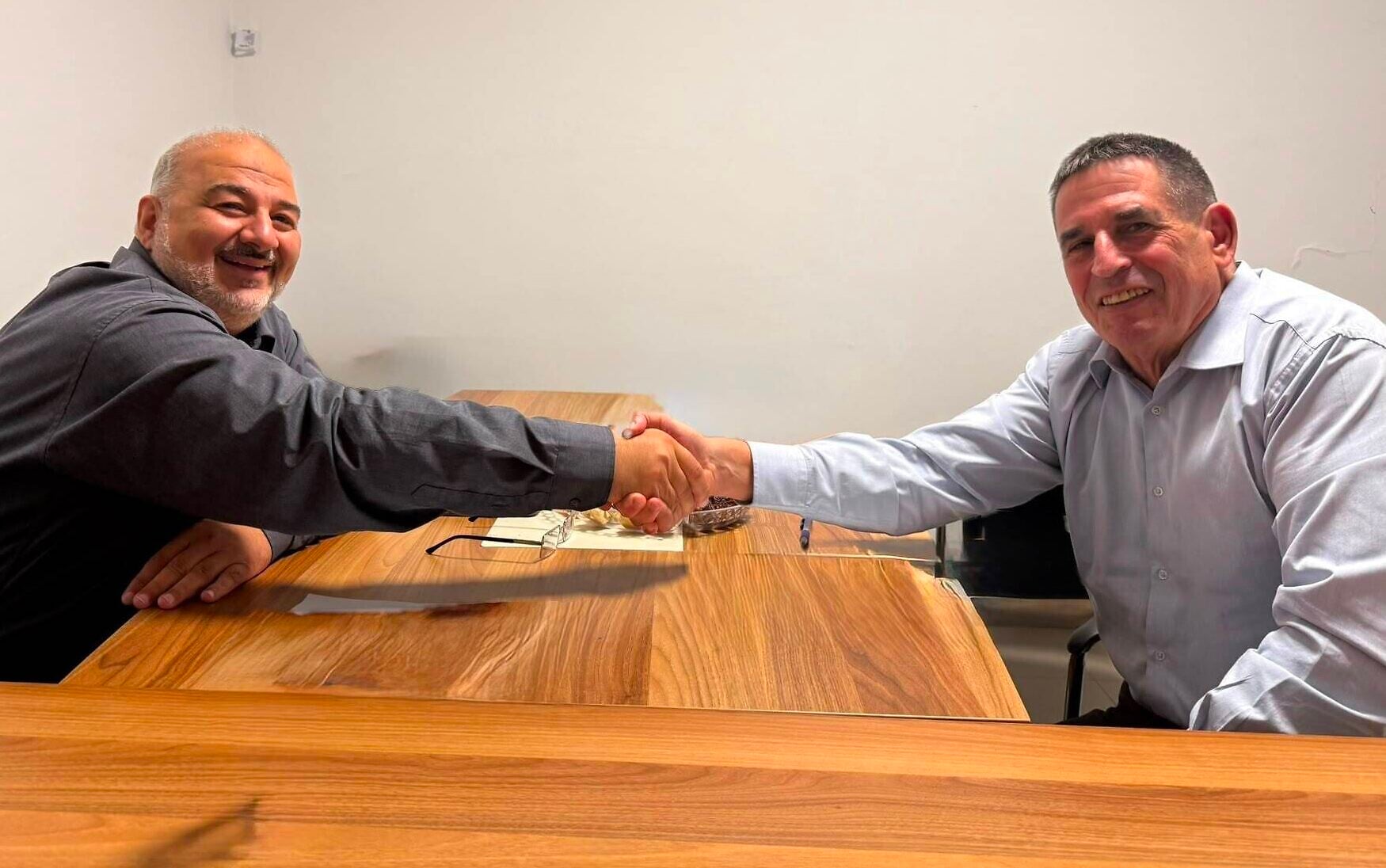
But the party still needs the religious institutions and calls from imams in mosques urging the public to vote. How does that square with the institutional separation from the Shura Council?
The call to vote does not take place through the Shura Council. Not all imams in mosques are Ra’am supporters. There are also quite a few secular Muslims who support the party, and it should be noted that not all heads of Arab local authorities belong to one party or another. But many actively prefer Ra’am’s pragmatic line.
When I visit local authority heads on my tours, I don’t ask which party they belong to, because they too, as heads of local authorities, need to maintain working relations with everyone.
Do you want to be part of the next coalition? Any coalition?
I very much want us to be part of a change coalition. If Ra’am reaches an agreement with Likud, I will not be there, and in my view, Mansour will not want that either. People don’t understand what has happened in Arab society over these past four years.
The central issue for Arab society is violence and the leadership’s failure to address it. This includes severe incitement and the entire leadership, from Netanyahu down, acquiescing to incitement against Arabs. There have been extremely harsh statements by [Itamar] Ben Gvir, [Bezalel] Smotrich, and May Golan against Arabs, unfortunately with Netanyahu’s backing. These are phenomena that simply did not exist a decade ago.
Netanyahu these days thinks only of himself and his own survival, and he has absolutely no inhibitions. The result is that Arab society is suffering greatly. People are afraid to walk in the street. They don’t go out after dark.
In any case, we will want to make a [post-election] recommendation [for prime minister] at the President’s Residence and join a coalition. Abbas has already been part of a coalition in the past. Our goal is to influence what happens in the country. We want to break down the walls and the right-wing paradigm, and bring an end to this toxic and dangerous discourse. You cannot live inside this poison for years. It is a danger to national security.
Do both you and Abbas aspire to serve as ministers in the next government?
A position of influence means being a minister, so of course. But we have to wait for the election. There is no written agreement between Mansour and me. Politics is also about interests, but there is trust in it too. There is deep trust between us, and that gives us a great deal of strength.
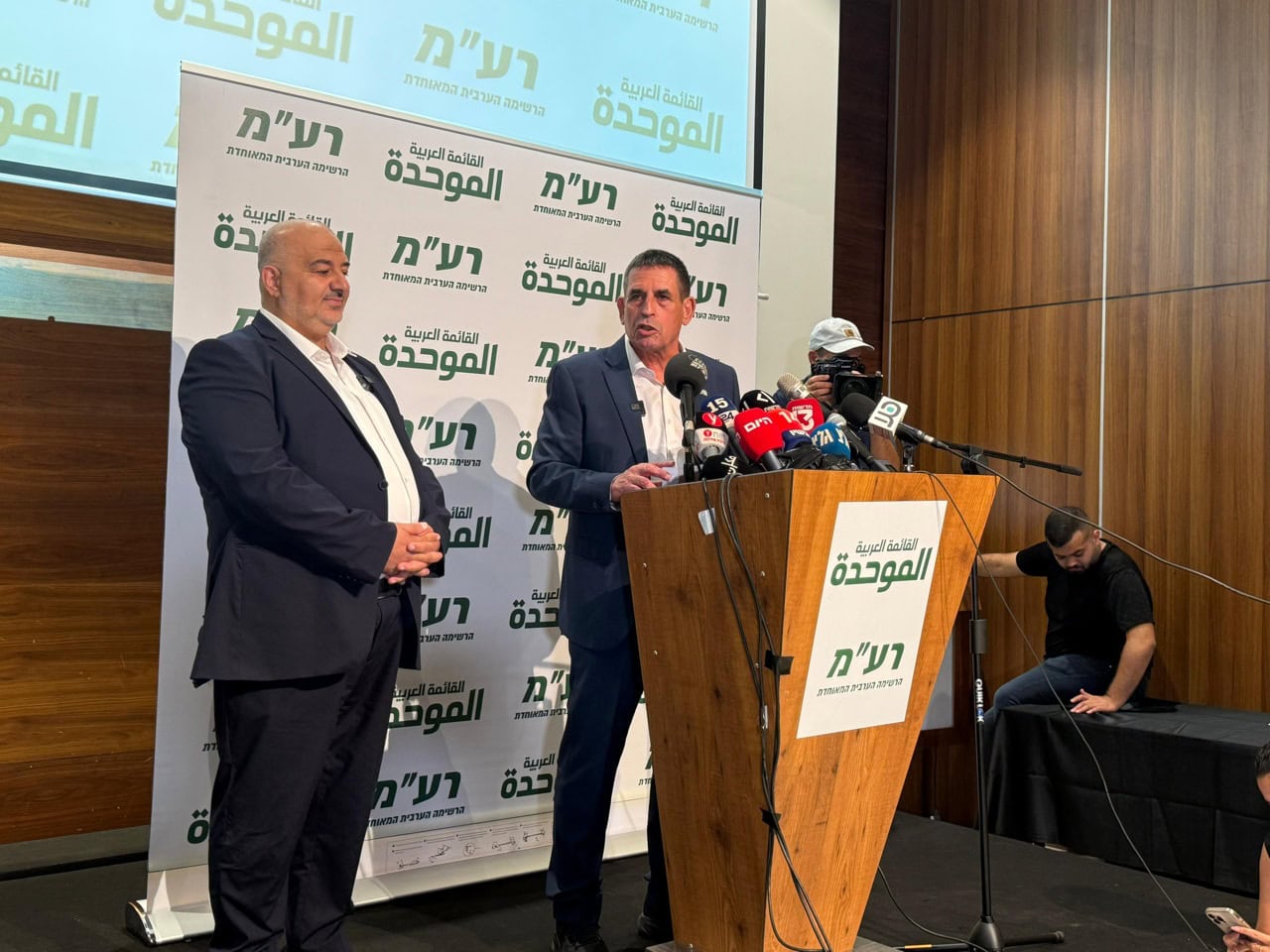
At the launch of this partnership, we stood at a hotel in Nazareth, and I said: ‘I am a Zionist, an army officer, an Israeli patriot, a police major general, and you are a Muslim Arab, conservative and religious.’ The people who came to cover the event applauded.
We are as different as can be, and that difference does not frighten me. In hospitals, high-tech, and the media, those same walls do not exist, but in politics of all places, the walls are incredibly high. That has to change.
The place that generates the most negative energy is politics. Even in the center-left, they play on the field set by the far right. I am not willing to play on that field. It was not always like this. Years ago, the Labor Party had an Arab branch headed by Raleb Majadele. Today, they don’t have that. They have a representative from the Arab population, but they have no party infrastructure in Arab communities.
There are many barriers between the communities. One of them is language, and I am an example of that because I don’t speak Arabic. Right now, I am looking to the future. We need to prepare plans for the next 15 to 20 years. Unfortunately, no one cares about the Arabs; they are the country’s backwater. So the big thing is first to break the political paradigm. Once it is broken, change will begin. I see myself as a kind of bridgehead.



The Times of Israel Community.