Add ToI as a Preferred Source on Google
Calmly peeling a clementine for the children, one of her Hamas captors told hostage Shoshan Haran that the four terrorists holding her and her loved ones in Gaza were no different from those who had slaughtered men, women and children during the bloody October 7, 2023, invasion of southern Israel — cold-blooded murderers.
“What they meant was that while their job at that moment was to guard us and keep us alive as bargaining chips, if someone came to try to rescue us, they would kill us,” Haran said. “It was too much for me to bear. I put it aside and only later let the meaning sink in.”
Haran, who was among 251 people abducted to the Gaza Strip on October 7, sheds light on her captors’ core beliefs in her new book, “Mission in Captivity: One Woman’s Struggle to Survive and Save Her Family in Gaza,” available October 6.
Haran describes conversations she had with the Hamas members who held her at gunpoint, painting a sobering picture of the effects of nearly 20 years of Hamas rule on the mindset of the Gaza population. Yet she also offers some thoughts about what it might take to begin changing their attitudes.
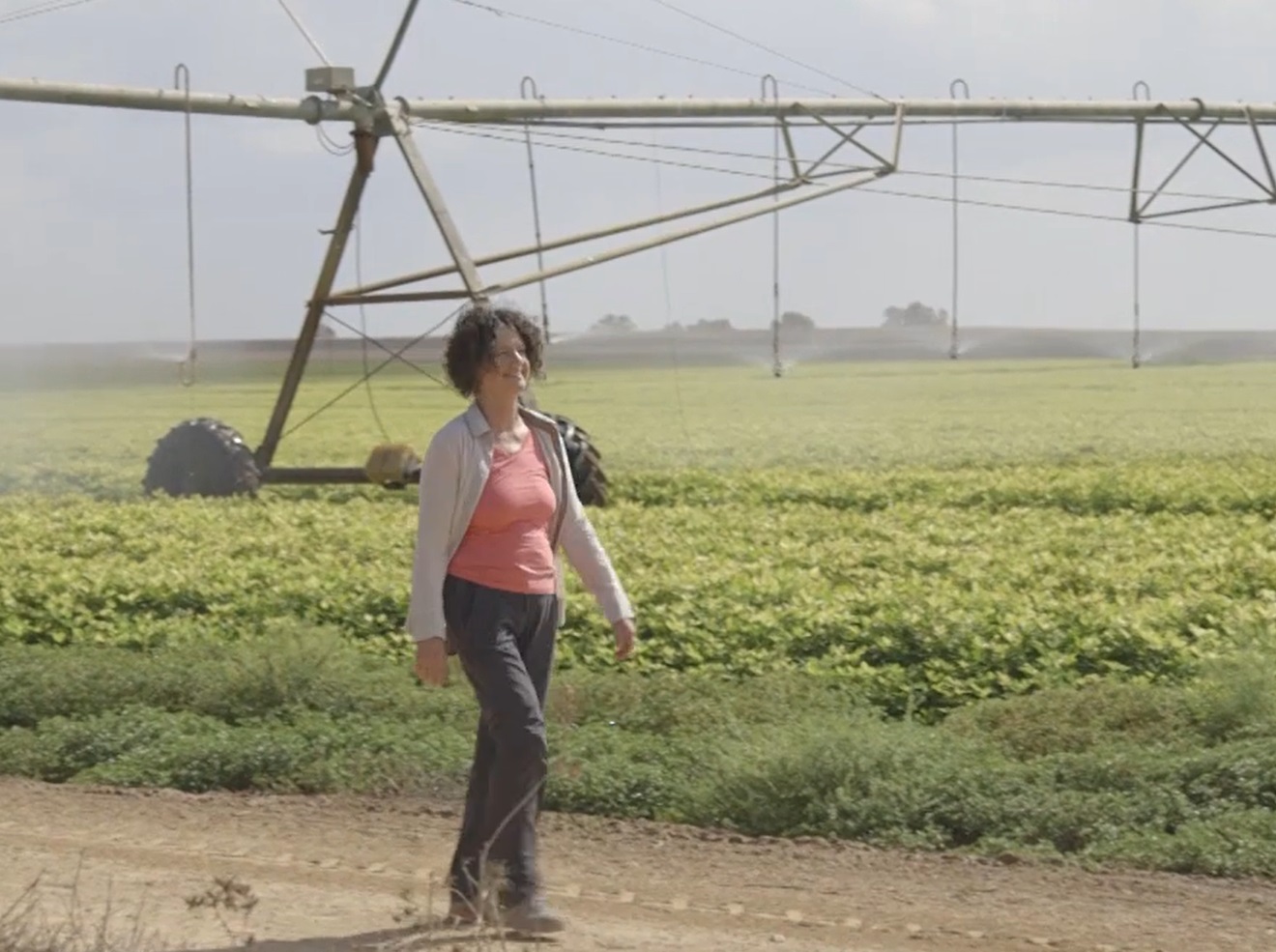
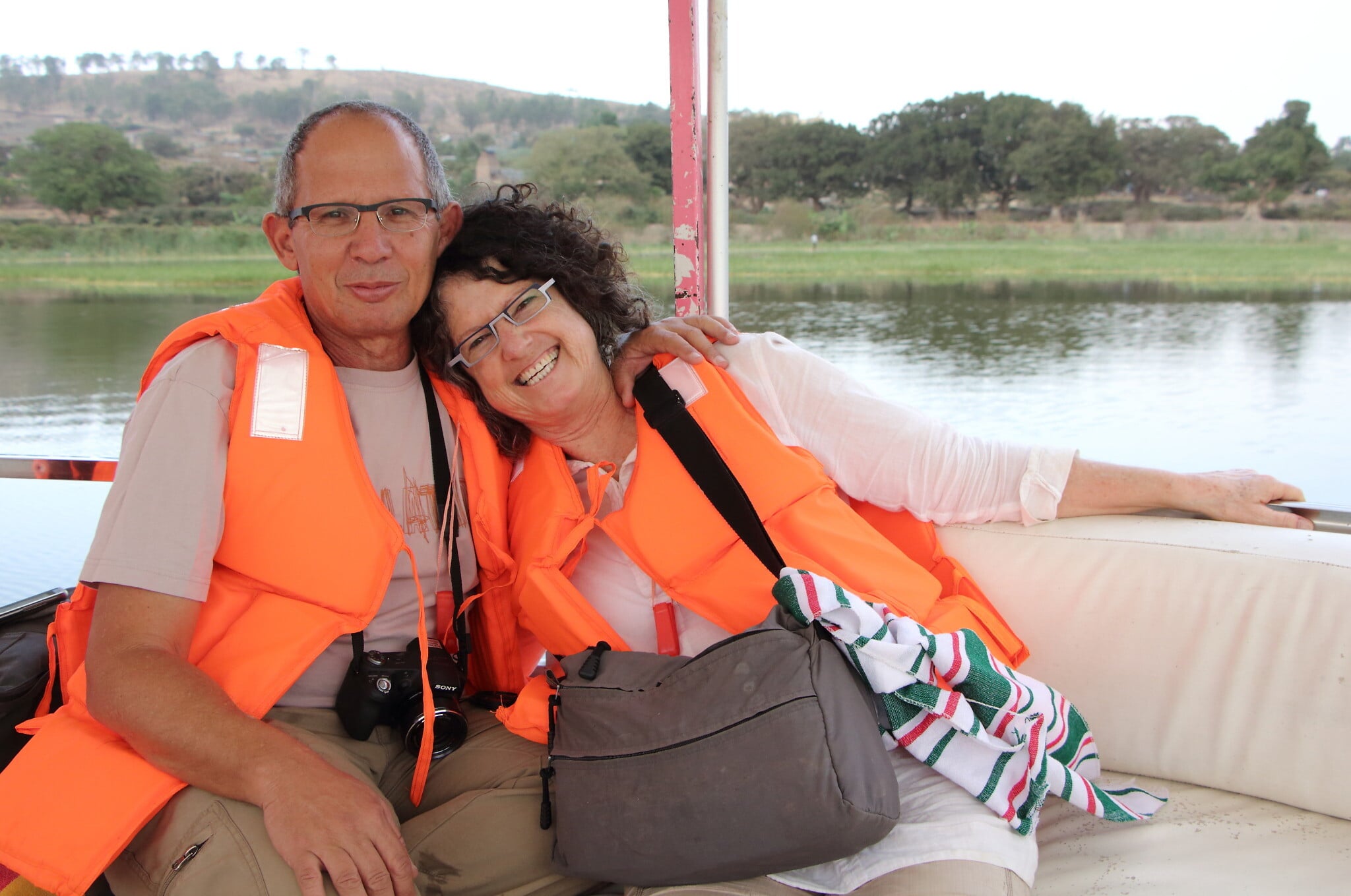
During the weekend of the Simhat Torah holiday in October 2023, Haran divided her time between preparing for a trip to the Netherlands and looking after family members who had come to celebrate the holiday with her and her husband, Avshalom, in their home at Kibbutz Be’eri. On her trip abroad, Haran planned to update a major seed producer about progress made by Fair Planet, the NGO she founded to help smallholder farmers in Africa improve their crops.
Her guests included her daughter Adi Shoham and son-in-law Tal, their two children, Naveh, 8, and Yahel, 3, as well as Avshalom’s sister Sharon Avigdori and her 12-year-old daughter, Noam.
Early in the morning of October 7, air-raid sirens shattered the idyllic atmosphere, and the family quickly crowded into their safe room. Hearing gunfire and Arabic-speaking voices outside, the adults hushed the children and hoped to remain undetected, but after Hamas terrorists smashed down a wall with a bulldozer, they surrendered.
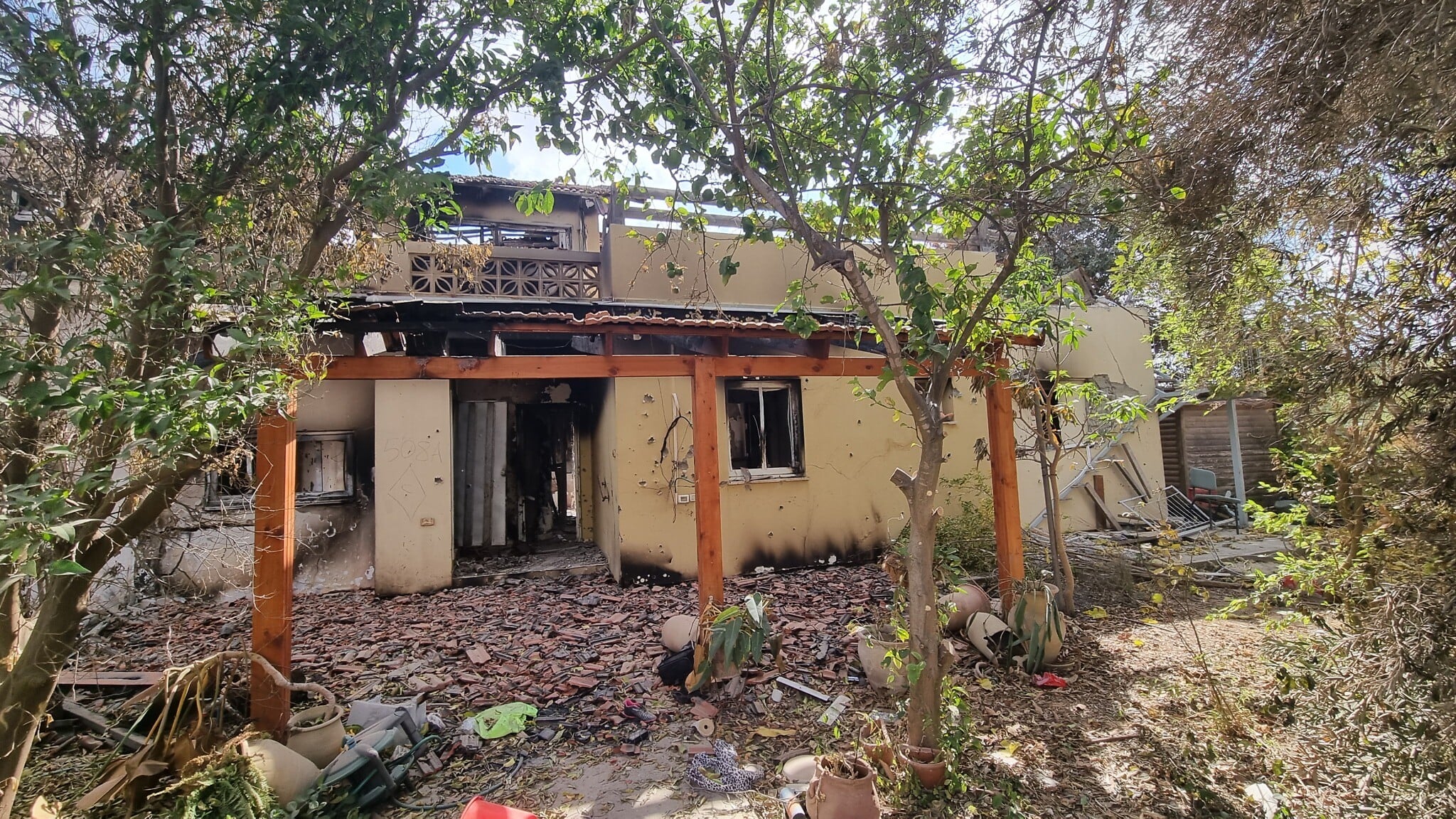
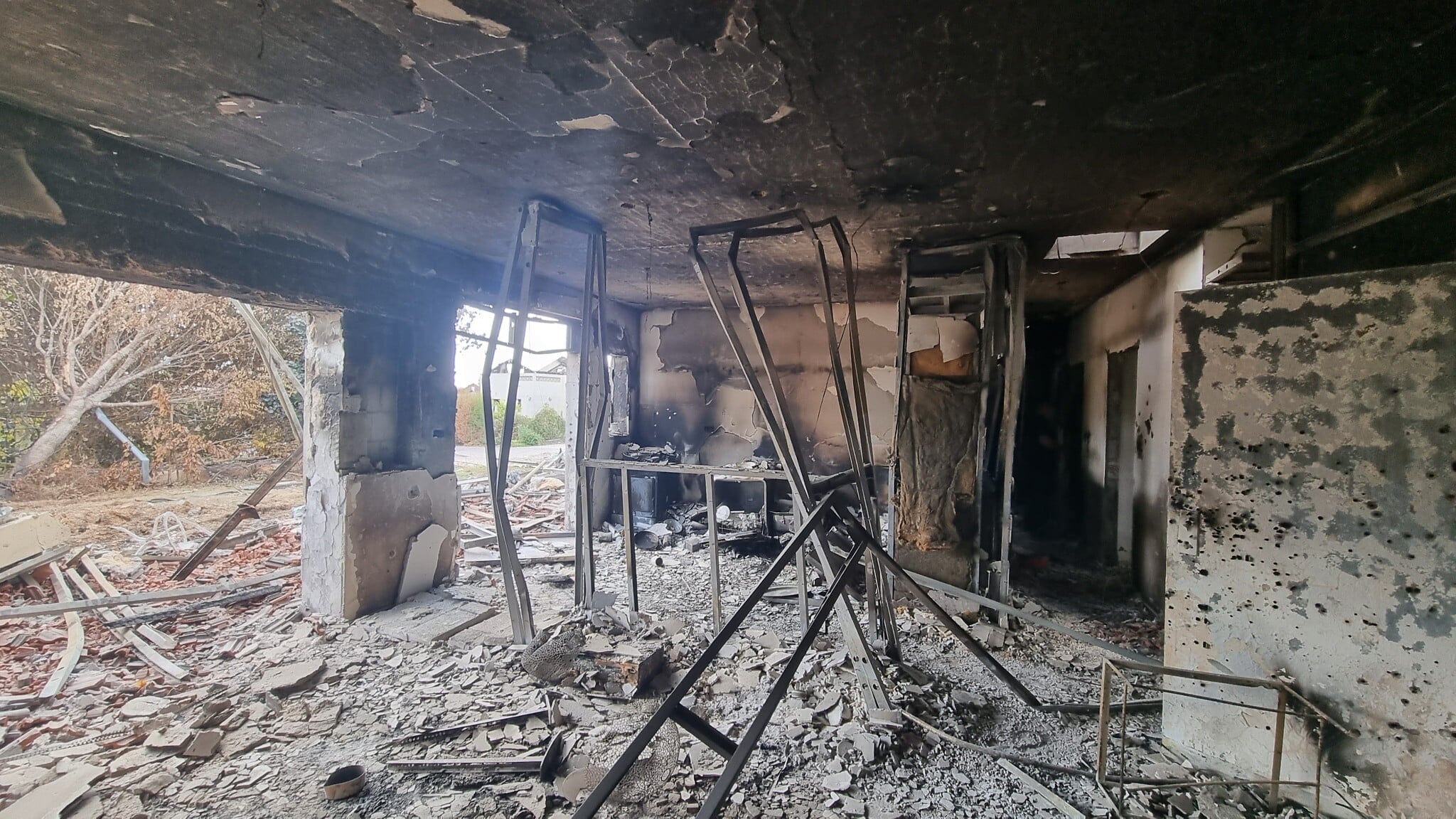
The terrorists separated the women and children from the men and forced them into a vehicle. As Haran left the kibbutz — barefoot, in pajamas, her hands tied behind her back — she saw the bodies of some of the more than 100 kibbutz members murdered in the attack strewn along the road. She also saw smoke rising from the home of her sister, Lilach Kipnis. She would later learn that Lilach, her husband Eviatar, and his caregiver, Paul Castelvi, had been murdered, along with Haran’s own husband, Avshalom.
Arriving in Gaza, the then-67-year-old grandmother and her family were taunted by a large, unruly crowd that had filled the streets as news of the bloodbath in Israel quickly spread. The terrorists rushed the hostages into an apartment, which Haran would later learn was the home of a well-to-do Gaza doctor.
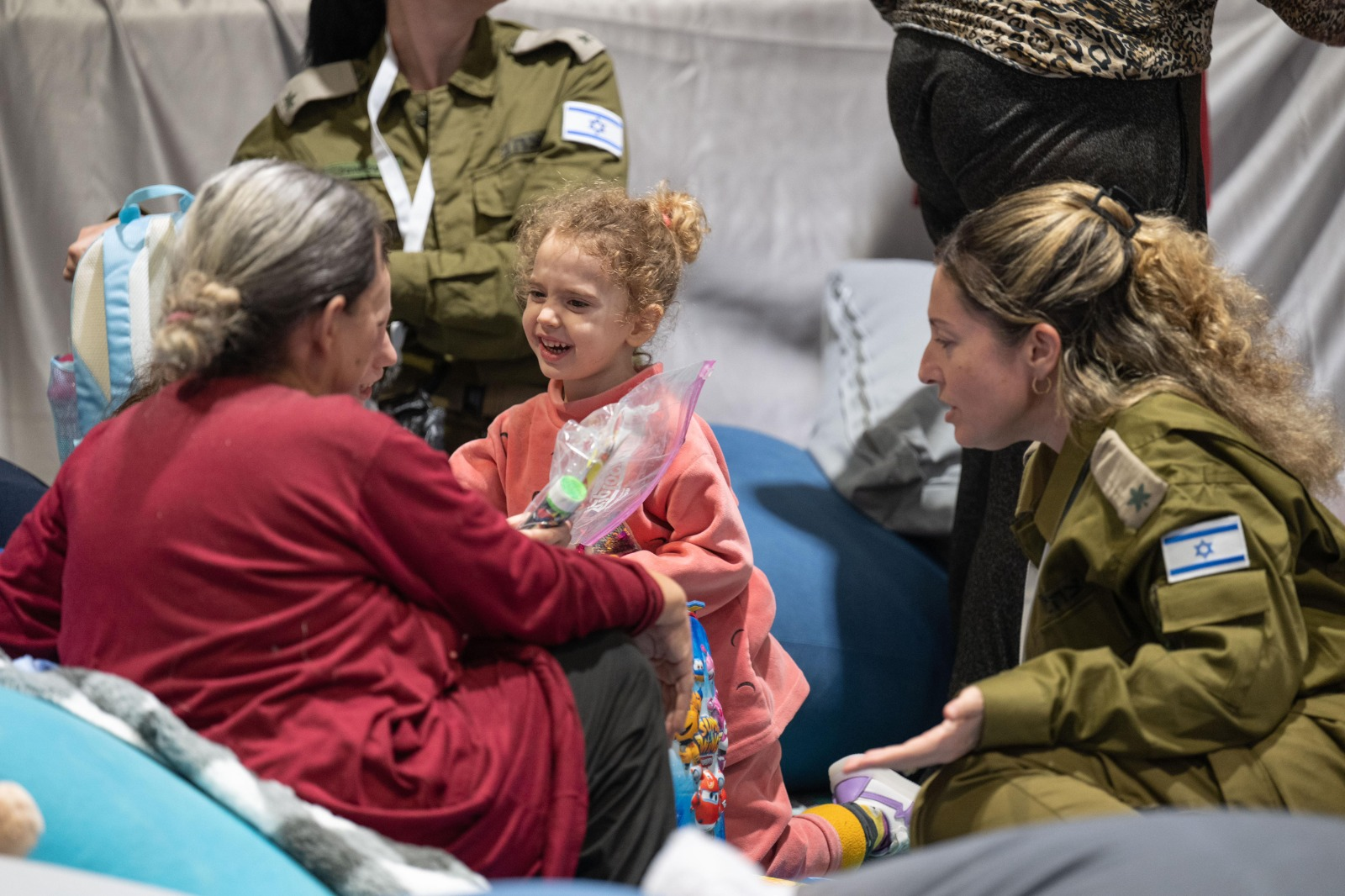
She and her family members were kept hidden in a windowless room where they were constantly guarded by four high-ranking Hamas members. Through a mix of courage, ingenuity, and people skills, Haran says she engaged her captors in long conversations, which helped keep the terrorists calm and even led them to treat the hostage children “kindly,” sometimes playing games with them.
Through these talks, she learned a great deal about the jihadist Hamas mindset.
“From the age of 7 they had been brought up in an education system controlled by Hamas,” Haran said in an interview with The Times of Israel. “They were taught that we are the Satan and that they have to destroy us, and then the entire world has to be Islamic.”
Only by removing the Hamas ideology from Palestinian schools, she proposes, can there be any chance of rectifying the situation.
Failure of the coexistence conception
Her captors, she learned, each received NIS 800 ($265) a month from Hamas, which was on par with the average wage in the private sector. Two of them were married with children, and although they had studied engineering and finance at university, none had been otherwise employed.
Their discussion about money led one of the captors to note that they were aware that Gazans who worked in Israel earned far more than they were paid. This led Haran to wonder about the Gazans who had worked at Kibbutz Be’eri. They regularly ate together with kibbutz members in the communal dining hall, and she herself had developed close relationships with several workers who helped renovate her mother’s house.
“We thought that because they were being well-paid, earning enough to support their families and developing friendly relations with us, this would lead to building understanding between our two nations and form the basis for coexistence and peace in the future,” Haran notes with irony in her book, adding that she now has come to be plagued by a chilling thought.
“The Gazans knew every small detail about our homes, including where the safe rooms were and who lived in every house. Could they have provided critical details to the Hamas terrorists? Could they or their family members have been part of the massacre?”
But while in captivity, Haran didn’t have time for this kind of introspection and she had to use her wits to keep the children’s morale up. One day, she told the children that she had spent the previous night in Africa by traveling through the magical chandelier hanging from the ceiling. The children played along and created fantasy journeys of their own.
None of her efforts, however, could erase the trauma the children suffered. Only long after their capture did Haran’s 3-year-old granddaughter Yahel reveal that she believed they had been kidnapped because she had cried while they were hiding in the safe room.
“Until then she carried the burden of feeling guilty and blaming herself for what had happened to us,” Haran noted.
Crusader for hostages’ release
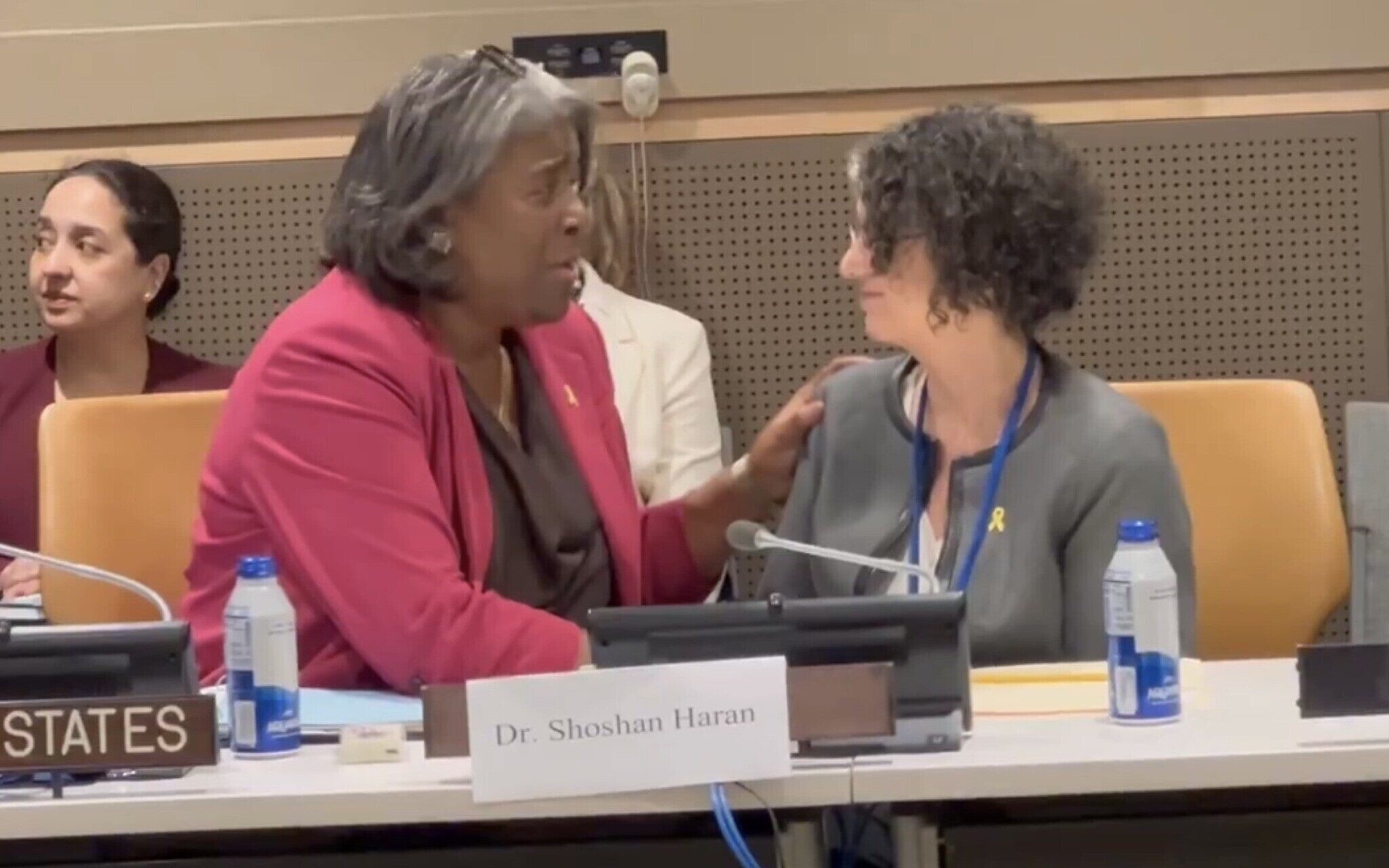
When Haran was among the 105 hostages released in late November 2023, she began campaigning for the release of those still being held, meeting with government officials and other influential leaders around the world. Invited by then-US ambassador to the United Nations Linda Thomas-Greenfield to address the Security Council in May 2024, Haran argued that the best way to help Palestinians was to free the hostages, because that would end the war.
While at the UN, she met with an official dealing with terrorism.
“I told him that the key to ending terrorism was to stop the funding,” she recalled. “If the Security Council declared Hamas a terrorist organization, all member countries would be barred from funding it. That would drastically reduce the problem. But Russia and China won’t agree to that, so it doesn’t happen.”
Her campaign also brought her to many North American Jewish communities, where some would reference the Holocaust when discussing the October 7 atrocities.
Haran emphasized that the existence of a Jewish state today should not be overlooked.
“I pointed out that one big difference between the Holocaust and what happened to us is that during the Holocaust nobody came to rescue the Jews,” she said. “The Nazis knew that no one would defend them. But Hamas knew that Israel would go to war to try to rescue us. We were bargaining chips. During the Holocaust, there was nothing to obtain in return.”
Some encounters with Jewish groups deeply upset her, Haran said, such as when she was invited to speak at a large progressive synagogue in Manhattan one Shabbat, where the congregation asked her to say a prayer for the hostages but weren’t willing to include one for the welfare of the IDF.
“Then, at the luncheon afterward, the hostess made a very infuriating remark,” Haran said. “Referring to the Women Wage Peace organization that my sister and I belonged to, she said, ‘We were not fast enough to make peace.’ As if because we hadn’t done enough, the Palestinians had no choice but to attack and kill us. It drove me crazy. She was placing all the responsibility for the war on us, as if the other side was in no way accountable.”
Hamas keeps Gazans in a cycle of poverty
In her book, Haran details the enormous sums of money — an estimated $50 billion — that Hamas-ruled Gaza received from international aid agencies and governments since the terror group came to power in 2007.
“People like that hostess picture the Palestinians as poor and helpless,” Haran said. “But they actually do have many very capable people. It’s just that they use their resources to build tunnels and attack us.”
After the release of the final hostages, Haran traveled to Ethiopia — for real this time, not just in a story — to meet local agronomists who had taken over the work her NGO had started.
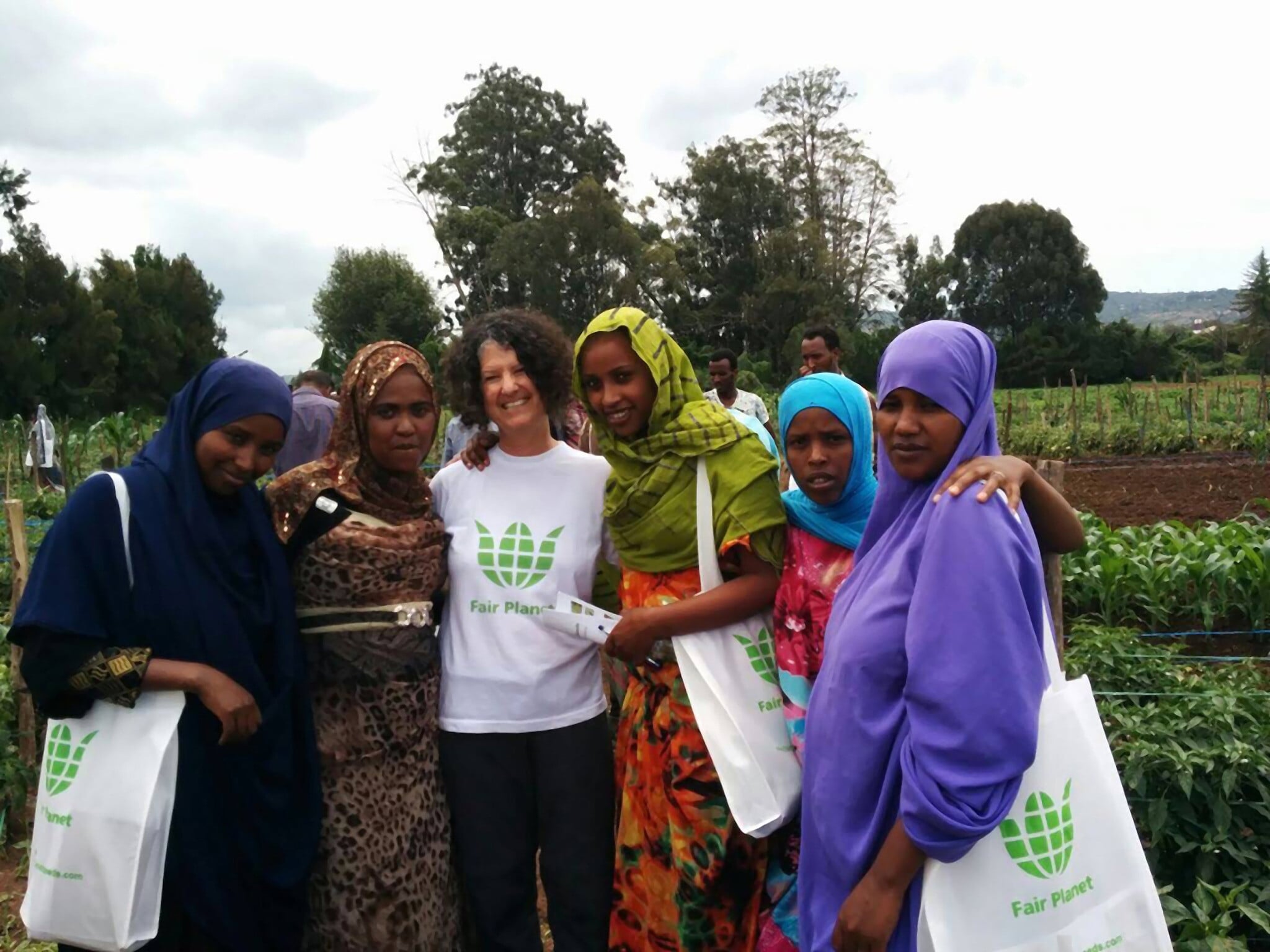
Although Fair Planet has had to close its operations, Haran points out that the impact of her work can still be felt in Ethiopia.
“The area is now flourishing,” she said, noting that better tomato seeds have led farmers to significantly increase their income through higher crop yields. “Our goal of attracting international seed companies to invest in Africa is happening, and the program can expand to reach more and more farmers.”
The trip reminded her of one of her conversations with her Hamas captors, when she told them how Fair Planet had helped African farmers escape the cycle of poverty.
“When they asked me if I could do the same for farmers in Gaza, I told them I would gladly do so,” she said. “But first, there would have to be peace.”

The Times of Israel Community.