

IDF steps up combat training for troops behind front lines after Oct. 7 exposes gaps
New military school provides ‘infantry-oriented’ training for soldiers from medical, logistics, maintenance, comms, HR, and even rabbinate units, citing lessons from Hamas massacre
 Add ToI as a Preferred Source on Google
Emanuel (Mannie) Fabian is The Times of Israel's military correspondent
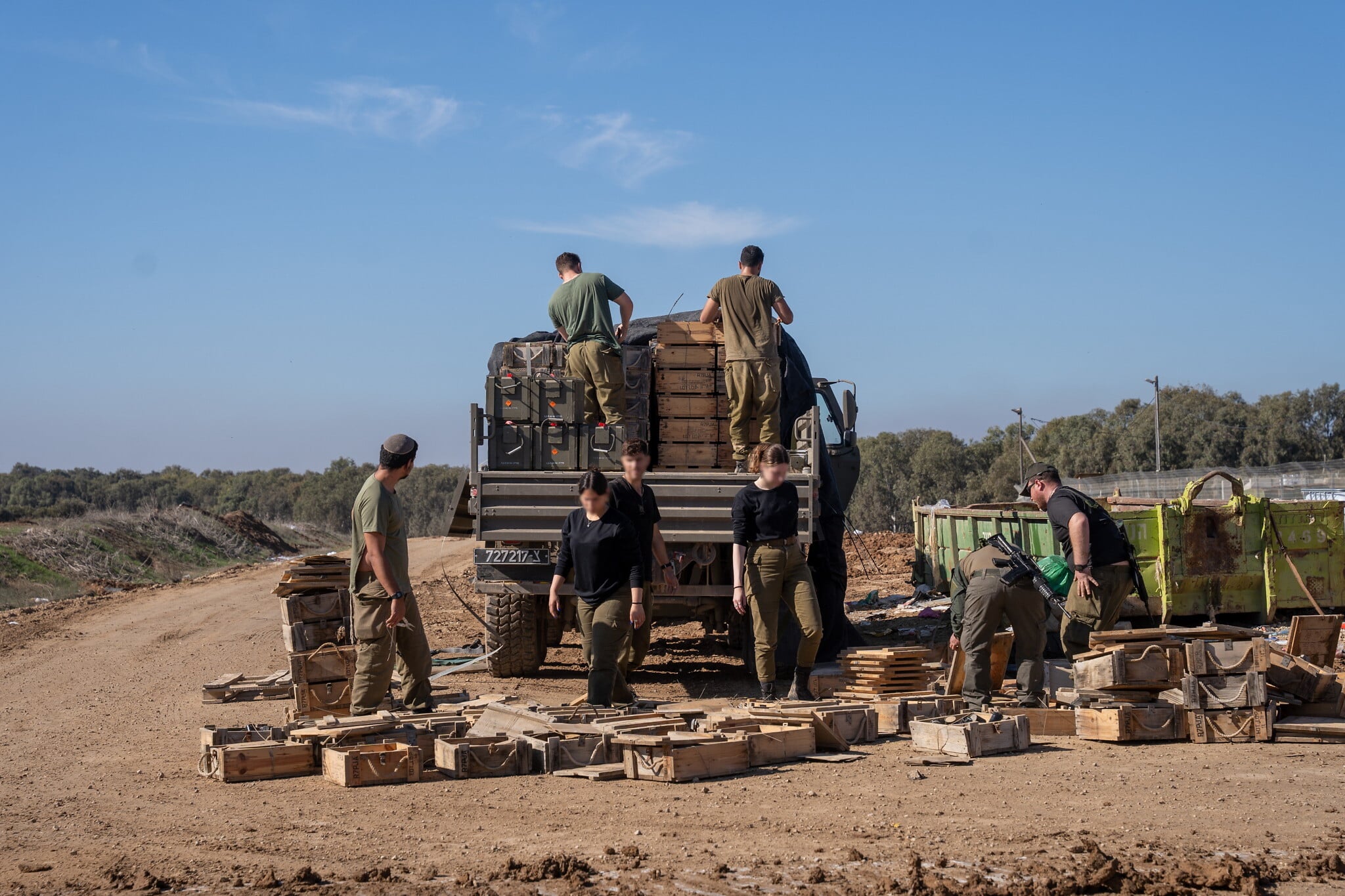
On the morning of October 7, 2023, “Shin,” a junior logistics officer whose administrative job had given him little experience in combat operations, found himself on the frontline defending against Hamas’s terror onslaught.
Cpt. “Shin,” — who can only be identified by his rank and first initial in Hebrew due to military protocol — rushed from his home to the Kissufim army post, where his company commander, Maj. Raz Peretz and troops had been stationed. Peretz was killed during the fighting for the outpost and adjacent community, along with 26 other soldiers.
Shin said he found himself “on a very difficult day of fighting,” during which he attempted to rescue his soldiers from the overrun army post — 12 of whom managed to get out alive. “I did not have the appropriate level of combat training for this,” he acknowledged to The Times of Israel in a recent phone interview.
Soldiers like Shin in the military’s administrative support companies provide combat battalions with various resources to facilitate their operations, including delivering equipment, ammunition, food, fuel and more. They also provide or coordinate maintenance activities, as well as other non-combat services the battalion may require.
At the end of the fighting in the Kissufim area, Shin took over as commander of the administrative support company of the Golani Brigade’s 51st Battalion, leading it during “long days of fighting” at the start of the war, he said.
Now, Shin is the deputy head of a new military school that aims to boost the combat training of combat support soldiers like himself, preparing them for the day when they may have to put down the clipboard and pick up a gun.
The commander of the school, a lieutenant colonel, told The Times of Israel that the new program “was established as part of the lessons of October 7.”
“We understood, across all the branches and corps, that the personnel in the combat administrative support companies need a more infantry-oriented and combat-oriented level of readiness to know how to deal with challenges,” she said.
Shin said that his experiences on October 7 and during the war raised a question: “How do you give such a level of readiness to combat administrative support companies, something they did not receive during basic training? And that is how the school was born.”
Until now, soldiers in combat support roles received minimal combat training, despite needing to enter war zones.
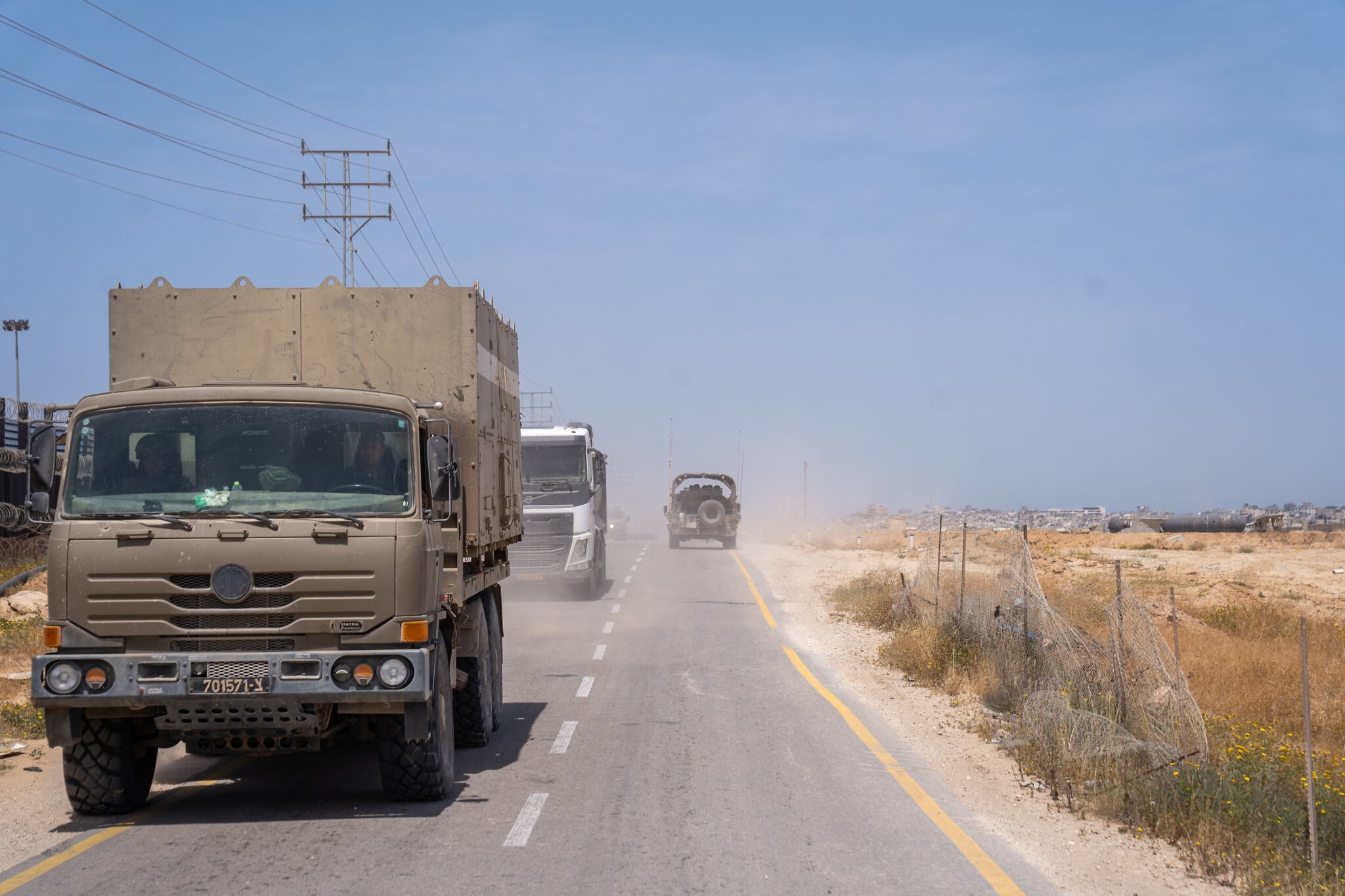
The new school provides several courses, including some focused on marksmanship, such as teaching the support soldiers how to operate various weapons in different scenarios. Another course teaches army drivers how to navigate vehicles through darkened war zones using night-vision equipment. And there are also courses for physical fitness and hand-to-hand combat.
The commander of the school said she and her deputy “both experienced all of October 7 and went through all the operational fronts. We were in all the enemy territory and went through everything.”
She said that their “firsthand experience” on October 7 and during the war has helped shape the courses the school offers.
The courses are intended for all support roles under the Technology and Logistics Directorate, and beyond, including medical, logistics, maintenance, signals, human resources, and even the rabbinate.
“Clearly, when you carry out a logistical operation there will be a combat force with you, but the [support soldiers] need to know that if they encounter an enemy, how they will kill a terrorist. They need to be confident in their ability to handle a situation,” the lieutenant colonel said.
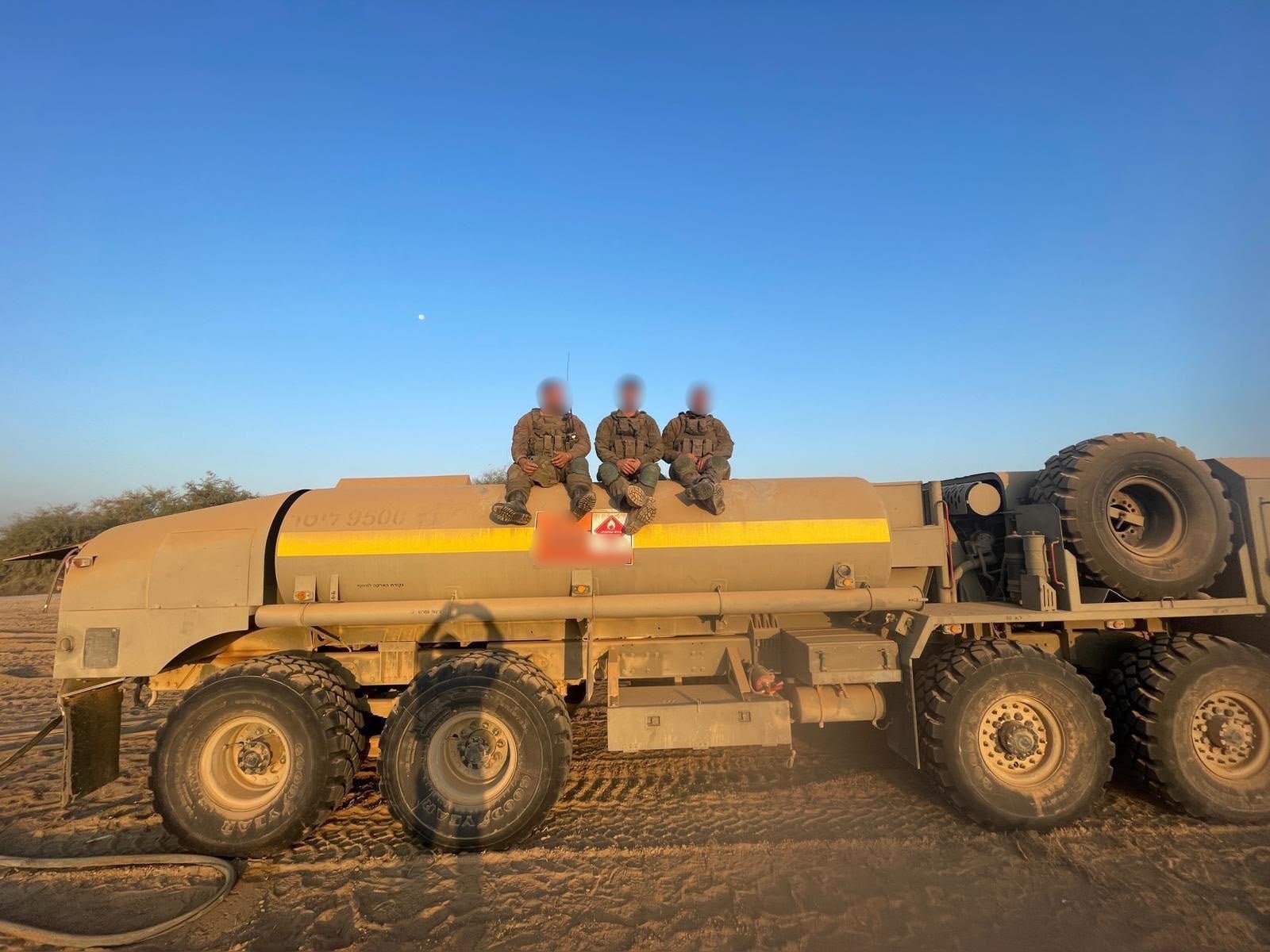
The courses are not yet mandatory, but the school is pushing to train as many non-combatants as possible in the meantime, traveling to their bases to provide instruction.
“We leave no room for excuses,” Shin said. The school feels itself responsible for “giving [soldiers] the tools that will be at their disposal” when things turn sour.
The school commander noted the importance of the support companies’ roles. Without them, the combat battalions “won’t have all the means required to continue the fighting: Supply of spare parts for the various armored vehicles, equipment, evacuating wounded, food,” she said.
“This force is critical and important, and therefore it is also important to us to provide the right tools and means to continue operational continuity,” she said.
Shin said that “when I sit with my family and friends at home, we talk about a complex and difficult event like October 7; they ask what the army has learned, what have we changed.”
“I like to say that we have changed,” he said.





The Times of Israel Community.