

Israeli, US scholars to outline redress for Oct. 7 rape victims on attack anniversary
Brandeis University conference to discuss legal ‘roadmap’ for prosecuting conflict-related sexual violence, which could apply to other regions too
 Add ToI as a Preferred Source on Google
Luke Tress is The Times of Israel's New York correspondent.
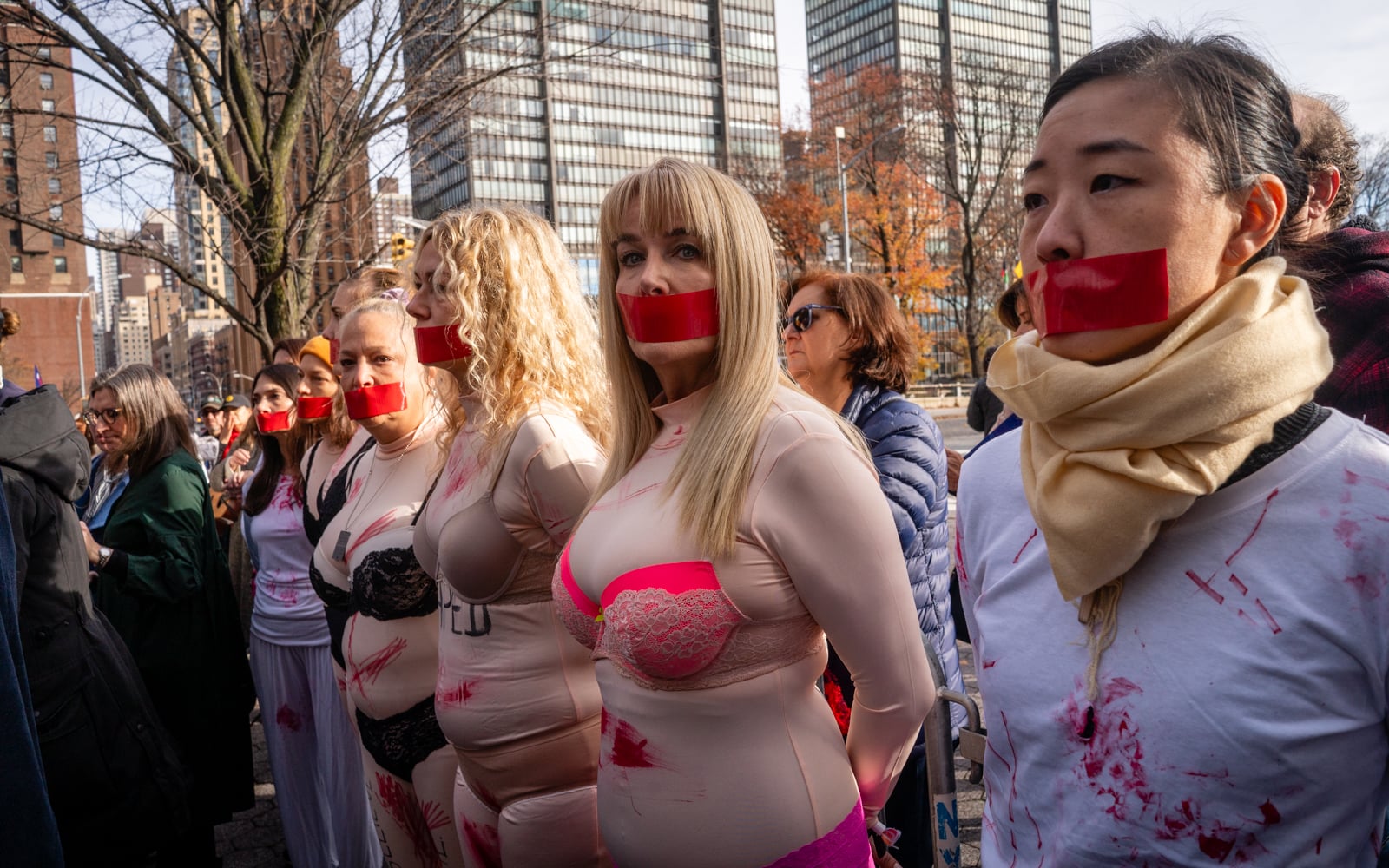
Scholars from Israel and the US will outline legal frameworks for addressing conflict-related sexual violence against Israelis and other victims at a US conference held on the anniversary of the October 7, 2023, invasion of Israel.
The conference at Brandeis University in Massachusetts, “Conflict Related Sexual Violence and the Legacy of October 7,” will convene legal scholars from the university’s Hadassah-Brandeis Institute Project on Gender, Culture, Religion and the Law and the Israel-based Dinah Project.
The Dinah Project, housed at Bar-Ilan University, was set up after the Hamas attack to seek justice for its sexual violence victims and to establish protocols for future victims of conflict-related sexual violence (CRSV).
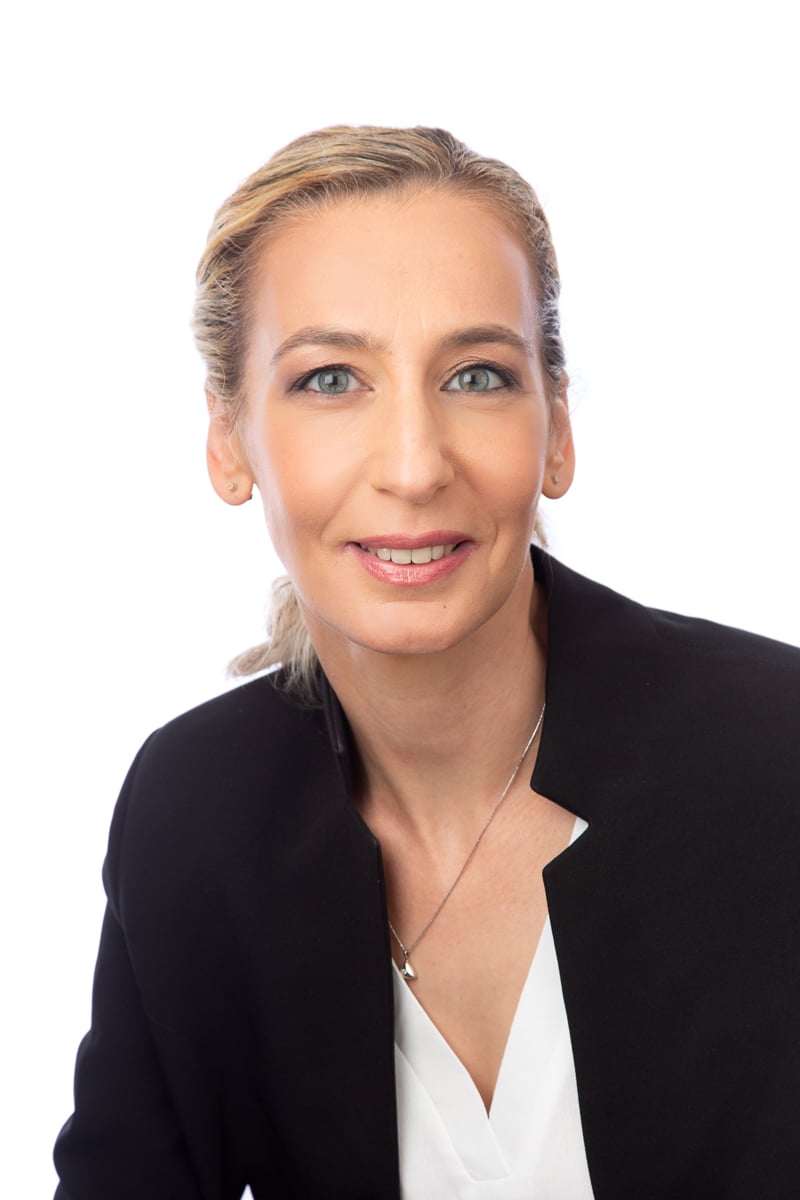
Sharon Zagagi-Pinhas, the director of the Dinah Project and a former IDF chief military prosecutor, said the upcoming conference aims to build on a “roadmap that we created on how to prosecute” crimes of sexual violence in conflicts.
“CRSV can happen everywhere, and we are hoping to create guidelines for authorities, institutions, and organizations internationally and nationally,” she said in a Wednesday interview. “We’re trying to bring a roadmap with many stops and stations on how to collect evidence and then later on how to prosecute.”
Zagagi-Pinhas said CRSV is difficult to prosecute due to challenges unique to conflict zones, meaning that legal frameworks for prosecuting sex crimes in other circumstances are insufficient. The perpetrators often kill or silence the victims in other ways, and because the crime takes place in a war zone, the crime scene is often unavailable, hampering the collection of evidence and witness testimony.
The Hamas perpetrators, for example, killed most of the victims, while survivors are often silenced by trauma, shame and stigma, she said.
“What we thought we knew regarding sexual violence nationally, domestically, perpetrated against the individual, is not the phenomena of sexual violence as a weapon of war,” she said. “If you want to fight this with tools that are used domestically for sexual violence against individuals, then you will never get accountability.”
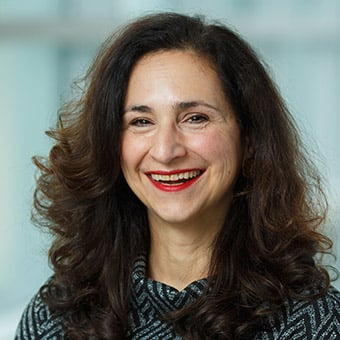
Lisa Fishbayn Joffe, the director of the Hadassah-Brandeis Institute, said that while wartime rape has gone on for centuries, the recognition that a legal response was needed is a “recent phenomenon.”
International human rights organizations only began to create legal mechanisms for addressing wartime rape after conflicts in the former Yugoslavia and Rwanda in the 1990s, and indictments are rare, she said.
Some of the methods the Dinah Project advocates for include finding other witnesses for testimony and packaging the intent to rape with the intent to commit genocide.
In domestic sexual violence cases, prosecutors tend to rely on the testimony of the victim, who can identify the perpetrator and testify against them.
In conflict zones, the victims often do not survive, but the crimes often take place in public, offering other witnesses.
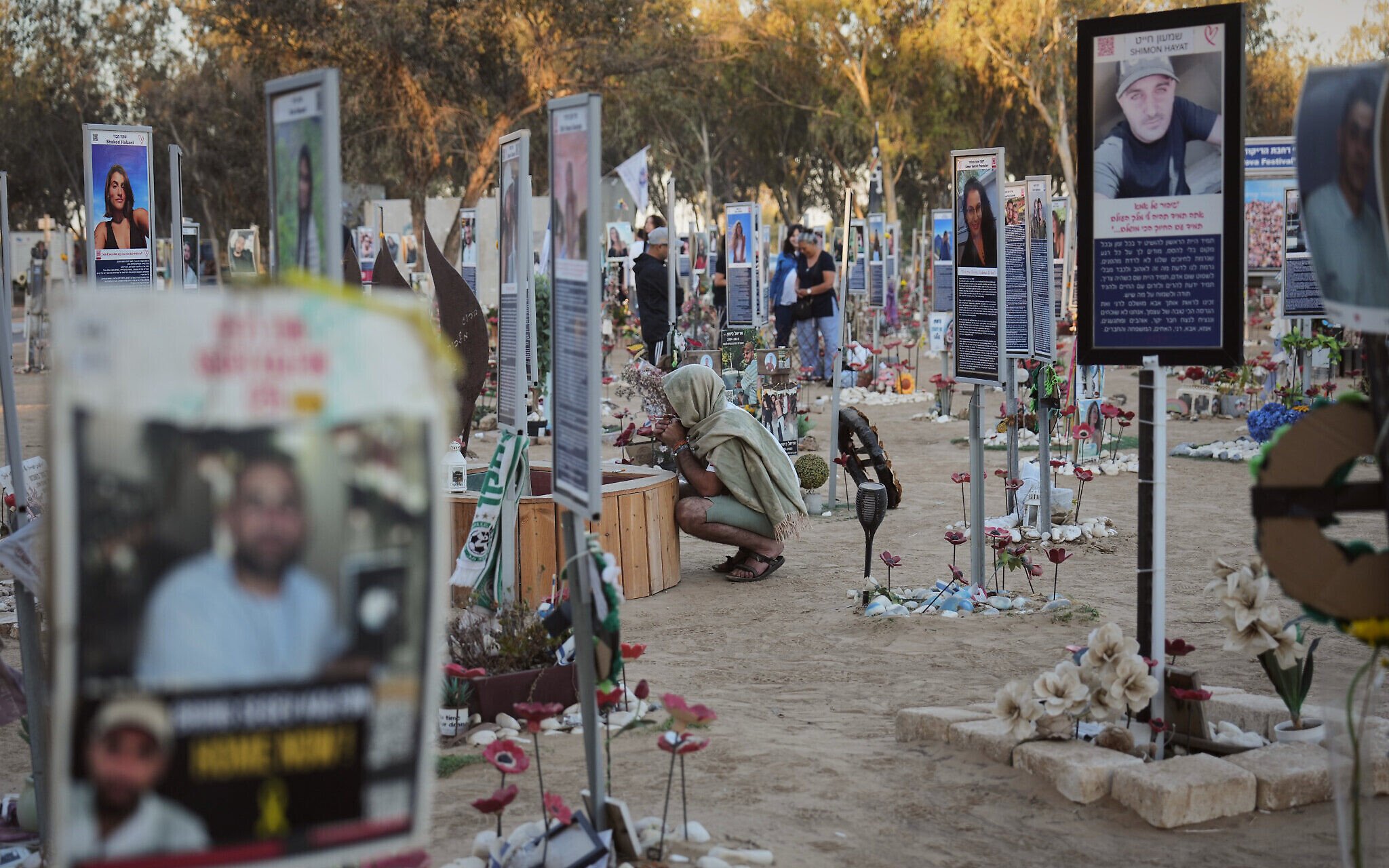
“CRSV is a phenomenon that, in order to to intensify the harm to the community, is done in a lot of cases outdoors, in front of an audience for the community to see,” Zagagi-Pinhas said. “So you have witnesses for what happened. They can testify, so you have to know to look for these witnesses.”
Investigators can also rely on established legal concepts like joint criminal enterprise and joint responsibility to provide the groundwork for prosecution.
Perpetrators “tend to hide their intent to commit sexual violence, because later on they can’t portray themselves as freedom fighters,” Zagagi-Pinhas said.
Attackers like the October 7 invaders espoused genocidal intent, though, which the researchers argue includes a presumed intent to commit sexual violence. Most historical genocides included sexual violence, Zagagi-Pinhas said.
“When someone chose willingly and knowingly to be a part of an attack, and the base of the attack was to commit genocide, then he agreed to commit anything that was in this attack, whether it was murder or burning a house or sexual violence,” she said, “He cannot say, ‘Oh, well, I just agreed to slaughter and just agreed to kill people and kill women and children,’ but they didn’t agree to commit sexual violence.”
Fishbayn Joffe said that there is always a “paucity of evidence,” denialism, propaganda and silencing surrounding wartime rape, but that Israel was subject to distinct obstacles due to anti-Israel hostility.
Some anti-Israel figures have disputed whether Hamas terrorists raped Israelis, despite overwhelming evidence.
The United Nations Special Rapporteur on violence against women and girls, Reem Alsalem, falsely claimed last year that “No independent investigation found that rape took place on the 7th of October.” The prominent streamer Hasan Piker has dismissed the charges as “rape fantasies” and said, “It doesn’t matter if rape happened on October 7. It doesn’t change the dynamic for me.”
According to Zagagi-Pinhas, “The arena is difficult because people do not want to hear sometimes what happened on October 7, and sometimes they do not want to hear something that an Israeli says, but we are trying to bring an international message that is not politically related.”
Next week’s conference will feature a keynote address by Dr. Alice Edwards, who served as the UN special rapporteur on torture from 2022 to 2026.
Panels at the conference will discuss the origins of legal frameworks for the war crimes and their application in the Israeli-Palestinian conflict and Ukraine; denialism against claims by Israeli women; the role of radicalization in wartime sexual violence; and potential legal solutions.
The conference was sponsored by the Sylvia Markowicz Neil and Daniel Robert Fischel Endowment, the Brandeis Center for Jewish Studies, and the Sarnat Center for the Study of Anti-Jewishness at Brandeis.
Brandeis University was established by Jews in 1948 in response to discrimination in higher education against Jews and other minorities. Jewish values are core to the nonsectarian university’s identity and around 35% of its undergraduate student population is Jewish, according to the school.
The movement’s end goal is to create international guidelines for prosecuting CRSV that could apply to both international and domestic law, even though that will likely take years, Zagagi-Pinhas said.
“We have to make adjustments in order not just to have the law, but to have ways to implement the law, but it takes time,” she said.








The Times of Israel Community.