

Trump denies willingness to give Iran sanctions relief in exchange for nuke concessions
US and Iranian officials speak separately with Qatari mediators on amended Iranian proposal that includes end to hostilities in Israeli-occupied south Lebanon, after Trump nixed earlier version
 Add ToI as a Preferred Source on Google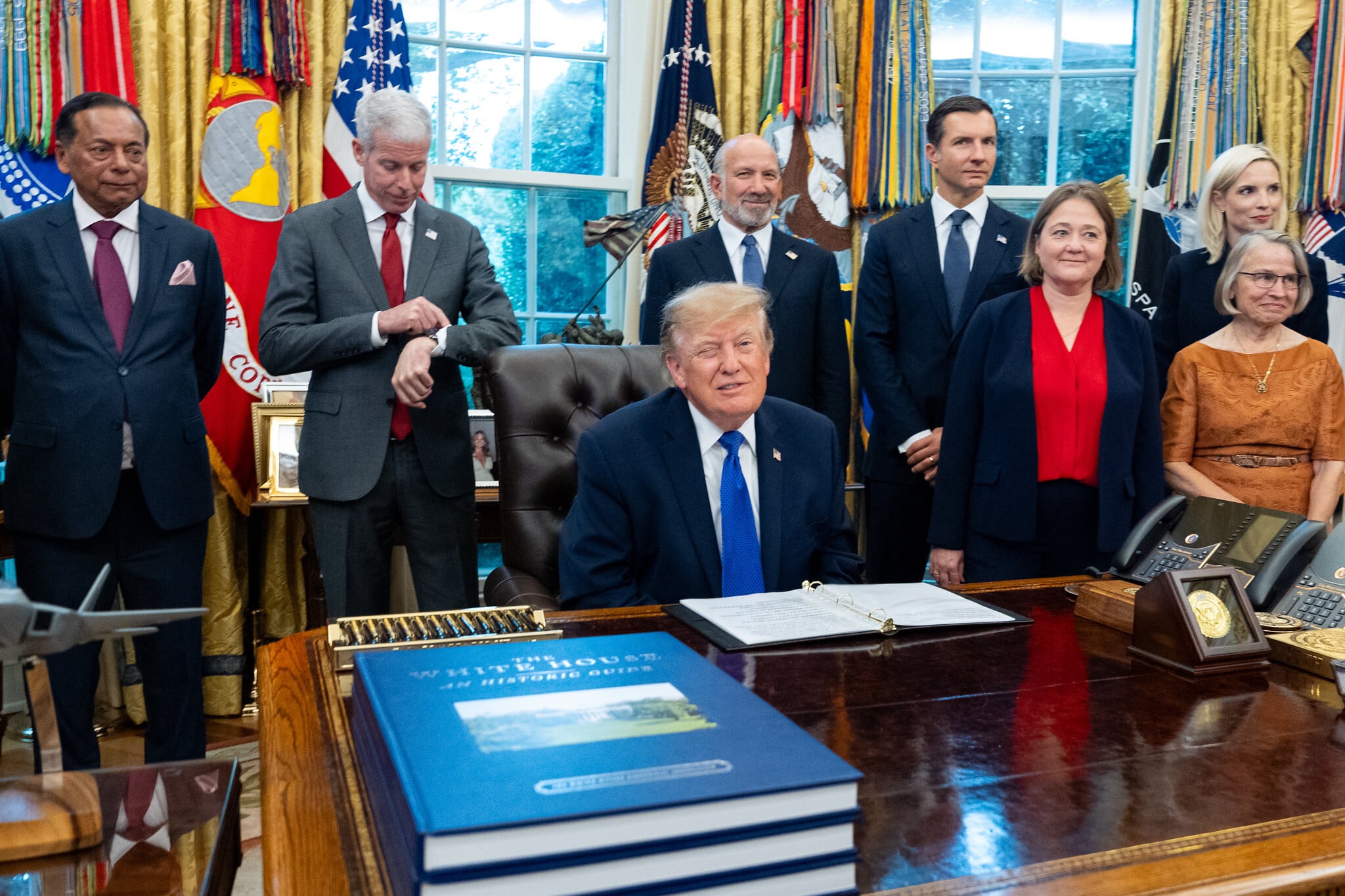
US President Donald Trump on Monday denied a report that he is prepared to offer Iran sanctions relief and the release of frozen funds in exchange for nuclear concessions by the Islamic Republic.
The revelation was published in English by the Axios news site and in Hebrew by Israel’s Channel 12 news, but Trump subsequently insisted on Truth Social that it was “untrue.”
“I offered them NOTHING!” he wrote.
The Axios story reported that Trump “is willing to give Iran sanctions relief and release Iranian frozen funds in return for concrete Iranian steps regarding the nuclear program.” It quoted unnamed US officials.
The 80-year-old Republican called the story “a HOAX” and said the news site should withdraw it.
The reaction came as US and Iranian officials spoke separately with Qatari mediators on Monday as part of a renewed effort to end seven months of war.
Any further talks are expected to focus on an amended version of a seven-day proposal that Iran presented last week on the sidelines of the United Nations General Assembly, an official briefed on the negotiations told Reuters.
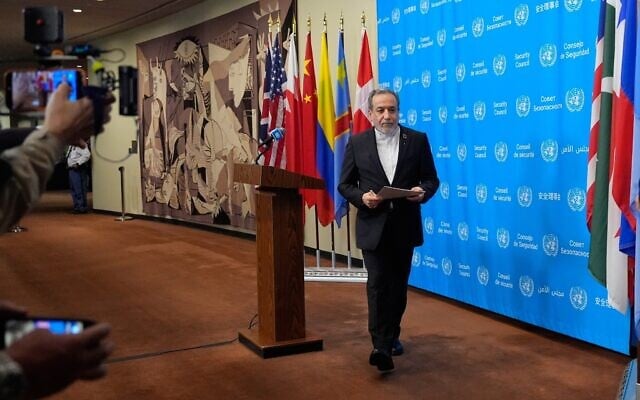
Iranian Foreign Minister Abbas Araghchi, who remained in New York after attending the General Assembly, said Iran expected to receive the US response to its latest ceasefire proposals and its conditions for restoring passage of maritime traffic in the Strait of Hormuz, according to state news agency IRNA.
“If the Americans claim they are seeking an agreement or a peaceful solution, we have presented that solution,” Araghchi said.
US officials separately spoke with mediators on Monday, US President Donald Trump told reporters at the White House, without giving further details.
Iran’s seven-day plan envisages an end to all hostilities in Iran and Lebanon — where Israel has created a buffer zone to operate against the Iran-backed Hezbollah terror group — the unfreezing of billions of dollars’ worth of Iranian assets, an end to sanctions on Iranian oil and the lifting of the US blockade on Iranian ports.
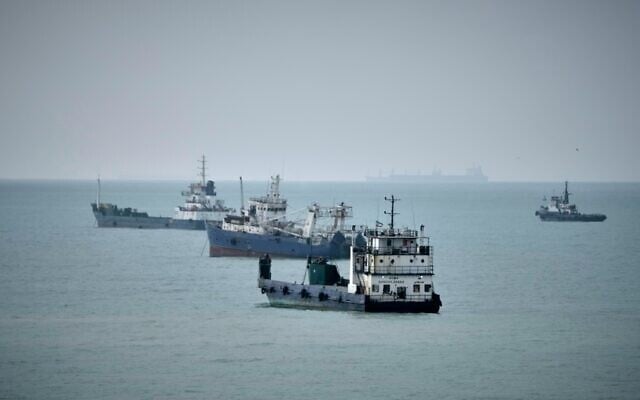
Iran would then allow the reopening of the Strait of Hormuz, a vital conduit for oil tankers, and the two sides would also resume talks on Iran’s nuclear program and Trump’s wish to seize or eliminate its highly enriched uranium.
Trump said on Saturday he had rejected Iran’s proposal, saying Iran wanted a swift agreement because of the crippling economic pressure it is under. However, he also told Axios on Sunday that he expected US negotiators to engage in further talks this week.
Araghchi said on Sunday that mediators had not formally conveyed a US rejection, and that Iran was awaiting Washington’s definitive position before deciding its next steps.
“Our conditions are clear, and any move toward reopening the Strait of Hormuz is contingent on these conditions being met,” he said on Sunday, adding that only a negotiated solution could resolve the impasse.
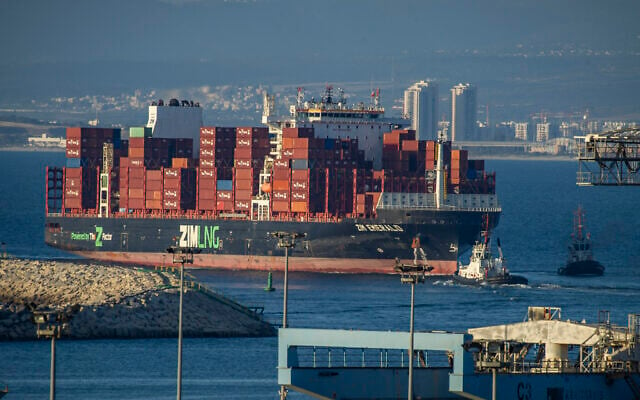
The strategic Strait of Hormuz now lies at the heart of the conflict. The narrow waterway normally carries a fifth of the world’s oil and liquefied gas.
The route has been effectively blockaded by Tehran since the war began with US and Israeli strikes on Iran on February 28.
Prices for gas and other products in the US have risen dramatically since the war began, as Trump faces dwindling popularity in national polls and his party worries about losing its majority in Congress in the midterm elections come November.


The Times of Israel Community.