

As Jews seek place in American life, Brandeis opens 250 years of wondering to public
Massachusetts university’s upcoming course explores the American Jewish story, from colonial immigrants to Hollywood and summer camps, amid tensions on US campuses and in politics
 Add ToI as a Preferred Source on Google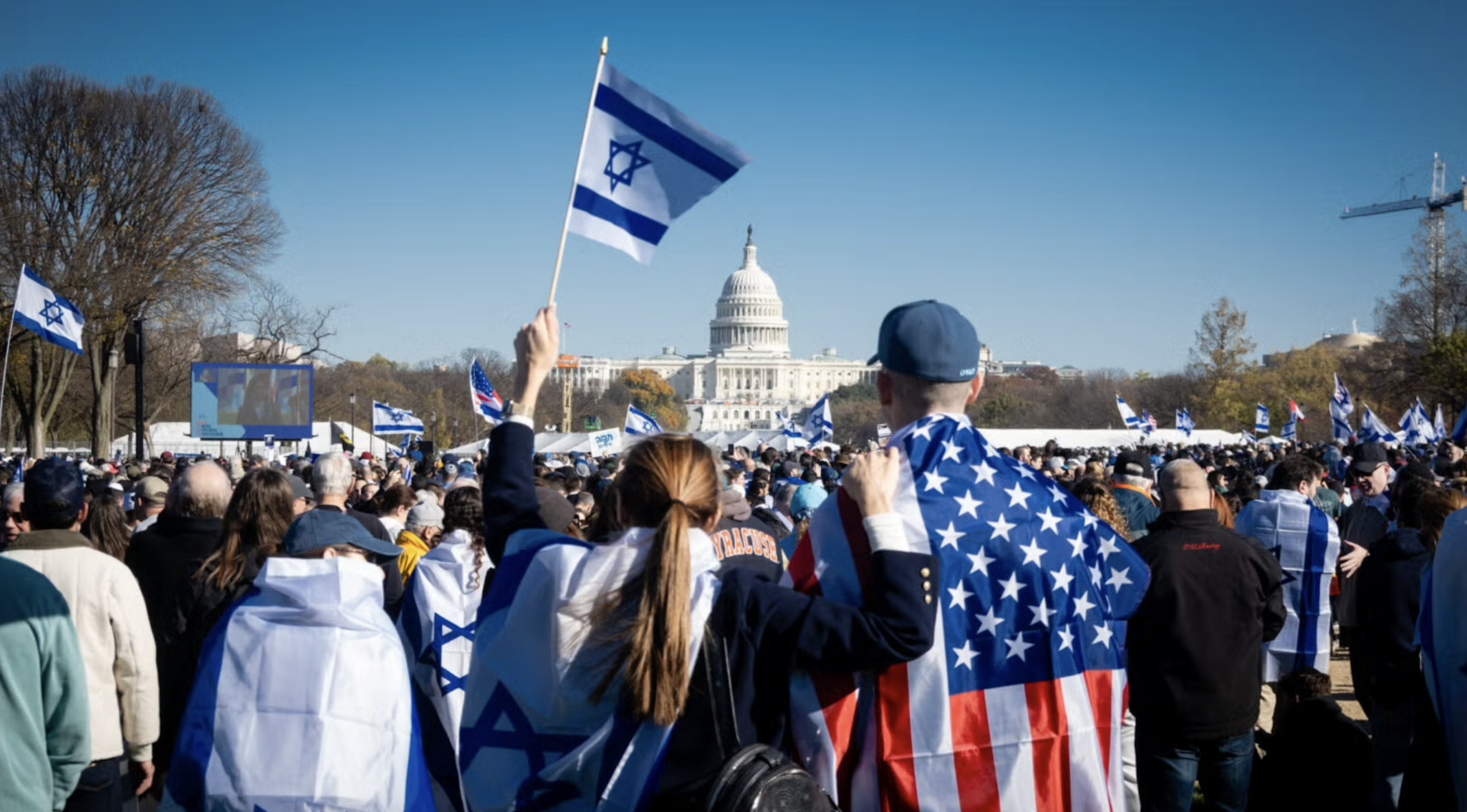
In August 1790, US president George Washington wrote a letter to the Hebrew Congregation of Newport, Rhode Island.
The letter committed the US to tolerance and inherent rights, telling the Jewish congregation that the fledgling nation “gives to bigotry no sanction, to persecution no assistance.”
This statement became a touchstone for American Jews in the early republic, and now serves as a focal point in an innovative new course exploring how Jews have shaped and understood the American experiment as the country marks its 250th anniversary.
Offered by Brandeis University in Massachusetts, “America and its Jews at 250” delves into the role Jews have played before and since Washington’s welcome, in US culture, law, politics and education.
The program comes as the US campus environment has become fraught for Jews, and as the American Jewish community increasingly questions its footing in the US due to antisemitism and political turmoil.
“A lot of people are saying ‘Okay, what does this anniversary mean for Americans?’” said Prof. Flora Cassen, who led the creation of the multi-disciplinary course.
“And so my question was, ‘What does it mean for Jews?’” said Cassen, the Lavine Family Director of the Brandeis Center for Jewish Studies.
Marx Brothers, Sephardi immigration and Civil War
That question was the starting point for the course, which will comprise 26 sessions over 15 weeks starting August 26. Open to the public, it will be taught by Brandeis professors, visiting faculty, and public intellectuals.
Cassen, who joined the university’s faculty earlier this year, launched the course to bring the numerous Jewish studies centers on Brandeis’s campus together to collaborate and create connections, she said in an interview.
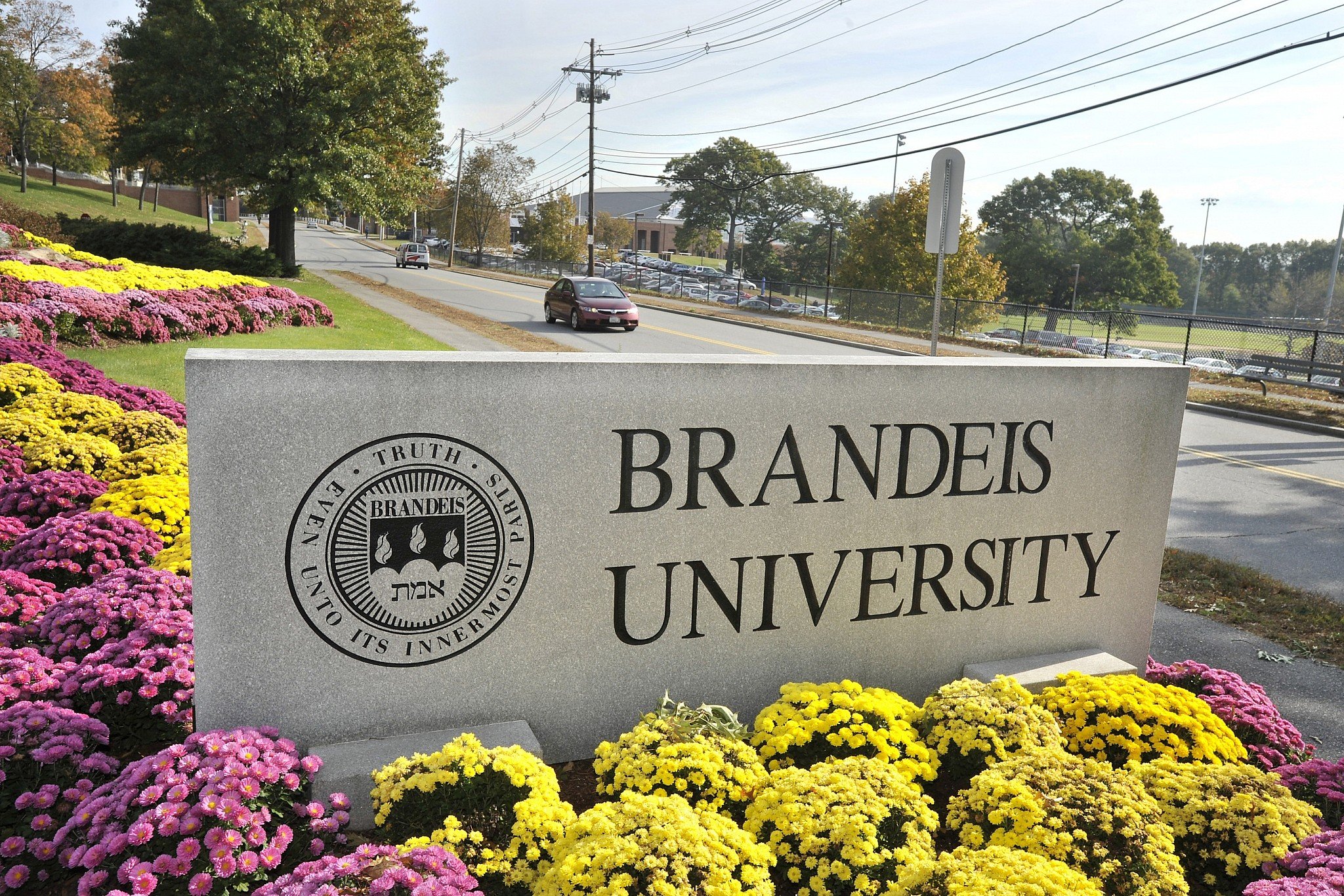
Brandeis, located outside of Boston – the birthplace of the American Revolution – was established by Jews in 1948 in response to discrimination in higher education against Jews and other minorities. Jewish values are core to the nonsectarian university’s identity and around 35% of its undergraduate student population is Jewish, according to the school.
The new course follows American Jewish history chronologically, starting with the first Jewish arrivals in the Americas, early Sephardi immigration and Jewish rights in the early republic.
Later classes will examine Jews’ role in the Civil War, American Jews’ response to the Holocaust, Black-Jewish relations in the Civil Rights era, US-Israel relations, and issues of contemporary Jewish identity and modern-day antisemitism.
The course will include upbeat topics like the Marx Brothers and Jews in pop culture, as well as more divisive issues such as “Atlantic slavery and the Jews.”
Some classes will focus on daily life, with topics like Jewish day schools and summer camps, training for rabbis, Jewish feminism, connections to Israel and Jews’ experience with political polarization.
Declining trust in higher education
The program comes at a fraught time for American Jews on campuses and elsewhere.
Israel has become a dominant issue in US politics, worrying and dividing US Jews, and surveys in recent years have repeatedly found record levels of antisemitic incidents in the US. Jews are targeted in hate crimes far more than any other religious group.
On many campuses, anti-Zionism has become a prominent ideology, in both classrooms and student activism.
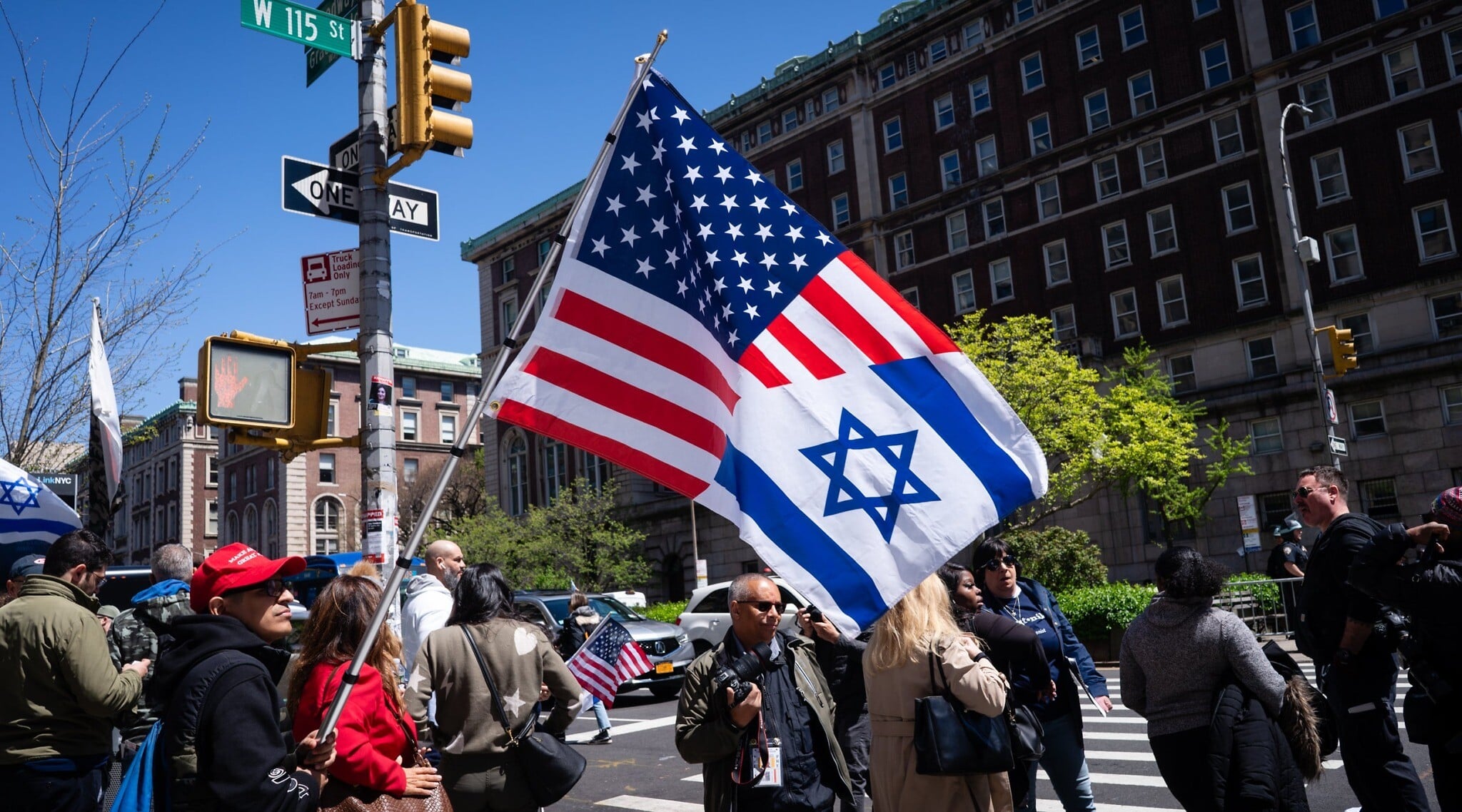
Anti-Israel protests exploded on US campuses following the October 2023 Hamas invasion of Israel and the war in Gaza, and Jewish students said the protest movement often spilled into anti-Jewish discrimination. A February survey by the Anti-Defamation League and Hillel International found that 83% of American Jewish college students had experienced or witnessed antisemitism on campus.

Amid the turmoil, Brandeis has appealed to Jewish students from other universities, offering itself as a refuge and extending its timeline for transfer applications.
The course extends the school’s commitment to nuanced thought beyond students to the community at large. Anyone can register and join for the whole semester, or just a class or two if they are interested in a particular topic.
In addition to the students and community members attending the in-person classes, which come with a small fee, Cassen was adamant that there be an online option for viewing the lectures. She said they have received requests for the course from synagogues and Jewish community centers, with local groups expressing an interest in viewing the lectures together.
The faculty will prepare discussion questions for online viewers to have their own debates and discussions at home.
A videographer will film the classes, lightly edit the footage for ease of viewing and upload the video the following week for online attendees, who can view the lectures for free.
The public access is a response to Americans’ declining trust in higher education. In 2015, a Gallup poll found that 57% of US adults had confidence in the higher education system; by earlier this year, that figure had fallen to 37%.
“We live in a time when people say they don’t trust higher education anymore, and I thought, ‘You know what? I’m inviting people in,’” Cassen said. “We’re bringing the best thinkers on all these topics. Come and see what we do.”
A different perspective
The course will be taught by 25 instructors, giving members of the public the opportunity to learn from some of the top experts on US Jewish history.
Instructors include Cassen, whose research has focused on anti-Jewish discrimination; Brandeis historian Jonathan Sarna, who has explored American attitudes toward Jews; Shaul Kelner, a Vanderbilt University expert on Jewish solidarity that transcends borders; and Yehuda Kurtzer of the Shalom Hartman Institute, who studies Jewish identity and how American Jews approach Israel.

Prof. Marc Dollinger, Chair of Jewish Studies at San Francisco State University, will teach a lecture titled, “Black-Jewish Relations Since the Civil Rights Era.”
“My academic field is religion and politics — the two things you don’t talk about in polite conversation,” Dollinger quipped.
Dollinger said he will be challenging conventional wisdom on American Jews’ involvement in the Civil Rights Movement. His latest book, “Black Power, Jewish Politics,” focused on the Black Power movement that not only activated Black activists but other ethnic, racial and gender groups, including Jews.
“Jewish studies is fascinating because we’re sitting at so many different places simultaneously,” Dollinger said. “And we’re complicating everybody’s narrative around us on all sides.”
At a time when American life has been roiled by polarization and divisiveness, Dollinger said he wants his students to deepen their learning and open themselves to new ways of thinking and reflection.
“Opening yourself up to a different perspective can bring an opportunity to see something new,” Dollinger said. “In terms of humanities undergraduate education, that’s what it’s all about.”










The Times of Israel Community.