

Election czar: Shin Bet vote-buying probe has found ‘no evidence’ that could affect results
Shin Bet head Zini approves message, as Netanyahu’s claim of stolen vote gets another hit; top police investigator defends election day arrests despite info coming from PM’s office
 Add ToI as a Preferred Source on Google
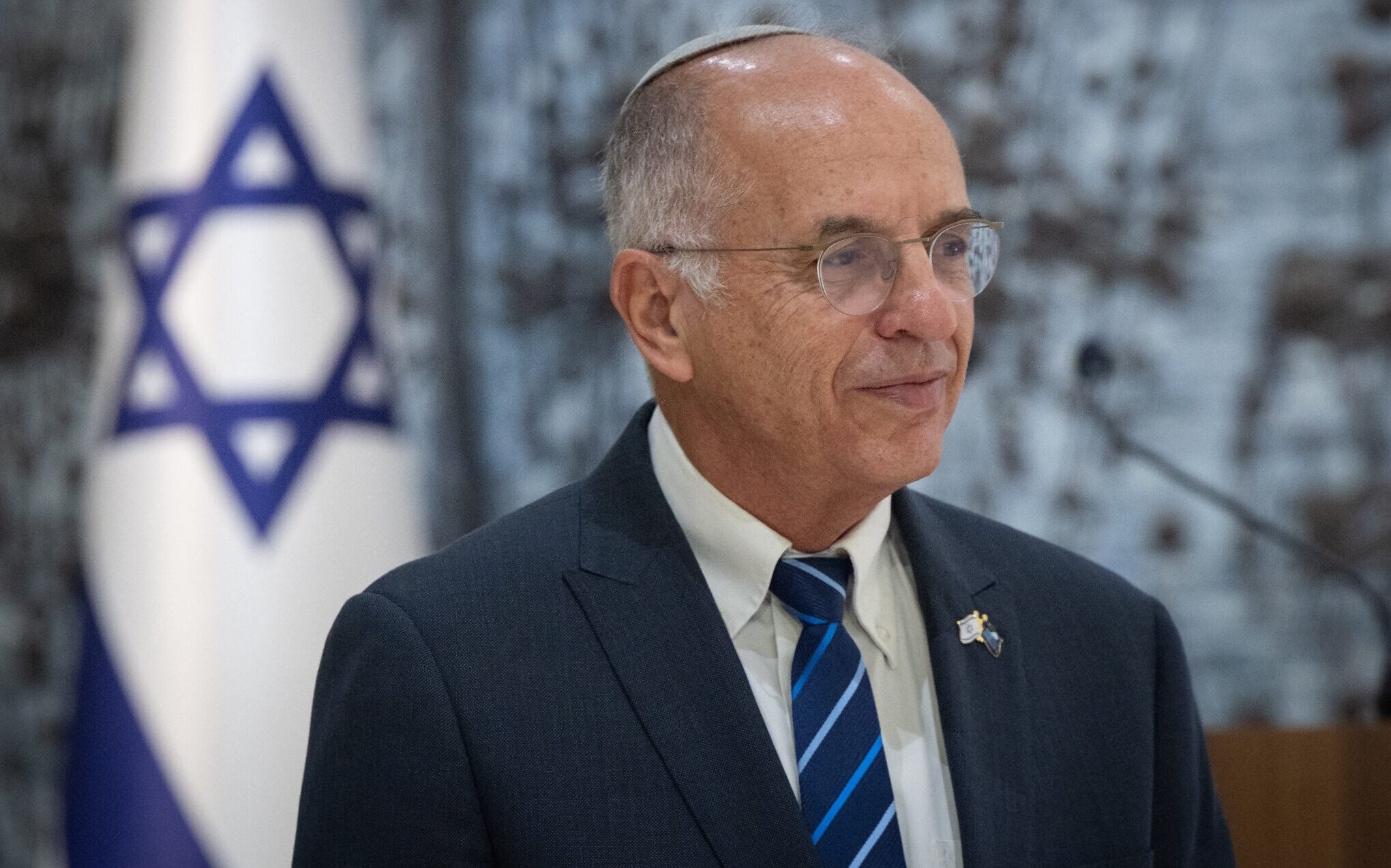
The Shin Bet investigation into allegations of vote-buying in the Arab community in last month’s election has found no evidence of bribes being paid to voters on a scale that could affect the results of the vote, the Central Elections Committee (CEC) said Tuesday evening in a statement to the press.
The statement was authorized by CEC Chairman and Deputy Supreme Court President Noam Sohlberg and issued with the consent of Shin Bet chief David Zini, who updated Sohlberg on the details of the investigation on Monday night.
Prime Minister Benjamin Netanyahu and other coalition members have claimed that the October 27 election was “stolen” by Arab parties, citing allegations of bribery, intimidation, forgery and other irregularities following record Arab turnout that helped deprive the premier’s bloc of its parliamentary majority.
However, since the election, many of the key allegations have reportedly fallen apart, and in a twist this week, focus has turned to the Prime Minister’s Office (PMO) over its role in providing police with information regarding alleged election fraud in the Arab sector, which was passed from the PMO to the police on the eve of the election.
“The investigation is proceeding tirelessly to uncover the truth and determine whether there is evidence of improper activity that could have influenced the election results, specifically the suspicion that election bribes were paid to voters,” the CEC statement said.
“Examination of the evidentiary and intelligence picture raises numerous suspicions, although at this stage there is no evidence of election bribes being paid to voters on a scale that could affect the election results,” it continued.
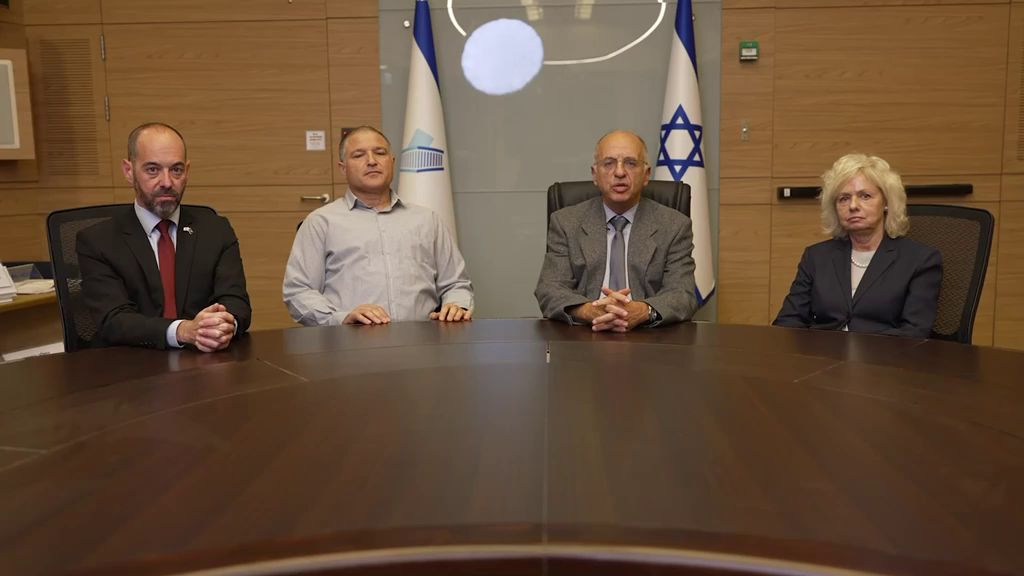
The CEC said that the investigation into vote-buying would continue, but that the focus was now shifting to “more security-related issues,” specifically “matters of subversion and foreign influence, which are not at the core of the electoral process and its results.”
Two days after the election, Sohlberg ordered the Shin Bet to open an investigation into possible foreign interference in the election, after intelligence was provided to the CEC by the Shin Bet, which Sohlberg said at the time necessitated an investigation.
In addition, on and after election day itself, allegations were made that activists from the majority-Arab Ra’am party engaged in a scheme to give financial inducements to voters in return for voting for Ra’am. The three suspects arrested in the case have all been released from custody, and the case now appears likely to be closed without charges.
Sohlberg also said last week that information provided so far regarding suspicions of foreign interference in the recent election had not yielded evidence of wrongdoing, and that such evidence may not ever be found.
Top investigator defends arrests, admits PMO sourcing ‘doesn’t sound good’
Commenting on the alleged vote-buying case, Deputy Commissioner Boaz Blatt, head of Israel Police’s Investigations and Intelligence Division, said Tuesday that he would not change his conduct in handling the allegations, even though they were passed to police from the PMO.
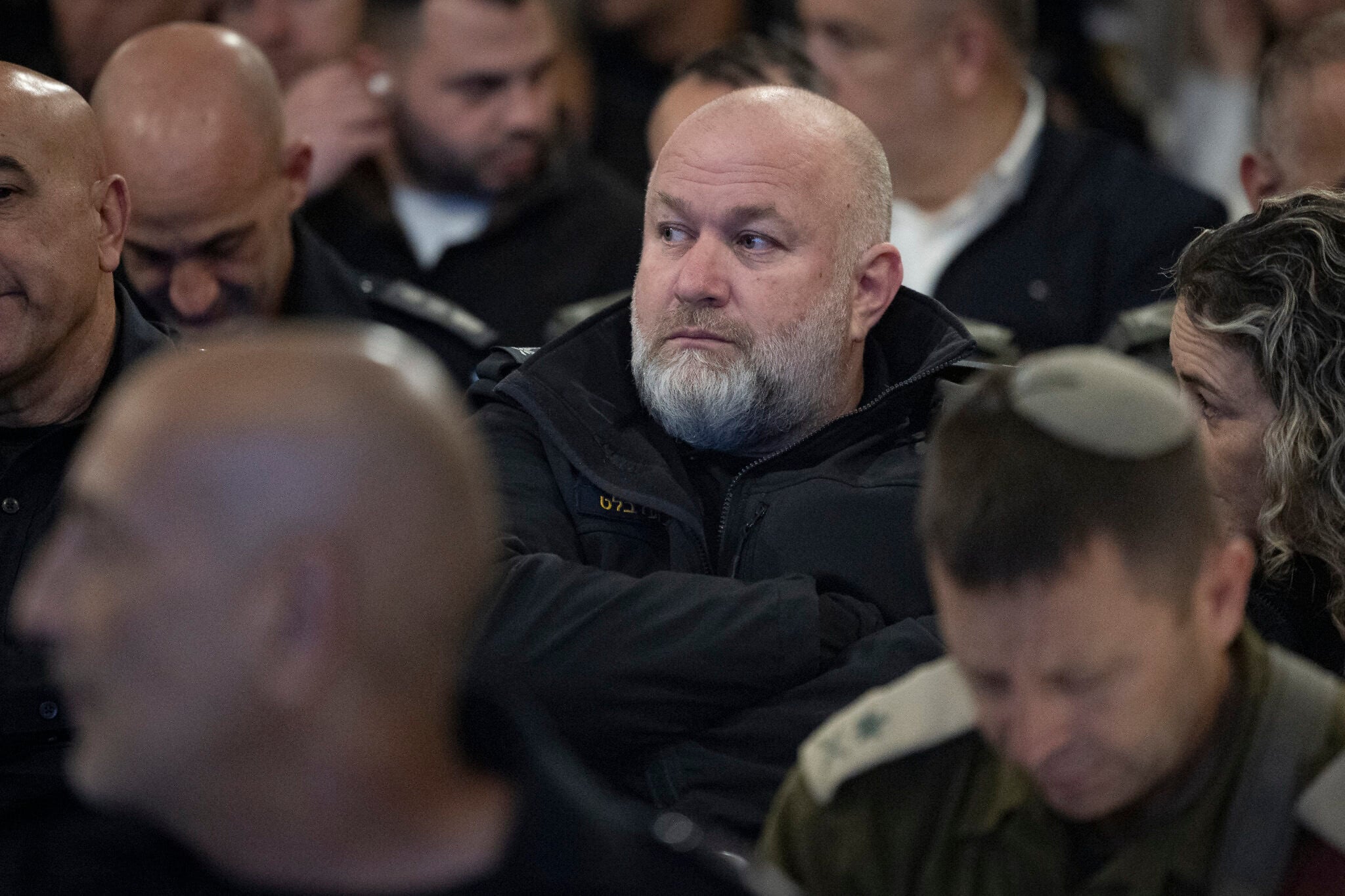
“I would act the same way I did,” Blatt said in closed-door remarks aired by Channel 12. “I received information that came in just hours before the election, and I passed it down to the field.”
Blatt said the information later “came under judicial scrutiny,” saying that once the court “examined the case in depth, it understood there was no case.”
After the arrest — without a warrant — of three Ra’am activists on the morning of election day, police issued a statement claiming officers had recovered envelopes containing tens of thousands of shekels in cash, which Netanyahu quickly seized on, claiming the vote was being stolen by Arab parties and urging his supporters to go to the polls.
The arrests were made on the basis of information supplied by former PMO employee Daniel Greenberg via Netanyahu’s chief of staff, Ido Norden, a day before the vote, according to a bombshell Channel 12 investigative report Sunday night.
Defending his conduct, Blatt said police were “racing against time” while stretched to the limit.
“The information did come from the Prime Minister’s Office. That doesn’t sound good; it doesn’t look good publicly,” he acknowledged. “I didn’t initiate the call. I was brought into it, and they dropped the bombshell on me.”

Blatt said he immediately passed the information to officers in the field, adding: “Can I ignore breaking information just because it came from the Prime Minister’s Office? The answer is no.”
Israel Police Commissioner Daniel Levy said Monday that he had ordered an internal review of the Israel Police’s conduct around the election, but Attorney General Gali Baharav-Miara and State Attorney Amit Aisman asked him to shelve the probe and wait for discussions with the Attorney General’s Office and State Attorney’s Office on the nature of the investigation into the matter.
Meanwhile, in a Tuesday interview with Channel 12, Greenberg maintained that he did nothing wrong, saying that he is not a Likud operative.
According to a Monday report, Greenberg was involved in a meeting with Netanyahu and Norden just 12 days before the vote, where the three met in a public hall in the northern Druze town of Yarka. Channel 12 said it was there that the PMO’s campaign to delegitimize the election was set in motion.
Confirming that meeting, Greenberg said he discussed the Arab parties’ expected performance with the premier and that he predicted they would win many seats.
“I predicted what was going to happen: that the Arab parties would get a lot of seats,” Greenberg said, describing the meeting with Netanyahu as “private.”
Asked who else was present, Greenberg initially refused to say, but eventually confirmed that Netanyahu and Norden were in attendance.
Seeking to downplay the meeting, Greenberg said: “We talked about the election. We talked about nothing.”
Asked about the release of the suspects in the case without restrictive conditions, Greenberg replied: “Talk to the police commissioner, I don’t make decisions for the police.”
Asked why he did not file an official complaint with the police, Greenberg said he “didn’t want to.”
Greenberg also denied acting on behalf of the ruling party, saying: “I didn’t work for Likud. I didn’t do anything for Likud.”
Pressed, however, he acknowledged that he was asked to run Likud’s Arab headquarters ahead of the 2022 election, and that he witnessed fraud in Arab areas in the south but did not report it, adding that he had previously worked abroad on various missions.
Ex-president Rivlin apologizes to Bedouin doctor arrested on election day
Amid the fallout of the vote-buying case, former president Reuven Rivlin recently phoned one of the three Bedouin men arrested on election day, Dr. Saef Abu Reash, to apologize to him, according to an audio recording of their conversation.
Abu Reash was arrested without a warrant on election day along with two other Ra’am activists, over purported allegations of a vote-buying scheme, and was held for six days despite a raid on his home coming up empty, after which the Beersheba Magistrate’s Court ordered his unconditional release and slammed investigators’ conduct.
“I was deeply offended on your behalf,” Rivlin told Abu Reash, calling his arrest “a jarring affront to our state of Israel, which is losing its way.”
נשיא המדינה לשעבר, רובי ריבלין, התקשר לחזק את פעיל רע״מ שנעצר ביום הבחירות, בהוראת לשכת נתניהו: ״בשמך נעלבתי עלבון צורם על מדינת ישראל שלנו שהולכת לאיבוד. אני מתנצל בשמי ובשם כל מי שאני מכיר בארץ הזאת על מה שעשו לך״ pic.twitter.com/rsJJuejzxh
— מוחמד מג'אדלה محمد مجادلة (@mmagadli) November 17, 2026
Heaping praise on the Bedouin doctor, Rivlin called him an “impressive self-made man,” and said he was “apologizing on my behalf and behalf of everyone I know in this country for what they did to you.”
Abu Reash thanked Rivlin for his “heartwarming words” and said his support gave him the strength to keep moving forward.
Rivlin went on to describe Israel’s roughly 2.1 million Arab citizens as an essential “bridge” to the rest of the Middle East, to the “Palestinians, the Saudis, and the Emiratis,” to which Abu Reash replied that his hope was “to bring about peace together.”
Rivlin served as the president of Israel between 2014 and 2021.
A longtime Likud member, he has nevertheless sharply criticized the party’s direction under Netanyahu since leaving office.






The Times of Israel Community.