

UK sanctions 8 Israeli construction companies for building West Bank settlements
London also blacklists Tzav 9, group that blocks Gaza aid; Miliband: ‘My message on E1 is clear: do not bid, do not build and do not profit from the destruction of the two-state solution’
 Add ToI as a Preferred Source on Google
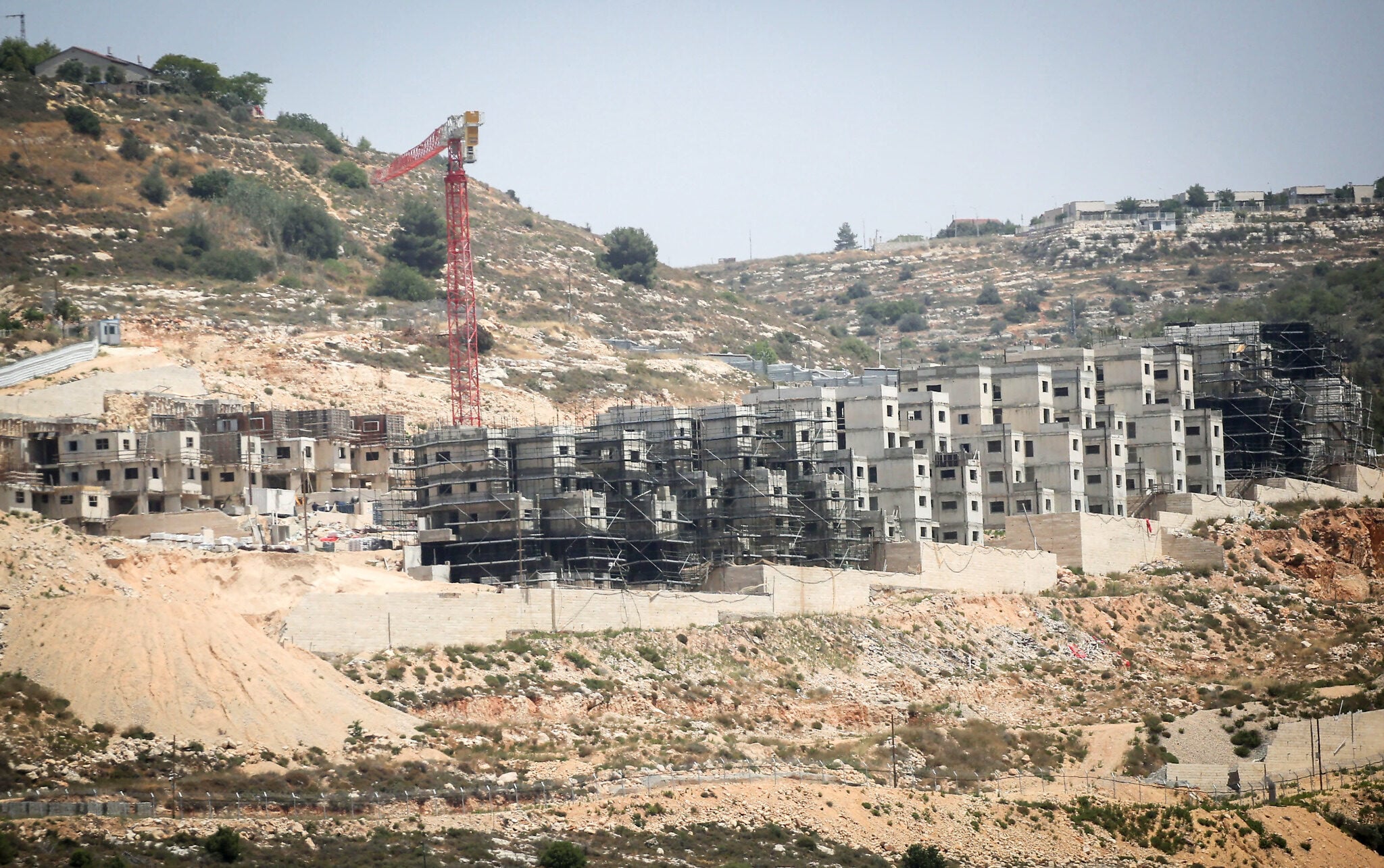
The British government announced on Tuesday that it will impose sanctions on eight Israeli construction companies involved in building settlements in the West Bank, as well as an activist group that prevents the delivery of aid to Gaza.
The move marks the first time the UK has imposed sanctions on Israeli entities since the Knesset election last month, which produced an inconclusive result and ongoing attempts to build a governing coalition.
“The UK has taken firm action against eight construction and property development firms which will disrupt their flows of finance and ability to support further construction in the West Bank,” the UK Foreign Office said in a statement.
Britain announced asset freezes and director disqualifications on the eight companies: Har Hevron Development Company Ltd, Hemdat Shomron Ltd, S.A.G. (Velvel) Construction and Development Ltd, Lev HaHar Yazamut Ltd, Harey Zahav, Ariel Residential Judea & Samaria Ltd, Ami Gvirtzman Architects 2021 Ltd, and Z.F. Building Company Ltd.
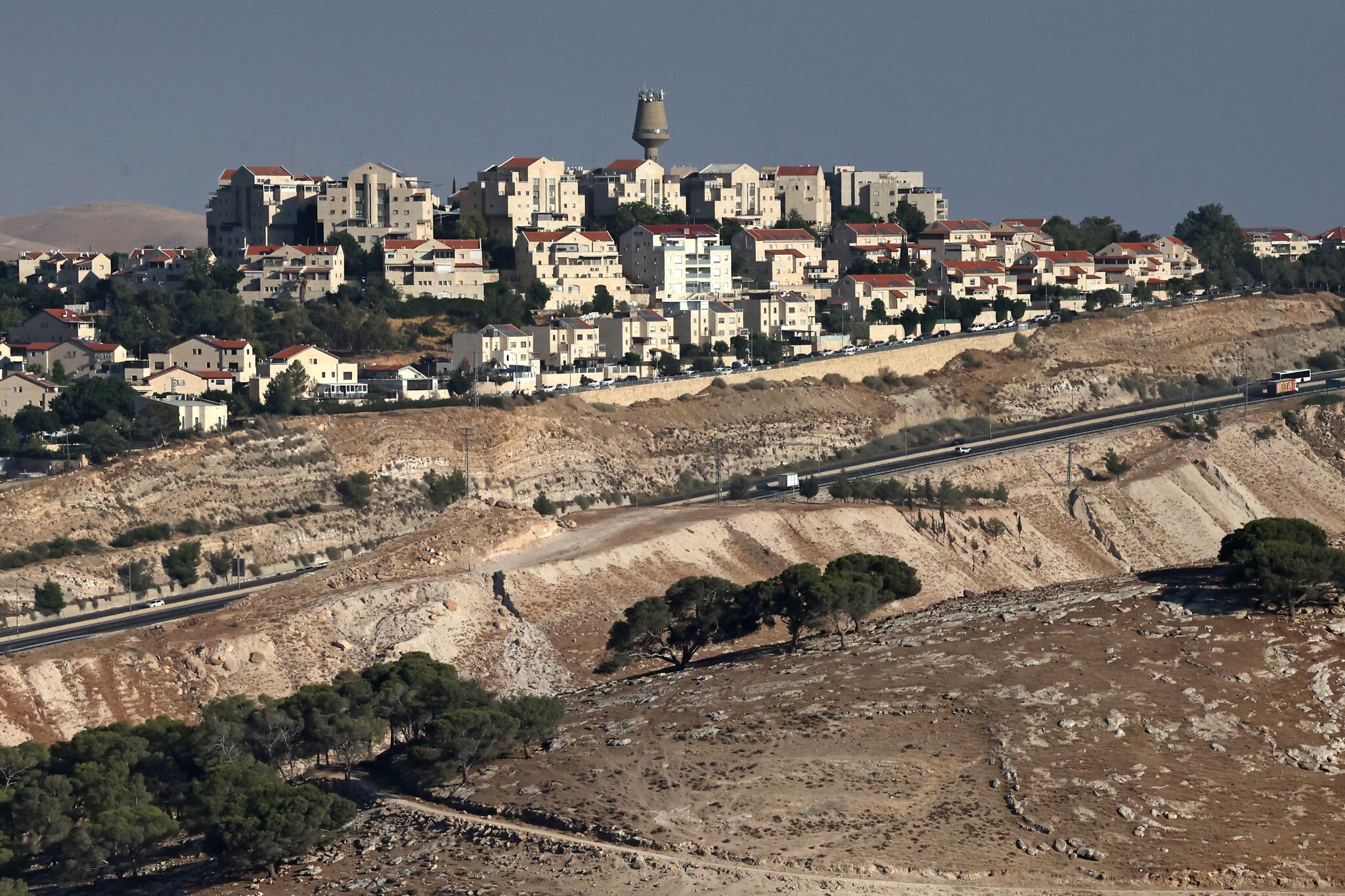
The government announced the sanctions package shortly before the final deadlines for the E1 tender, a settlement project that would bisect the West Bank, cutting off territorial contiguity between key Palestinian population centers, including Ramallah, East Jerusalem and Bethlehem.
The Palestinians and many Western governments say the project would effectively torpedo the possibility of a contiguous Palestinian state in the West Bank.
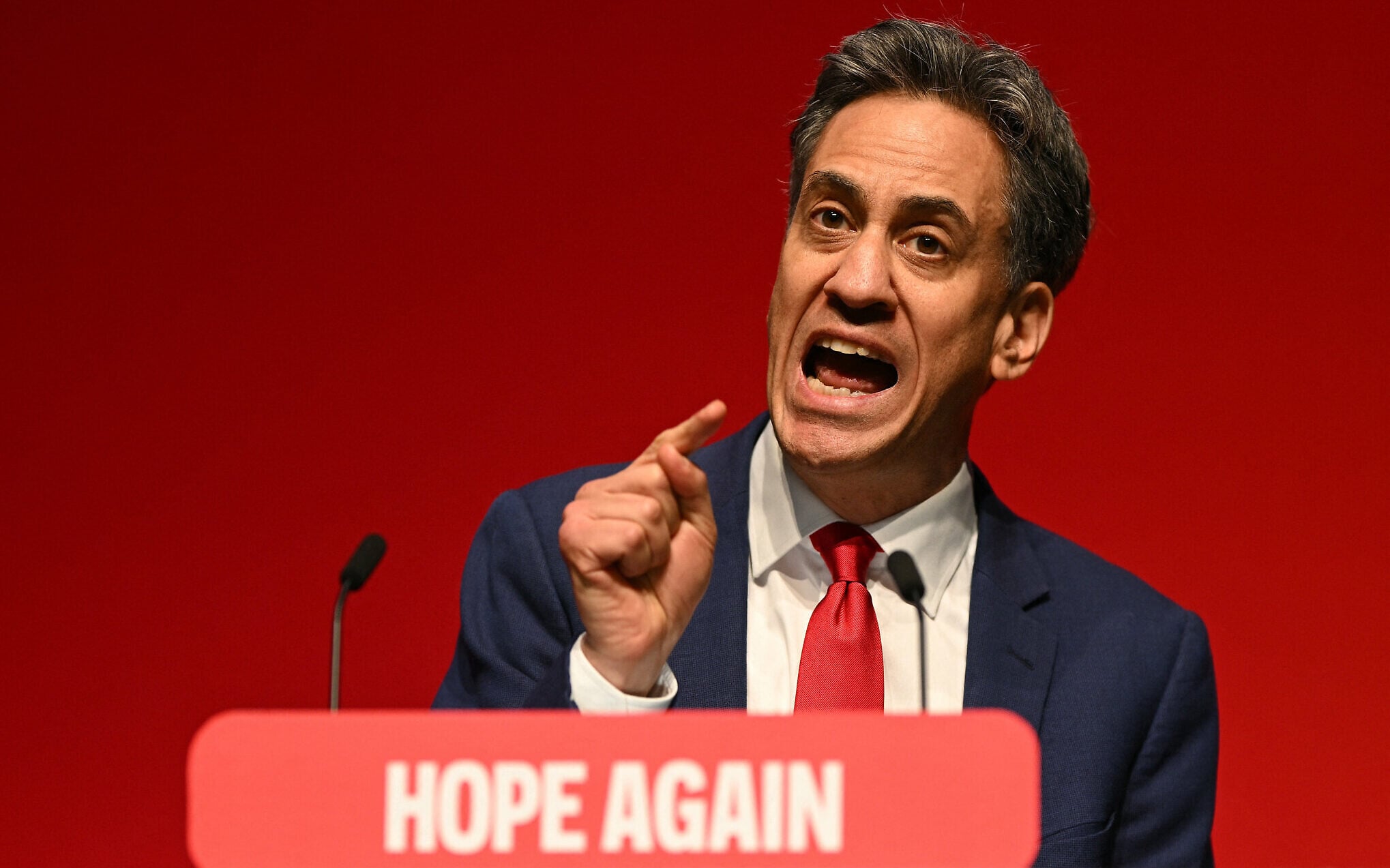
“Protecting the two-state solution is the North Star of this Government’s approach,” British Foreign Secretary Ed Miliband said in a statement. “That is why my message on E1 is clear: do not bid, do not build, and do not profit from the destruction of the two-state solution.”
The UK government also imposed sanctions on Tzav 9, a group that it said regularly blocked humanitarian aid trucks delivering food, water and fuel to the Gaza Strip.
“We will not stand by while those blocking desperately needed aid deepen the intolerable suffering of civilians in Gaza,” Miliband said.

One of the blacklisted Israeli companies, real estate developer Harey Zahav, sparked controversy in 2023 when it posted a slogan on social media voicing hopes of bringing Israeli settlers back to Gaza.
It has also gained a reputation for constructing wildcat settler outposts in the West Bank without Israeli government authorization.
Britain’s relationship with Israel has deteriorated significantly over the past three years because of disagreements over the way that Israel has conducted its war against Hamas that was sparked by the terror group’s October 7, 2023, massacre, and over the Israeli government’s plans to expand settlements in the West Bank.
In September, Miliband announced sweeping British sanctions on settlement activity as well as a ban on all dealings with West Bank settlements.
The “British government agrees that there is ethnic cleansing of Palestinians in areas of the West Bank – perpetrated by settler terrorists,” he told parliament at the time, charging that “the Israeli government has turned a blind eye to this and, worse, members of it have made statements and taken actions to support the forced displacement of Palestinians.”

The move angered Israel, and Foreign Minister Gideon Sa’ar vowed to shut down the British consulate in East Jerusalem — though the sides later agreed to allow it to remain operating but at a smaller scale, with many diplomats forced to leave.
Neither Sa’ar nor the Foreign Ministry issued any immediate response Tuesday to the latest British sanctions.
Left-wing Democrats party MK Gilad Kariv wrote on X on Tuesday in response to the UK move that “we warned Netanyahu and Sa’ar. The caretaker government must immediately halt the advancement of the tender in E1.”
The Israel Land Authority’s deadline for opening tender bids on the construction of 1,234 housing units in the controversial E1 corridor is on Thursday. The E1 plan was given final approval in August 2025 after years of delays, largely caused by vehement objections from the international community, including the US.
The European Union’s diplomatic service condemned in August Israel’s move to issue tenders for the E1 project, warning that the planned construction would “divide the West Bank in two, isolating East Jerusalem” and further undermine “the viability of a two-state solution.”
Members of Prime Minister Benjamin Netanyahu’s coalition, meanwhile, have promoted the project as a means of strengthening Israeli control in the area between Jerusalem and Ma’ale Adumim, with far-right Finance Minister Bezalel Smotrich hailing it as a “significant step that practically erases the two-state delusion.”
Israel Ganz, head of the Binyamin Regional Council and chairman of the Yesha Council, said in response to the measures on Tuesday that the UK has “declared economic war against Israel.”
Ganz said that the sanctions will harm the entire Israeli economy and called on the Israeli government to do everything in its power to have the sanctions revoked.
“Anyone who believes that sanctions can be imposed on Israeli companies in Judea and Samaria [the West Bank] without harming the State of Israel as a whole is mistaken. Harming Israeli construction and real estate companies constitutes a direct blow to Israeli citizens and their livelihoods,” said Ganz.
Other settler leaders also denounced the sanctions, with Beit El Mayor Shai Alon saying that “this anti-Jewish obsession, cloaked in the guise of ‘protecting human rights,’ is the new antisemitism.”
Lazar Berman contributed to this report.





The Times of Israel Community.