

Denouncing ‘ethnic cleansing’ in West Bank, UK announces ban on all dealings with settlements
Sa’ar, responding to ‘outrageous’ move echoed by 11 countries, says Israel won’t bow to ‘jihadists, Islamists, antisemites, far-leftists and wokes,’ shutters UK consulate in Jerusalem
 Add ToI as a Preferred Source on Google
British Foreign Secretary Ed Miliband on Tuesday announced a ban on all dealings with West Bank settlements, as well as sweeping sanctions and a range of other punitive measures, during a speech in the House of Commons featuring Britain’s strongest-ever criticism of the settlement enterprise and Israel’s “unlawful occupation.”
The “British government agrees that there is ethnic cleansing of Palestinians in areas of the West Bank – perpetrated by settler terrorists,” he told parliament, charging that “the Israeli government has turned a blind eye to this and, worse, members of it have made statements and taken actions to support the forced displacement of Palestinians.”
Shortly after Miliband’s speech, the leaders of the UK, France and Canada issued a joint statement confirming that they would “take steps to ban the importation of goods from settlements and enforce targeted measures against settlements and those who facilitate them or profit from them.” They wrote: “One year ago, we recognized the State of Palestine. The time has come to take further action to uphold our commitment to protect the two-state solution, our interests and to stand up for our values, before it is too late.”
Canada, France, the UK, Denmark, Finland, Iceland, Ireland, Norway, Poland, Portugal, Spain and Sweden released a separate statement promising they would also “introduce national and/or support European restrictions on trade in goods with settlements,” or were at least “actively considering” doing so.
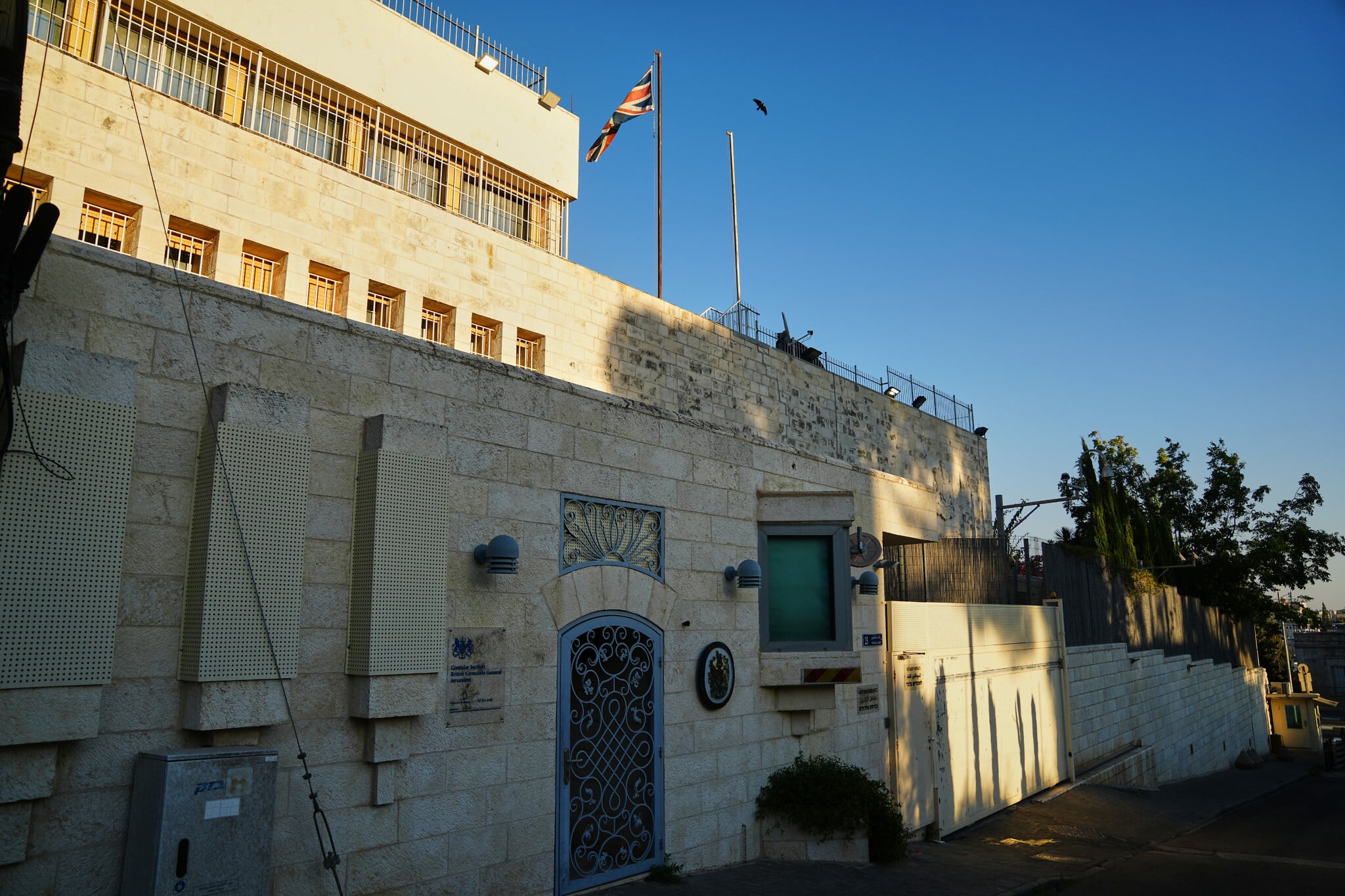
Foreign Minister Gideon Sa’ar lambasted the British moves, calling them “antisemitic” and “morally distorted,” and announced several countermeasures, including the closure of the UK’s consulate in Jerusalem serving Palestinians. Opposition politicians also criticized London’s decision, but cast it as a diplomatic failure by Prime Minister Benjamin Netanyahu’s government.
The decision to end all dealings with settlements was welcomed by the Palestinian Authority, which called it “an important practical step.”
There is ethnic cleansing of Palestinians in areas of the West Bank – perpetrated by settler terrorists… The Israeli government has turned a blind eye to this and, worse, members of it have made statements and taken actions to support the forced displacement of Palestinians
In his speech, Miliband denounced what he called Israel’s entirely “unlawful occupation” of the West Bank and decried spiraling instances of settler violence against Palestinians, saying “settler terrorism is rampant,” and citing United Nations reports of an “average of six violent settler attacks against Palestinians per day this year, the highest on record.”
Miliband said London would impose an import ban on goods from Israeli settlements in the West Bank, sanction companies and individuals that facilitate settlement expansion, and refuse licenses for arms and other exports deemed to materially support Israel’s “occupation,” adding that France and Canada will also impose an import ban, with additional countries set to “support further action.”
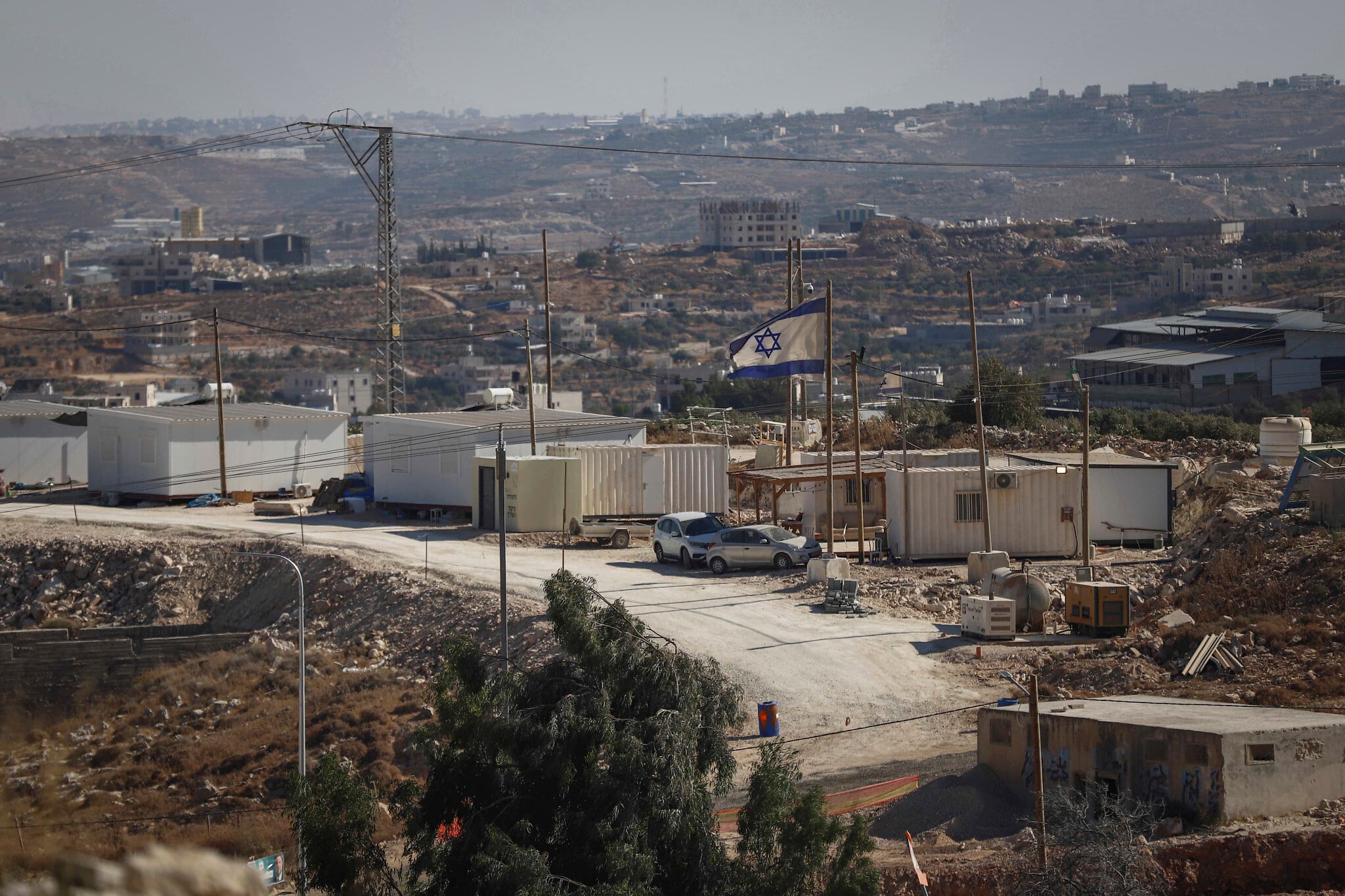
“The unlawfulness of the occupation should be reflected in the economic relationships we choose to have with the occupied territories,” Miliband said, noting that the import bans and a ban on advertising settlements in the UK would form part of a new “comprehensive sanctions regime” expected to take effect within six to nine months, with what he called “appropriate religious exemptions.”
The regime would also “take action against specific companies and individuals who provide services such as construction, infrastructure, financing, or real estate for settlement expansion,” he said.
Miliband stressed that the UK would continue trading with Israel inside the Green Line and opposed the broader Boycott, Divestment and Sanctions movement.
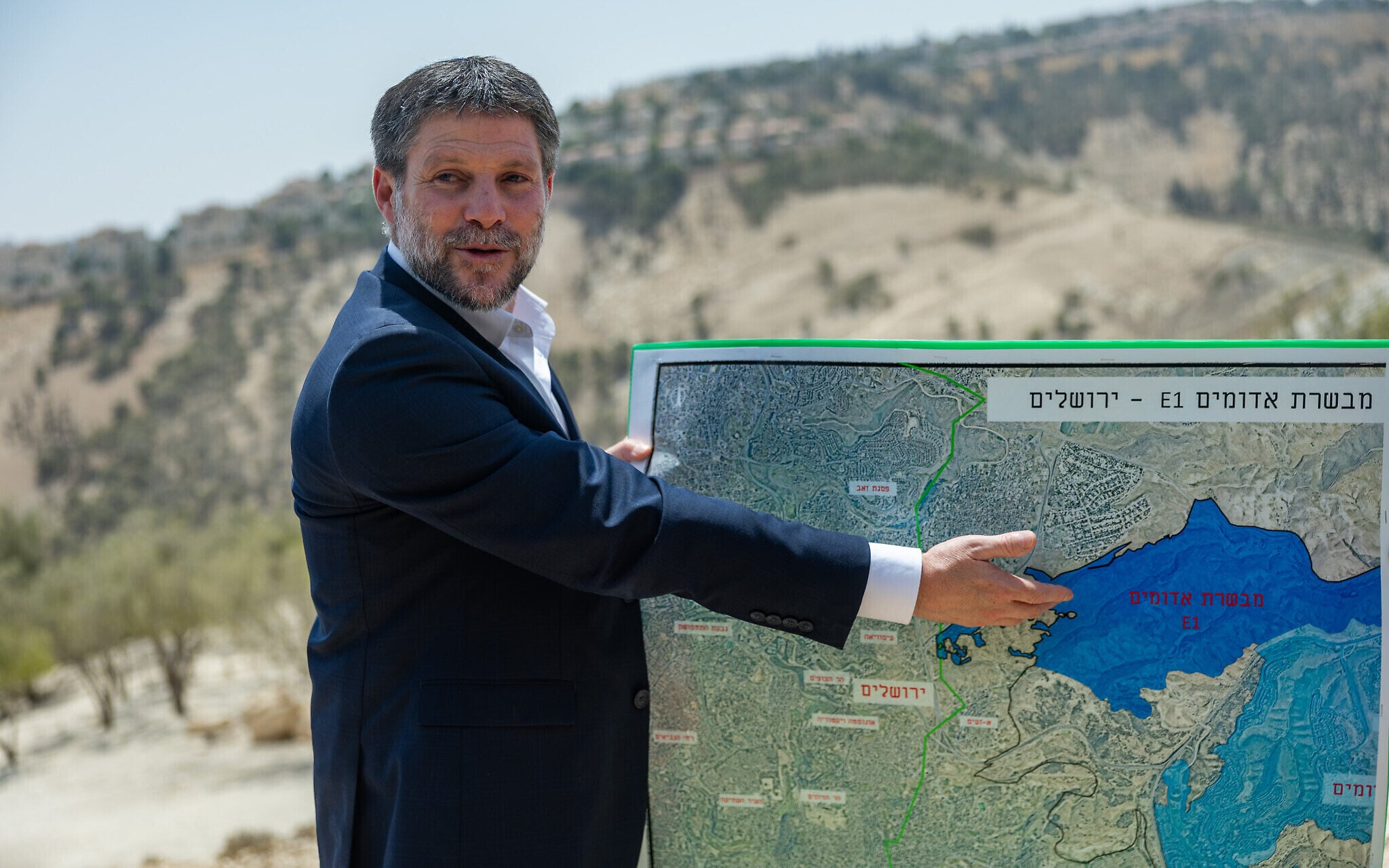
The British government was also taking several “immediate” steps, he said, including sanctioning a group of extremist settlers accused of supporting or inciting violence against Palestinians; expanding the UK’s existing global human-rights sanctions framework to enable swifter action against settlement expansion, including the E1 project; and refusing all license applications for arms and other exports that “materially contribute to the occupation.”
Miliband declared for the first time that the British government now considers Israel’s “occupation as a whole” as unlawful, citing Israel’s “entrenchment of its control,” alleged intention to “extend permanent sovereignty” and “expansionist agenda via illegal settlements.”
“Our argument is not with the people of Israel, with whom the UK has unshakable bonds,” the British foreign secretary said. “Our argument is with the conduct of its government.”
In their subsequent joint statement, Canada, Denmark, Finland, France, Iceland, Ireland, Norway, Poland, Portugal, Spain, Sweden and the UK called on Israel to “immediately halt the expansion of settlements and civilian administrative powers, ensure accountability for settler violence, and investigate allegations against Israeli forces.”
The countries stressed that they recognized Israel’s security interests and were determined to tackle antisemitism.
In his speech to the House of Commons, Miliband also announced sanctions on Hezbollah’s financial arm, Al-Qard al-Hassan, and said the UK would reimpose major economic sanctions on Tehran in coordination with the European Union and the US.
US ‘obviously’ won’t follow suit
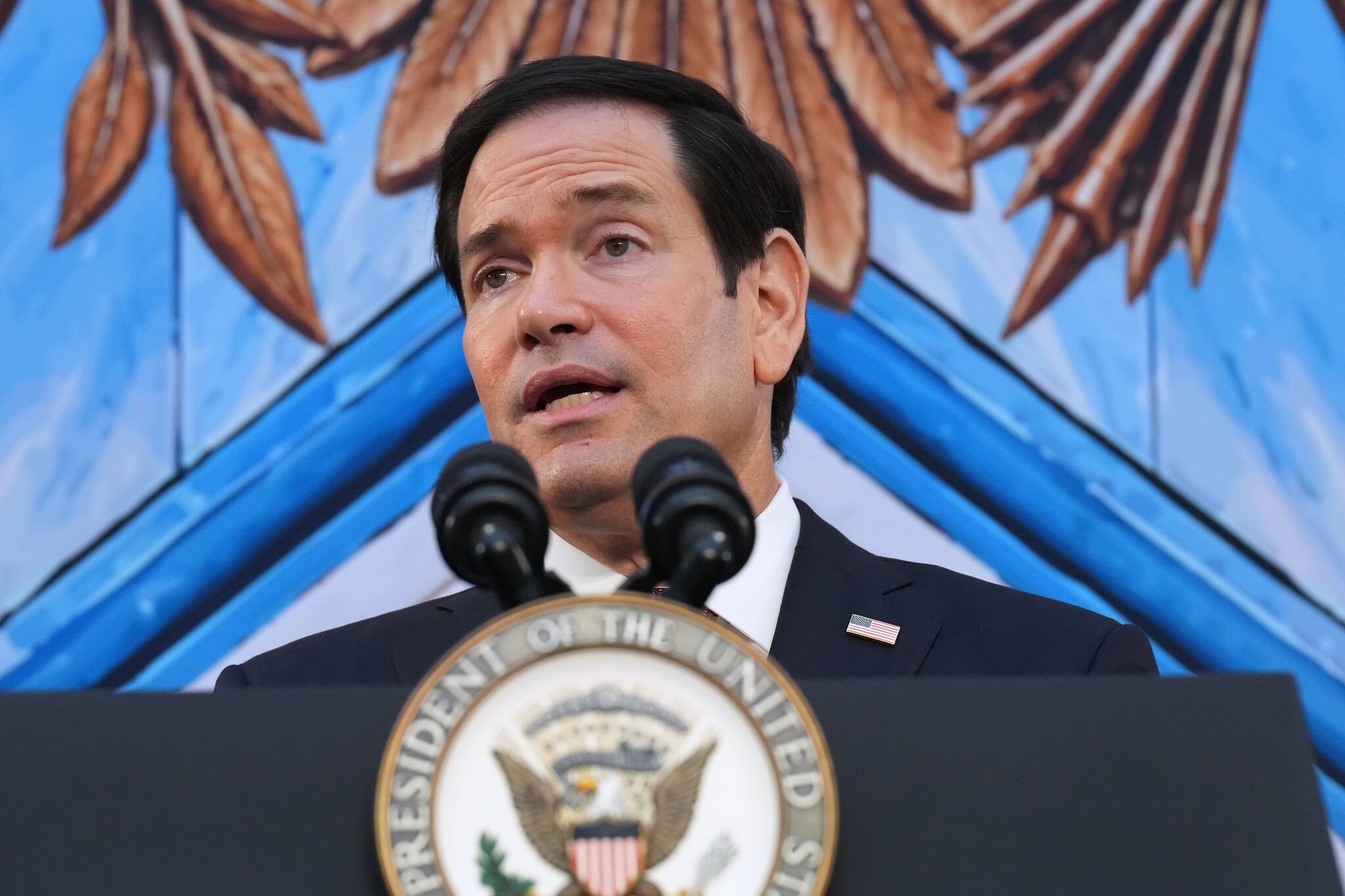
The United States said it would “obviously” not join the effort, but Secretary of State Marco Rubio did not condemn the UK’s move and did stress the need for stability in the territory roiled by settler violence and rapid Israeli settlement expansion.
“Obviously, we’re not going to do what the UK did. We saw their announcement today, but I don’t have any comment on it right now,” Rubio told reporters in Miami.
But he added that the US does not want to see “anything destabilizing going on right now in the West Bank with so much going on in the region.”
‘Outrageous lies’: Sa’ar fumes, shutters UK consulate, bans Corbyn and others
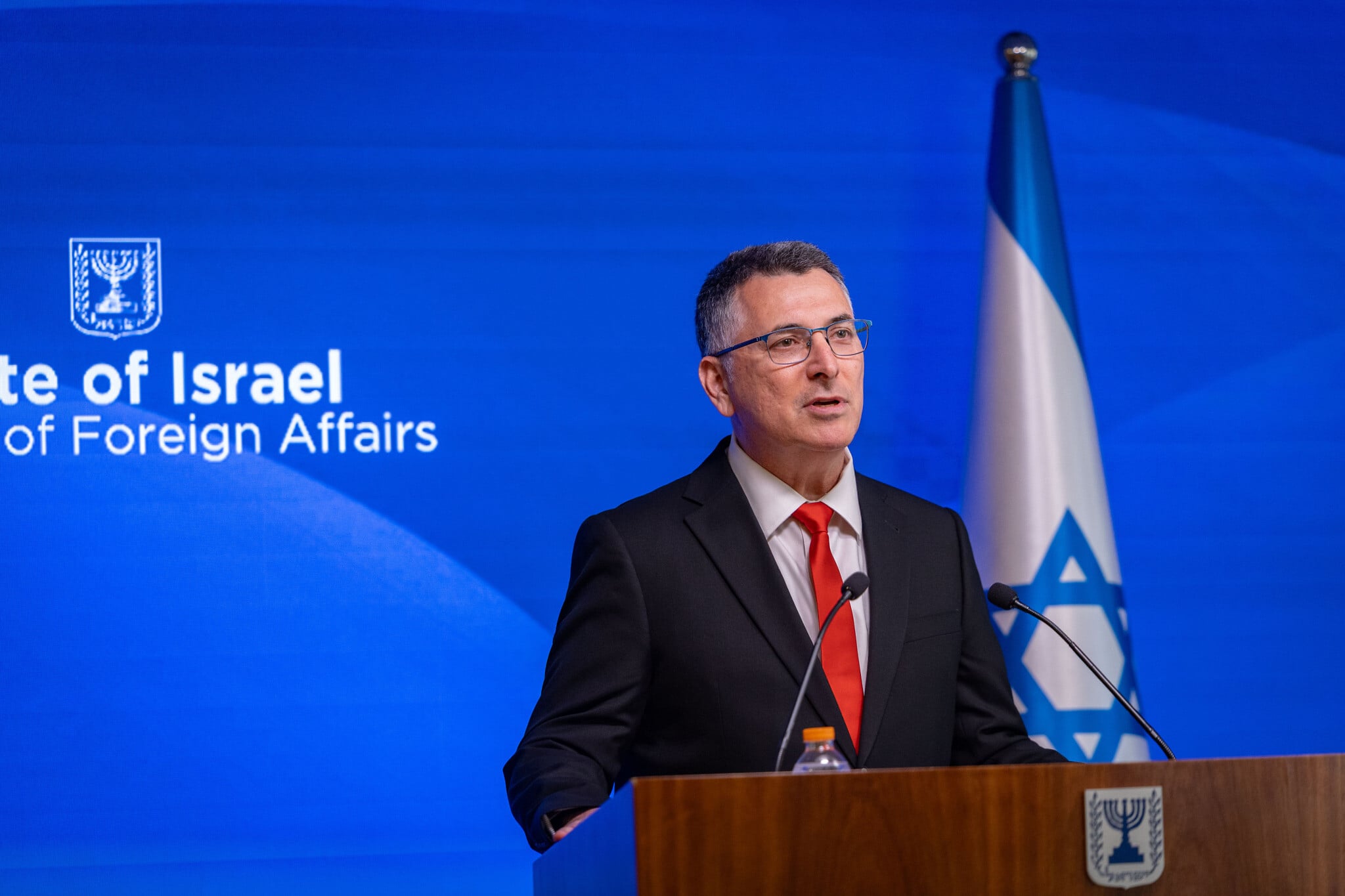
In a lengthy response to the sanctions, Sa’ar called the accusations made by Miliband “outrageous lies” and “morally distorted,” and said Jerusalem had “no choice” but to respond with countermeasures, first against the UK and then, “at our discretion, against other countries that act or will act against Israel.”
Sa’ar announced the closure of the British consulate in Jerusalem, as well as the removal of UK representatives from an international Gaza support center and the termination of British activities to train Palestinian Authority forces.
The foreign minister said he was also denying entry into Israel to 12 British “elected representatives and other British nationals involved in antisemitic and anti-Israel activity, as well as those who deny the very existence of the State of Israel.”
The list included 11 members of parliament, the majority of whom are not from the governing Labour Party, and a lawyer, Fahad Ansari, who has represented Hamas’s political wing in court in the UK in its attempt to remove itself from the list of proscribed terrorist organizations.
The banned MPs were named as former Labour leader Jeremy Corbyn and Zarah Sultana, of Your Party; Naz Shah, Diane Abbott, John McDonnell, and Richard Burgon, of Labour; and Hannah Spencer, Carla Denyer, Sian Berry, Ellie Chowns, and Adrian Ramsay of the Green Party.
In his statement, Sa’ar said: “A boycott of goods from Judea and Samaria is a despicable practice that harms hard-working, law-abiding citizens,” accusing London of singling out the Jewish state for such a practice.
“The claims regarding the severing of potential Palestinian territorial contiguity are also baseless. The decision of the Government of Israel, taken more than a year ago, stipulated that two roads would be built: the first, Road 80, which will serve as a major transportation route from the Bethlehem area to the Ramallah area; the second, known as the “Fabric of Life” Road, between a-Za’im and al-Ezariya,” he asserted.
Sa’ar added that “the claim of harm to ‘Palestinian territorial contiguity’ sounds particularly ridiculous coming from those who insist on defining Judea and Samaria and the Gaza Strip as ‘one territorial unit.’”
At the same time, the foreign minister explicitly rejected the formation of a Palestinian state, saying: “After everything we have seen, after the Israeli concessions in the Oslo Accords and the unilateral withdrawal from Gaza, the Second Intifada and October 7, the Israeli public utterly rejects the establishment of a jihadist terror state in the heart of our land.”
We did not return to our land after 2,000 years only to lose it under pressure from jihadists, Islamists, antisemites, far-leftists and wokes… Whoever acts against Israel, Israel will act against them, and they will lose their influence and relevance in the region
Sa’ar also berated the UK for not imposing sanctions on the Palestinian Authority over its longtime policy of paying pensions to the families of Palestinian terror convicts. The PA claims it’s changed that policy, but the US and Israel say it hasn’t.
“We did not return to our land after 2,000 years only to lose it under pressure from jihadists, Islamists, antisemites, far-leftists and wokes. Not only will you fail to harm us. You will harm yourselves and your own influence,” Sa’ar said. “Whoever acts against Israel, Israel will act against them, and they will lose their influence and relevance in the region.”
‘Did they not wake him up?’: Lapid slams Netanyahu
Opposition leaders condemned the sanctions, but also characterized them as a diplomatic failure by Netanyahu’s government.
Opposition Leader Yair Lapid called the ban “severe and misguided,” while blaming the government for “leading us to unprecedented diplomatic isolation, and not doing anything other than condemnations and threats that no one responds to.”
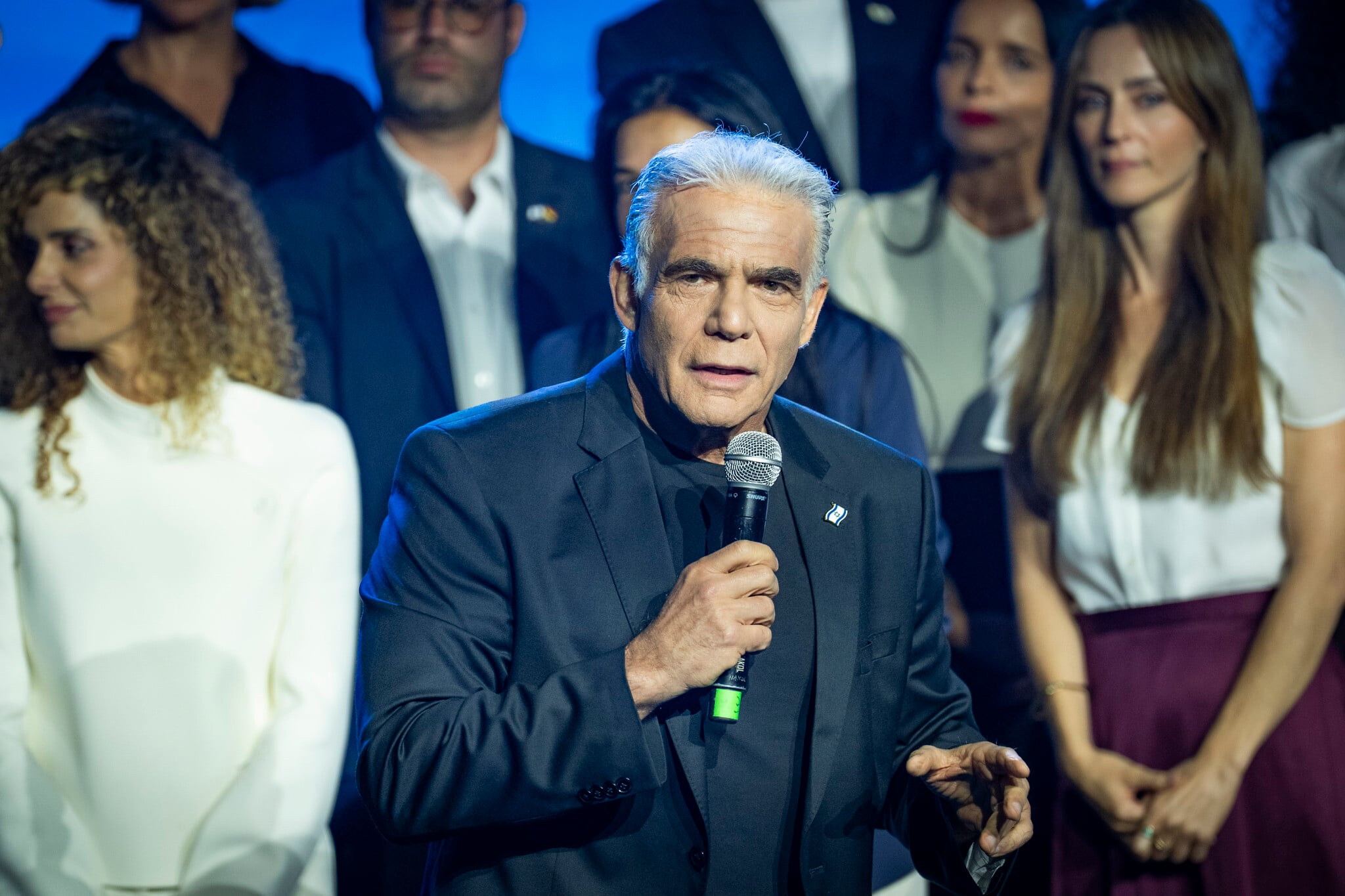
In a separate post on X, he wrote: “For a week now, the government has been preparing us for sanctions by Britain, and now it becomes clear that 10 other important countries joined them, and nobody knew.”
“Did they not wake him up?” he wrote, scornfully referencing Netanyahu’s explanation for his failure to stop the October 7, 2023, Hamas attack that started the Gaza war.
Blue and White’s Benny Gantz called the UK’s decision “hypocrisy,” and said “the only way to deal with it is to build a strong coalition, and a strong government. Without extremist ministers, without games, and without apologies.”
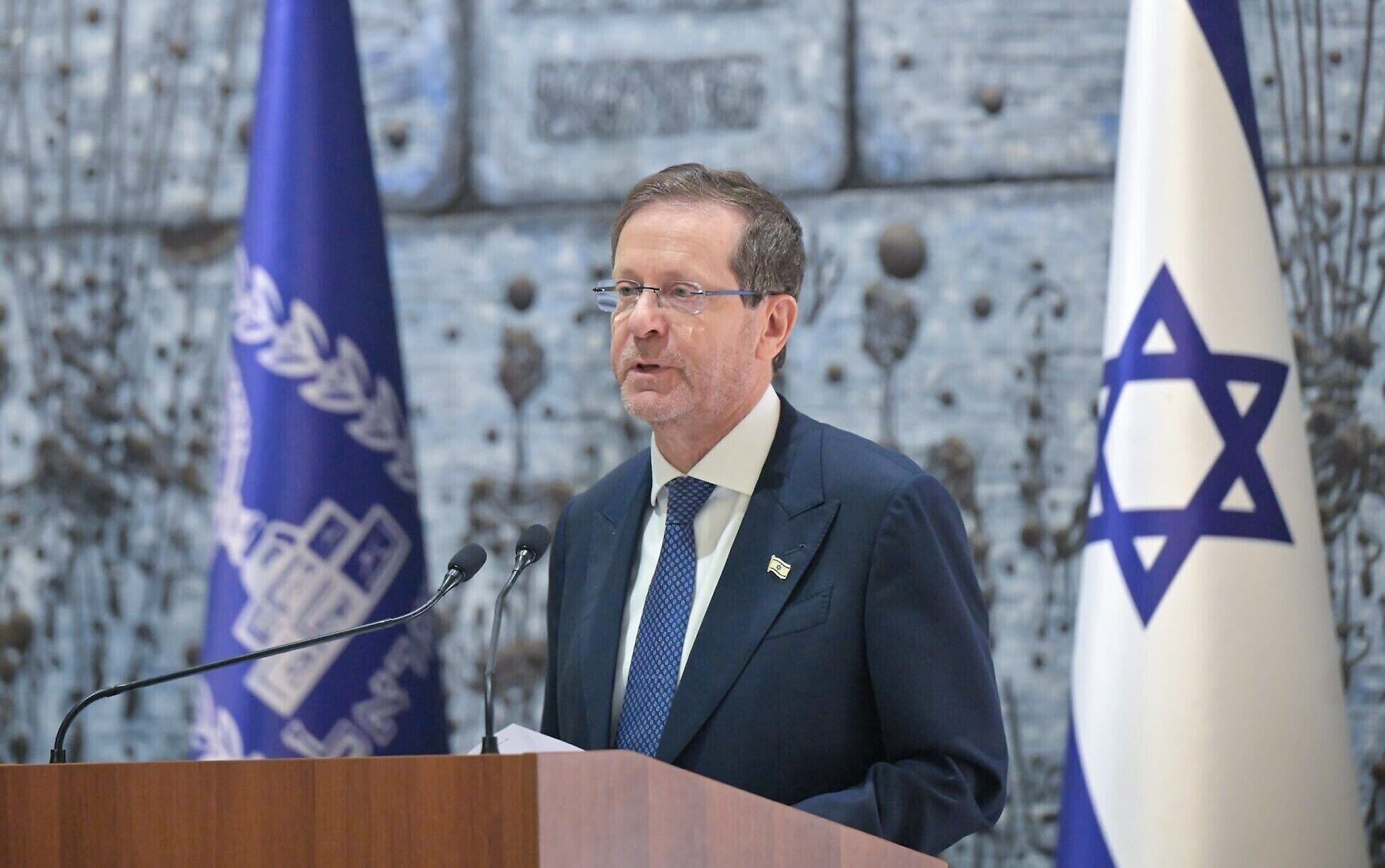
Earlier Tuesday, before the sanctions were announced, President Isaac Herzog had said the decision would constitute “a grave miscalculation, a decision that will fall on the wrong side of history,” adding: “In the current context, it would be a gross interference in the democratic election of a sovereign nation.”
The main representative group of British Jewry similarly criticized the timing of the decision, while also expressing “deep regret’ over its substance.
“Before the Jewish New Year festival of Rosh Hashanah, with concerns for communal security at their highest levels, this will be felt particularly acutely by British Jews,” the Board of Deputies of British Jews said in a statement.
“Announcing such measures during an already heated Israeli election – which has the potential to lead to considerable change to the situation in the West Bank and Gaza – risks perverse consequences which go against the UK’s stated objectives,” it added. “We urge both governments to avoid pursuing what appear to be party interests over national interests.”
Settler group: ‘We will respond with more construction’
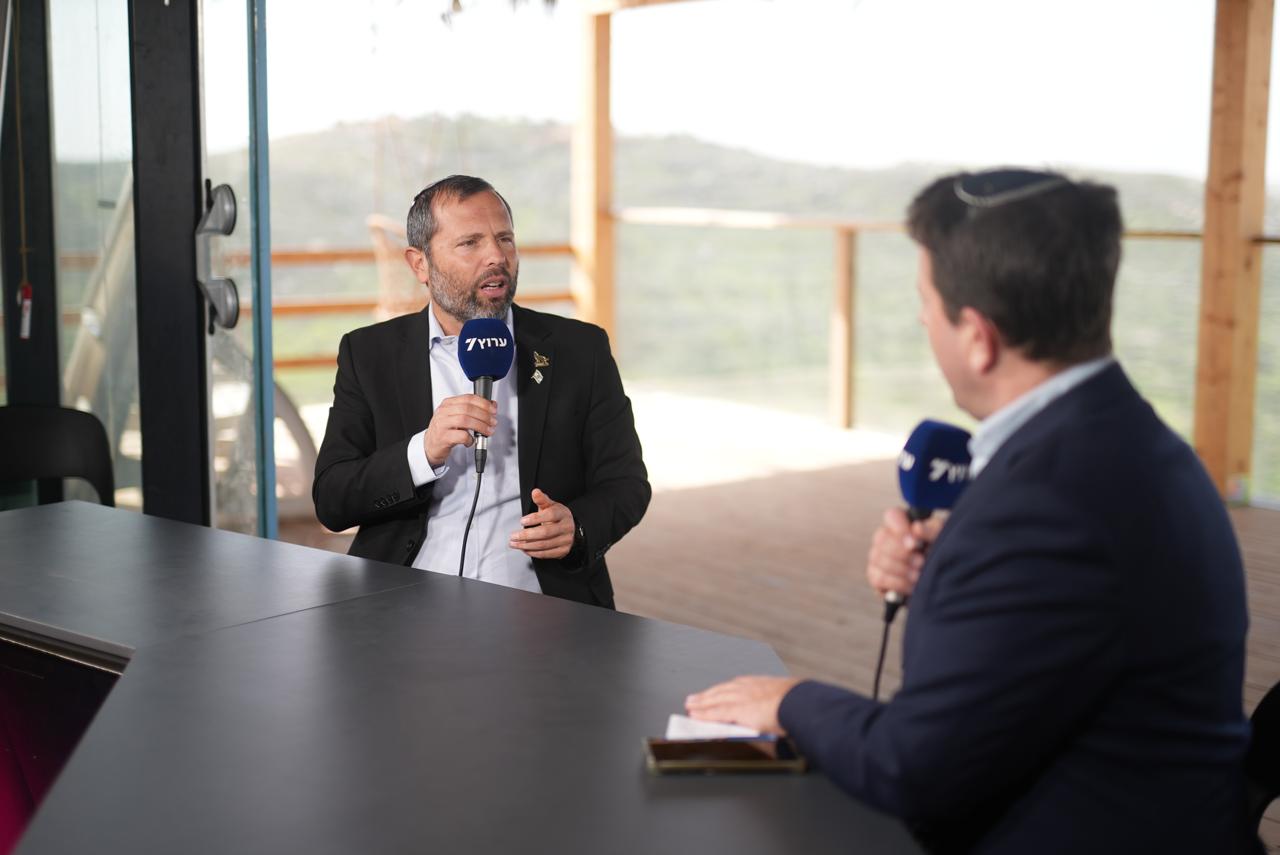
In the West Bank, the sanctions were denounced by representatives of the settlements themselves. Yisrael Ganz, chairman of the Yesha Council umbrella organization, called the import ban “antisemitic” and a “moral disgrace.”
“Britain’s decision to boycott products from Judea and Samaria and impose sanctions on Jews simply because they live and work in parts of their homeland is a disgraceful antisemitic step,” said Ganz.
Israeli groups opposed to the settlement enterprise welcomed the trade ban, however.
Peace Now said the settlements “endanger the future of the State of Israel,” adding that it “is good that Britain and other countries make the necessary distinction between sovereign Israel and the settlement and outpost enterprise beyond the green line and are acting against annexation and settler terrorism.”
Zev Stub, Leon Kraiem and agencies contributed to this report.







The Times of Israel Community.