

Jewish geneticist finds mutation behind sudden deaths that haunted her family for decades
In ‘The Dressmaker’s Mirror,’ Susan Weiss Liebman recounts how supposed freak accidents hid an inherited heart condition – and the implications for Ashkenazi Jews and genetic testing
 Add ToI as a Preferred Source on Google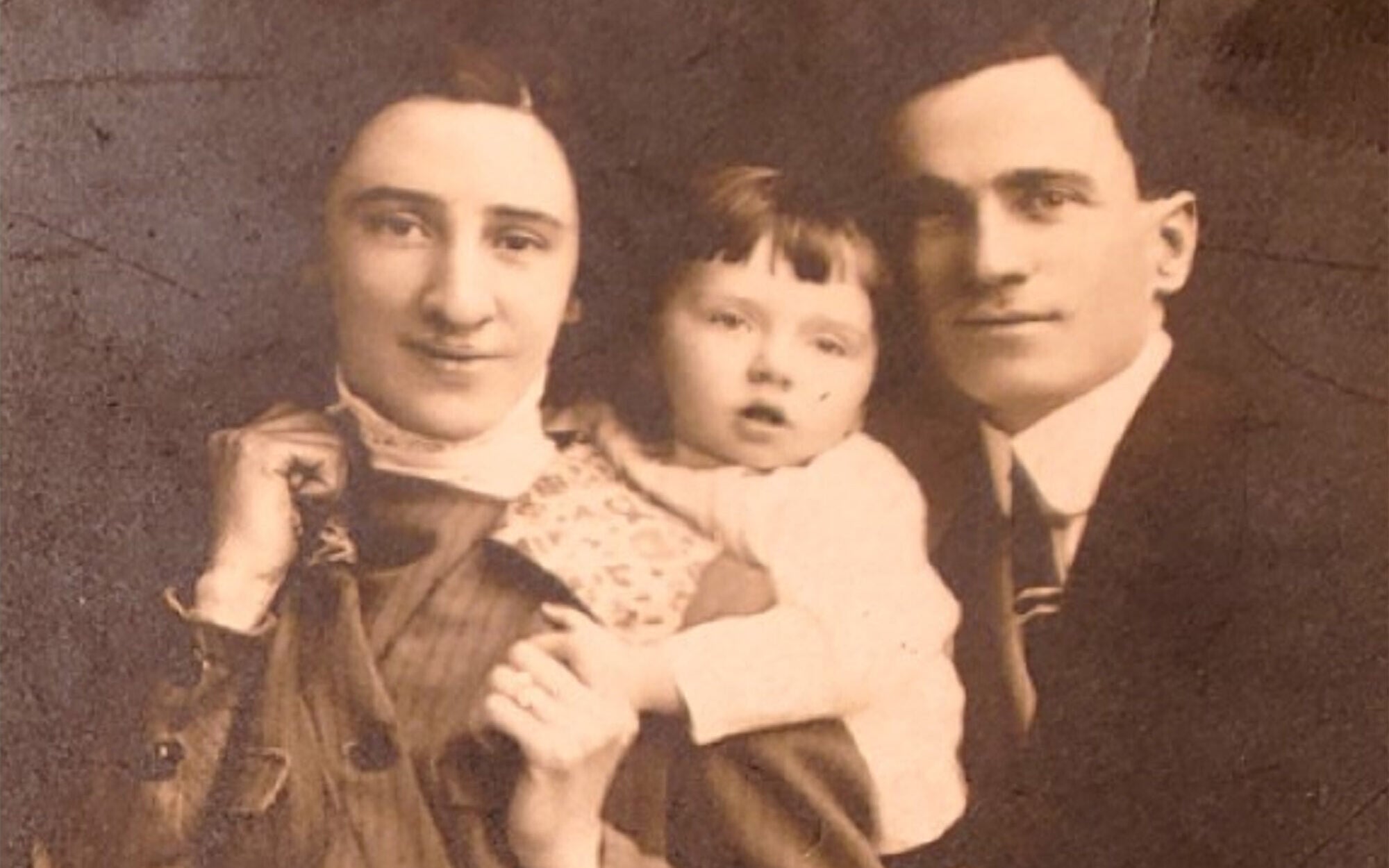
A genetic mystery wreaked havoc on her family. But after decades of rumors and research, Susan Weiss Liebman, a professor of genetics at the University of Nevada, has cracked the case. To prevent the tragedies that befell her family, the scientist is determined to share her findings far and wide in a new book.
“I believe I became a geneticist, at a time when few women pursued this path, because I was destined to help understand the family illness and advocate for genetic screening,” she wrote in the preface.
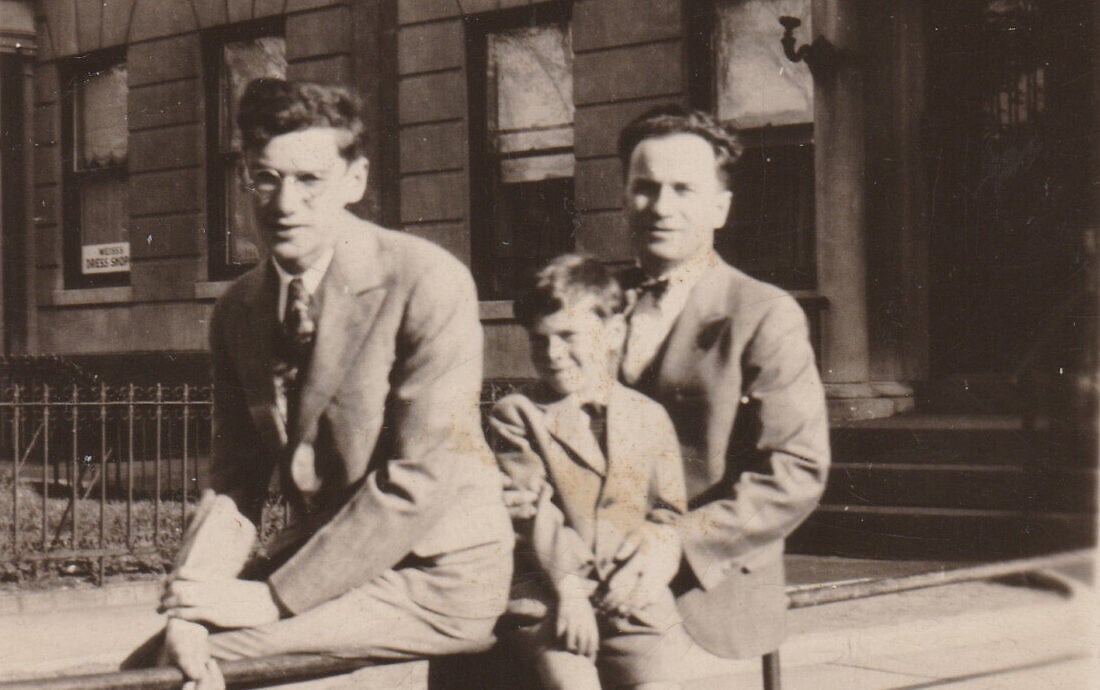
Liebman grew up hearing how her uncle was killed in a freak accident when he was four — little Eugene was running around the workshop of his seamstress mother when he accidentally knocked over a dressmaker’s mirror and was crushed beneath its weight.
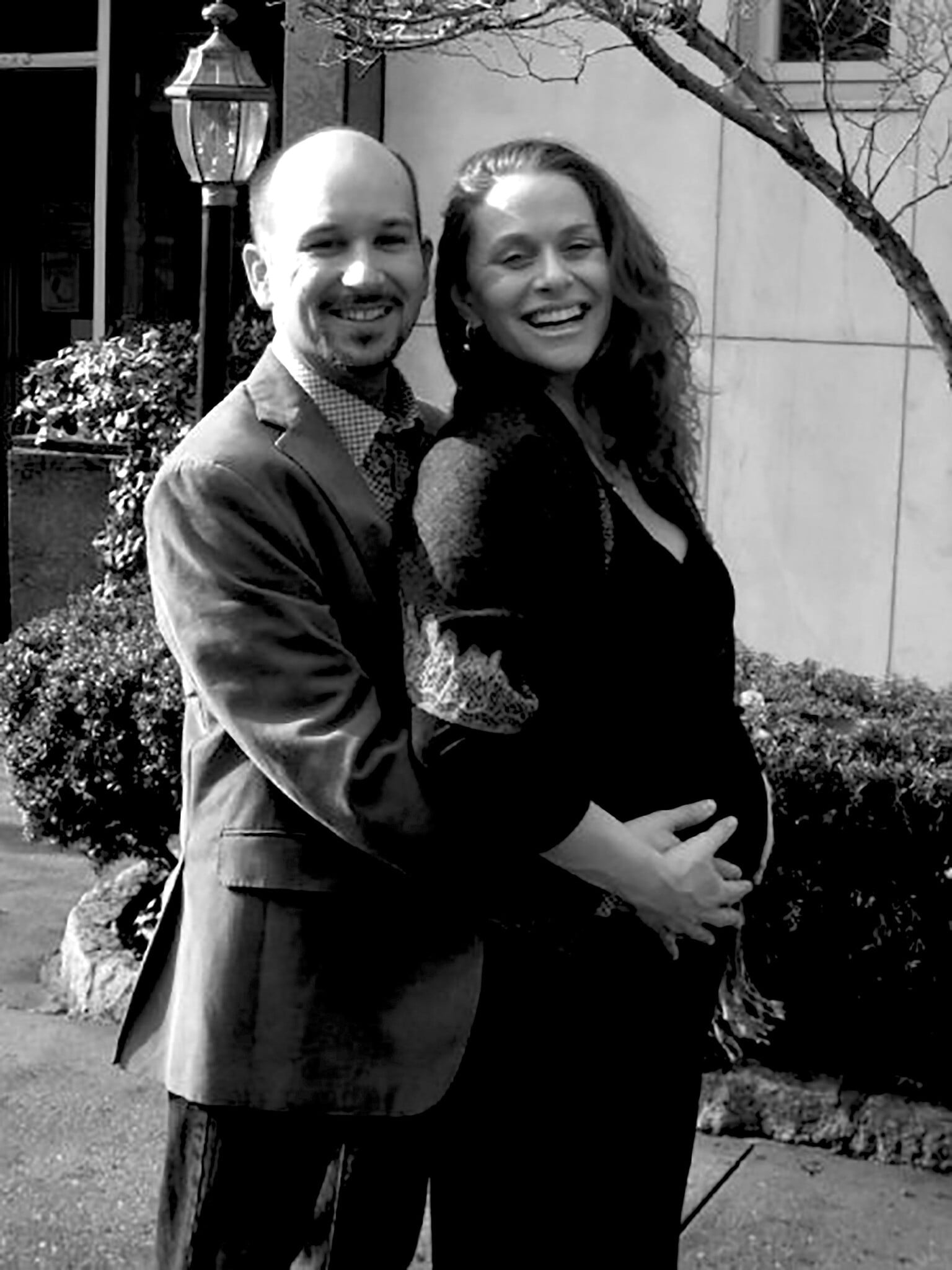
Liebman, 78, who lives in Reno, Nevada, had no reason to question this family tale until decades later, when tragedy struck again. On November 16, 2008, her niece Karen Rothman Fried was out for dinner with her husband when she collapsed and died. Karen was 36 and six months pregnant with their first child, who did not survive.
This horrifying episode came 28 years to the day after Liebman’s beloved father Norman passed away following a sudden heart attack. His own father had also died suddenly at age 41.
The results of Rothman Fried’s autopsy showed she had dilated cardiomyopathy (DCM), a heart condition which her own mother, Liebman’s sister Diane, was diagnosed with years earlier. Diane had always been told her condition was a “fluke,” or caused by a virus.
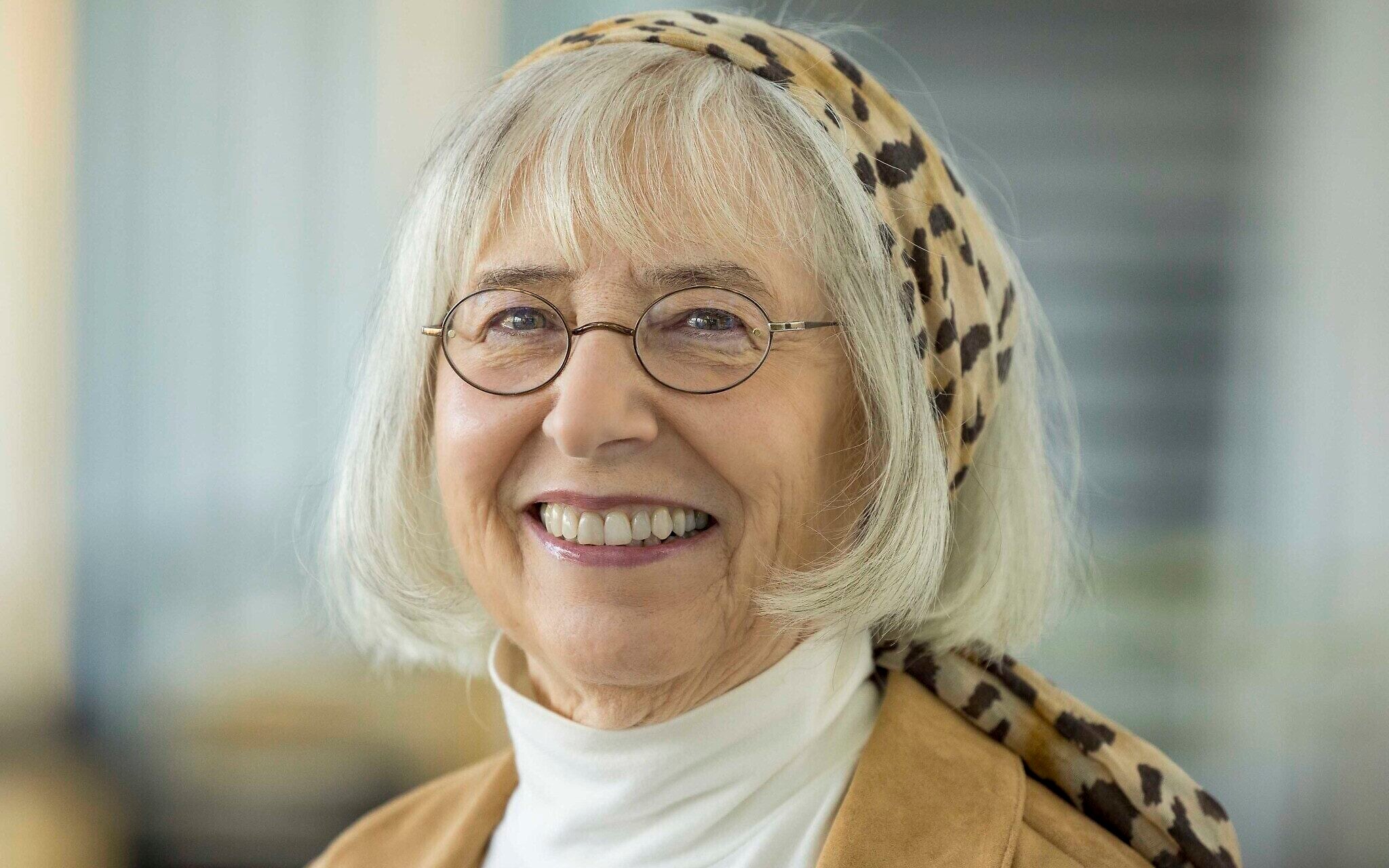
As they battled with their unfathomable grief, the family began to suspect something sinister lurked in their genes — and Liebman set out to find it. What she discovered, over years of research by expert heart geneticists she engaged, was a previously unknown heart disease gene that was mutated in her family.
The mutation was in the FLNC gene, which is linked to heart muscle function. To Liebman’s great relief, she herself tested negative for the mutation, which meant her two children were in the clear. Her sister, however, was positive, which explained her DCM diagnosis. Liebman’s nephew was found to be negative.
Finding answers for her family was not enough for Liebman. She was determined to spread the word about such hidden dangers so set about writing a book.
For a long time her work in progress was untitled. “Only as I’m finishing up the book, two years into writing it, it occurred to me I should figure out what my uncle Eugene’s injuries were,” she told The Times of Israel.
She already had his death certificate but realized she had never looked up his cause of death.
“I took it out expecting to see that it talked about injuries, but it didn’t. It said congestive heart failure.”
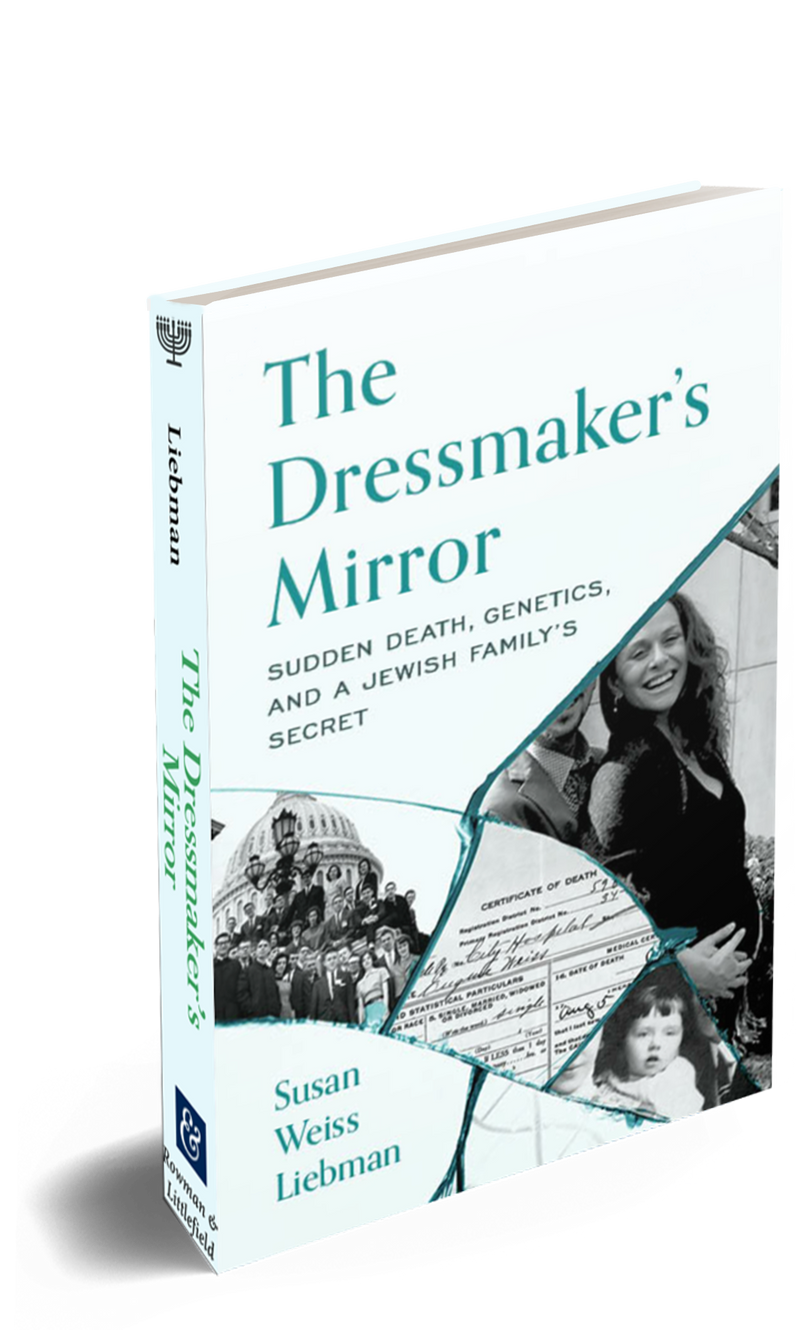
Liebman recalled being “terribly shocked” at realizing “there was never a mirror.” And so the book, published in late 2024, gained its title: “The Dressmaker’s Mirror: Sudden Death, Genetics and a Jewish Family’s Secret.”
“Nobody knew about DNA back then, but even then they figured it out,” she said. “They wanted to protect my father. In those days people would look at the family history. They didn’t want their children to marry into a criminal family and they didn’t want to marry into a sick family.”
This, she believes, is why her grandparents covered up the real cause of Eugene’s death. The tragic irony is that had the family “inheritance” been openly discussed, subsequent deaths might have been prevented.
“When we got Karen’s autopsy back they called it ‘idiopathic dilated cardiomyopathy’, which means ‘we don’t know where it came from’,” said Liebman. “But we knew where it came from. It was familial — my sister had it. So then it became obvious it was genetic.”
Liebman’s niece had complained to her doctor about breathlessness but it was dismissed as a pregnancy symptom. “They may have taken her more seriously” had the hereditary element been obvious, her aunt believes.
The book is powerful and shocking as Liebman sets out to warn other families — especially those of Jewish Ashkenazi descent — about potentially deadly genetic mutations.
Best known of these are the cancer-causing BRCA mutations. These are now frequently screened for, with those testing positive — such as Hollywood star Angelina Jolie — taking preventative surgical measures to reduce their likelihood of developing cancer.
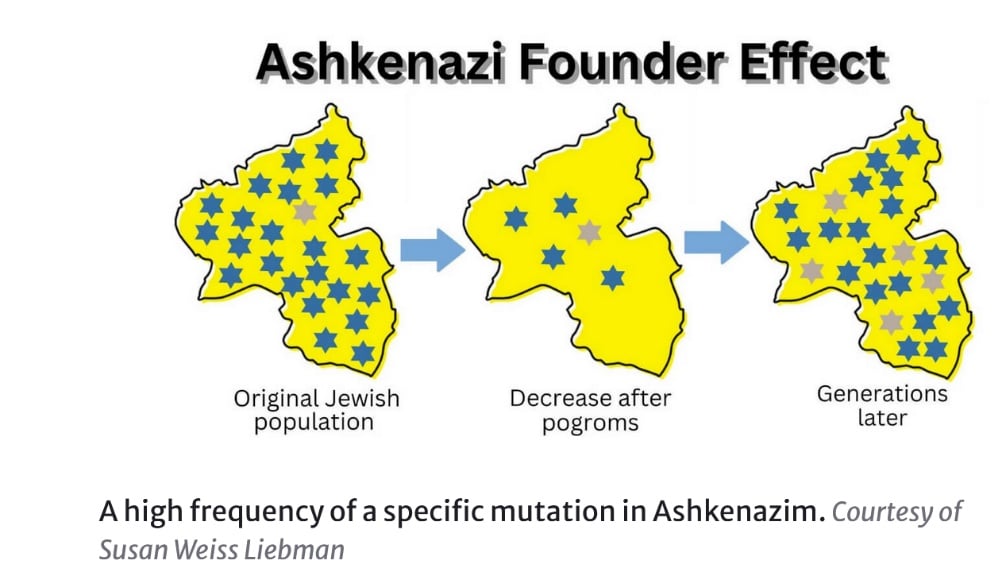
While the mutation that affected Liebman’s family was previously unknown, she had discovered that it is shared by one in 800 Ashkenazi Jews.
This is known as a “founder mutation,” she explained. “You had lots of Jews in Poland and Eastern Europe and one of them had to have Tay-Sachs mutation, one had a BRCA mutation and one had FLNC — our mutation.”
The size of the community shrank as a result of pogroms over time, but the mutations endured for generations, she said.
“It’s called a bottleneck,” she said, explaining that this is where outside circumstances push a community into a smaller geographical grouping.
“In that bottleneck, you happen to retain some of the mutations. Then you intra-marry so it becomes much more common than it would’ve been in the large population. Therefore you end up with a population that has a large number of these mutations that were in the founding population.”
According to Liebman, about 200 such founder mutations are known to exist within Ashkenazi Jewry. Most are “recessive,” meaning they only cause disease if inherited from both parents. This includes Tay-Sachs, which has been almost eradicated thanks to widespread genetic screening.
Liebman is more concerned with dominant mutations such as the one affecting her family. In other words, mutations where the risk of developing the disease is increased from just one parent having a single mutated gene.
Finding the mutation, she believes, has come with a responsibility to save lives. As soon as she had evidence of the mutation blighting her family, she engaged the genealogy skills she had developed to connect with others on her family tree who might be at risk.
Her mission, however, extends well beyond her family. Her campaigning did not end with the book’s publication. Since then she has tirelessly delivered talks to synagogues, book clubs and on social media in a bid to raise awareness of genetic testing.
Cardiomyopathies and other genetic heart conditions are leading causes of sudden cardiac death in young people, but many go undiagnosed until it is too late. In the US today, national guidelines recommend all cardiomyopathy patients receive genetic testing, but only 1% actually do.
“Twenty to 50% of people who are diagnosed with cardiomyopathy have a genetic mutation that’s causing it, and testing their relatives for the mutation could provide the warning needed to save their lives,” she said. “I thought by the time I finished this book everybody would get genetic testing, we wouldn’t need this. Sadly it remains an urgent, unsolved issue.”
Part of the problem is a lack of understanding of genetics both in the medical establishment and among the wider public.
“Doctors still think it costs a billion dollars, or at least $50,000 to get a genetic test. Often they don’t know how to order a genetic test or how to interpret it,” she said, adding that they are now affordable and easy to access, as is genetic counseling.
There is also a general reluctance among the public to be tested, she said. “People often think there’s nothing you can do anyway, but there are at least 84 genes that the American College of Medical Genetics and Genomics have agreed upon that are actionable, now including FLNC, so there is something you can do,” she said.
“If they find a problem, they’re going to treat you with pills that help correct it and if it’s bad enough, they’re going to insert a defibrillator that will restart your heart if the rhythm gets off or put you on a list for a heart transplant. It can be absolutely lifesaving.”








The Times of Israel Community.