

NYC Speaker Menin: Normalization of terror support is ‘shocking and abhorrent’
City leader decries backing for Hamas and Hezbollah on October 7 anniversary, urges attendees at antisemitism conference to make themselves heard online
 Add ToI as a Preferred Source on Google
Luke Tress is The Times of Israel's New York correspondent.
NEW YORK — Julie Menin, the speaker of the New York City Council, condemned the normalization of terrorism support in the US city at a conference about antisemitism on Monday.
“When we see the reaction to the mourning we all felt on October 7 [2023], where some tried to justify the attack or tried to blame the Jewish community for the attack, it’s wholly and completely unconscionable,” Menin said at Touro University’s Symposium on Antisemitism.
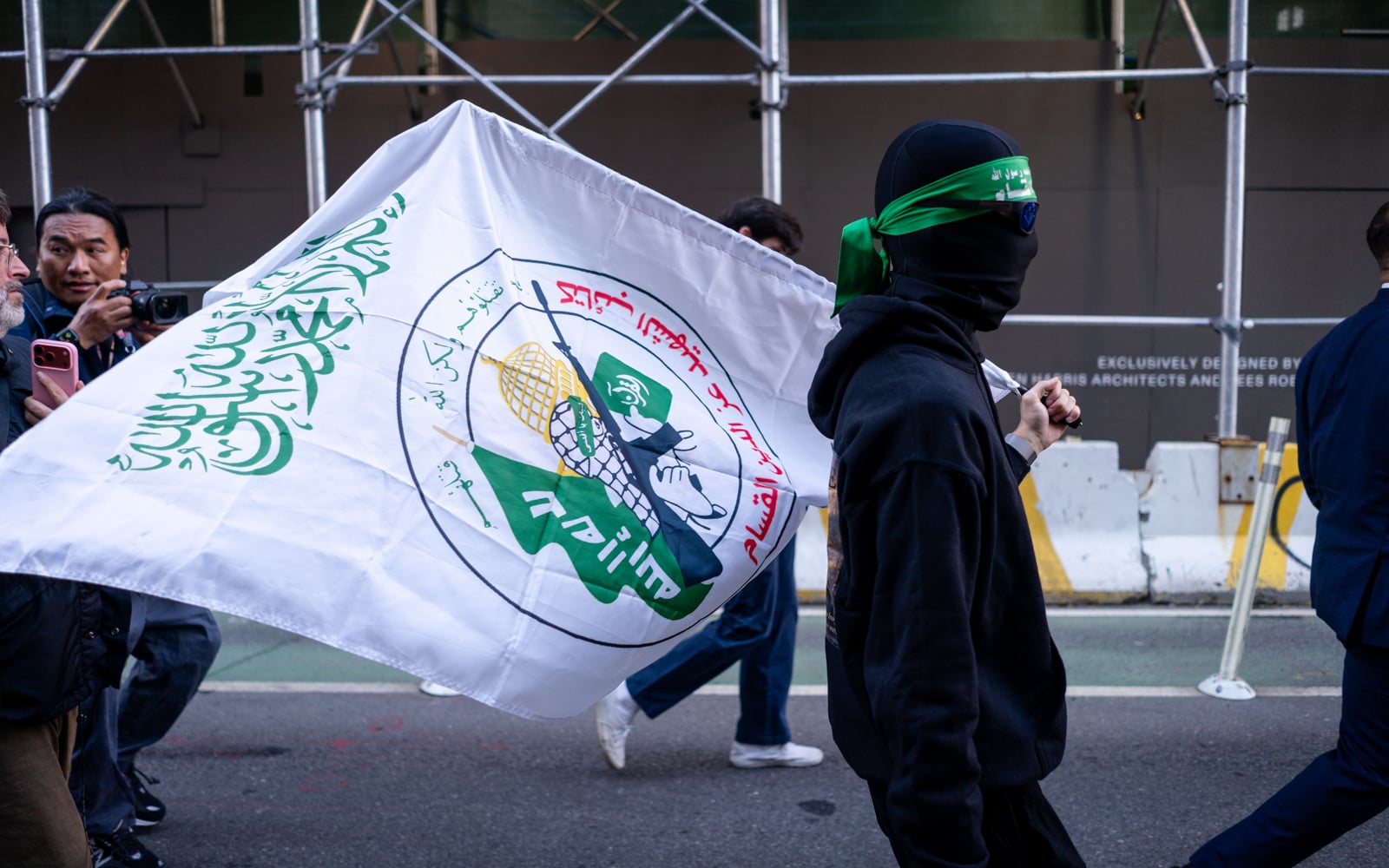
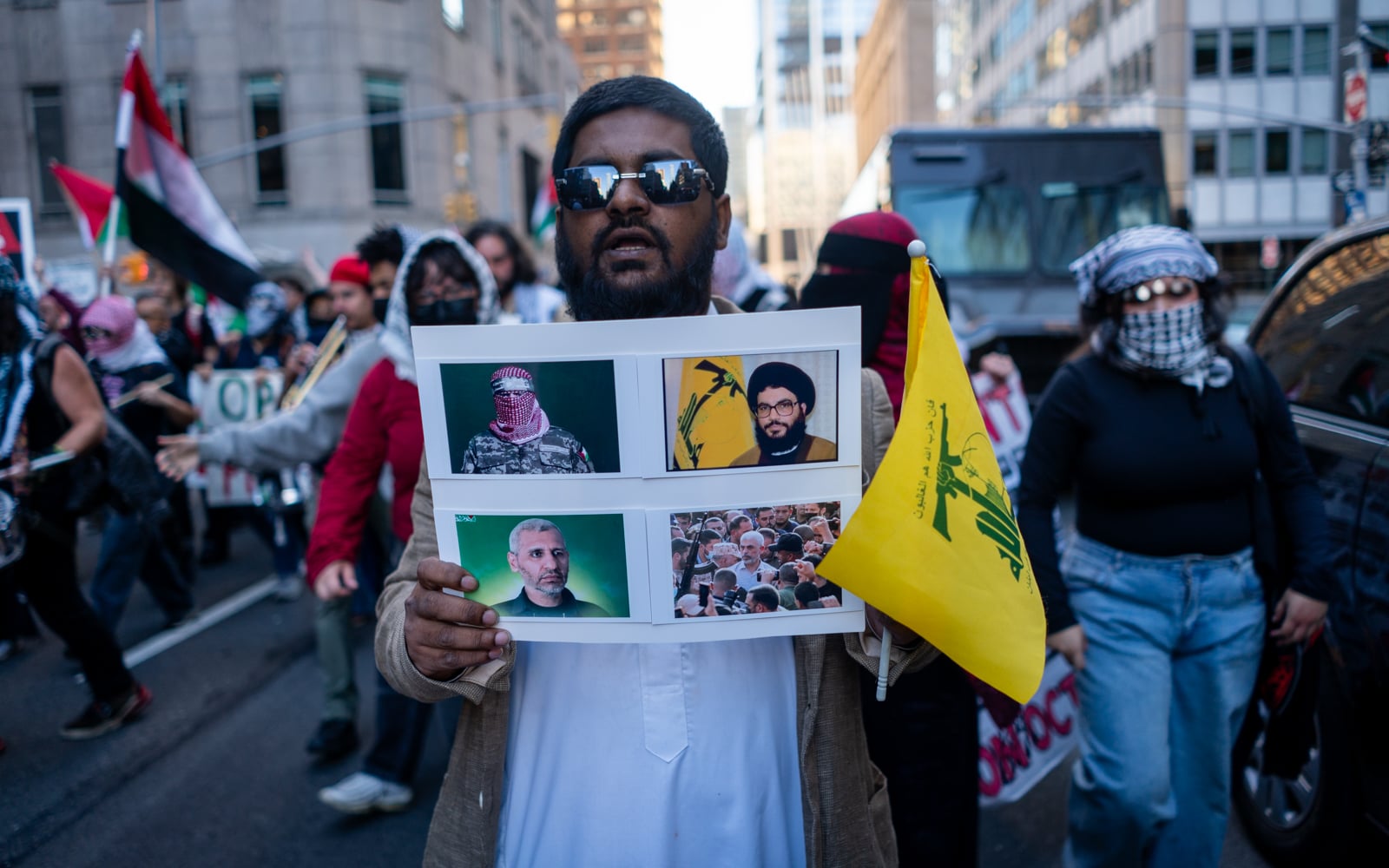
“This past October 7, right outside my window at City Hall, people were waving Hamas flags, Hezbollah flags. Some were holding up pictures of Sinwar, all in praise,” Menin said. Yahya Sinwar was the late leader of Hamas and the architect of the October 2023 invasion of Israel.
“It’s so shocking and abhorrent that this is happening and that somehow this has become the new normal in our city,” she said.
Anti-Zionist protesters marked the anniversary of the October 7, 2023, invasion of Israel this year with a series of protests at Columbia University, City Hall and against a coexistence event in Union Square.
Some of the protesters expressed explicit support for US-designated terrorist groups, which has become common at anti-Zionist rallies in the city in recent years.
The Times of Israel saw protesters carrying Hamas and Hezbollah flags and holding photos of Sinwar and other terrorist leaders.
Menin is the daughter and granddaughter of Holocaust survivors and the first Jewish speaker of the New York City Council. She has made combating antisemitism a priority since becoming speaker at the start of the year.
Jews are targeted in hate crimes more than all other groups combined in the city.
Menin said that, while New York State mandates Holocaust education, “Let’s be real — it’s really not happening at any meaningful level.”
She cited a statistic, from a Claims Conference study in 2020, that found that 34 percent of young people in New York believe the Holocaust is a myth or exaggerated or were unsure of its veracity.
In her Monday speech, she highlighted her opposition to the Metropolitan Museum of Art’s plan to honor designer John Galliano, who has a history of antisemitism. The museum, a public institution funded by the City Council, dropped its plan after pressure from Menin and others.
“That the Metropolitan Museum of Art was going to laud, fete, and honor this man at the Met Gala is so deeply offensive, and when they told me that, I actually physically felt that I had been punched in the stomach. I physically felt ill,” she said. “The idea that one of our cultural icons in the city would make this decision — it was so wrong, and so I spoke out, and I’m very pleased that they reversed their decision.”
Menin called for more education and for attendees to speak out, particularly on social media.
“I know it can be difficult to speak out,” she said, “but we have a duty to speak out because silence is complicity.”
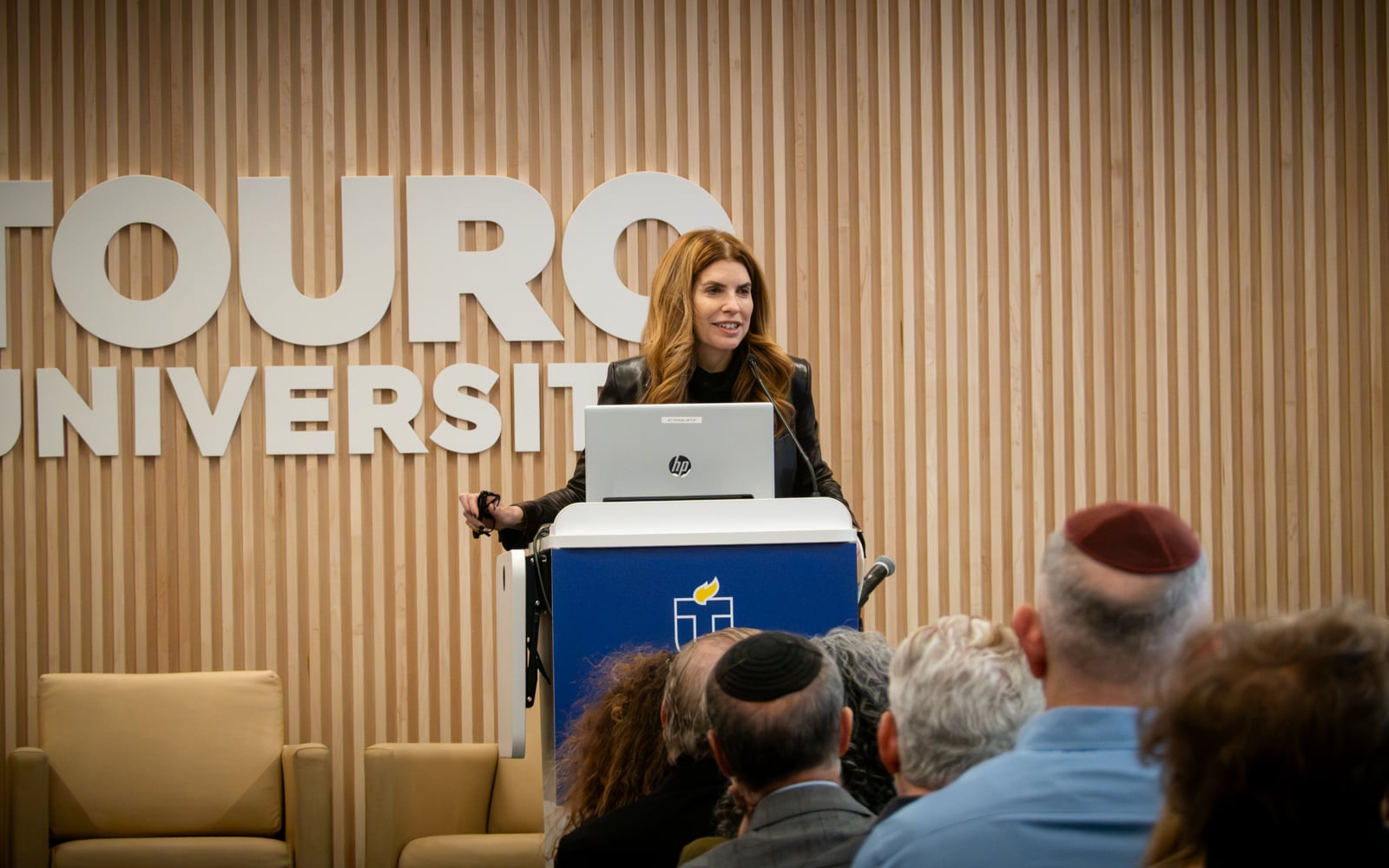
Touro University, the host of the conference, is a private Jewish university in New York City.
Monday’s conference brought in other Jewish elected officials from the city, including City Council Members Inna Vernikov and Simcha Felder, and State Assembly Member Simcha Eisenstein.
Speakers included Jewish academics, legal advocates and researchers.
Some were optimistic about the Jewish community’s future, while others were pessimistic about the fight against antisemitism and anti-Zionism.
Speakers agreed that anti-Zionism was discrimination against Jews and that the Jewish community needed to overhaul its approach to advocacy and combating discrimination.
“We are in a war without a war cabinet,” said David Harris of ISGAP, a prominent research center.
He urged the Jewish community to take measures including reassessing the approaches of legacy Jewish organizations, becoming “more sophisticated voters,” and being more judicious about donations.
“We are losing. The good news is it may only be the fourth inning,” he said.









The Times of Israel Community.