

Third US aircraft carrier arrives in Mideast as Iran rules out nuclear inspections
Tehran says UN inspectors will not gain access to damaged nuclear sites until war ends and its demands are met; Revolutionary Guards say oil tankers hit mines in Strait of Hormuz
 Add ToI as a Preferred Source on Google
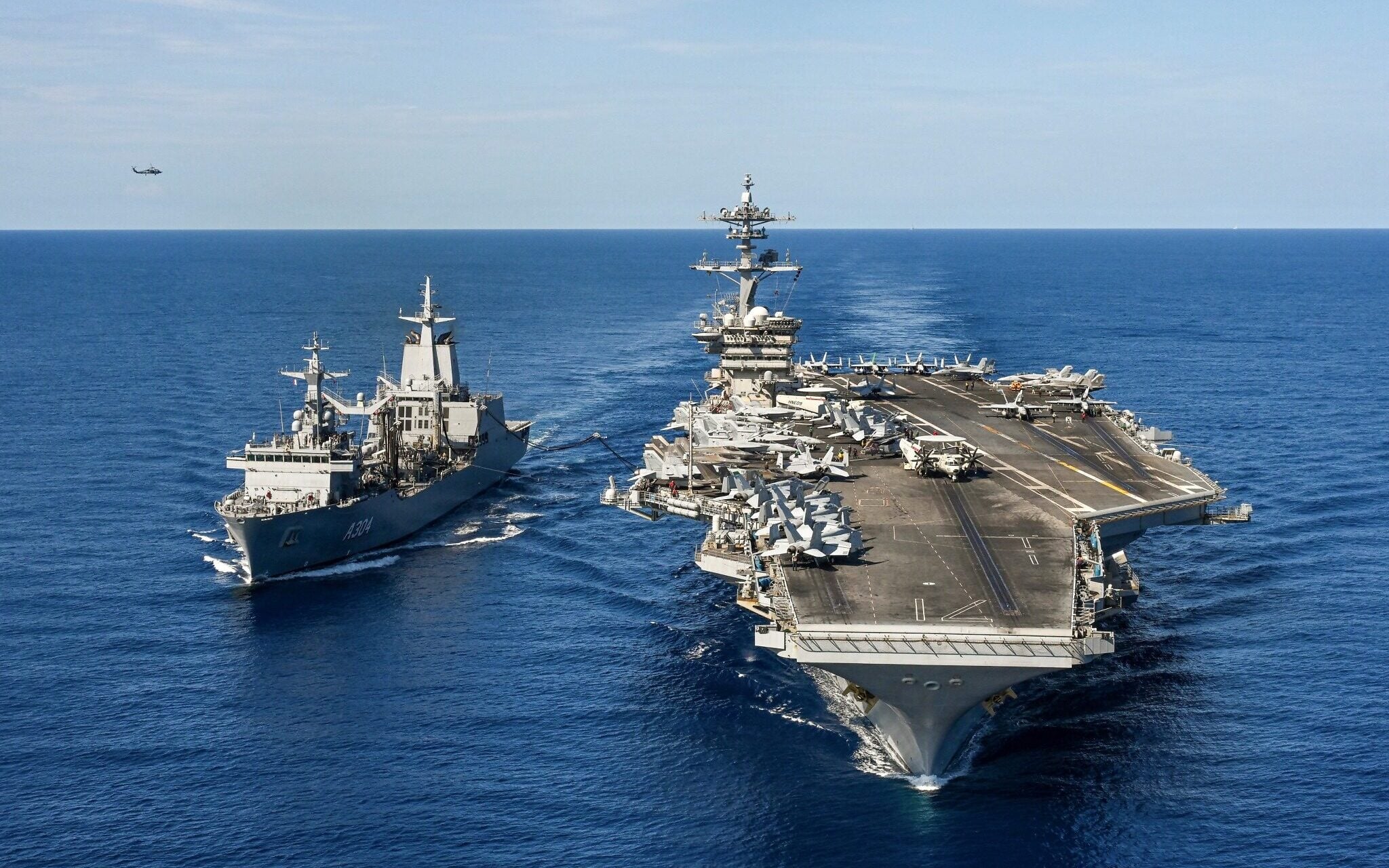
A third US aircraft carrier has arrived in the Middle East as the war with Iran stretches into its ninth month, with Tehran vowing Monday that it would not allow any inspections of its damaged nuclear sites until the conflict ended.
The USS Theodore Roosevelt arrived in the region on Sunday, Axios and Channel 12 reporter Barak Ravid reported, citing a US official.
The aircraft carrier’s arrival comes as fighting continues and shipping faces ongoing threats in the Strait of Hormuz, a vital energy shipping route. Iran has demanded that the US lift sanctions and unfreeze Iranian assets in exchange for reopening the waterway, while refusing international inspections of its damaged nuclear facilities until the war ends and its conditions are met.
The carrier joins the USS George H.W. Bush and USS George Washington, along with the USS Boxer amphibious readiness group. The deployment marks an unusually large US naval presence in the region, with more than 20,000 sailors and Marines and hundreds of aircraft.
The US Navy previously had three aircraft carriers in the Middle East in April, for the first time since 2003.
US President Donald Trump has reportedly told senior advisers in recent days that he may hold off on attacking Iran if the US faces no new provocations from Tehran or the Iran-backed Houthis in Yemen. Prime Minister Benjamin Netanyahu, who lost his parliamentary majority in the October 27 election, is reportedly still keen for the US and Israel to strike Iran.
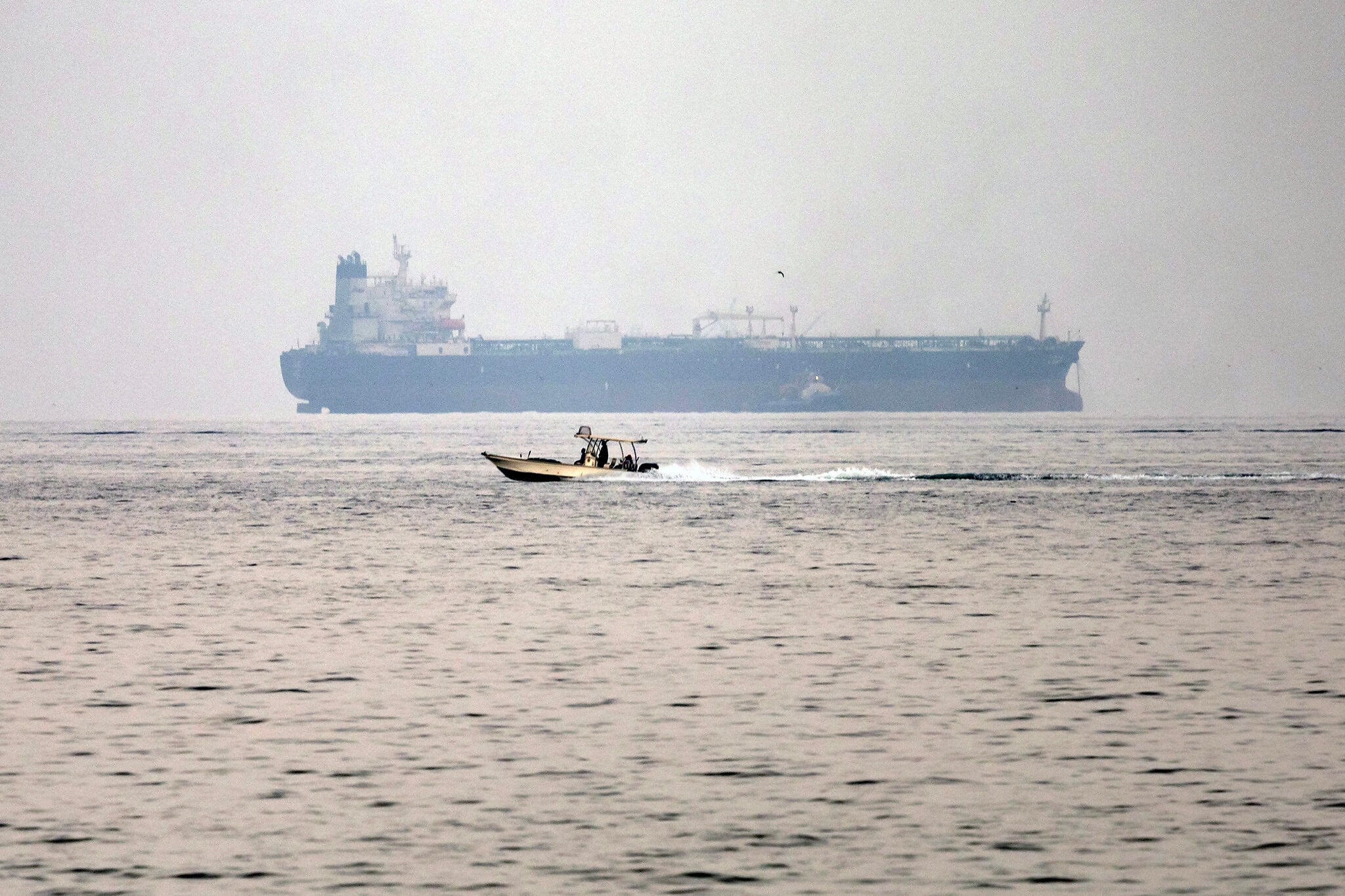
Meanwhile, Iran’s Revolutionary Guards said Monday that two oil tankers hit mines in the Strait of Hormuz, leading to explosions, according to a statement carried by Iranian state media.
Six tankers caught fire in similar incidents in the strategic waterway on Sunday and Monday, the statement added.
At least one of the tankers was on fire.
The ship was exiting Hormuz near the Omani coast when an “unknown projectile” struck, causing a fire in the engine room, UK Marine Trade Operations said.
Security monitor Vanguard identified the tanker as the Panama-flagged ON PHOENIX and said it was hit three nautical miles off Oman. Both agencies said all crew were safe.
Iran rules out nuclear inspections
Iran will not let UN inspectors visit its damaged nuclear facilities until the Middle East war has ended and the United States meets its conditions, a senior Iranian official said.
The remarks came days after the International Atomic Energy Agency urged Tehran to take steps towards resuming inspections, which have been suspended since last year’s 12-day war with Israel, when the US also struck Iranian nuclear sites.
“We will not grant the IAEA access to the facilities until Iran’s conditions are met and the war has permanently ended,” Deputy Foreign Minister Kazem Gharibabadi said in a televised interview late Sunday.
Iranian nuclear facilities were hit again during the war, which broke out on February 28 when US-Israeli strikes killed Iran’s supreme leader Ayatollah Ali Khamenei.
IAEA inspectors visited Iran’s Bushehr nuclear power plant in September but have not gained access to other bombed sites, including Natanz, Fordow and Isfahan.
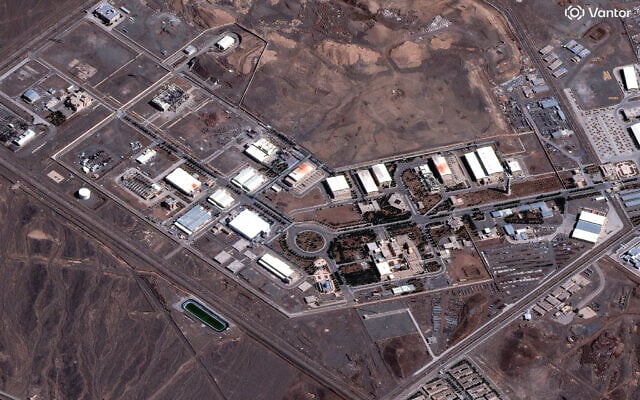
Gharibabadi said the agency’s request to inspect damaged facilities was “likely aimed at assessing the effectiveness of American weaponry.”
A confidential IAEA report on Iran seen by media outlets on Friday said that the UN’s nuclear watchdog cannot confirm that Iran hasn’t diverted nuclear material away from peaceful purposes.
Because of a lack of cooperation from Iran, the IAEA “is not able to conclude that there has been no diversion of declared nuclear material from peaceful nuclear activities in Iran,” the report said.
The IAEA said it is “increasingly concerned” about a uranium-enrichment plant at Isfahan that Iran declared to it last year but has still not let the watchdog inspect.
Efforts to end the war have made little headway. Tehran is demanding that Washington unfreeze Iranian assets and lift sanctions, among other conditions, in exchange for reopening the Strait of Hormuz, which it has blockaded during the conflict.
Iranian officials have said talks on Iran’s nuclear program would come at a later stage.






The Times of Israel Community.