

Israel kidnapped Iranian generals, killed one, in effort to locate Ron Arad — NYT
Mossad spent decades on efforts to capture Iranian officials in several operations based on misguided belief Iran held missing Israeli airman, investigation finds
 Add ToI as a Preferred Source on Google

Israeli agents kidnapped and tortured, and in one instance killed, senior Iranian generals in an attempt to discover the whereabouts of downed air force navigator Ron Arad, efforts that Israel now sees as mistakenly focused on the Islamic Republic, The New York Times reported in an investigation published Sunday.
In one operation detailed in the report, Mossad agents allegedly kidnapped an Iranian general from Istanbul, and later killed him and dumped his body, after interrogations proved unfruitful in gleaning information about Arad’s whereabouts.
The report cited testimony from “dozens of Iranian, Israeli and American officials.”
A joint Hezbollah-Iran report concluded that Arad died in Lebanon two years after his capture in Lebanon.
Arad has been missing in action since he bailed out of his plane during an operation in southern Lebanon in 1986. Israel believed he was captured by the Shiite Amal movement before being handed over to Iran, and moved from Lebanon to Iran and then back again.
Several signs of life were received in the first two years of his incarceration, including photos and letters, the last of which was sent on May 5, 1988.

In 1992, according to the report, Mossad officer Israel Perlov began looking for doctors who might have treated Arad after he landed in Lebanon. Perlov established contact with an Iranian doctor who said he had personally treated Arad in both Iran and Lebanon. But the doctor’s polygraph tests were inconclusive, and he disappeared after Israel offered him a suitcase full of money for information that would lead to Arad’s rescue.
The doctor’s claims were central to the growing consensus within Mossad that Iran had taken the airman, the report said.
In 1994, Israeli commandos abducted Mustafa Dirani deep inside Lebanon. He was a senior member of the Shiite Amal militia that had captured and held Arad. Dirani told Israeli interrogators that he had taken the Israeli to Nabi Chit in the Beqaa Valley, where he placed him under the guard of a trusted family. The guards left the house to fight Israeli soldiers nearby, and when they returned, Arad was gone, Dirani said.
Dirani, who claimed he was tortured during interrogations, told his captors that an Iranian official told him that Iran’s Islamic Revolutionary Guard Corps (IRGC) had taken Arad and spirited him to Iran. That tip led to a range of conclusions in Israel. Some saw it as evidence that Tehran held Arad, while others dismissed it because it was uncorroborated and extracted under duress. Still, public blame in Israel, including at the highest levels, shifted to Iran.
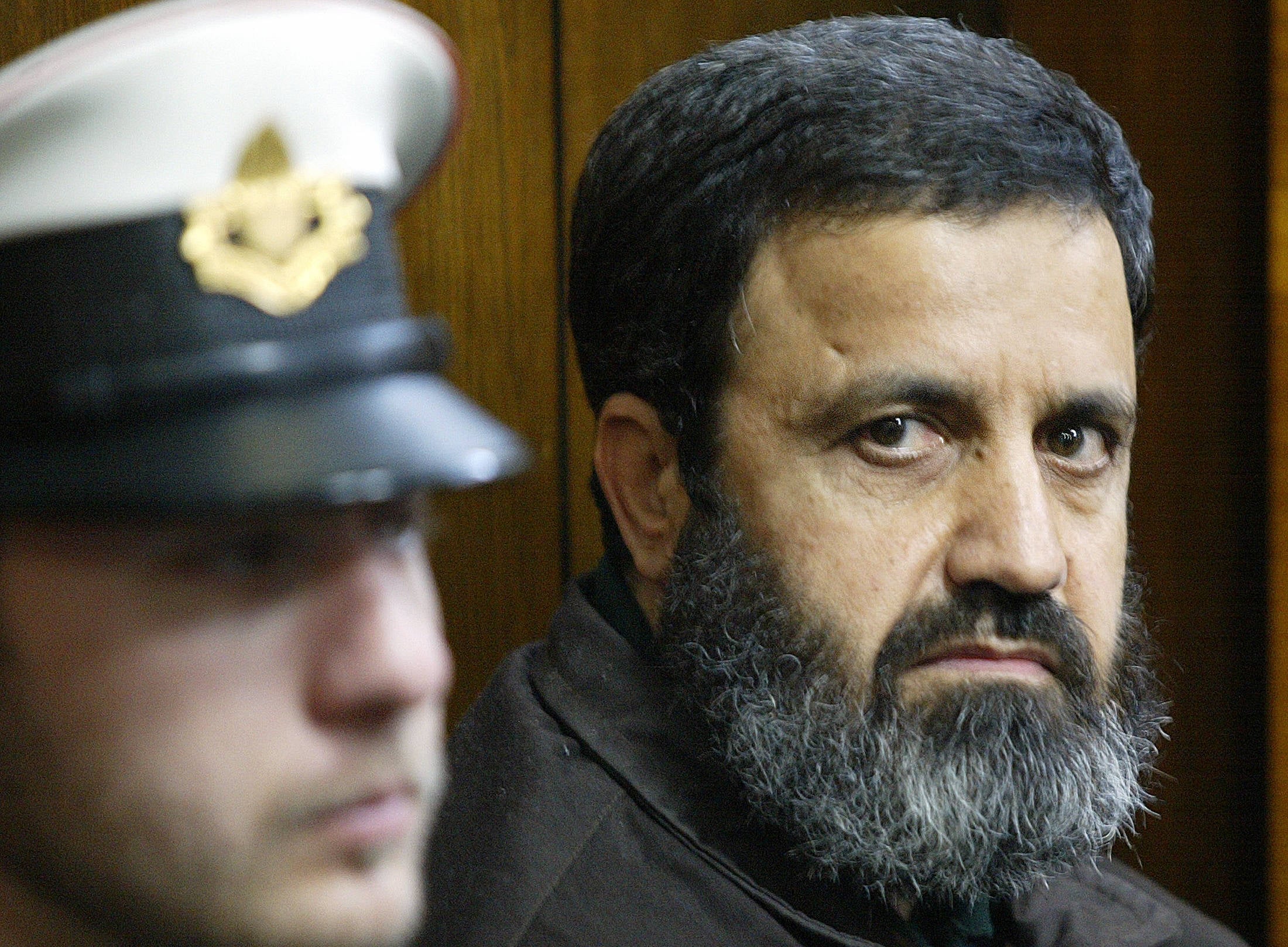
At the same time, some Israeli officials wondered why Iran was not trying to get anything from Israel in exchange for information.
Israel began to rally support from allies to help get information from Iran on Arad. “The issue of Ron Arad followed us everywhere,” Mohammad Ali Abtahi, Iran’s vice president at the time, told The Times. “In every international encounter we had, we were asked about Ron Arad, Ron Arad.”
In 1999, pope John Paul II gave Iranian president Mohamad Khatami a letter from Arad’s wife asking for information.
A 2004 IDF commission determined that Arad had died in the 1990s after he was denied medical treatment for a serious illness, and was buried in the Beqaa Valley.
The same year, Israel and Hezbollah moved closer to a German-mediated deal that would release Dirani and other high-profile prisoners in exchange for captive Israeli businessman Elhanan Tannenbaum, the bodies of three IDF soldiers, and information on Arad’s fate.
Iran tasked IRGC General Abdullah Saberi to oversee the search in Lebanon for evidence of Arad’s whereabouts, Israeli and Iranian officials told The Times.
That investigation came to the conclusion that Arad had died in Nabi Chit, and was buried there. According to the report, former Iranian president Ali Akbar Rafsanjani sent one of his children to hand-deliver the report to the Germans.
To Israel, Saberi’s involvement was evidence that the IRGC was involved in holding Arad, and a 2005 Israeli report concluded that he had been taken by the powerful Iranian force.
A 2006 Shin Bet review of existing evidence concluded that neither Iran nor Hezbollah had held Arad, and he was likely in Nabi Chit, but the government and Mossad largely ignored the findings.
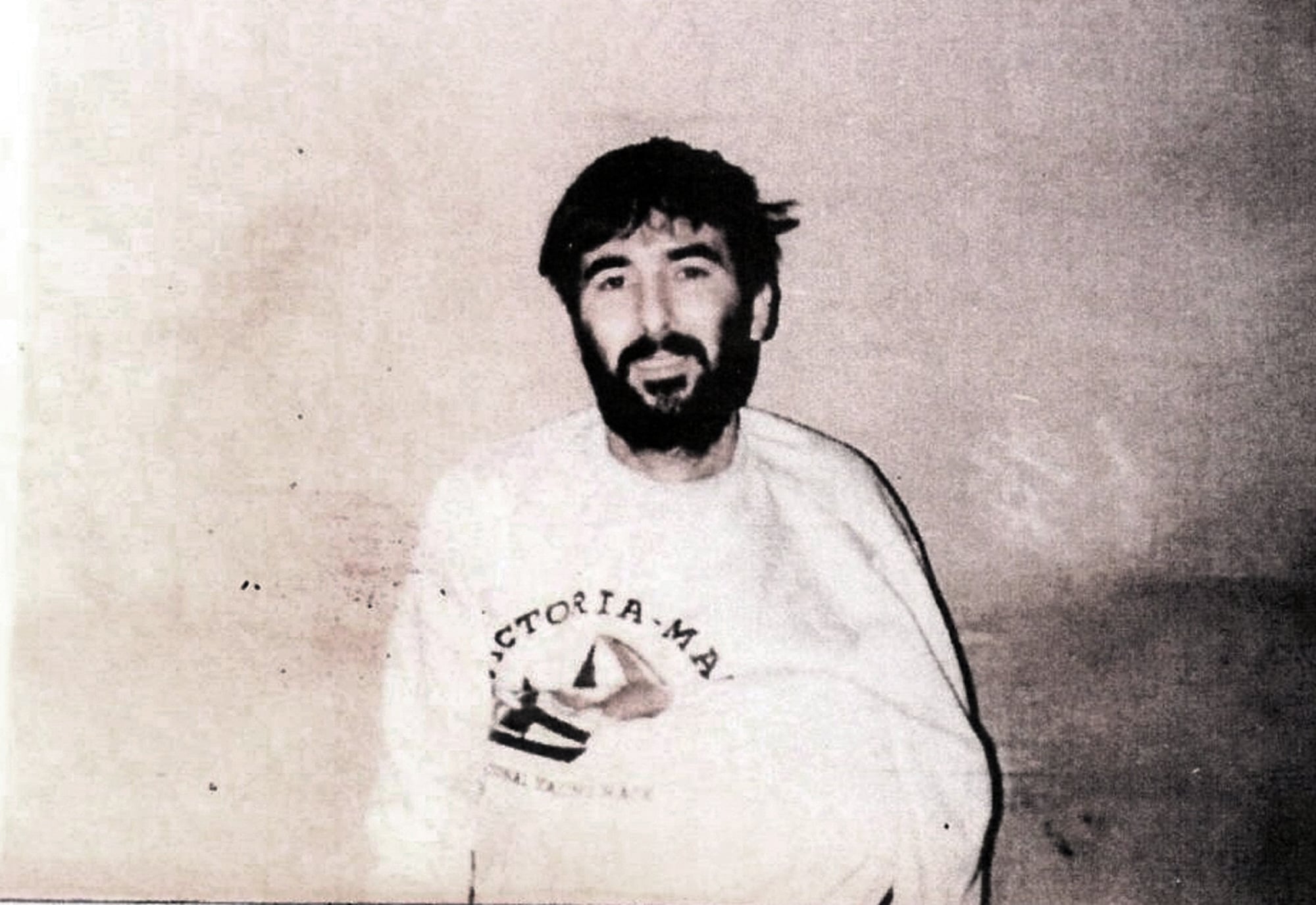
The same year, Mossad agents kidnapped from Istanbul IRGC-Quds Force General Alireza Asgari, who had been stationed in Lebanon shortly after Arad’s abduction, according to three former US officials. They told The Times that Mossad agents questioned him for weeks aboard a boat, then dumped his body into the Black Sea after finding no evidence that he knew anything about Arad.
Israel denied any involvement in Asgari’s high-profile disappearance.
In 2006, then-Hezbollah leader Hassan Nasrallah said the group believed Arad was dead and his burial site unknown, and in 2008, German negotiator Gerhard Konrad told Israel that Hezbollah said Arad died during a 1988 escape attempt.
Israel declared Ron Arad dead in 2008.
In 2016, a joint report by the Mossad and IDF Military Intelligence, which included new information obtained over the previous two years, said Arad had likely been dead by 1988.
Despite mounting evidence that Iran had not taken Arad, Israel continued to pursue that angle. In 2021, Arabic-language media reported that Mossad agents kidnapped Saberi while he was jogging in Damascus, throwing him inside a van and driving off.
One report claimed the general was taken to Israel and interrogated “intensively” before being transferred to Johannesburg, South Africa, and released there with a phone number to contact the Iranian embassy.
The focus returned to Nabi Chit.
In 2025, retired Lebanese General Security officer Ahmad Shukr disappeared. A source close to the family told AFP that Shukr is the brother of Hassan Shukr, who “was a fighter in the group that participated in capturing Israeli pilot Ron Arad.”
A Lebanese judicial official said information indicated Ahmad Shukr “was lured by two Swedes who arrived in Lebanon two days before his kidnapping, and that one left through Beirut airport the day Shukr disappeared.”
According to The Times, Israel’s leading theory is that Arad was killed in revenge for the death of Hassan Shukr in 1988.

In March of this year, the IDF sent commandos deep into Lebanon in an unsuccessful raid aimed at locating Arad’s remains. The raid was accompanied by heavy Israeli airstrikes that killed at least 41 people in the Nabi Chit area, according to local officials. There were no Israeli casualties.
“The operation carried out last night did not produce what we were looking for,” said Prime Minister Benjamin Netanyahu in a statement at the time, “but the commitment of Israel, and my personal commitment, to completing all missions concerning our prisoners and missing persons is absolute.”
Arad’s widow said in a statement later that the family did not want IDF soldiers’ lives to be put at risk in order to find his remains.









The Times of Israel Community.