

Knesset set to vote on appointment of Yashar MK Matan Kahana as speaker
Likud nominates Ofir Katz, slams ‘left’ for relying on Arab-led parties’ votes; amid talks with Yashar, United Torah Judaism says it won’t back Kahana but may not vote against him
 Add ToI as a Preferred Source on Google
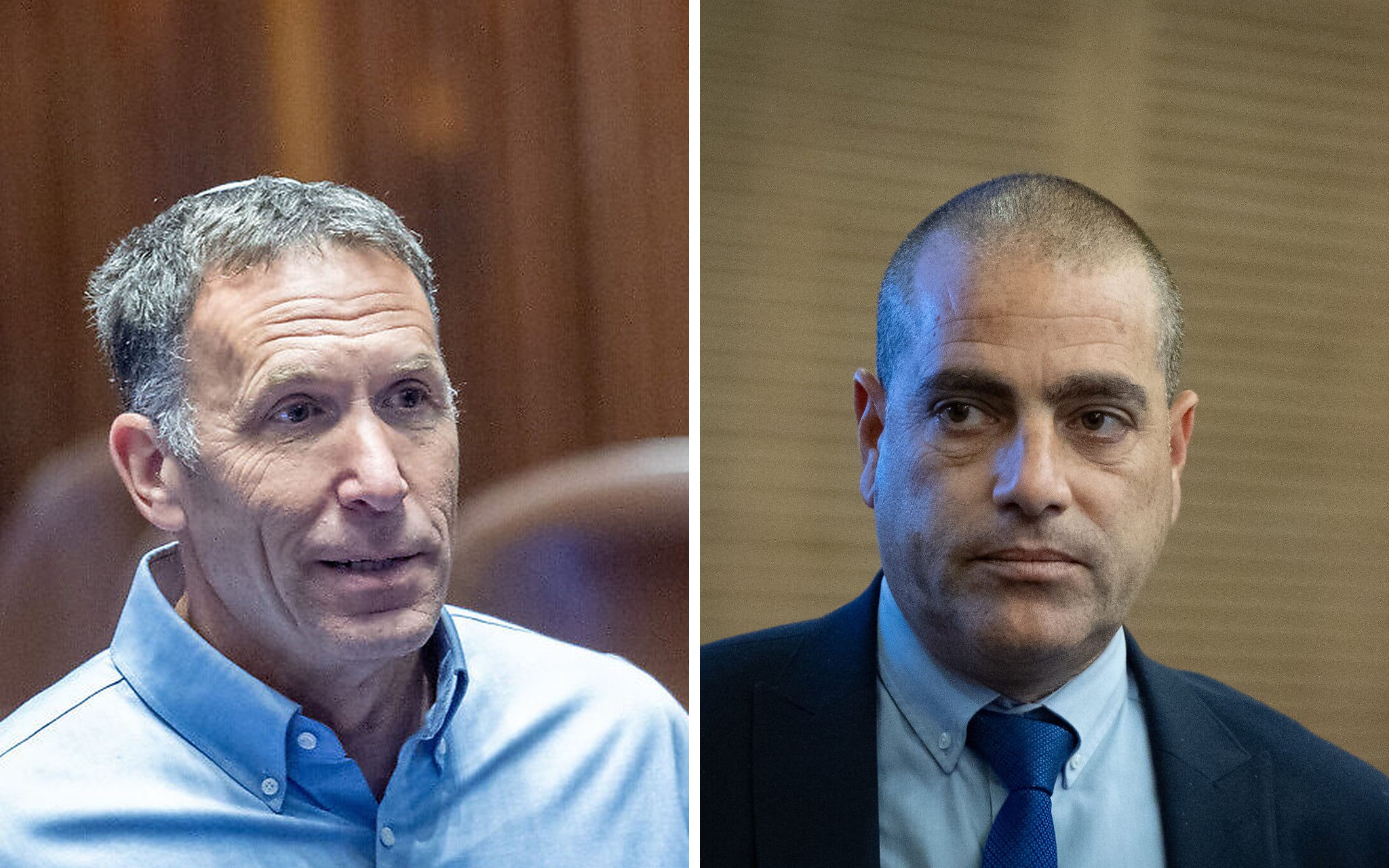
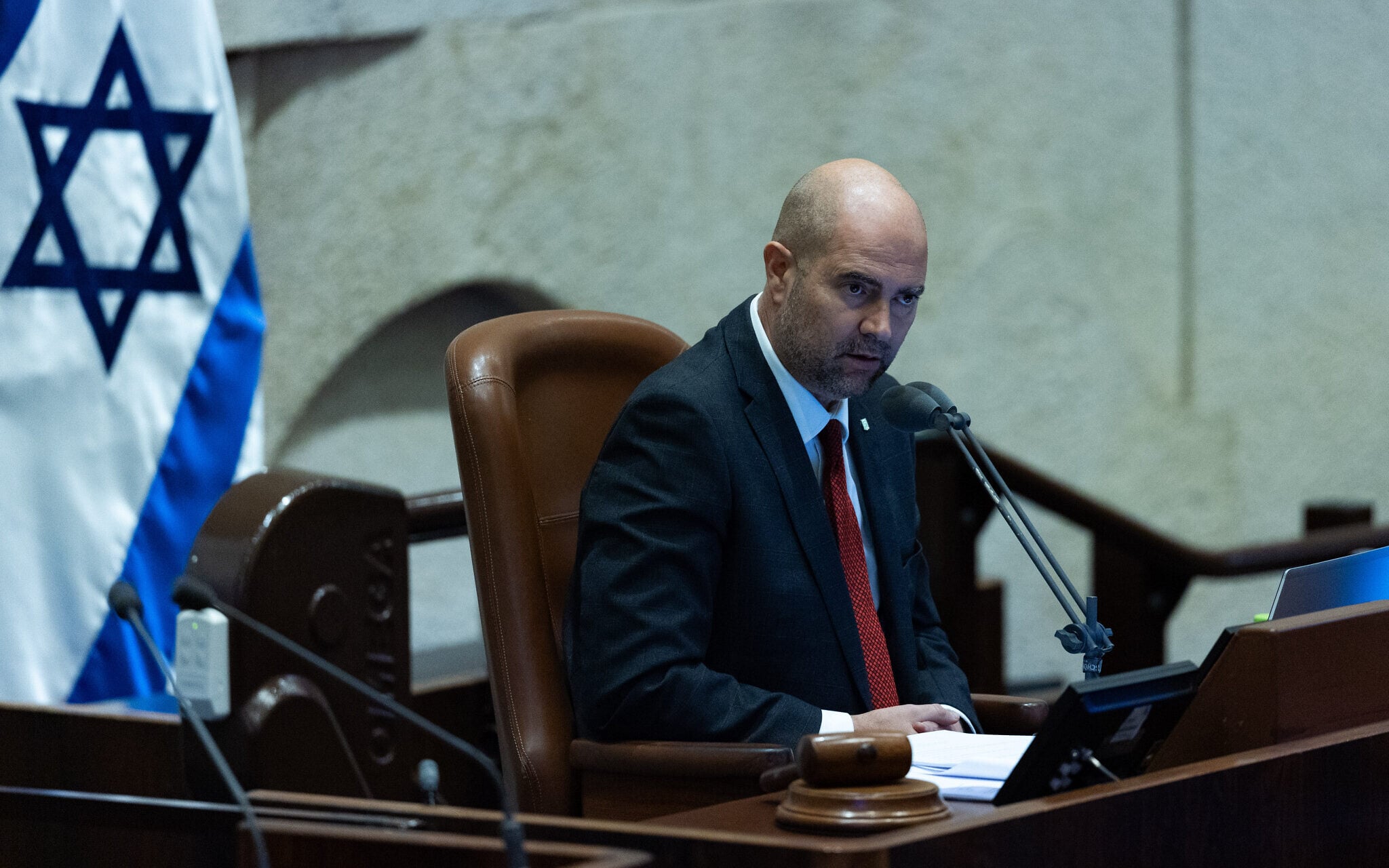
Lawmakers were set to vote Tuesday evening on the appointment of Yashar MK Matan Kahana as Knesset speaker in place of the current speaker, Likud MK Amir Ohana.
Kahana, No. 5 on Yashar’s slate, enjoys the support of the four parties in the anti-Netanyahu bloc led by Yashar head Gadi Eisenkot, as well as of Ra’am and the Joint List, the two Arab-majority parties.
Together, the six parties control 67 of 120 seats in the Knesset that was sworn in last week. A simple majority, rather than an absolute majority of 61, is required to elect a Knesset speaker.
Likud said it would nominate MK Ofir Katz, who was coalition whip in the previous Knesset. The party accused Eisenkot and “the left-wing bloc” of “unilaterally” selecting a speaker, and Kahana of rejecting an offer for Likud support in exchange for him not appointing members of the Arab-led parties as deputy speakers — a position Arab lawmakers have held numerous times, including for over a decade while Prime Minister Benjamin Netanyahu was premier.
The parties in the last Knesset’s Likud-led coalition, which included two far-right parties and two Haredi parties, won a cumulative 53 seats in the October 27 election, losing their parliamentary majority.
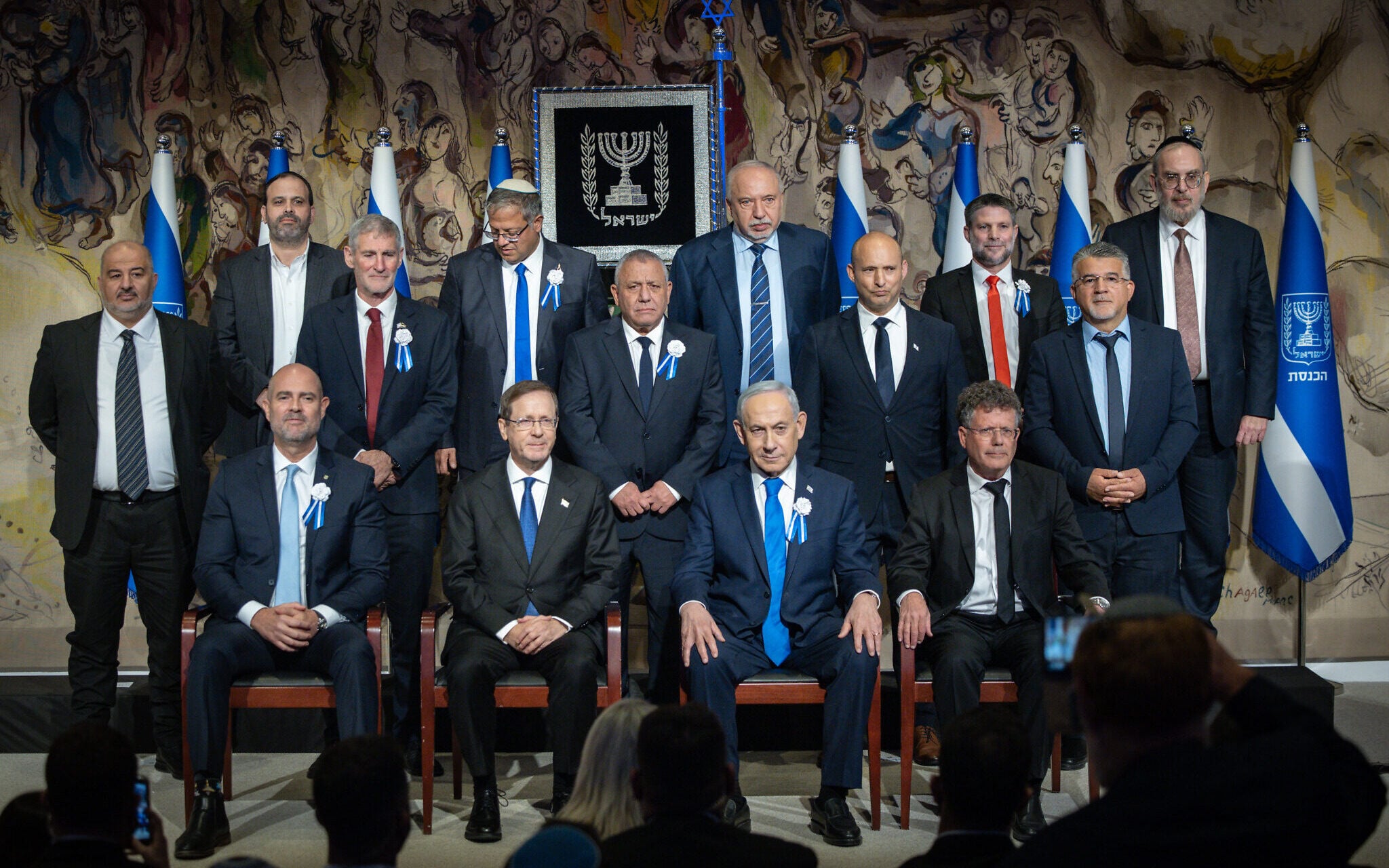
The vote for Knesset speaker comes as Eisenkot seeks to form a government that will include the three other parties in his Zionist anti-Netanyahu bloc: MK Avigdor Liberman’s hawkish secularist Yisrael Beytenu, former prime minister Naftali Bennett’s center-right B’Yachad, and former deputy IDF chief Yair Golan’s left-wing Democrats.
The four parties control a cumulative 48 Knesset seats — 13 short of a majority. Other than Golan, each of the party heads has rejected forming a government with an Arab party, and their campaign pledge to end the ultra-Orthodox exemption from military service poses an obstacle to a potential alliance with Haredi parties, which control exactly 13 seats.
Sephardic Haredi party Shas has publicly stuck by Netanyahu and refused to negotiate with Eisenkot’s bloc. The party said Tuesday that it would support Katz, the Likud candidate, and oppose Kahana, the Yashar candidate, in the vote for Knesset speaker.
Ashkenazi Haredi party United Torah Judaism, by contrast, has refused to endorse Netanyahu for prime minister and is said to be in near-daily contact with Yashar amid coalition negotiations.
It was unclear whether UTJ would support Katz in the vote for speaker. But its head, MK Yaakov Asher, told Army Radio on Tuesday that UTJ would not back Kahana, and that the party had not yet decided whether to vote against Kahana’s appointment or abstain.
“We have no agreements with the bloc that wants him in the role,” Asher said.
The debate on the vote for Knesset speaker began at 4 p.m., with the vote itself not expected to take place for several hours. Channel 12 reported Tuesday that the Eisenkot-led bloc was concerned rival lawmakers could try to delay the vote with a filibuster or by provoking chaos in the plenum.
The session was also set to include a vote on the appointment of nine temporary deputy Knesset speakers, who serve alongside the speaker on the Knesset Presidium. The nine nominees include Joint List MK Ahmad Tibi and Ra’am MK Walid Taha.
The presidium sets the plenum’s agenda and approves parliamentary business, including the introduction of private members’ bills. The speaker or deputy speakers also preside over plenum sessions and conduct votes.
If it succeeds in replacing Ohana as speaker, the Eisenkot-led bloc hopes to start advancing legislation as early as Wednesday to repeal the previous Knesset’s judicial overhaul laws.






The Times of Israel Community.