

After Arabs’ historic election returns, a pox of racist rhetoric infects Israel’s airwaves
Holding an unprecedented 19 Knesset seats, Arab parties and their voters are being subjected to a rash of epithets that, experts say, makes political partnership harder to imagine

 Add ToI as a Preferred Source on Google
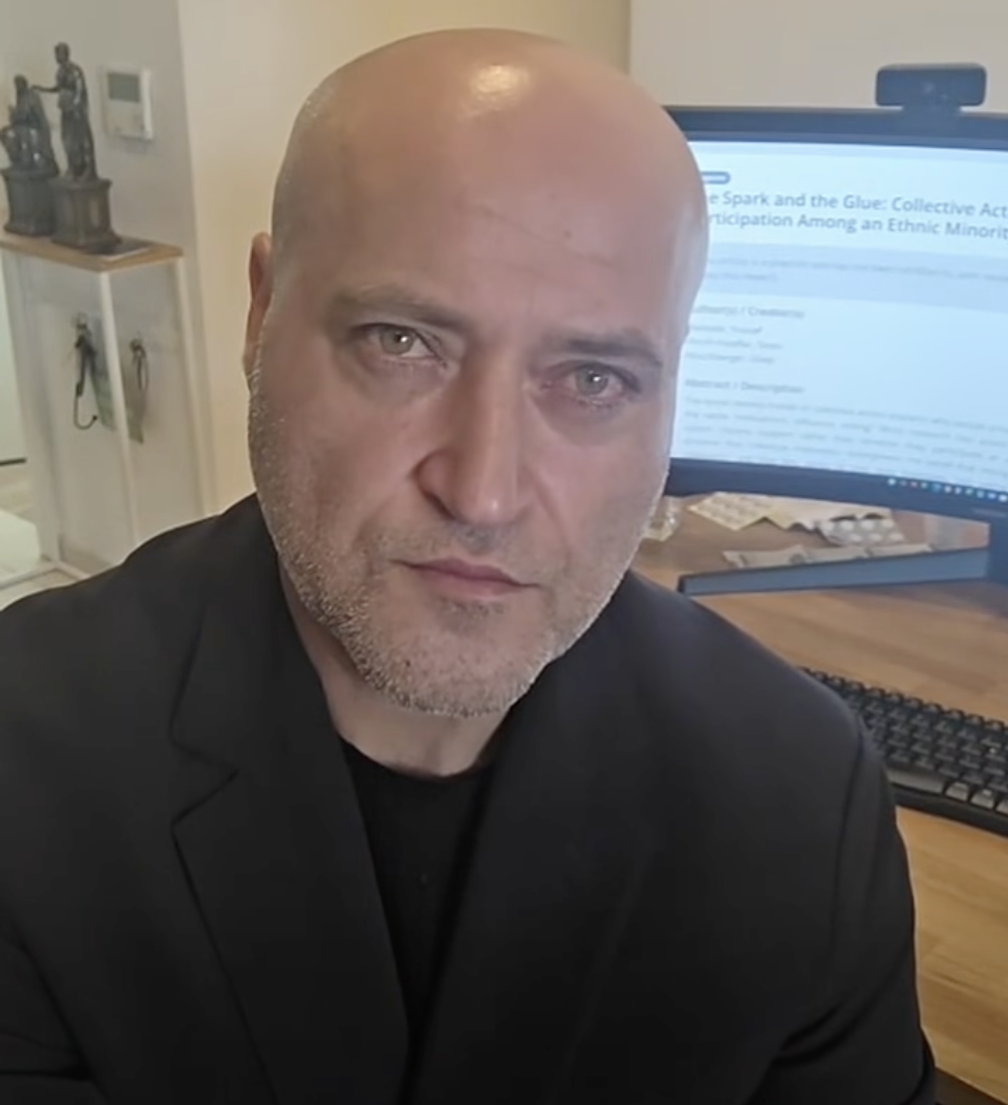
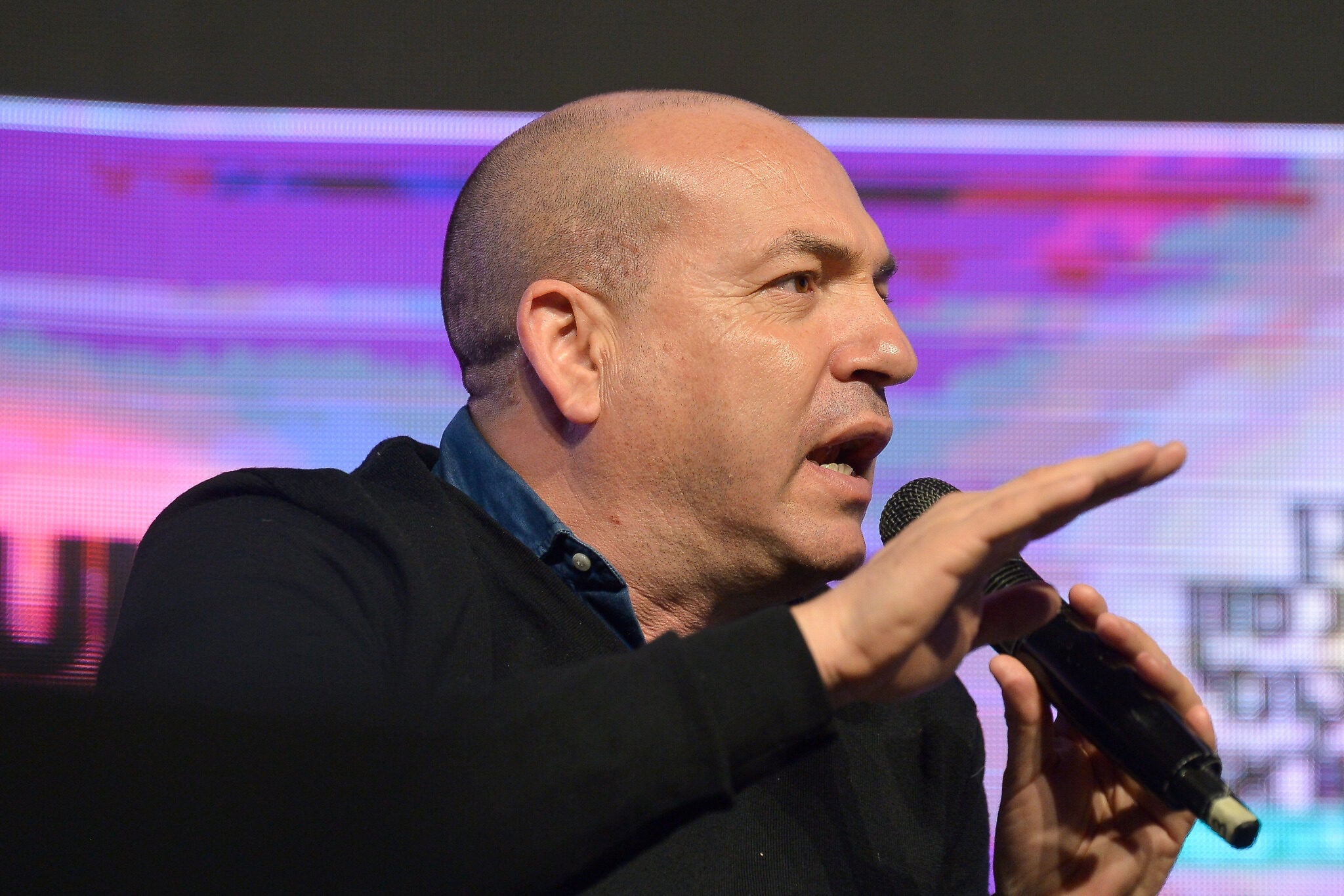
Yousef Makladeh was watching Channel 13 with his teenage daughter when Eyal Berkovic, a host on the news channel, began mocking the academic qualifications of two Arab politicians, one from the US and the other from Israel.
“Everyone is now given the ‘doctor’ honorific; did you check if he’s a doctor?” Berkovic said on his program, “Moriah and Berko,” regarding Abdul El-Sayed, the Democratic Senator-elect from Michigan, who is in fact a doctor. The TV host went on to question the credentials of MK Ahmad Tibi, likewise a medical doctor. His co-host, Moriah Asraf, laughed along.
Makladeh, who was outraged, was no ordinary spectator. He’s the CEO of the polling firm StatNet and an analyst for Channel 13, thought of as Israel’s leading Arab pollster. He appears regularly on the network’s broadcasts, including on “Moriah and Berko.” It was the latest instance of racism on the program, and he wanted to speak out.
“If you’re jealous, or, Moriah, if you’ve got a problem because you didn’t get a bachelor’s degree — that’s your problem. It’s not our problem as Arabs,” Makladeh said in a video he uploaded to Facebook last week, which has since been viewed more than 150,000 times. “I really protest against the racism on this program. Because of that, I’m not appearing on the program, and I won’t appear on any program that includes racism.”
But Makladeh also wasn’t surprised. In the days and weeks following the October 27 election, in which Arab parties won a historic 19 seats, he had watched the co-hosts of “Moriah and Berko” deride those parties again and again, and had already sent a letter to the outlet’s leadership calling for an end to anti-Arab racism on air.
“I write to you in anger and pain I haven’t felt in 15 years of working at the channel,” he wrote in the letter, according to excerpts he read in an interview with The Times of Israel. Referring to racist statements on “Moriah and Berko,” he added, “These things wouldn’t be broadcast in any other democratic state in the world.”
He wrote later, “Incitement aired on a central channel doesn’t stay in the studio,” and is “liable to devolve into harsh violence against people.” (He said that he got a “substantive and respectful” response.)
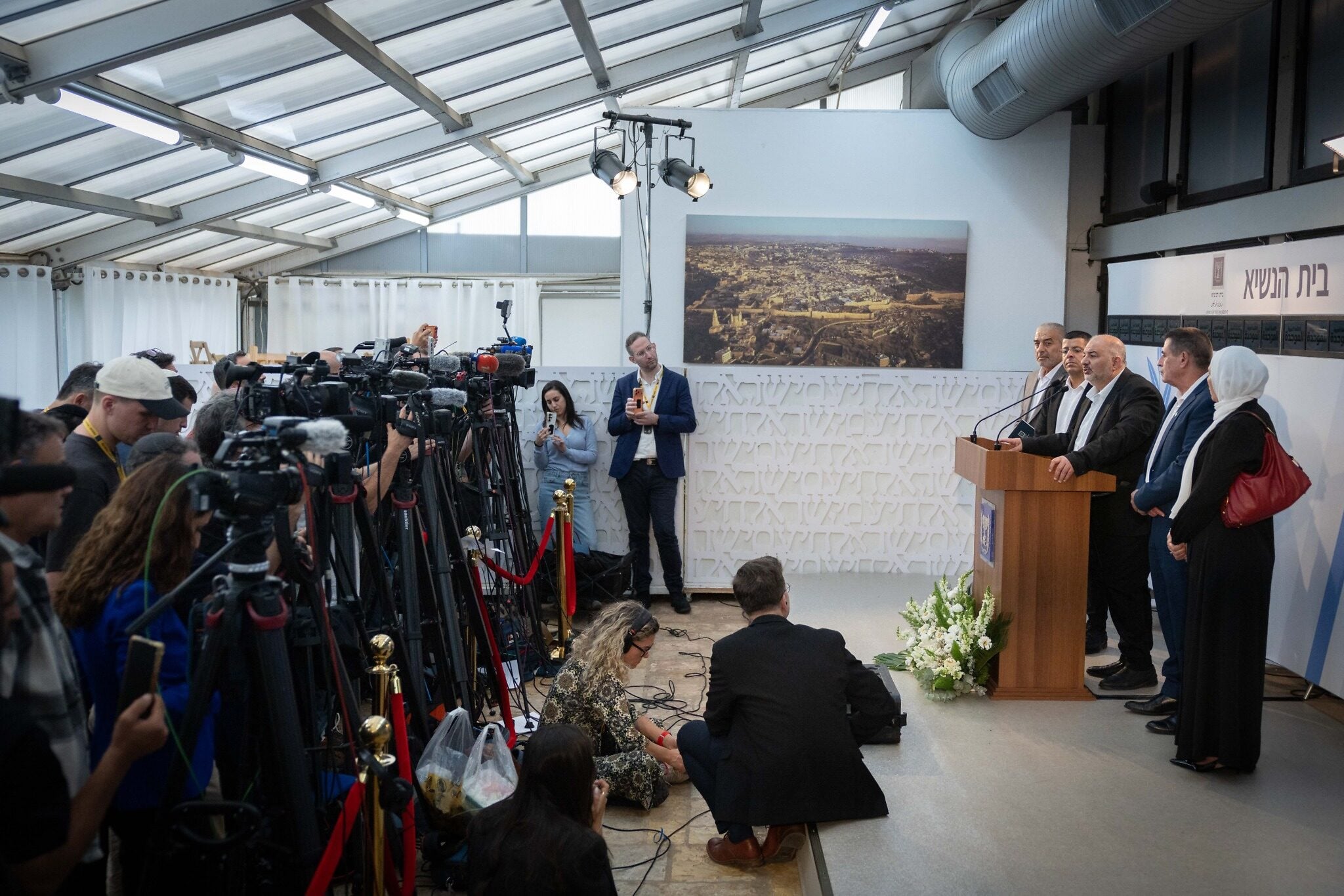
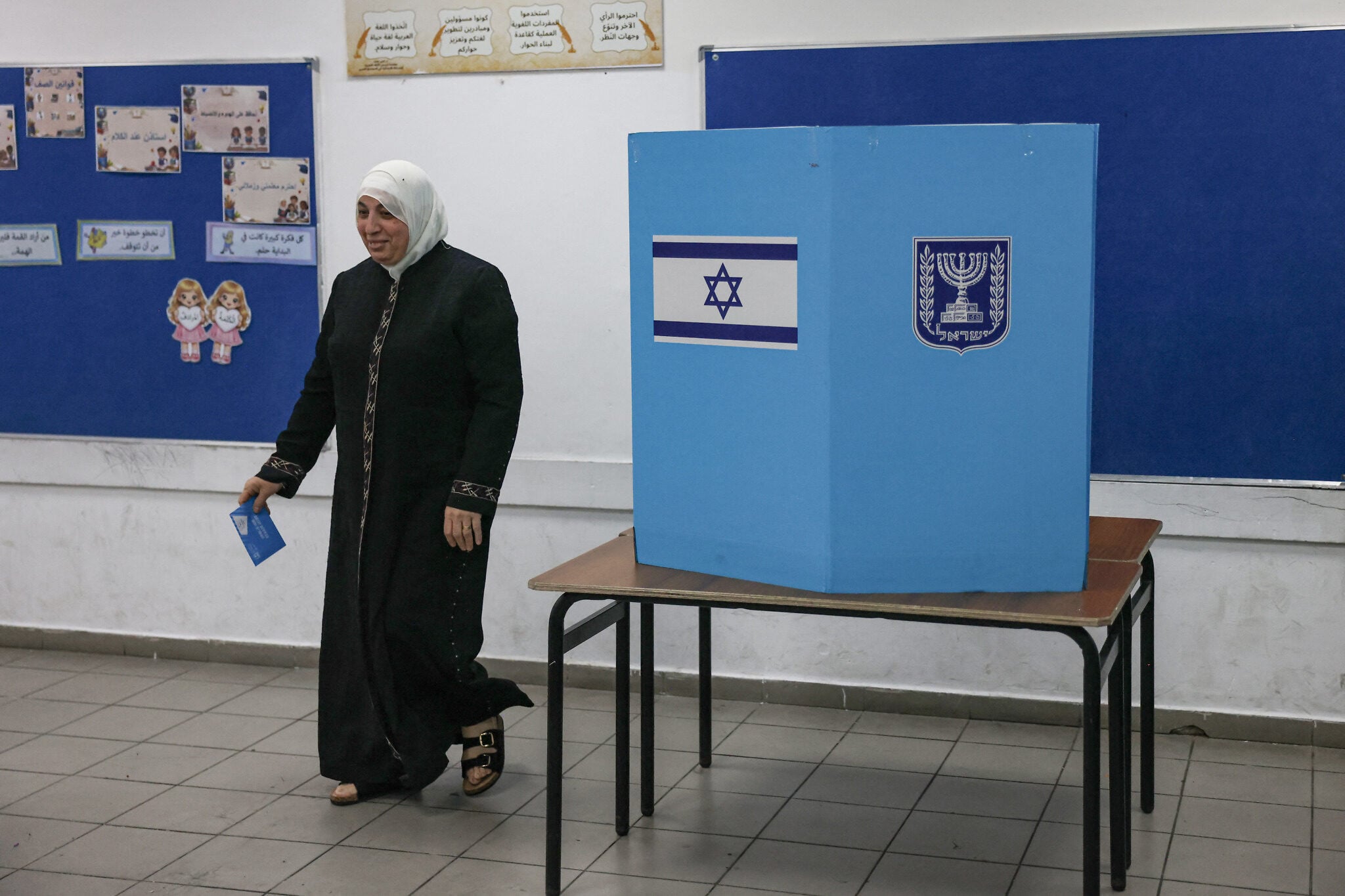
Last month’s election raised the hopes of Israel’s 2 million Arabs that they may be given a say in their country’s affairs after decades of near-complete political exclusion. It injected their representatives with newfound political power and the potential to be kingmakers. But it has also triggered a rash of anti-Arab rhetoric in Israel’s media, measured by multiple watchdogs, leading some Arab citizens to question their place in their country right at the moment of their greatest political triumph.
“What the Arab public wants from the Jewish public and the TV panels is to stop blaming them for everything that happens in the State of Israel,” Makladeh told The Times of Israel. “These people have suffered incitement for many years, even from TV channels that aren’t considered right-wing.”
He added that the surge in anti-Arab discourse in the media has reinforced many Arab citizens’ feelings that, fundamentally, they aren’t trusted by their Jewish neighbors. Arab Israelis, he said, are “very pragmatic. But to be asked every morning to stand at attention, salute and declare loyalty to their masters is unacceptable. It’s infuriating, it’s disgusting, it’s outrageous.”
The Arab-Israeli wave election and its discontents
The Arab parties’ election results — with the Joint List winning 11 seats, and Ra’am winning eight — were the shock of the election. But Makladeh noted that his models had predicted it, forecasting that Arab voter turnout could reach up to 77 percent and net nearly 19 seats. In the end, both numbers were a touch higher, with turnout among Arab Israelis nearing 80%, slightly higher than the overall turnout of 77.9% and a major shift after over two decades in which their participation had been consistently below 65% and sometimes lower than 50%. Israeli election data can be filtered down to individual ballot boxes, and Arab turnout is taken by measuring voting percentages in Arab cities and neighborhoods.
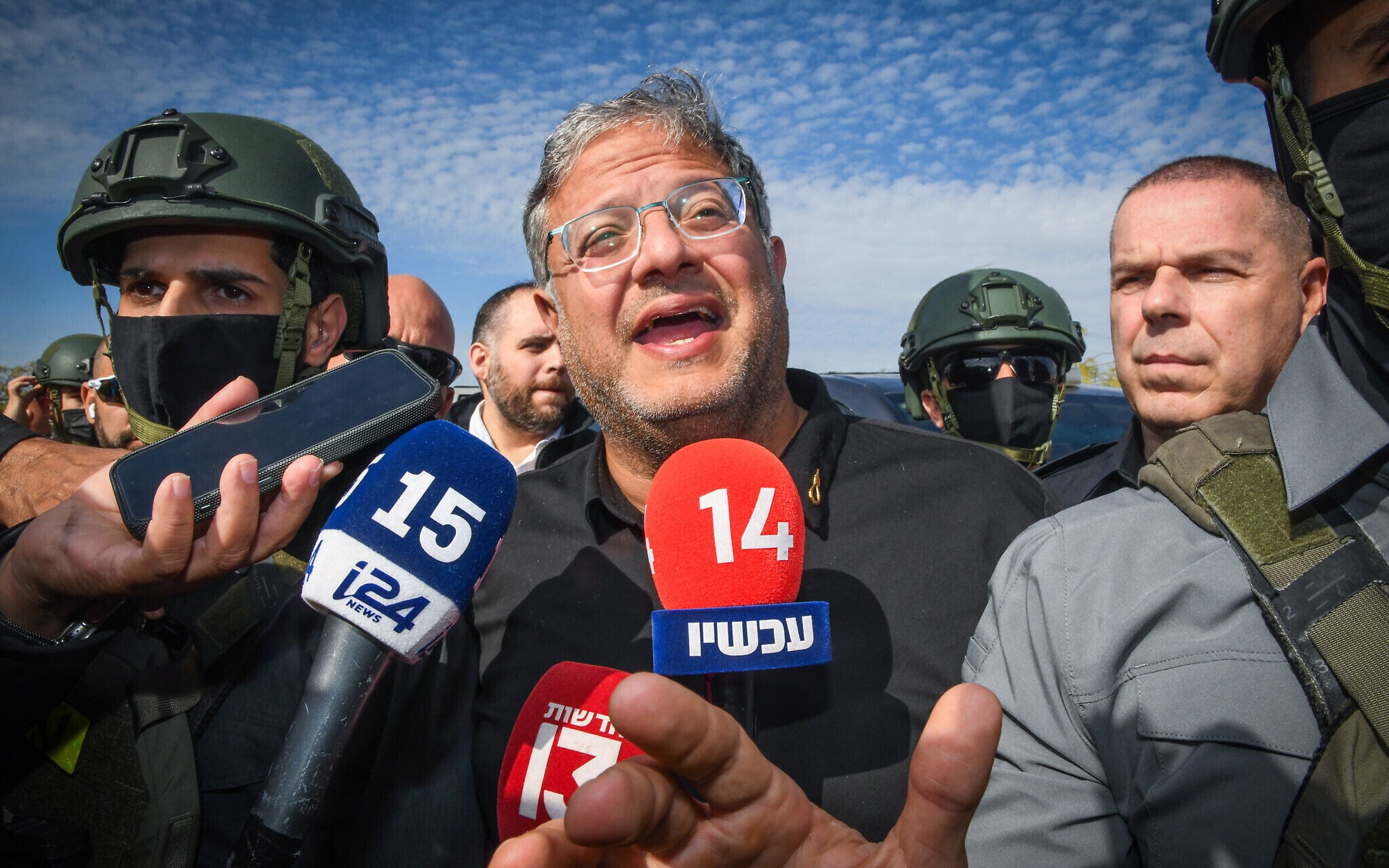
One major factor for Arab voters, experts say, concerned the domestic policies of the outgoing government, specifically far-right National Security Minister Itamar Ben Gvir. The past four years have seen a surge of violent crime in Arab communities, in addition to a documented increase in home demolitions in Bedouin communities in the Negev. Ben Gvir touts himself as tough on crime, but has taken an antagonistic view toward Arab Israelis and has clashed with them throughout his tenure, making many in the community eager for the chance to push him out of office.
“The motivation to go out and vote actually became so widespread in social networks, in the street, that you just couldn’t stay at home and not vote,” said Arik Rudnitsky of the Israel Democracy Institute and Tel Aviv University’s Moshe Dayan Center, whose research focuses on Arab Israelis. Arab voters, he said, had the “sense that their vote can make a difference for the first time.”
So when Arab voters delivered historic returns for their elected officials, Makladeh said, they weren’t asking for ideological grandstanding on Israeli-Palestinian peace. The mandate they delivered, he said, was to address issues like crime where Jews and Arabs can find ample legislative common ground.
“They told the parties, ‘Don’t deal with things that are too big for you; you are simply doing damage,’” Makladeh said. “Deal with fighting crime, home demolitions.”
But during the campaign and since, much of the discourse around the Arab parties has concerned the very points Makladeh said voters wanted to deemphasize — such as whether Arab parties condemn Hamas, or their support for a Palestinian state.
For most Jewish Israelis, the election, the first after the Hamas-led October 7, 2023, onslaught, was squarely focused on security concerns, such as how Israel will address the terror group’s entrenched presence in Gaza. The share of Jewish Israelis who back Palestinian statehood has plummeted.
That post-October 7 reality has turned off many Jewish Israeli voters from the Arab parties. The parties’ refusal, thus far, to commit to calling Hamas a terrorist organization that must be defeated has likewise been a central sticking point between them and many Israeli Jews, notably including Gadi Eisenkot, the leading opposition candidate.
Before the election, the Yashar leader vowed not to take any party into his theoretical coalition that did not accept Israel as a Jewish and democratic state and recognize Hamas as a terror group, among other demands.
He said in September that none of the current Arab parties, referring to Ra’am and the Joint List, met those criteria. Polls show most Jewish Israelis agree with his choice to freeze the Arab parties out.
A documented spike in racist language
But while Arab parties’ policies have come under substantial criticism in the Israeli press, rhetoric about them from politicians and TV presenters has frequently gone a step further.
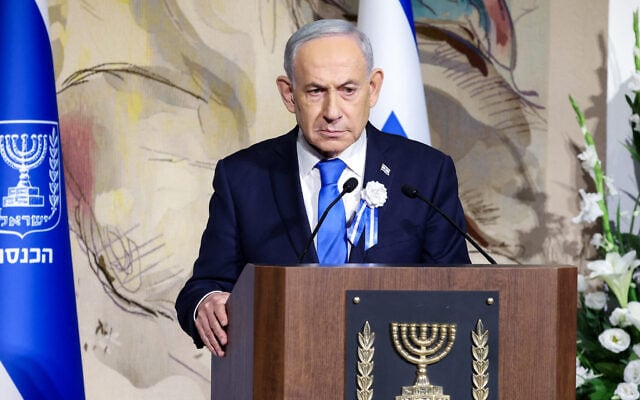
Netanyahu focused his campaign on warning of a partnership between Eisenkot and Arab parties, portraying such a coalition as dangerous, and since the election, it has become boilerplate in his Likud party to refer to the Arab-led parties as “terror supporters.” The phrase has spread across Israeli media. Panelists on Channel 14, a popular pro-Netanyahu outlet, regularly lob epithets at Arab voters, calling them, for example, “Muhammad’s army” on election day, and later comparing high Arab voter turnout to the October 7 attack.
It goes beyond Channel 14. Rights groups and media monitoring organizations have tracked a bevy of anti-Arab statements on broadcast news channels and social media alike. According to Sikkuy-Aufoq, an Arab-Jewish partnership organization, “Moriah and Berko” alone contained 45 instances of racist language against Arabs between October 27 and November 7, 70% of them from the co-hosts.
Fake Reporter, an Israeli group that monitors hate speech and misinformation on social media, tracked a more than fivefold increase in anti-Arab discourse on the social network X between election day on October 27 and October 29, with more than 9,000 instances on that latter day alone.
“The Israeli press continues to work in service of the delegitimization campaign against Arab public officials,” The Seventh Eye, an Israeli media watchdog, wrote in a Facebook post last week, accusing the country’s three main TV news channels of “giving a platform again and again to racism and fake news.”
The Seventh Eye also published a study finding that despite Arabs making up 21% of Israel’s population, and their parties’ lawmakers making up some 15% of the new Knesset, they accounted for only 5.3% of interviews on the three channels in the 24 hours beginning at 10 p.m. on election day, when initial exit polls were published.
In a sign of how controversial interviews with Arab politicians remain to some Israelis, last week, Yigal Brand, CEO of the right-wing Beitar movement, abruptly exited a Channel 13 live broadcast when Joint List chair Youssef Jabarin arrived for an interview, calling the leading Arab politician a “terror supporter.”
The phenomenon of racism against a group after one of their own breaks through electorally into the halls of power is not new or unique to Israel. Immediately after former US president Barack Obama won the 2008 election, hate crime watchdogs reported a spike in racist incidents across the US. By the end of his first term, according to an Associated Press poll, the number of Americans expressing anti-Black attitudes had increased.
‘We’re here, we’re voting for our lives’
While Channel 14 seems to see bashing the Arab parties as a feature, not a bug, Israel’s three mainstream channels — 11, 12 and 13 — have taken action against anti-Arab remarks by their hosts, or have seen prominent instances of pushback on air.
Berkovic was suspended after his comments on El-Sayed and Tibi, as well as an anti-Arab remark aimed at Channel 13 anchor Lucy Aharish. Channel 11’s Ayala Hasson quit after she opined that Bedouin women were battered wives in polygamous marriages, and was asked to read out an apology on air.
On Channel 12, one of the station’s leading correspondents, Barak Ravid, took his own network to task on air for unspecified racist statements, saying unprompted, “It’s time that we simply do not allow this kind of racism and this kind of lies in our studio,” and adding, “The Arab public went out to vote and exercised its democratic right.”
Aharish, the country’s most prominent Arab broadcast journalist, opened her program on November 4 by apologizing for taking time off following Berkovic’s remark, then launched into a passionate defense of Arab Israelis, “equal citizens” who, she said, “in the last election, went out to vote in large numbers and said in a clear voice, ‘We’re here, we’re voting for our lives, our complicated lives in this country’.”

The backlash against anti-Arab racism got a powerful backwind on Friday, when Eisenkot wrote on X that Arab Israelis have been subjected to “a racist and violent campaign of delegitimization that’s being fueled by the outgoing prime minister and his circle.” He wrote that Arab citizens “are part of the Israeli story. The attempt to marginalize them and tar them as a group is an indecent act that disgraces the Declaration of Independence and the values we pride ourselves on of being a Jewish-democratic state.”
Yet while Arab voters and their representatives have been consistently demonized by Netanyahu’s camp, Eisenkot’s bloc as well has largely rejected the idea of a minority coalition reliant on Arab support, to say nothing of allowing Ra’am and the Joint List into the government.
So while the Arab community’s share of the Knesset is historic, what power that will yield, if any, is yet unknown.
A traumatized and polarized society
Still, there is collaboration between Eisenkot and Arab lawmakers. Last week, he officially received the mandate to form a coalition, and is working with both Jewish and Arab opponents of Netanyahu, who comprise a majority of the Knesset’s 120 seats, to replace the Likud-allied speaker of the Knesset with a member of his own party, as well as to fill other key committee posts.
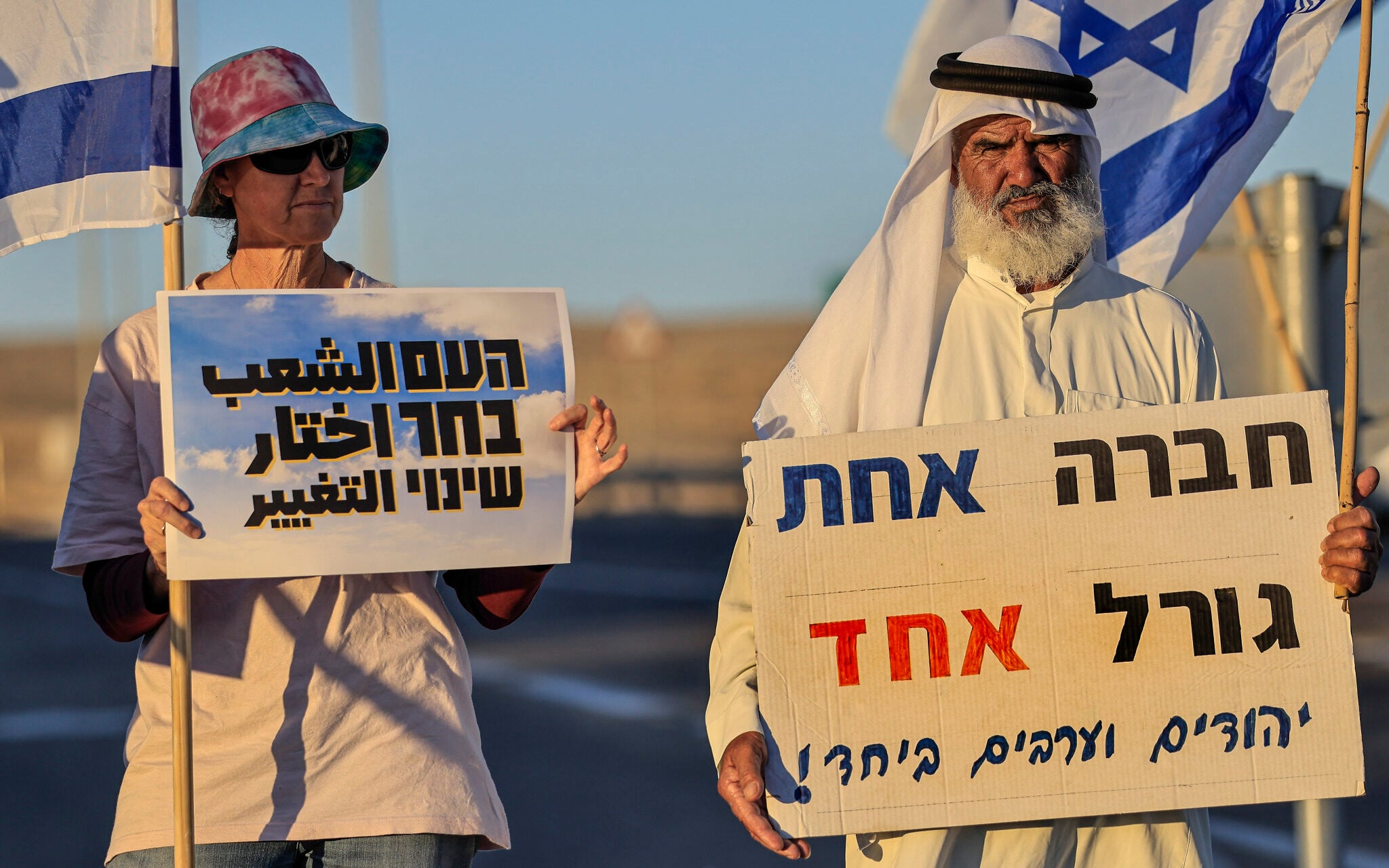
Whether that will open the door to deeper cooperation is unclear, but for now, Makladeh said the anti-Netanyahu majority has a duty to firmly reject the anti-Arab rhetoric that has gained traction on the airwaves.
“My problem is that the change bloc hasn’t been able to govern and stop this incitement,” Makladeh said, referring to the Eisenkot-led camp, in an interview prior to Eisenkot’s Friday post denouncing anti-Arab statements. “Without the Arabs, the change bloc could never in its life have dreamed of chairing a committee, of appointing a single minister, of establishing a government.”
Polls of Israeli Jews, however, suggest that placing Arabs in powerful government positions would struggle to gain public legitimacy. The Israel Democracy Institute’s annual survey in 2025 found that just half of Jewish respondents felt Arab citizens should integrate into the country and be part of it. A slim majority felt the government should encourage Arabs to emigrate.
In a more recent survey, IDI found that a third of Jewish respondents think or are certain that Arabs should not have the right to vote. The organization also found, days before the election, that only 14% of Jews wanted the next government to include Arab parties or be dependent on their votes.

Jewish distrust of Arabs’ commitment to the state has risen since the October 7 attack, according to several metrics, and Rudnitsky says that goes a long way to explaining why so many Jewish voters are resistant to political partnership with the Arab parties. The landscape has changed, he said, since 2021, when Ra’am joined a coalition that unseated Netanyahu for over a year.
“They accept Arabs as equal citizens, most of them,” Rudnitsky said of Jewish Israelis. “It is not a question of racism. But I think that Jewish society is under trauma. And the linkage between what was going on in Gaza and what is taking place here in Israel — they simply cannot differentiate between Arabs here who vote for the Knesset and the Palestinians in Gaza or the West Bank.”
Rudnitsky added, however, that “the role of politicians” would be to legitimize a Jewish-Arab government, which could “create some change in the general public mood among the Jews.”
Makladeh agreed, and said a government formed with Arab support could also soften public rhetoric toward the Arab parties, leading some Israelis to “understand that everything they were told about how Arabs are going to destroy the state, and that they are a fifth column, and they are terror supporters, is a balloon that popped.”
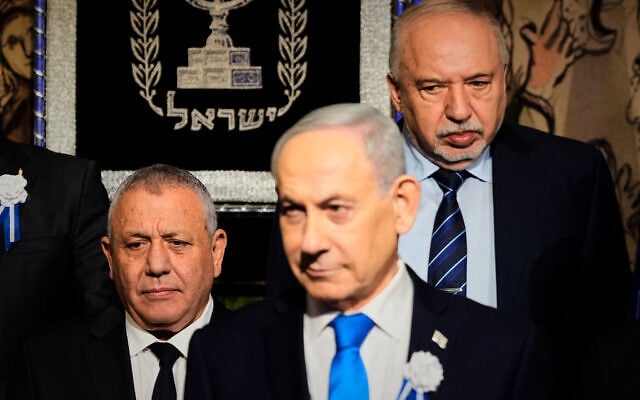
At present, a government with Arab support is far from a certainty. Eisenkot could instead strike a deal with ultra-Orthodox parties or forge a unity government with Netanyahu’s Likud party. Those choices, too, would require him to break campaign promises.
If both Eisenkot and Netanyahu fail to form a government, Israel may hold repeat elections, which would lead to a new Knesset and threaten to erase the record result Arab voters delivered last month.
Makladeh predicted that Arab voters might turn out in even greater numbers, having learned that their ballots can garner significant sway in the Knesset and deny Netanyahu reelection. Or, he said, those voters could become disillusioned, convinced that even with a historic number of Knesset seats, they will never be accepted in their country.
He suggested the media discourse of recent weeks would be partly to blame should turnout sink in a repeat election, with the nation effectively telling Arabs to “take your bags, sell your assets and go to another, more normal country,” he said.
Makladeh added that such a sentiment sometimes resonates with him, especially when he hears racist language while sitting with his daughter, watching the TV channel he’s long called home.
“I am afraid for my daughter, that she will grow up in this intolerable atmosphere, this racist, fascist one,” he said. “I am afraid for her. I don’t want her to hear these things.”






The Times of Israel Community.