

Likud claims election ‘stolen’ by Arab parties following their record performance
Netanyahu’s party says it presented ‘hundreds of testimonies’ and other evidence; election panel says it’s reviewing the fraud allegations, which a senior official earlier dismissed
 Add ToI as a Preferred Source on Google
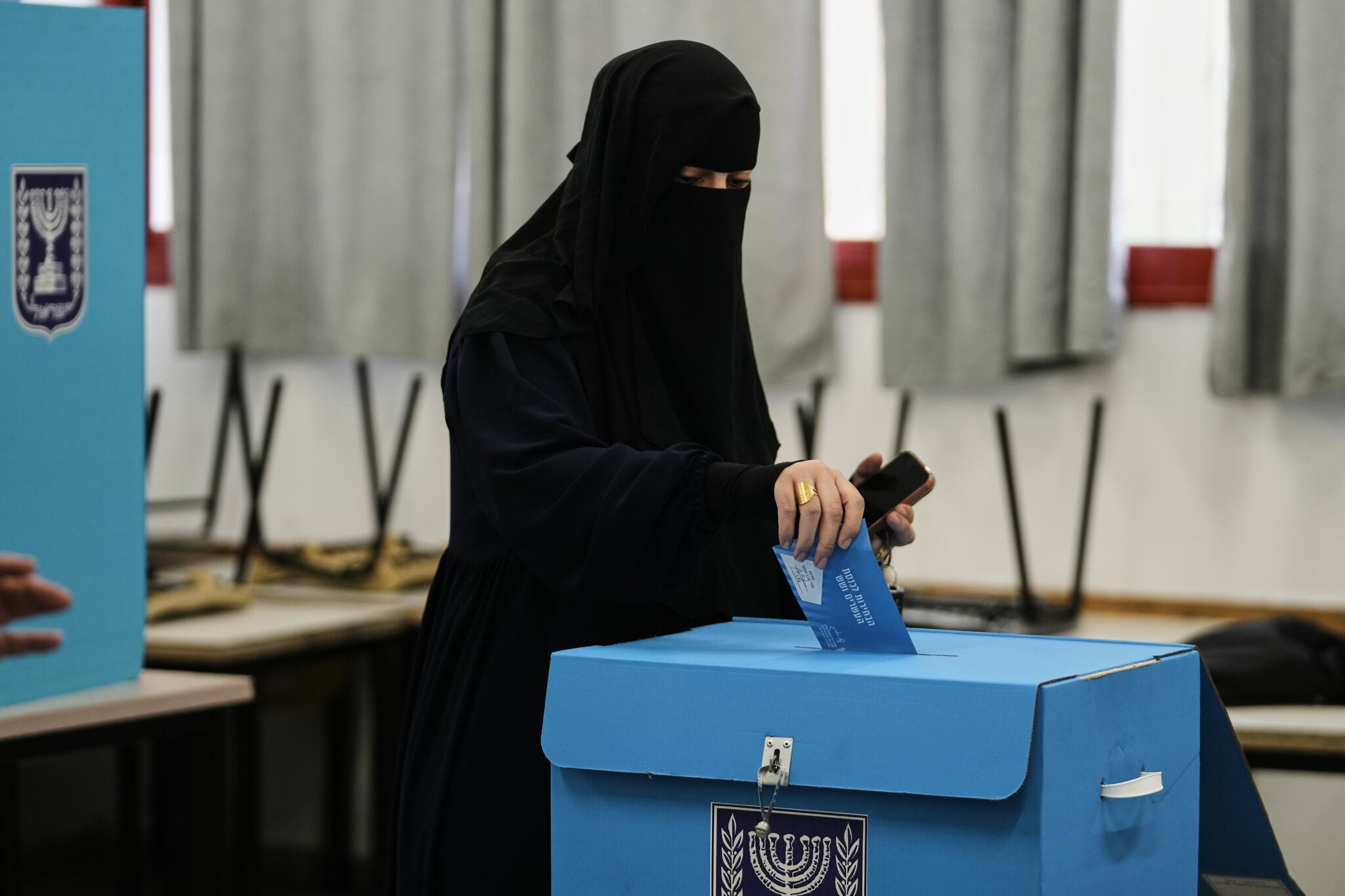
Prime Minister Benjamin Netanyahu’s Likud party on Wednesday claimed the election was “stolen” by Arab parties, demanding an investigation by police and the Shin Bet into allegations of widespread voter fraud and intimidation, as ballot results showed those factions emerging as a potential kingmaker after their historic performance.
“The elections in Israel were stolen by Arab parties that support terror and the elimination of the Jewish state through serious criminal offenses of bribery, threats, violence, forgeries and the use of illegal software to mobilize voters,” insisted the Likud party in a statement, hours after a Central Elections Committee (CEC) official dismissed claims of fraud during an interview with Channel 12 news.
The Arab-led political parties, Ra’am and the Joint List, which regularly run in elections and hold seats in the Knesset, received a record number of votes on Tuesday and were forecast to win a record high of 19 seats, almost double their current combined 10. That projected figure meant that both Netanyahu’s bloc and the Jewish-led parties opposing him will be far from achieving a Knesset majority, though his chief rival Gadi Eisenkot could still form a government with Arab support. Some opposition parties have rejected that idea, and it is a prospect that Netanyahu and Likud consistently sought to discredit during the campaign.
Hebrew media reported ahead of voting on Tuesday that Likud planned to challenge results from Arab locales and claim the election was “stolen” if Netanyahu did not win, with the party drawing up in advance a number of complaints and fraud allegations.
In its statement Wednesday, Likud said it gave the police, Shin Bet and CEC “hundreds of testimonies” and other evidence, including “thousands of envelopes with cash and Ra’am slips, threats and violence towards ballot committee members, multiple voters behind the voting screen, double voting, discrepancies between the number of envelopes and the number of voters, use of illegal voter mobilization software, and more.”
Likud demanded a “thorough investigation” and an immediate response regarding an investigation from the CEC, which confirmed it was reviewing the allegations.
“The Central Elections Committee has launched its election-integrity monitoring operation, as it does in every election, as part of which all inquiries from parties concerning election integrity or alleged errors in the results will be examined,” the committee said in a statement.

The CEC noted that its acting director general, Dean Livne, had informed all electoral lists of the procedure on October 25, two days before the election, inviting them to submit details of polling stations whose results they believe warrant examination.
“The committee received Likud’s request and is reviewing it as part of this operation,” the CEC added.
‘Have to talk to us’
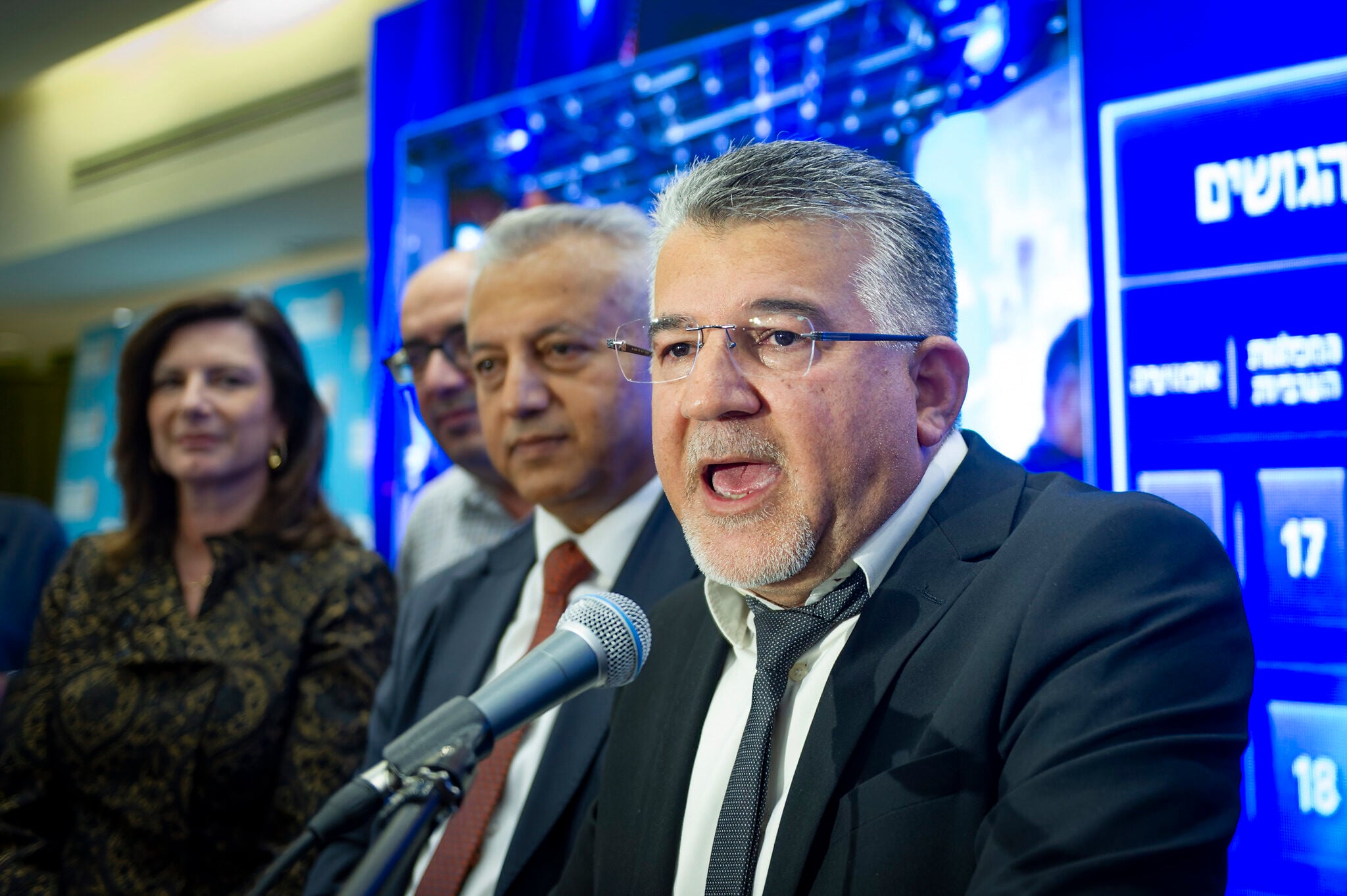
Likud’s claims of election chicanery came as the head of the Joint List told AFP that while he was willing to cooperate with an opposition-led government to unseat Netanyahu, he was not open to joining such a coalition outright.
“We do not see the possibility of being part of an Israeli government coalition under the current political circumstances, particularly given the ongoing war in Gaza, the settlements in the West Bank” and other issues, Yousef Jabareen said.
He also said the Israeli public had voted for new leadership and “anyone who wants to offer a substantive and genuine alternative to Netanyahu’s blood-soaked government will have to talk to us.”
Those comments echoed Ra’am No. 2 Yoav Segalovitz, who told The Times of Israel following the release of exit polls Tuesday night that the Islamist party wants to be part of the next coalition but whoever is designated as prime minister must take its voters into account.
Among Zionist opposition parties, the Democrats are the only ones to call for a Jewish-Arab alliance to break the political deadlock, with the left-wing faction’s leader Yair Golan earlier Wednesday urging fellow “change bloc” members to reverse their election pledges against a potential partnership with Ra’am and the Joint List.
With over 85 percent of ballots counted as of Wednesday evening, the Joint List and Ra’am respectively had 12 and seven seats, while Netanyahu’s bloc was poised to win 53 seats versus 48 for Eisenkot and his partners, both well short of a 61-seat majority in the 120-member Knesset.
Agencies and Times of Israel staff contributed to this report.








The Times of Israel Community.