

As ‘change bloc’ falls far short of majority, Democrats’ Golan urges coalition with Arabs
Joint List chairman says he’s ready to ‘pave the way’ for Netanyahu’s ouster; with 84.5% of votes counted, PM’s bloc on track to win 54 seats, Eisenkot’s 51, and Arab parties 17
 Add ToI as a Preferred Source on Google
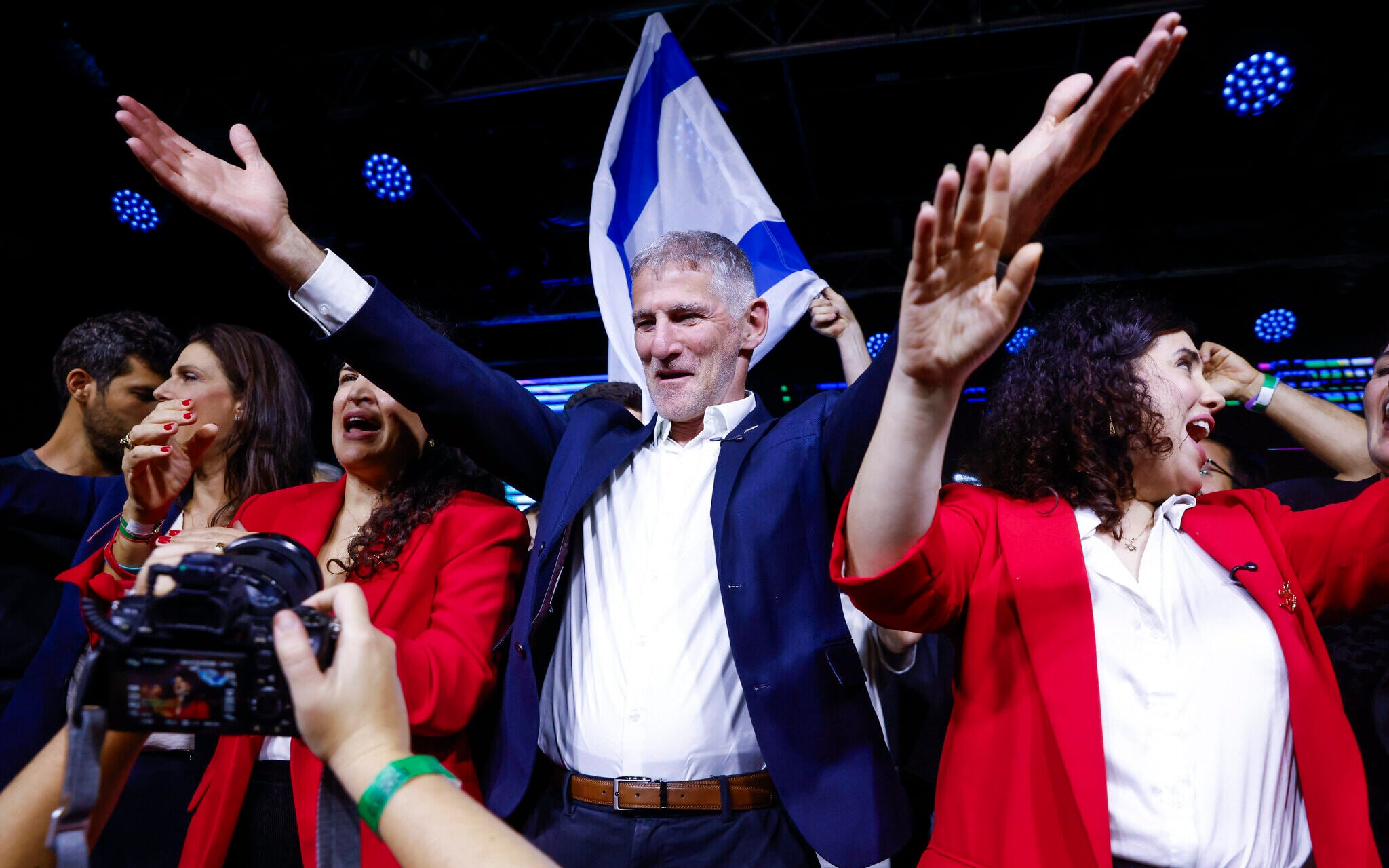
Democrats party chairman Yair Golan urged the “change bloc” on Wednesday to ally with the Arab-led Joint List and Ra’am parties, as results showed the Zionist anti-Netanyahu coalition failing to reach a majority without those parties’ support.
“Netanyahu lost. I know how to count to 120. Sixty-five is more than 55. That’s how Israeli democracy works. Period,” he wrote on X.
With 77.6% of ballot boxes counted as of 12:36 p.m., partial results published by the Central Elections Committee gave 54 seats to the bloc led by Prime Minister Benjamin Netanyahu and 49 seats to the bloc led by Eisenkot, while Arab-led parties appeared on track to win an unprecedented 17.
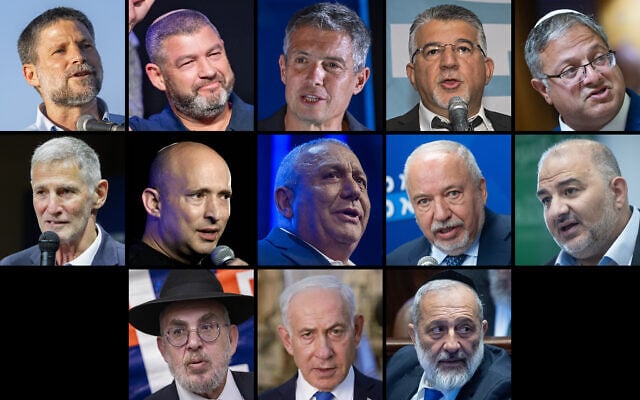
The results underscored the pivotal role Arab-majority parties could play in determining the next government, as Eisenkot’s bloc, including Naftali Bennett’s B’Yachad, Avigdor Liberman’s Yisrael Beytenu and the Democrats, would not be able to secure a Knesset majority without either their internal or external support.
“The reality must teach us one resounding lesson: We have no future here if we don’t stop being afraid. And if we don’t stop with the racism. We must no longer accept Netanyahu’s racist division between Jewish votes and Arab votes,” Golan said in his post.
“And now let’s talk about Zionism. In Netanyahu’s bloc sit 16 Knesset members from non-Zionist Haredi parties, who promote mass draft evasion while our children are fighting and dying,” wrote Golan, a former deputy chief of the Israel Defense Forces.
“If Netanyahu insists on counting only a Zionist majority, let him first subtract from his own bloc the 16 Knesset members from the non-Zionist Haredi parties. They won’t preach to us about Zionism,” he said.
“The change bloc has a Zionist majority: 49 against 39. The change bloc has an Israeli majority: 65 against 55,” he continued.
“We have a majority. We have responsibility. And we have an opportunity to form a government of change in partnership with Israel’s Arab citizens. A government that will serve all Israeli citizens. Now we need courage. It takes leadership. It takes stopping the fear and starting to act,” he said.
Joint List leader: Ready to ‘pave the way’ to oust PM
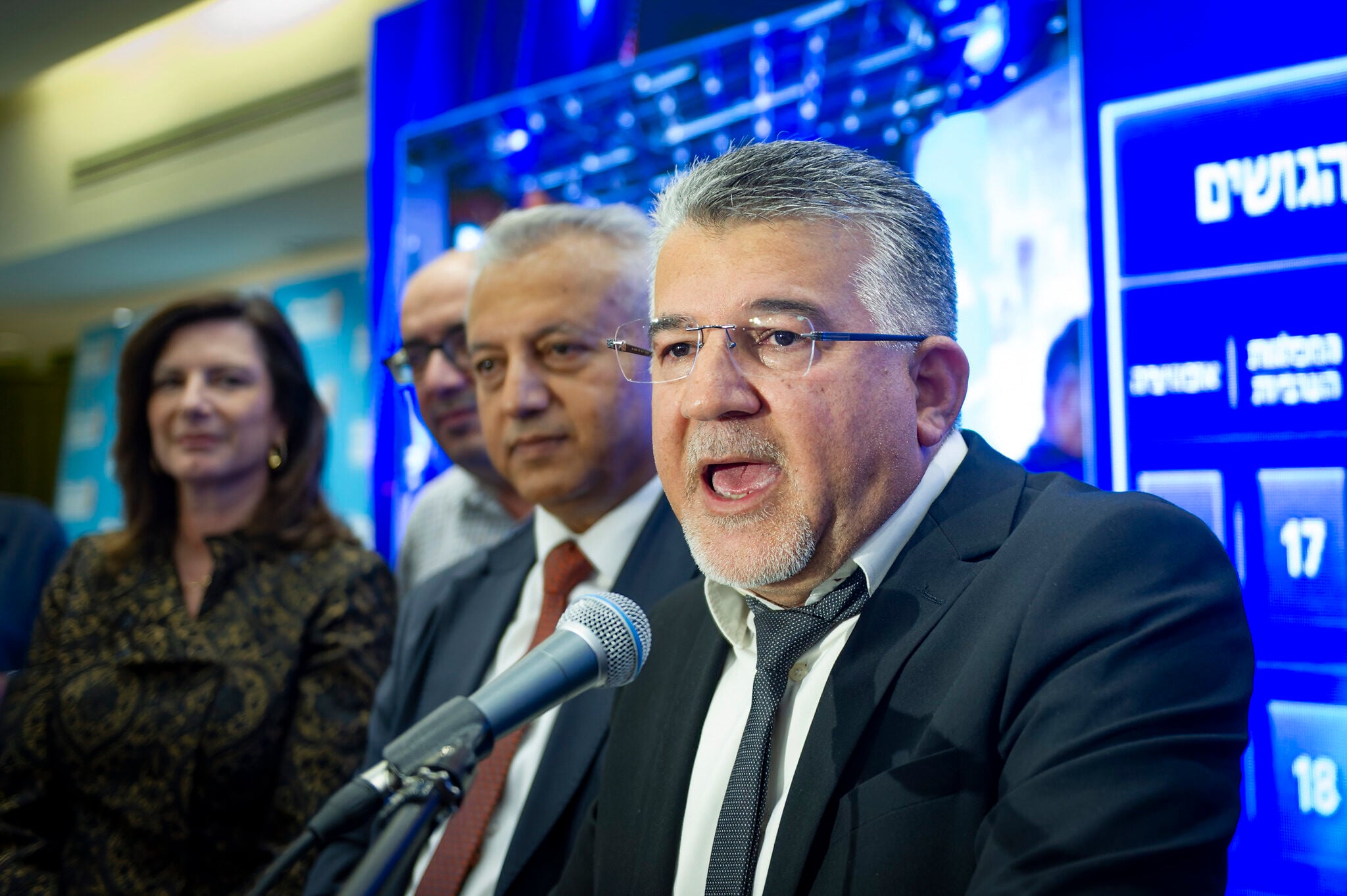
Joint List chairman Yousef Jabareen, meanwhile, said in a statement: “We are ready and willing to pave the way for the Netanyahu government’s removal.”
“In the face of the government of bloodshed, of a politics of supremacy, racism, and exclusion, we are offering a totally different alternative. The change runs through Jewish-Arab partnership — real, equal partnership. Not less than that, and not more than that,” he said.
Speaking separately to the Ynet news site, Jabareen vowed to “leverage our political power to advance the values we believe in.”
MK Ahmad Tibi, who leads the Ta’al faction within the Joint List, told the Saudi Al-Hadath newspaper on Wednesday that “there is a real chance to replace the Netanyahu government,” and that “Gadi Eisenkot is the candidate closest to forming a government.”
Avigdor Liberman, chair of Yisrael Beytenu, and Naftali Bennett, chair of B’Yachad, have pledged not to rely on the Arab parties to form a government. They would have to break that promise to achieve a majority in the Knesset. Both previously sat in a short-lived government with Ra’am from 2021 to 2022.
Eisenkot himself has made statements that would appear to rule out a coalition with both Ra’am and the more Palestinian nationalist Joint List.
The former party, considered more moderate, includes a Jewish former lawmaker from the mainstream Yesh Atid party (which is now part of Bennett’s B’Yachad) on its list, and has even won plaudits from right-wing parties in the past.
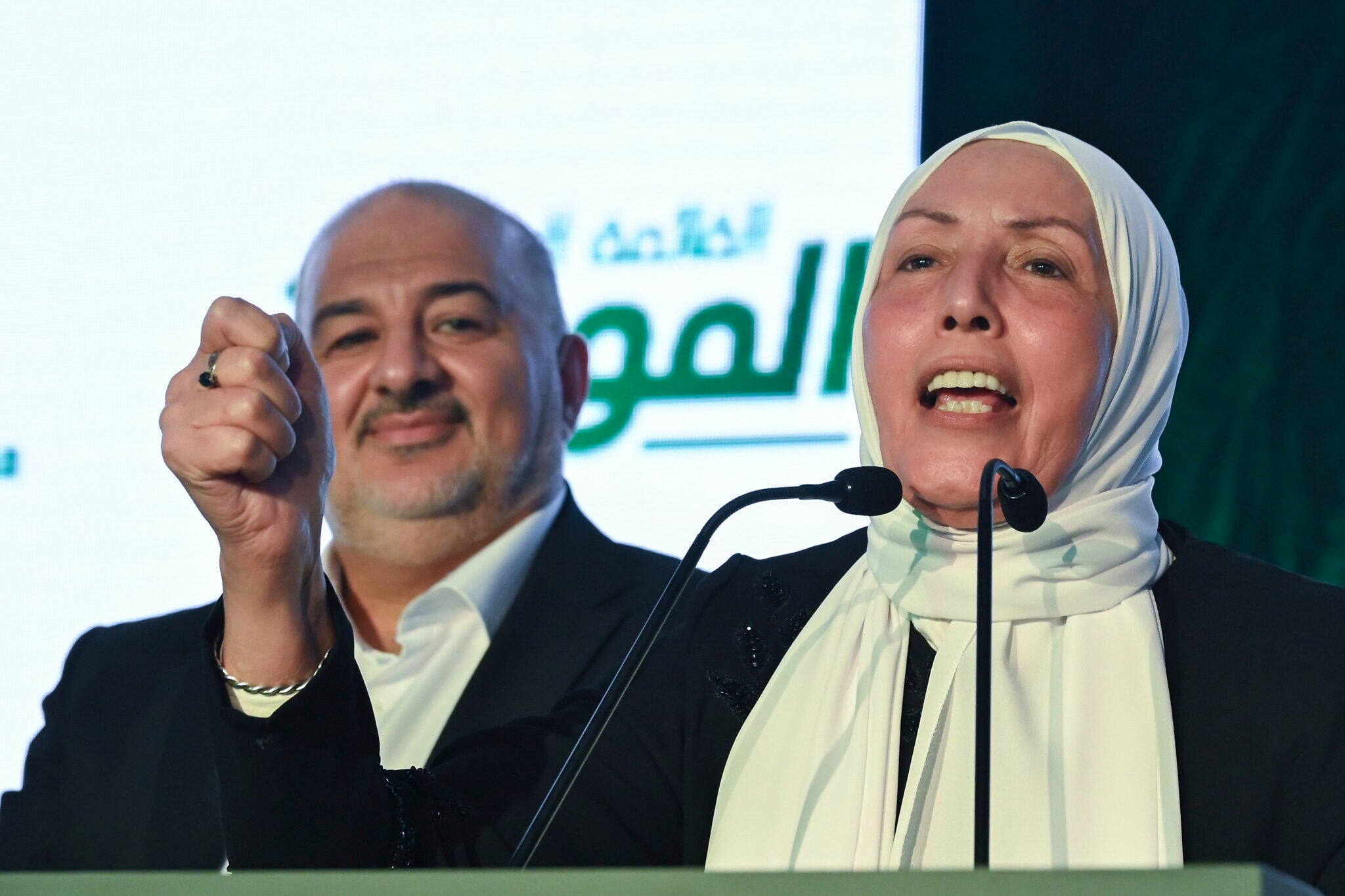
At the same time, its chairman, Mansour Abbas, has avoided calling Hamas a terror organization or calling for its destruction, despite condemning atrocities the group committed against civilians in its October 7, 2023, attack. Additionally, one of the party’s MKs, Iman Khatib-Yassin, initially denied evidence that children had been killed or women raped during the attack; she later apologized for her remarks, saying she didn’t mean to minimize or deny “the terrible acts against women, babies, or the elderly.”
Commentators have also suggested the possibility of a unity government, with some combination of parties from both blocs. But opposition parties have vowed not to work with Netanyahu or the ultra-Orthodox parties; Bennett and Golan have ruled out including any member of the current government.
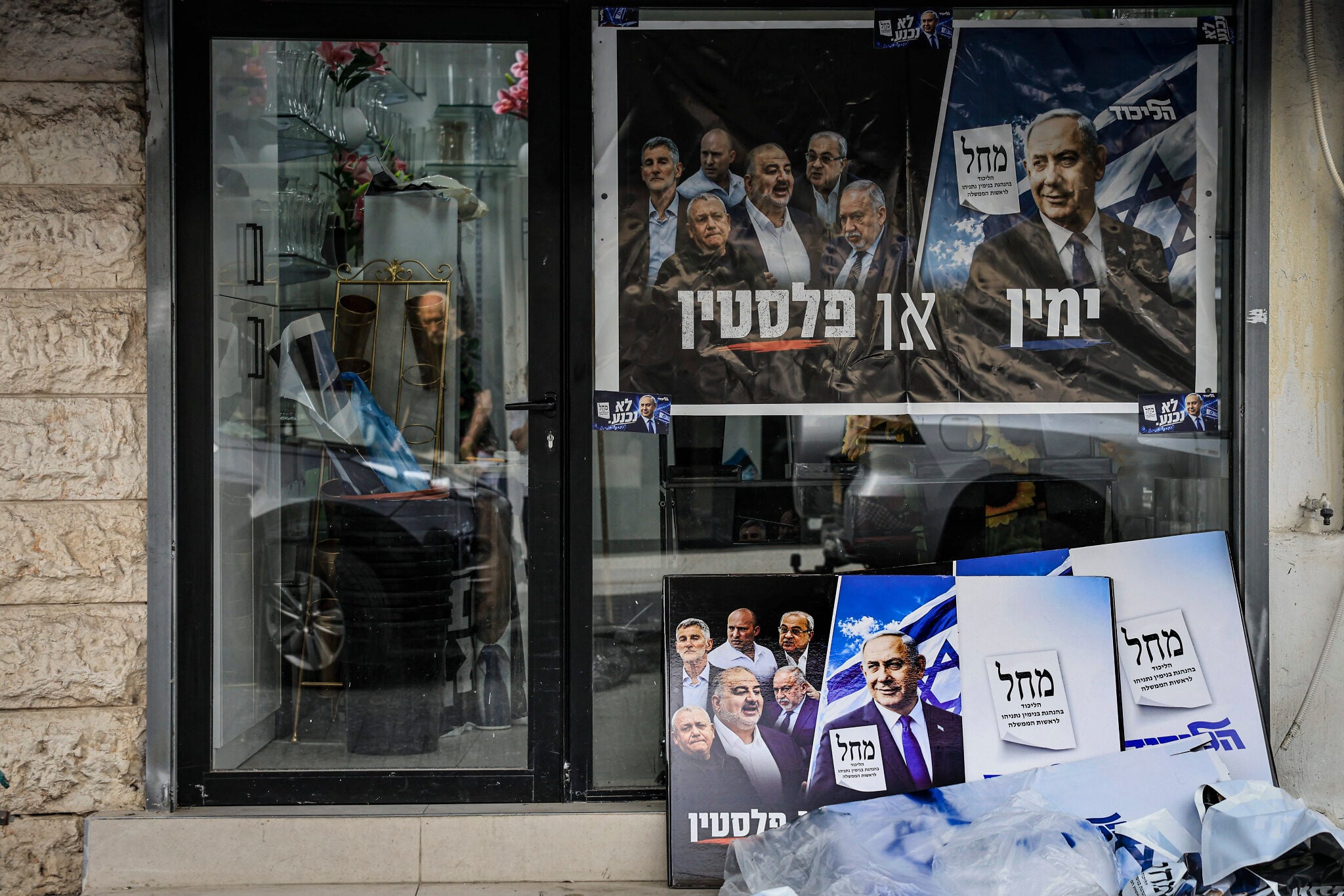
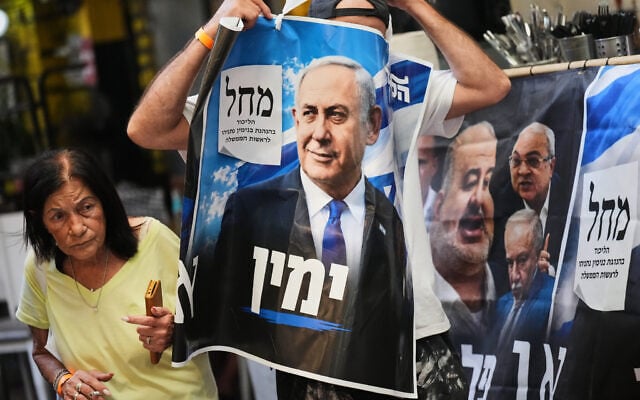
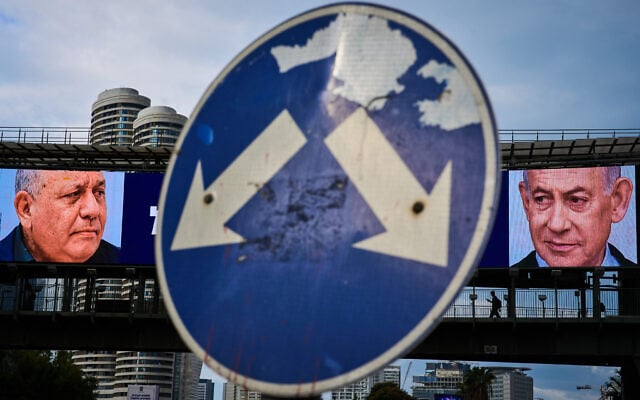
The prime minister made the opposition’s supposed alliance with the Arab parties a key feature of his campaign, including with large banners depicting AI-generated images of Joint List and Ra’am leaders alongside the leaders of the anti-Netanyahu bloc, and a slogan reading: “It’s the right, or Palestine.”
The opposition, meanwhile, has assailed the current government for working with ultra-Orthodox factions to codify long-standing exemptions granted to Haredi men from mandatory military service. Most of those factions identify as non-Zionist, expressing a theological objection to the state’s claim on Jewishness for reasons unrelated to regional conflicts.
Despite the lack of clarity as to forming a new government, Channel 12 reported that the anti-Netanyahu bloc is looking to use its overall majority of seats — including the Arab parties — to replace Knesset Speaker Amir Ohana, a member of Likud.
It has not yet aligned on a candidate, according to the report, though Yisrael Beytenu MK Oded Forer, and Elazar Stern of Yashar, were named as options being discussed.




The Times of Israel Community.