

In mixed city of Acre, Jewish-Arab coexistence shapes hopes for anti-Netanyahu coalition
In the market stalls of the old bazaar, locals call for Zionist and Arab parties to work together to bring change – but resistance to the idea by opposition leaders may render their vision a nonstarter
 Add ToI as a Preferred Source on Google
Reporter at The Times of Israel
ACRE — The scent of burning incense drifted through the bazaar’s alleyways, where market stalls displayed keffiyehs alongside Spider-Man toys and Star of David necklaces.
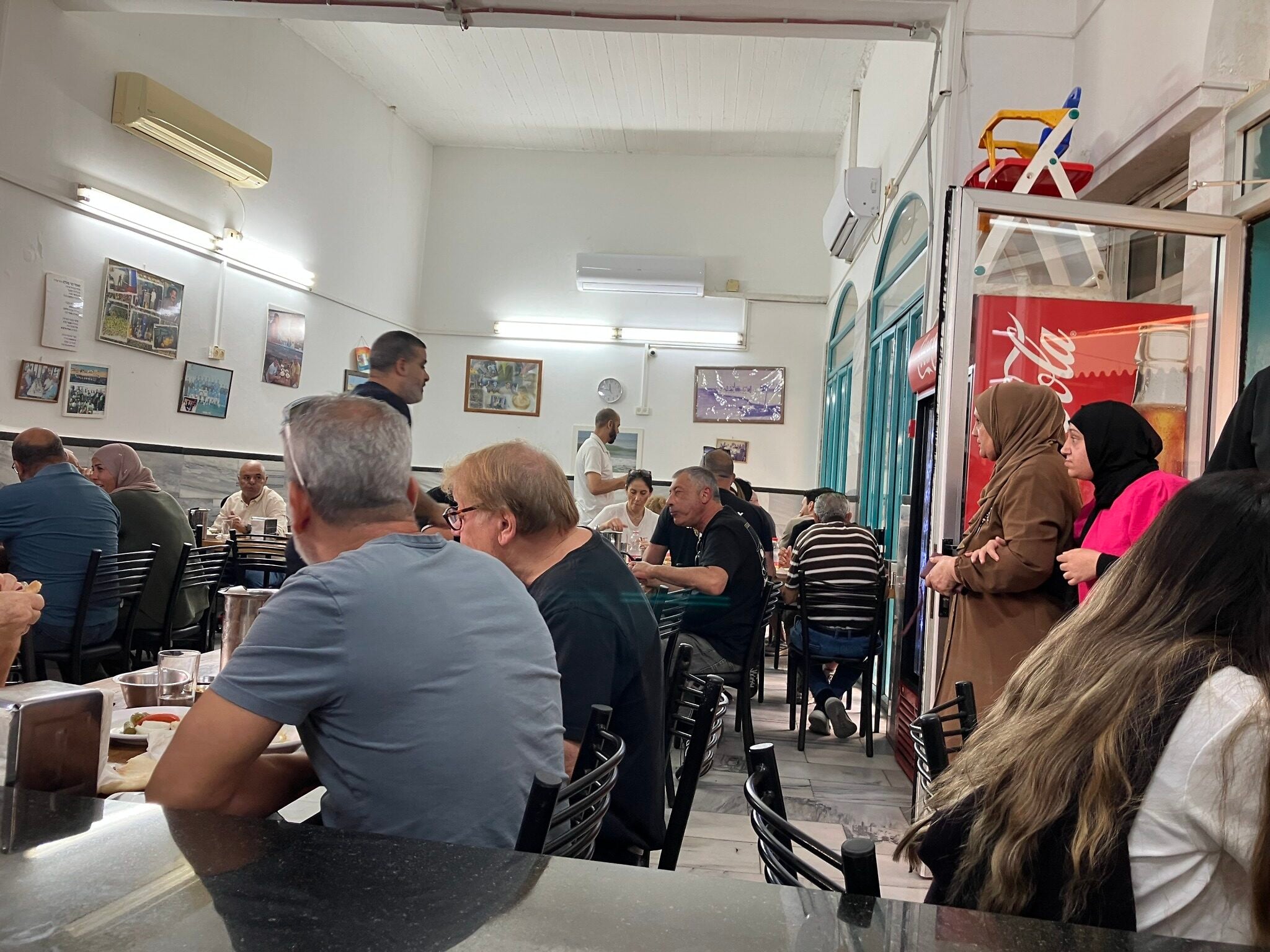
At Hummus Said, Muslim women in hijabs, Jewish Israelis, and Christian men wearing gold crucifix pendants sat side by side, dipping pita bread into plates of warm hummus garnished with chickpeas and generous pours of olive oil.
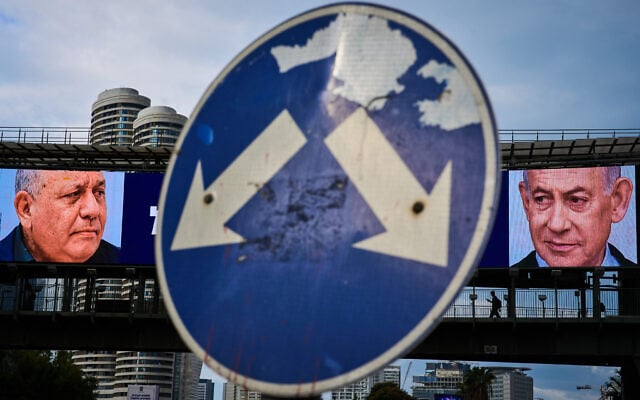
It was the morning after the Knesset election, and with 85% of ballots counted, the Central Elections Committee published partial results showing 53 seats for the bloc led by incumbent Prime Minister Benjamin Netanyahu. Meanwhile, the Zionist anti-Netanyahu opposition bloc led by the Yashar party’s Gadi Eisenkot had 48 seats, while the Arab parties Ra’am and the Joint List had 19 combined.
Many Arab Israelis in this mixed city of 65,000 told The Times of Israel they were proud of the number of seats won by Arab parties — — a record number and a huge increase over the 10 they hold in the outgoing Knesset — and expressed hope that they could become viable coalition partners to oust Prime Minister Benjamin Netanyahu.
That vision may be doomed from the start; some in the Zionist opposition have ruled out joining any coalition that includes the Arab parties, despite their strong showing.
“But everyone is still living together and eating together,” restaurant owner Said Abu Bakar said, looking around his establishment’s crowded tables.
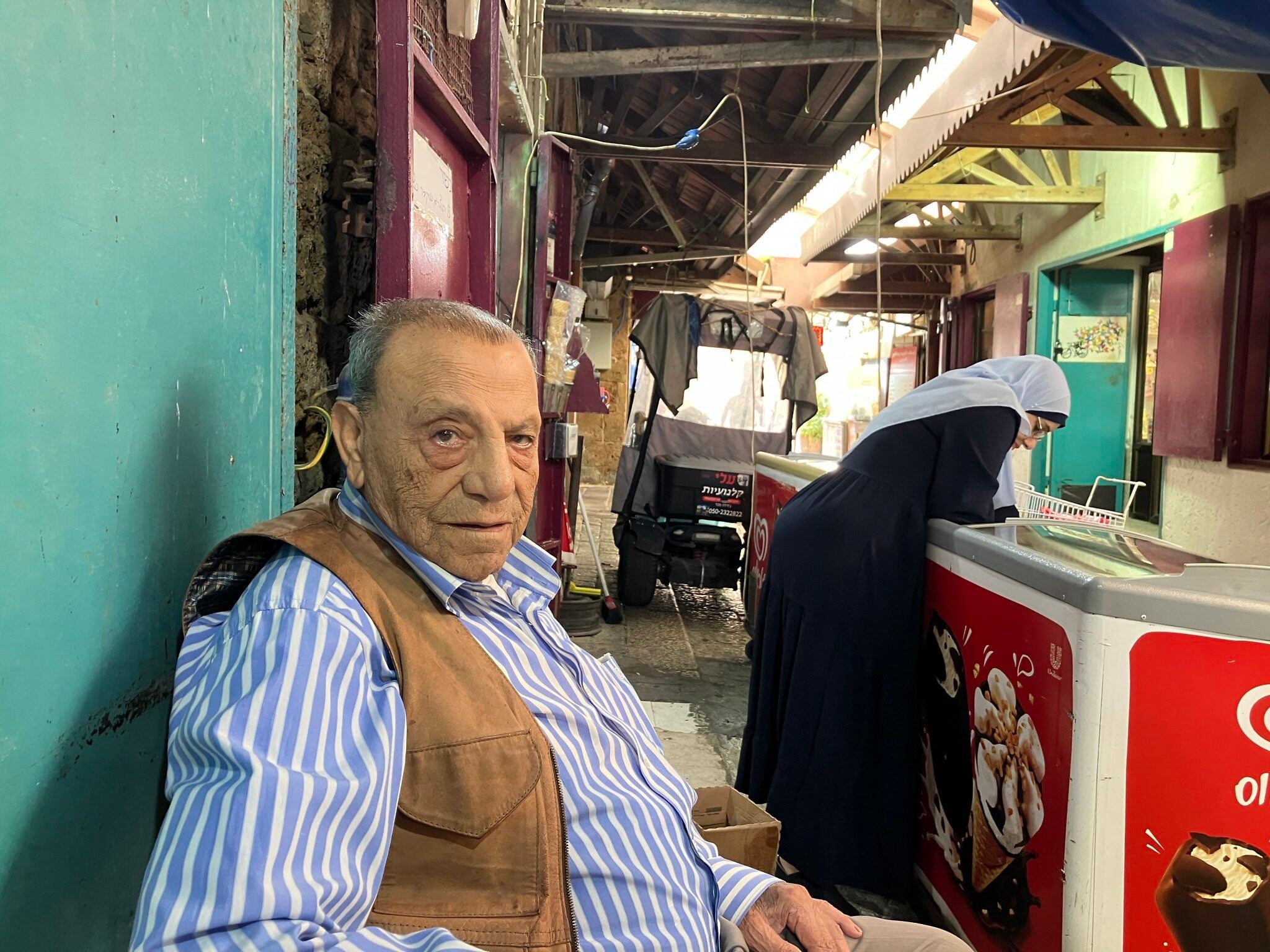
Standing outside the stall where he sells freshly squeezed juices, 85-year-old Mahmoud Shamai, born and raised in Acre, had no compunctions about Arab parties joining the Zionist-led opposition to Netanyahu.
“I hope [they] join with Eisenkot to form a new government, to help him so he will be prime minister,” Shamai said, as he smoked a cigarette down to its filter.
For Shamai, an integrated coalition is the only viable path to break the political deadlock and usher in change.
“If not, Netanyahu will be there again for four more years, and we’ve had enough of him,” he said. “That’s what I hope for. Otherwise, I don’t see a light at the end of the tunnel.”
Another local vendor echoed his statement.
“Seeing that the Arab parties won at least 17 mandates makes us very happy,” said the shopkeeper, who asked to remain anonymous. “We want them to enter the government. We don’t want them to be on the sidelines. We want the Arabs to be ministers and help the Arab sector.”
‘Hoping for a change’
Walking into Acre’s bazaar, Keren Meyer told The Times of Israel that she had voted for Eisenkot’s Yashar.
“I was hoping for a change, but I woke up this morning, and unfortunately, I didn’t find it,” Meyer said, referring to what appeared to be a hauntingly familiar political deadlock.
“On a personal level, I’m very disappointed with the people’s choice after all we went through in the last three years, to trust someone who didn’t take responsibility,” Meyer said, referring to Netanyahu’s reaction to the bloody Hamas-led invasion of October 7, 2023, which occurred during his government’s tenure.
“So I have to say, I got up with a real bitter taste in my mouth,” she said, and then paused for a moment. “Despite my smile, which is all I have.”
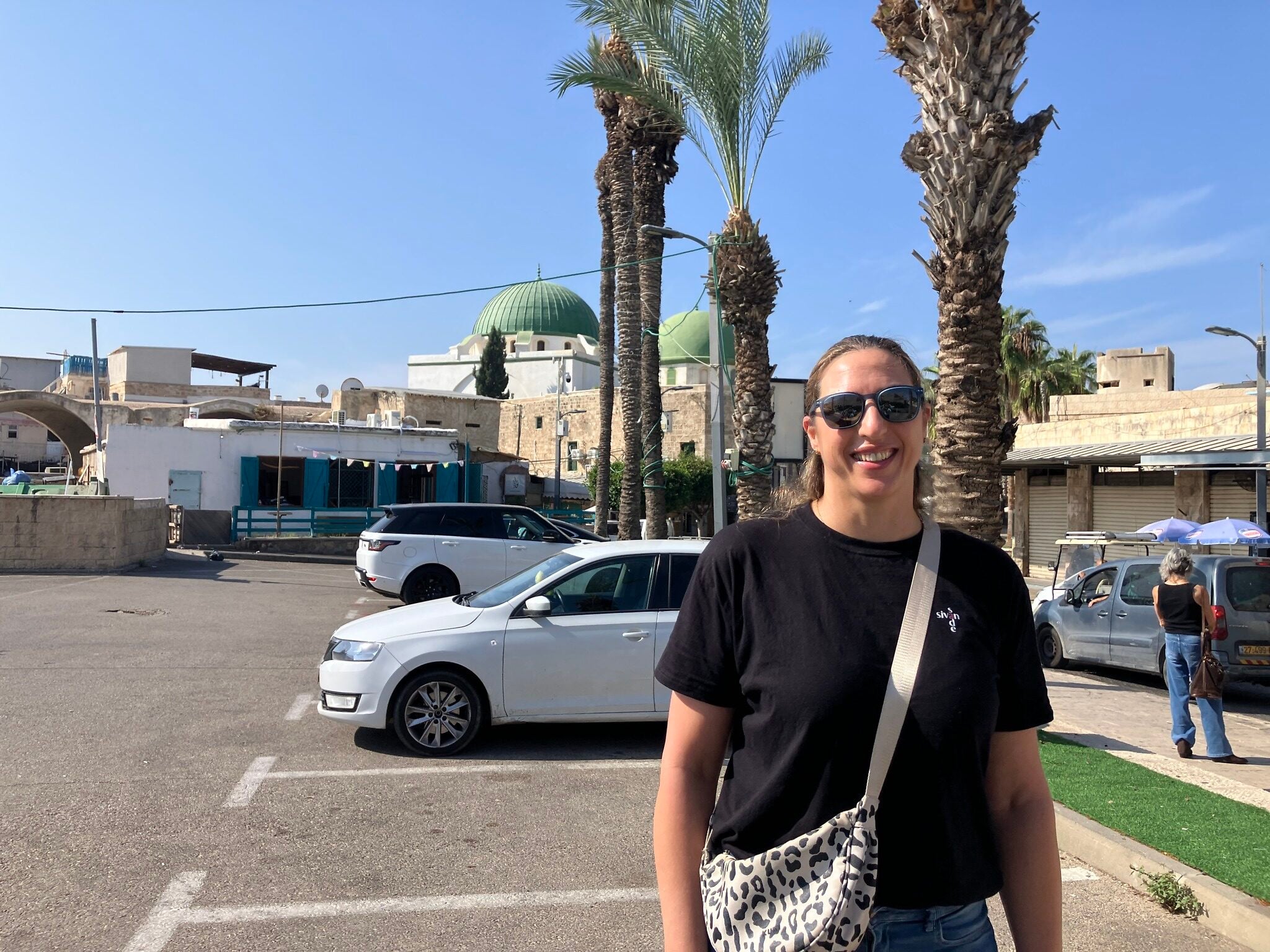
Pointing to the 19 seats secured by the Arab parties, Meyer said that “we can’t ignore them, and we can’t cancel them out.”
She added that she prefers working with those parties over current Finance Minister Bezalel Smotrich’s far-right Religious Zionism party, the Haredi Shas party, “or people who don’t contribute to the country.”
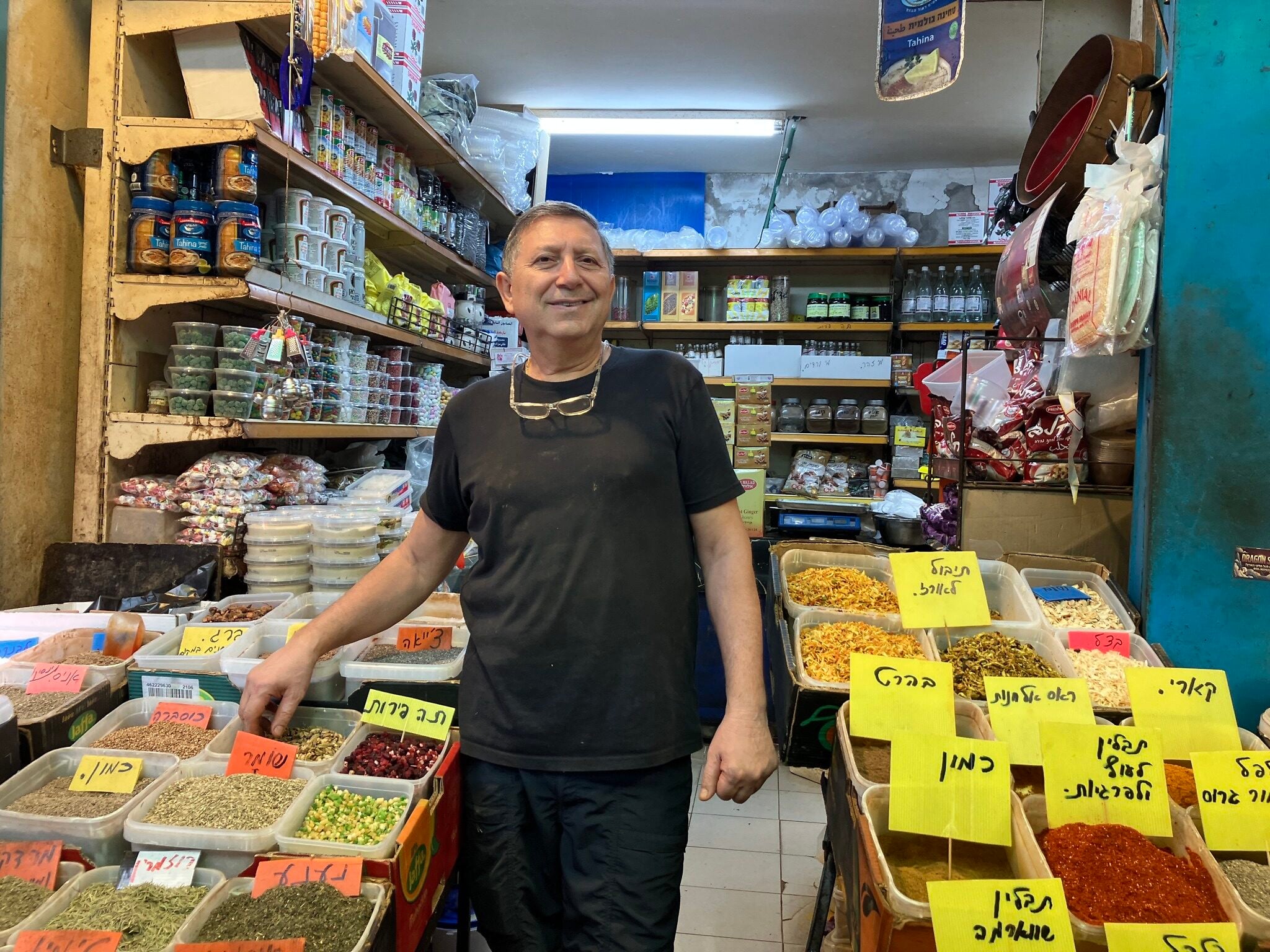
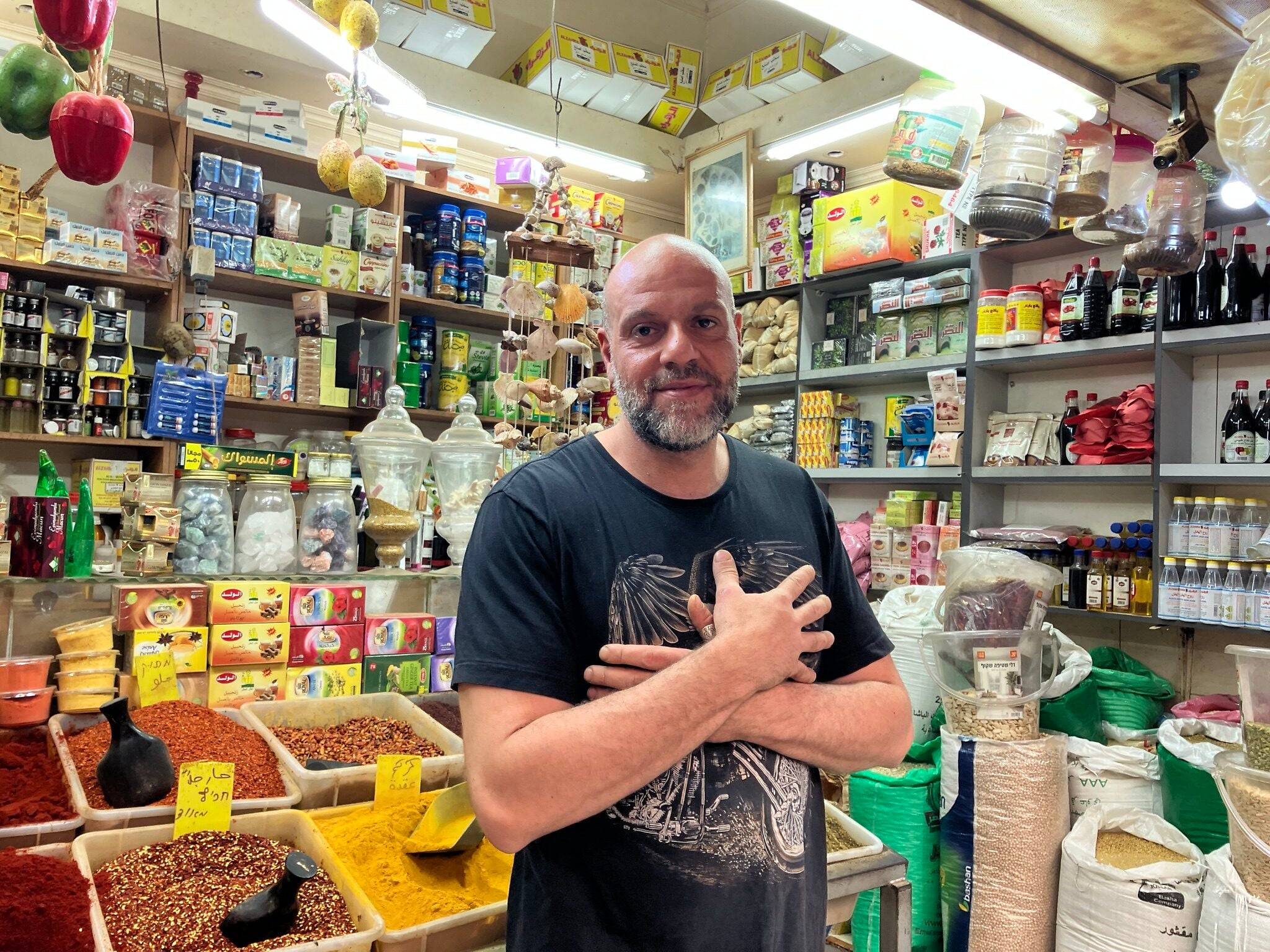
Inside a nearby spice and grain shop, Shimon Malka said he has run his stall in the bazaar for 40 years.
“I’m the market’s last remaining Jewish merchant,” he said proudly.
Although Malka said he and the other vendors get along well after all these years, his children don’t want to continue running the shop because “they prefer to work in high-tech.”
When asked who he thinks will form the next government, he said, “We don’t yet know what will be. It changes every two minutes.”
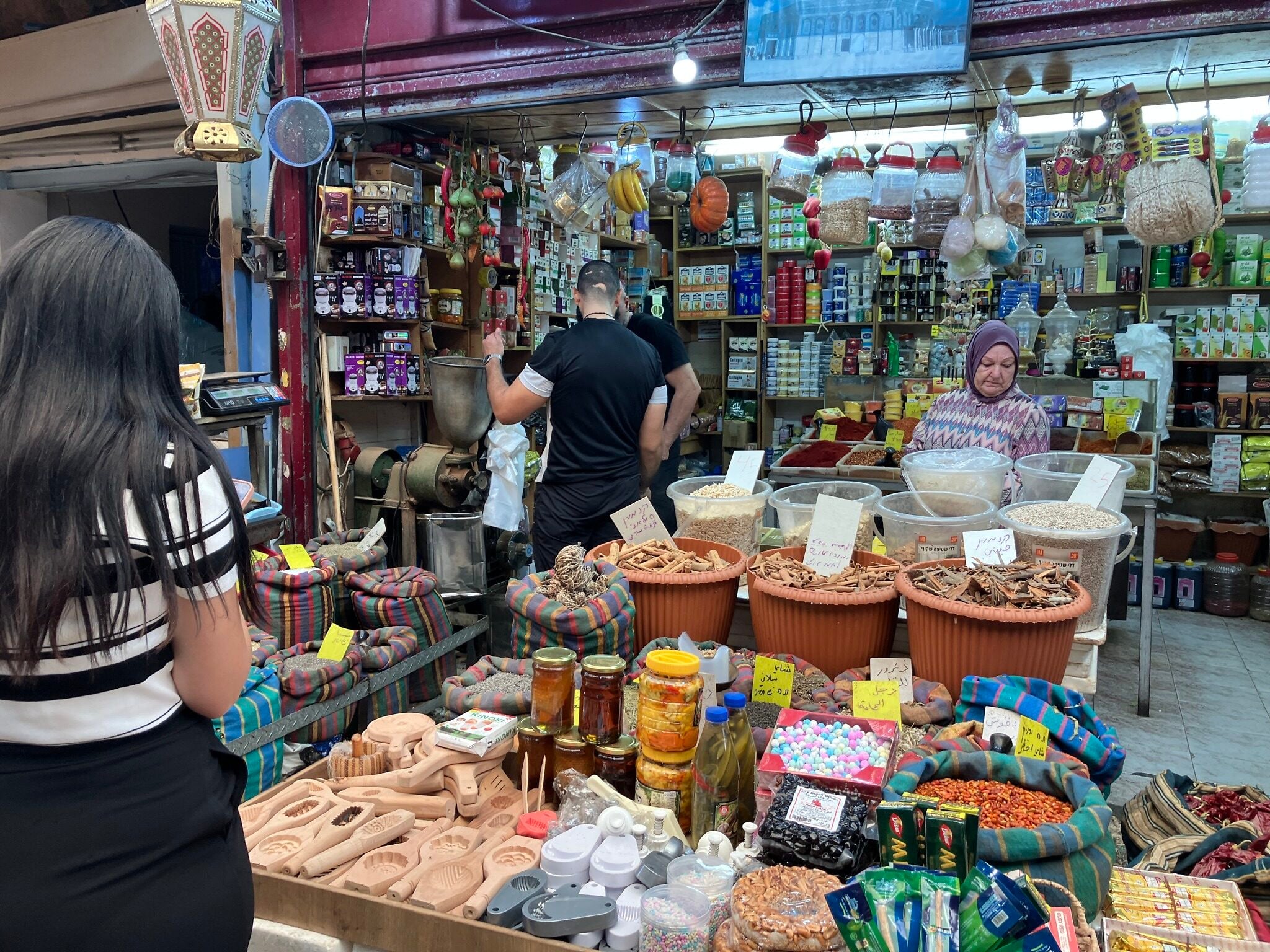
A few stalls down, a vendor who calls himself Jarjee sells natural medicines, natural sponges, and soaps.
He declined to share which party he voted for. However, he expressed pride in the large number of Arabs who voted.
“The bomb shelters, the wars, they’re not good,” he said. “For what? We have to be here together and live our lives. This is our home. All I want is peace and for us to be brothers.”




The Times of Israel Community.