

Tel Aviv stocks drop and shekel slides as election results dent hopes for change
As near-final election results indicate a looming political deadlock, investors brace for weeks of uncertainty, after betting on a change in government
 Add ToI as a Preferred Source on Google
Sharon Wrobel is a tech reporter for The Times of Israel
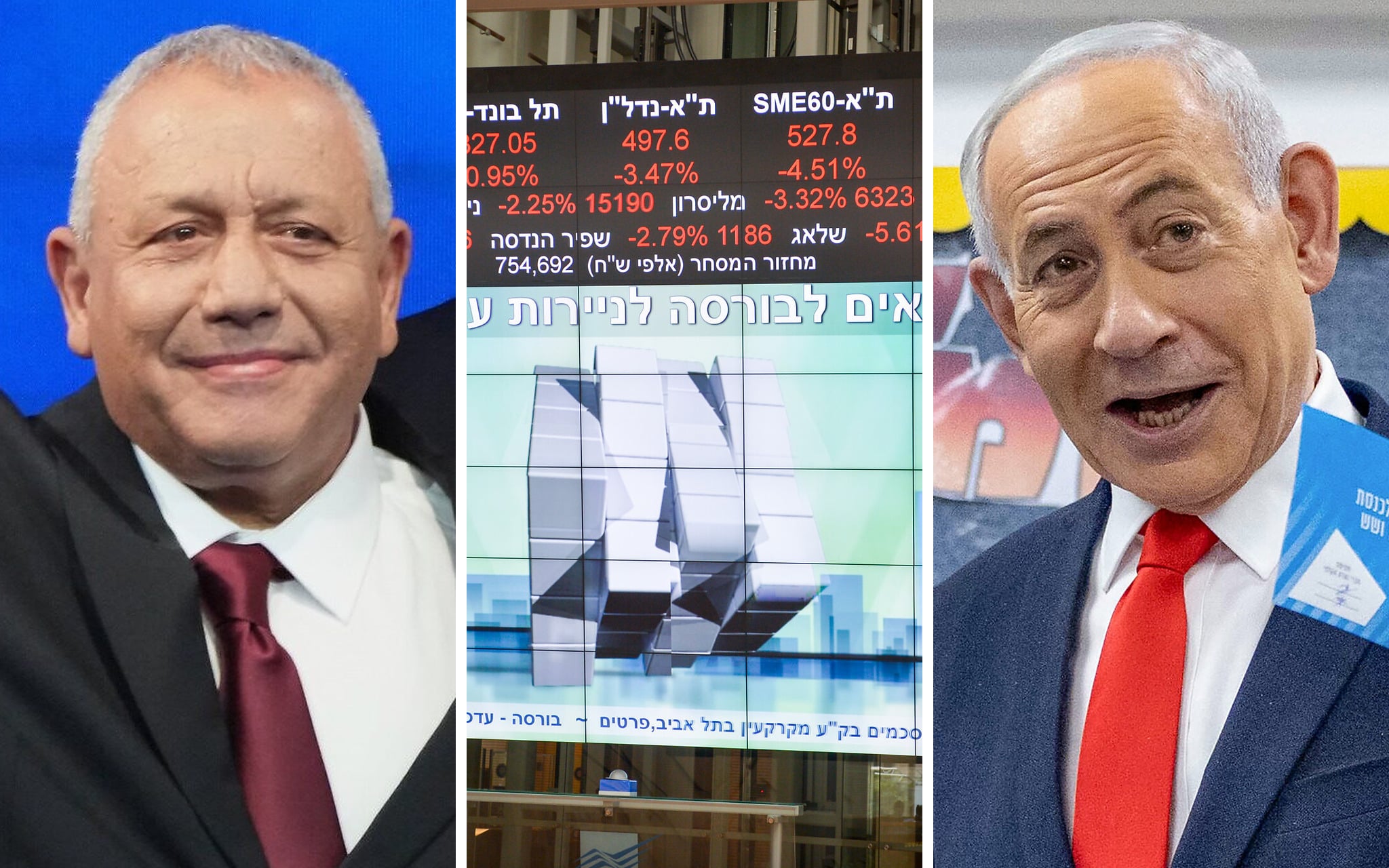
Tel Aviv shares lost ground and the shekel weakened sharply against the dollar on Wednesday, as non-final election results thwarted investors’ bets on a change in government, fueling uncertainty over who will form Israel’s future leadership.
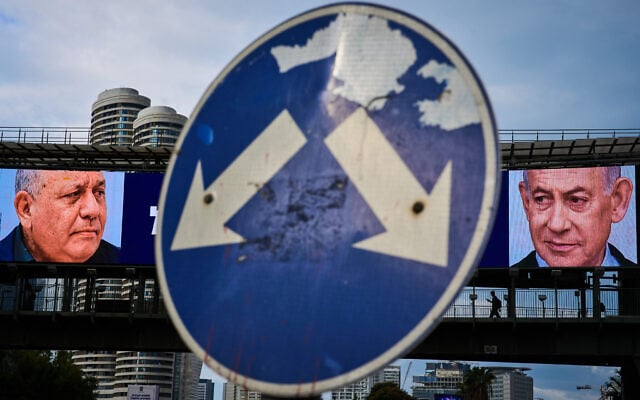
With over 85 percent of votes counted, partial results published by the Central Elections Committee gave 53 seats to the right-wing bloc led by incumbent Prime Minister Benjamin Netanyahu and 48 seats to the bloc led by Yashar’s Gadi Eisenkot. However, neither bloc is close to the 61 seats needed to secure a majority in the 120-seat Knesset and form a government alone. Final election results were expected to trickle in on Thursday or Friday.
The benchmark TA-125 index fell 2.5% at the close, and the TA-35 index of blue-chip companies lost 1.8%. The TA-90 index, which tracks the largest shares outside the TA-35, plunged 4.5%, the TA-Insurance index sank 5.2%, and the TA-Construction index tumbled 8.8%.
The shekel lost 2.2% against the US dollar, trading around NIS 3.1216 per dollar and headed for its weakest close in more than six months. The sell-off reversed gains made before the vote, when shares rose about 2% on Monday and the shekel strengthened on Tuesday as investors appeared to price in a change in government. The Tel Aviv Stock Exchange was closed Tuesday for election day.
“There is a bit of a disappointment because the market was pretty confident that the election was going in one direction,” Citi Israel CEO Neil Corney told The Times of Israel. “The expectation was that if a government of change came in, peace accords could be on the table again, all implications regarding sanctions would be off the table, and we would see a change in the governing coalition that was viewed favorably by investors.”
“Now markets are faced with uncertainty and there is probably not going to be certainty for the next two months,” said Corney.

If neither Netanyahu nor Eisenkot can assemble a parliamentary majority, another election would be the most likely outcome, with Netanyahu remaining at the helm of a caretaker government. Israel has been through such cycles before, holding four elections between 2019 and 2021 before a government was formed. That government collapsed in 2022, leading to the election that returned Netanyahu to power.
Looking ahead, Corney said the markets could be bracing for several possible outcomes.
“There could be new elections, there could be a similar government to last time, there could be a national unity government, and there could still be a chance of having a minority government as well — everything is on the table,” Corney remarked. “Some kind of a national unity government is a scenario the markets would ultimately be happy with because the fringe parties are left out and can’t extract demands from the government.”
Ronen Menahem, chief markets economist for the Mizrahi Tefahot Bank, said that investors will want to see the formation of a “stable coalition which will be able to drive fiscal policy and make budgetary priorities that support economic growth.”
The outgoing Netanyahu-led government has been widely criticized for funding earmarks for special interests, particularly the ultra-Orthodox, in exchange for political backing; for failing to provide sufficient support for military reservists who have suffered financially while serving for extended periods; and for mismanaging Israel’s image abroad, resulting in diplomatic isolation and boycotts.
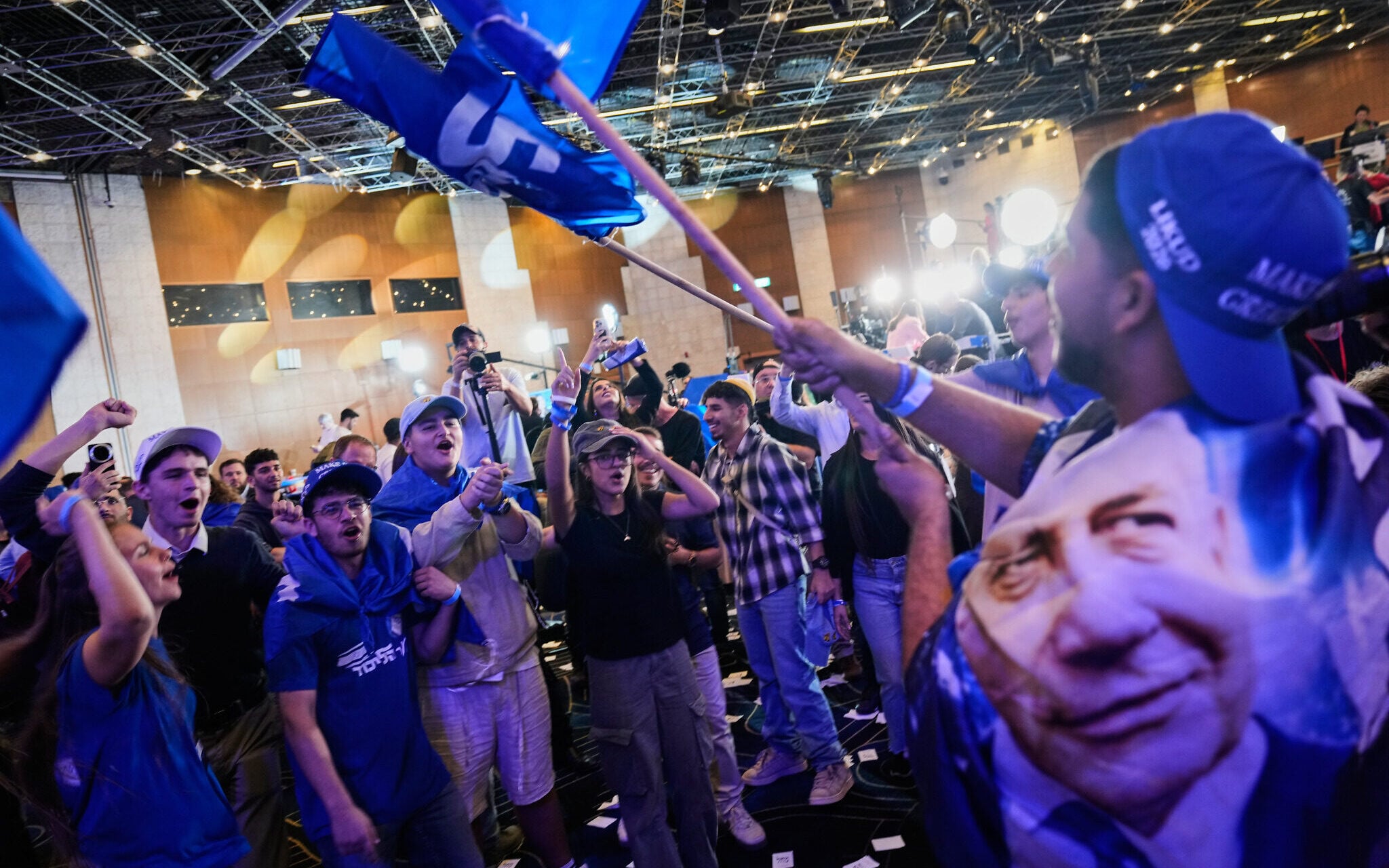
In addition, concerns about democratic instability have been dampening the business environment and driving an exodus of skilled professionals, including doctors, engineers and academics.



The Times of Israel Community.