

Iran indicates it received official US response to latest offer on ending war
Officials don’t say what reply contained; FM Araghchi updates Tehran cabinet on his trip to UN General Assembly; UK monitors says three ships hit in Hormuz
 Add ToI as a Preferred Source on Google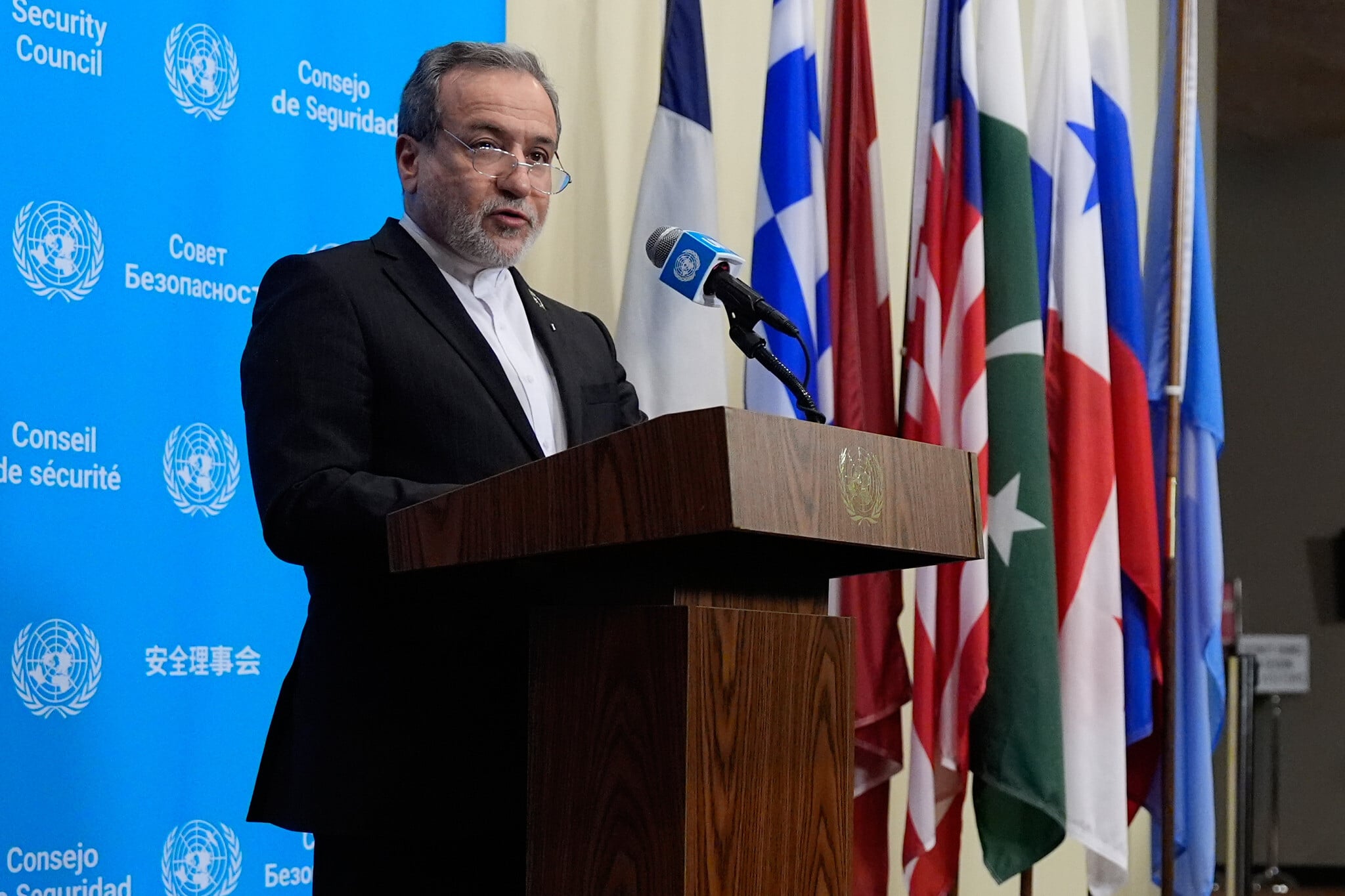
Iranian officials indicated Wednesday that they have received an official US response to Tehran’s latest proposal to end the seven-month war, which US President Donald Trump had publicly rejected just days earlier.
The officials did not say what the response contained, nor whether it was a rejection or not.
Iranian Foreign Minister Abbas Araghchi presented the US response to President Masoud Pezeshkian at a Cabinet meeting, government spokesperson Fatemeh Mohajerani told the state-run IRNA news agency.
“We will make every effort to bring the agreement to fruition and will firmly stand up for the rights of the Iranian people,” Pezeshkian said. “The agreement must now be based on a win-win strategy.”
The Cabinet meeting followed Araghchi’s return to Iran after traveling to New York for the UN General Assembly last week. While there, officials held indirect talks with US officials and also met with Qatari and Pakistani mediators on the sidelines of the annual gathering of world leaders.
An official briefed on the talks, who is not Iranian and spoke to Reuters on condition of anonymity, said the Qataris had briefed Araghchi on the US response on Tuesday when Araghchi stopped off in Doha on his way home from New York. According to the official, the sides largely agree about the steps that are needed but still disagree about the order in which to take them.
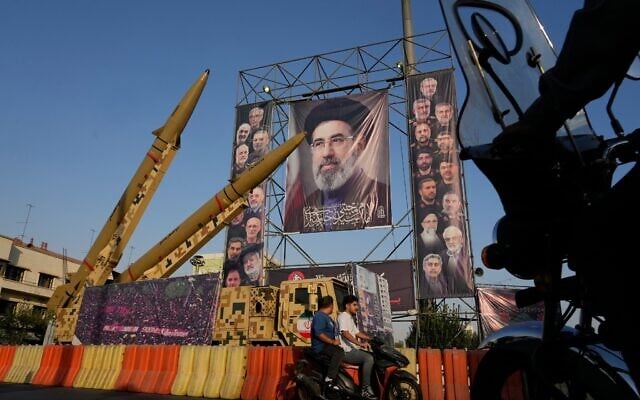
Araghchi briefed the Cabinet on his trip to New York and the meetings he held there, including Iran’s conditions for reopening the Strait of Hormuz, which Mohajerani said had been conveyed through mediators.
Iran wants an eventual deal to grant it control over the Strait of Hormuz, the world’s most important oil shipping route, which runs past its coast.
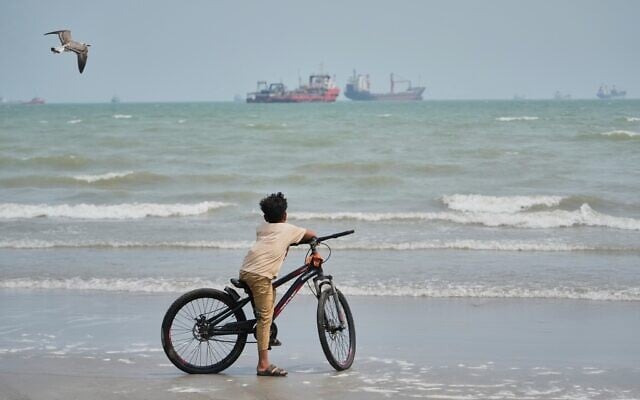
Shipping through the strait has increased in recent weeks, with shippers charging high fees to brave the risk of attacks. But flows of crude oil, refined products and natural gas remain substantially disrupted. In the latest incidents, Britain’s UKMTO maritime security body reported on Wednesday that unknown projectiles struck three ships in the Strait of Hormuz the previous day.
A crude oil tanker and two other vessels had each “been struck by an unknown projectile,” the United Kingdom Maritime Trade Operations Centre (UKMTO) said.
It had earlier described one of the vessels as an LNG tanker, before later describing it as a tanker.
Around a fifth of the world’s oil and liquefied natural gas passed through the strategic shipping lane before the war.
But since the conflict broke out, Tehran has been blocking the passage of commercial ships, firing on vessels it accuses of unauthorized crossings.
Washington has responded with a counterblockade of Iranian ports in an effort to prevent Tehran from exporting its oil.
Araghchi last week said he floated the proposal to reopen the strait in a week if the US agreed to lift its blockade of Iranian ports, release frozen Iranian assets and waive sanctions on Iranian oil sales, among other conditions.
Trump swiftly rejected the proposal, saying Iran wanted to make a deal because it was “losing so badly” but that its offer “would not be acceptable.”
Despite Trump’s public rebuffing, mediators continued working with Iran and the United States on trying to broker a deal to end the fighting and open the strait, according to officials who were not authorized to comment publicly and spoke on condition of anonymity.
Meanwhile, the Trump administration said it was pushing forward with economic warfare against Tehran as the prospects of the two sides coming to an agreement appear uncertain.
The US Treasury Department unveiled new sanctions on Tuesday targeting people and companies around the globe that it accuses of being financial facilitators or enablers of Iran’s military supply chain.
The latest action by the US administration is part of the administration’s “Operation Economic Outcast” campaign, aimed at severing “critical financial lifelines” for the already heavily sanctioned Iranian government.
Ten individuals and entities based in Iran, Hong Kong and Pakistan now face sanctions over accusations of procuring weapons and weapon components for Iran’s defense ministry as it fights its now seven-month war against the US.
Iran’s economy is spiraling further
Iran’s economy, which was under heavy strain before the war started, has been in a freefall since the conflict began in late February.
The country’s currency fell to a new record low on Tuesday, with traders in Tehran exchanging more than 2.5 million rials to the US dollar in a stark reflection of how the war in the Middle East has steadily eroded the Iranian economy.
The latest decline came just 27 days after the rial hit its previous record low of 2.2 million to the dollar on September 2. The currency has repeatedly reached new lows since the war began in February.
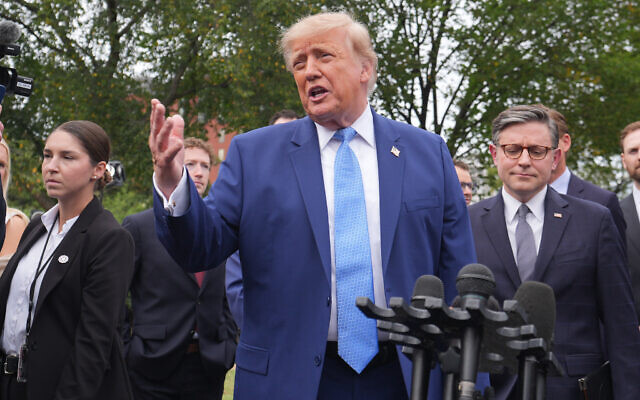
Trump on Tuesday said that Iran is “failing very badly, very badly” and predicted anew that the war will be “over with very, very soon.”
At the onset of the conflict, he had predicted that the war would last just weeks. More recently, Trump said he expects it won’t end until after the November 3 midterm elections in the US.
In the United States, polls show the Iran war was unpopular from the outset. The disruption to global energy supplies and resulting surge in fuel prices have hurt Trump’s Republicans, trying to hang on to both houses of Congress in legislative elections five weeks away.
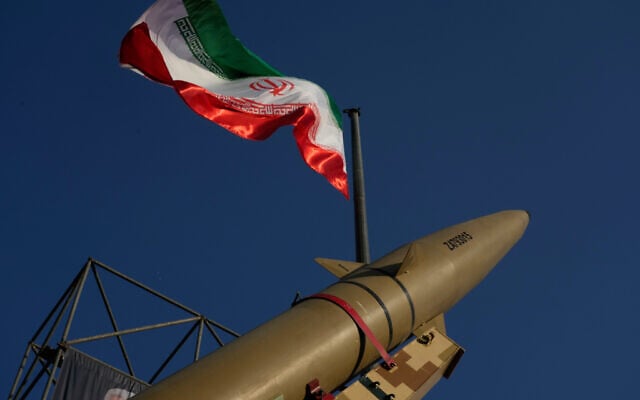
Iran’s Islamic Revolutionary Guard Corps urged Americans on Tuesday to vote out Trump’s allies.
“Remove from power the evil, deceitful, and violent politicians who are responsible for America’s current state,” they wrote in a 26-page letter to US voters. “Make sure your politicians understand that the world has changed.”
Iran executes 2 men on charges of violence during January protests
Also on Wednesday, two men were executed in Iran over their role in violence during nationwide anti-government protests in January, the state-run IRNA news agency reported.
Citing the country’s judiciary, IRNA said the men took part in unrest in the northeastern city of Mashhad that left four members of the security forces dead earlier this year. Their death sentences were upheld by Iran’s Supreme Court before being carried out Wednesday morning.
The unrest began December 28 amid anger over Iran’s collapsing currency and worsening economy and quickly spread across the country, with demonstrators increasingly calling for the overthrow of the Islamic Republic. Iranian authorities responded with a deadly crackdown.
Rights groups say thousands were killed and tens of thousands arrested, while Iranian authorities have reported a substantially lower death toll.


The Times of Israel Community.