

Mamdani antisemitism plan disregards anti-Zionism, leaving Jewish groups unsatisfied
City Hall initiative pledges education and public messaging, but omits Jewish connection to Israel and only highlights white supremacist violence against Jews

 Add ToI as a Preferred Source on Google
Luke Tress is The Times of Israel's New York correspondent.
NEW YORK — In December 2025, as then-New York City mayor-elect Zohran Mamdani’s administration was taking shape, a report surfaced social media posts by some of his appointees.
One of Mamdani’s incoming staffers had referred to “money hungry Jews” and “rich Jewish peeps,” echoing age-old tropes about Jewish greed and wealth.
Mamdani immediately accepted her resignation and said he would not have hired her if he had known about the comments.
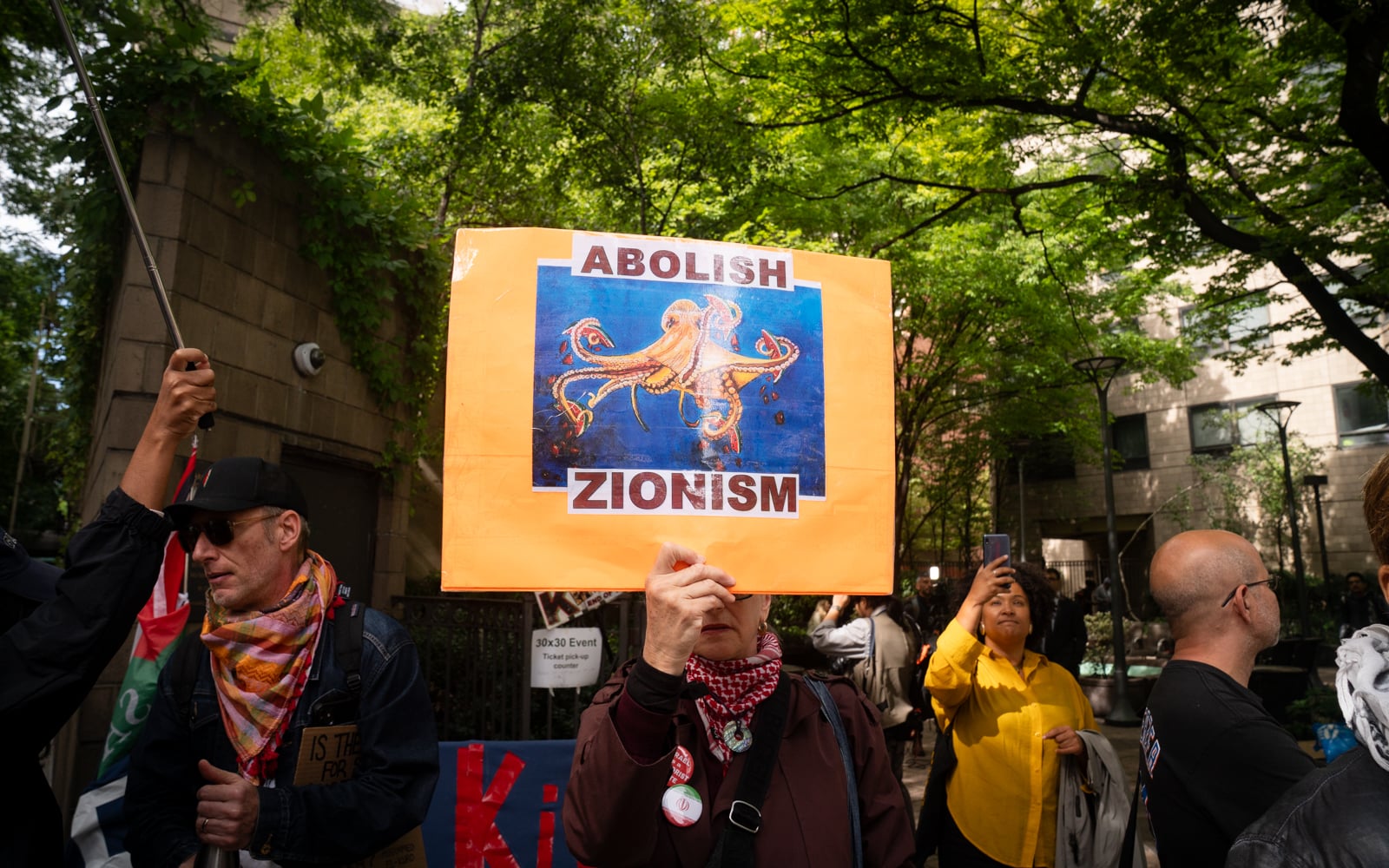
Other Mamdani appointees had made anti-Zionist comments, saying that Zionists were worse than Nazis, that “Zionists are never Jews,” and that Zionism was a “genocidal ideology,” according to a report from the Anti-Defamation League (ADL).
Mamdani disregarded criticism of those comments.
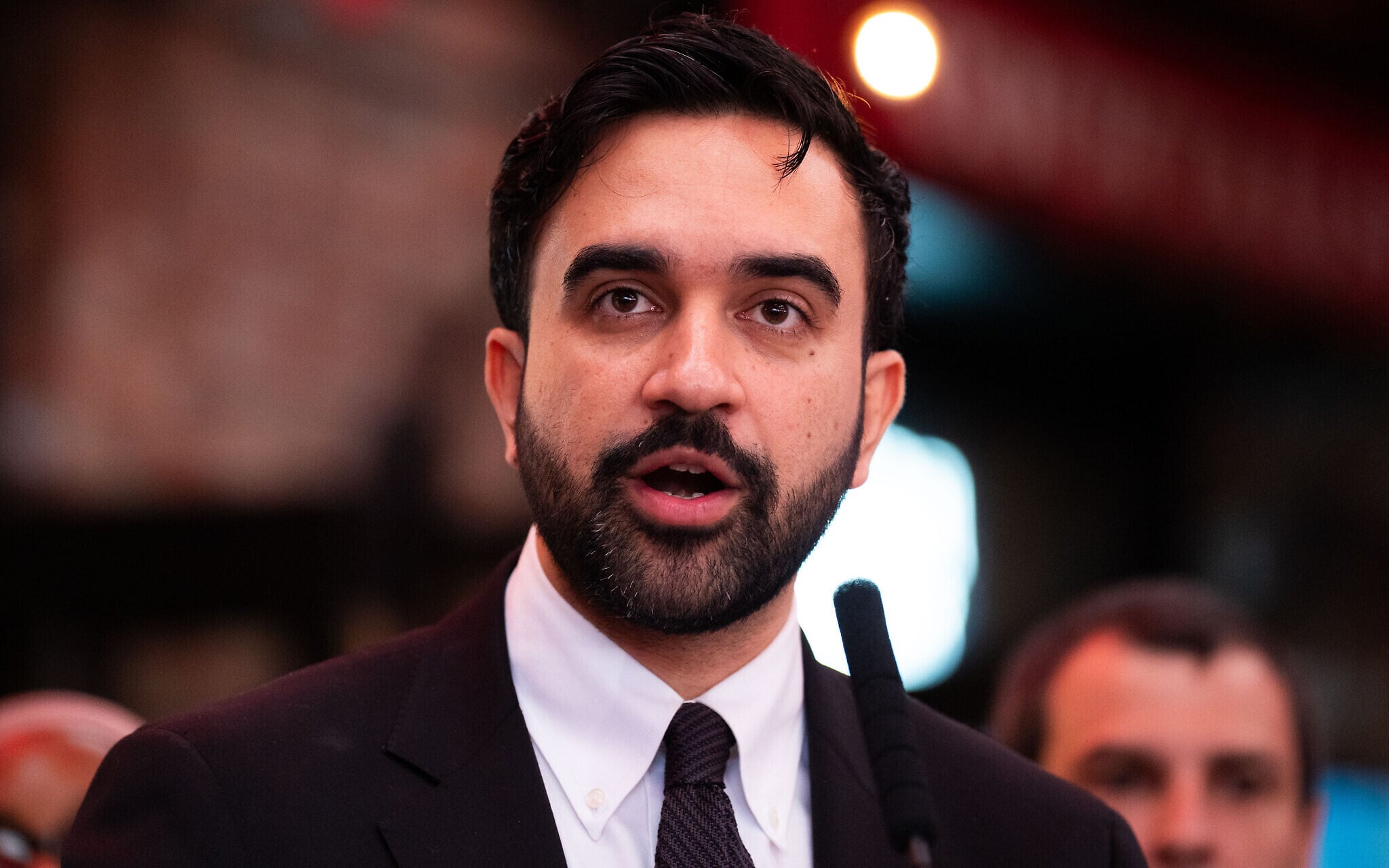
“We must distinguish between antisemitism and criticism of the Israeli government, and the ADL’s report oftentimes ignores this distinction, and in doing so, it draws attention away from the very real crisis of antisemitism,” he said.
That exchange, soon after his election win, illustrated Mamdani’s understanding of discrimination against Jews — that “classic” antisemitism and hatred from the right is unacceptable, but that leftist rhetoric demonizing Israel or Zionism is not discriminatory.
The framework goes against the view of mainstream Jewish groups in the city. The divide is that many Jews view a connection to Israel as essential to their identity, while the other side of the debate views Zionism as a political ideology that one can opt out of, and political views are not protected by anti-discrimination measures.
Mamdani’s critics have consistently argued that his anti-Zionist rhetoric, such as his repeated accusations of “genocide” in Gaza, could endanger New York Jews, forming a central point of tension between City Hall and mainstream Jewish groups.
The Mamdani administration’s plan to combat antisemitism announced on Tuesday did not address those concerns, avoiding the issue of Israel and anti-Zionism. The omission left mainstream Jewish groups dissatisfied and the plan is unlikely to smooth their tense relationship with City Hall.
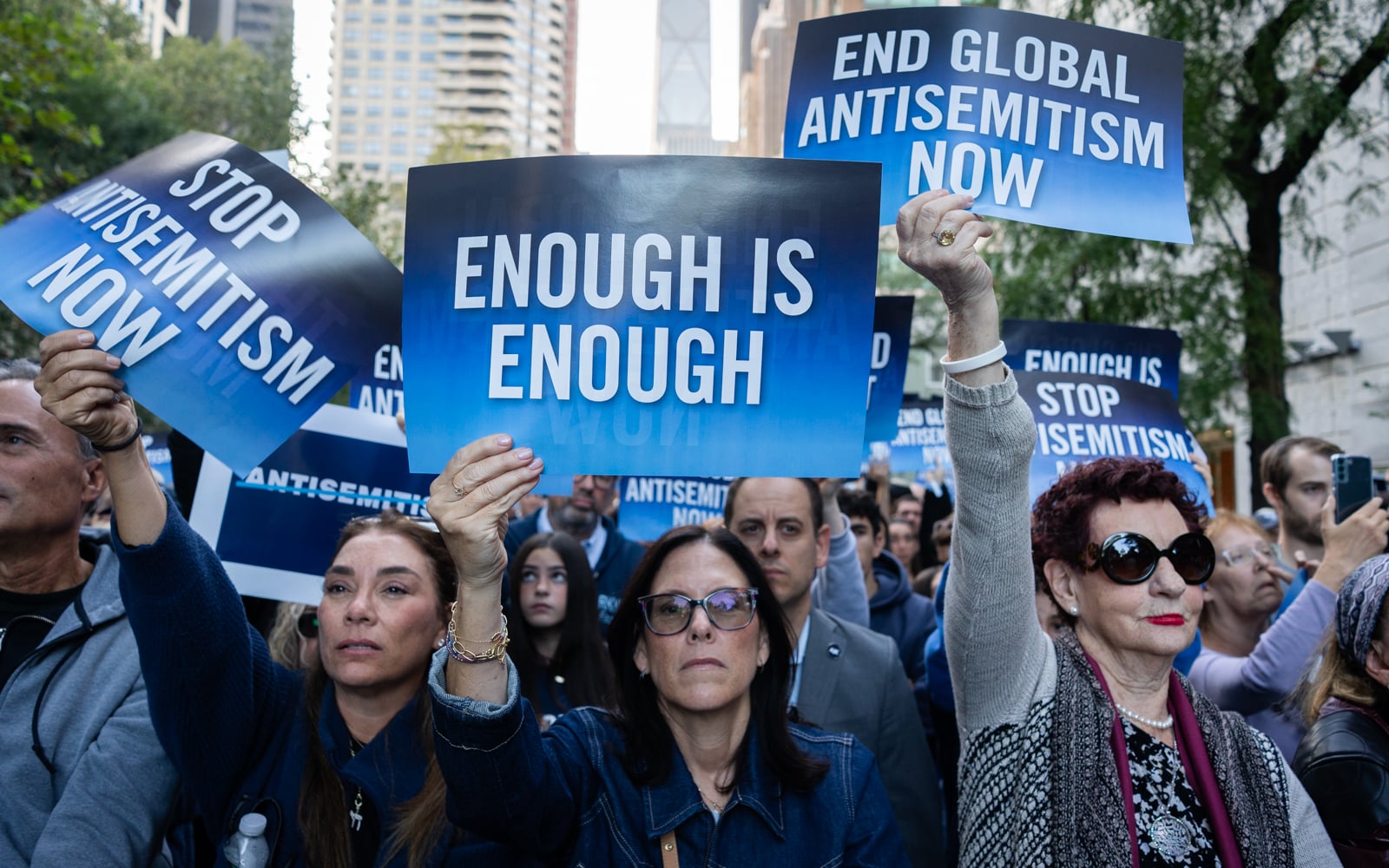
Jews make up around 10 percent of New York’s population and are targeted in more than half of all confirmed hate crimes in the city, according to NYPD data. Antisemitic hate crimes are up about 8% since Mamdani took office, alongside an increase in hate crimes against some other groups.
Mamdani has, in the past, endorsed the bifurcation between antisemitism and anti-Zionism. During a 2021 protest, while he was a state assembly member, Mamdani said, “Anti-Zionism is not antisemitism, and in the anti-Zionist movement that I believe in and belong to, there is no room for antisemitism.”
“We are often tarred with the characterization of being antisemitic, and let’s be clear — anti-Zionism is not antisemitism,” Mamdani told a crowd in 2023. “We will not be scared into believing that it is because we know that this is a politically motivated charge seeking to silence us.”
His administration’s 33-page antisemitism plan released Tuesday continues on that track by not mentioning Zionism. The plan focuses on education and public messaging, and generally groups antisemitism with other forms of hatred.
The only reference to Israel is an acknowledgment that Israelis are one of the city’s Jewish constituencies and that New York is the home to the largest Jewish community outside Israel. The plan does not refer to Jews’ connection to Israel. A large majority of American Jews say that a connection to Israel is important to their identity.
The report notes that antisemitic crimes have risen since the Hamas invasion of October 7, 2023, but makes no other mention of the attack or the ideology behind the spike in hate, such as far-left or Islamist ideologies. There is no mention of the anti-Zionist movement anywhere in the report.
The only specific antisemitic incidents referred to in the report are attacks driven by a clear white supremacist ideology — the 2017 demonstrations in Charlottesville, Virginia; the 2018 killings in Pittsburgh, Pennsylvania; and the shooting in Poway, California, in 2019.
The report leaves out more recent killings of Jews that were motivated by a hatred of Israel, such as last year’s firebombing of a hostages protest in Colorado and the murder of two Israeli embassy staffers in Washington, DC.
Mamdani’s plan repeatedly supports Holocaust education, a central tactic of Jewish groups for decades that some Jewish leaders now view as insufficient for combating contemporary antisemitism. The Nazis were motivated by a racial hatred of Jews, an ideology that is now widely understood as discrimination, while anti-Zionism is often framed as protected political speech.
Antisemitic white supremacist groups like the Goyim Defense League are active in other parts of the US, but there is scant organized white supremacist activity in New York City.
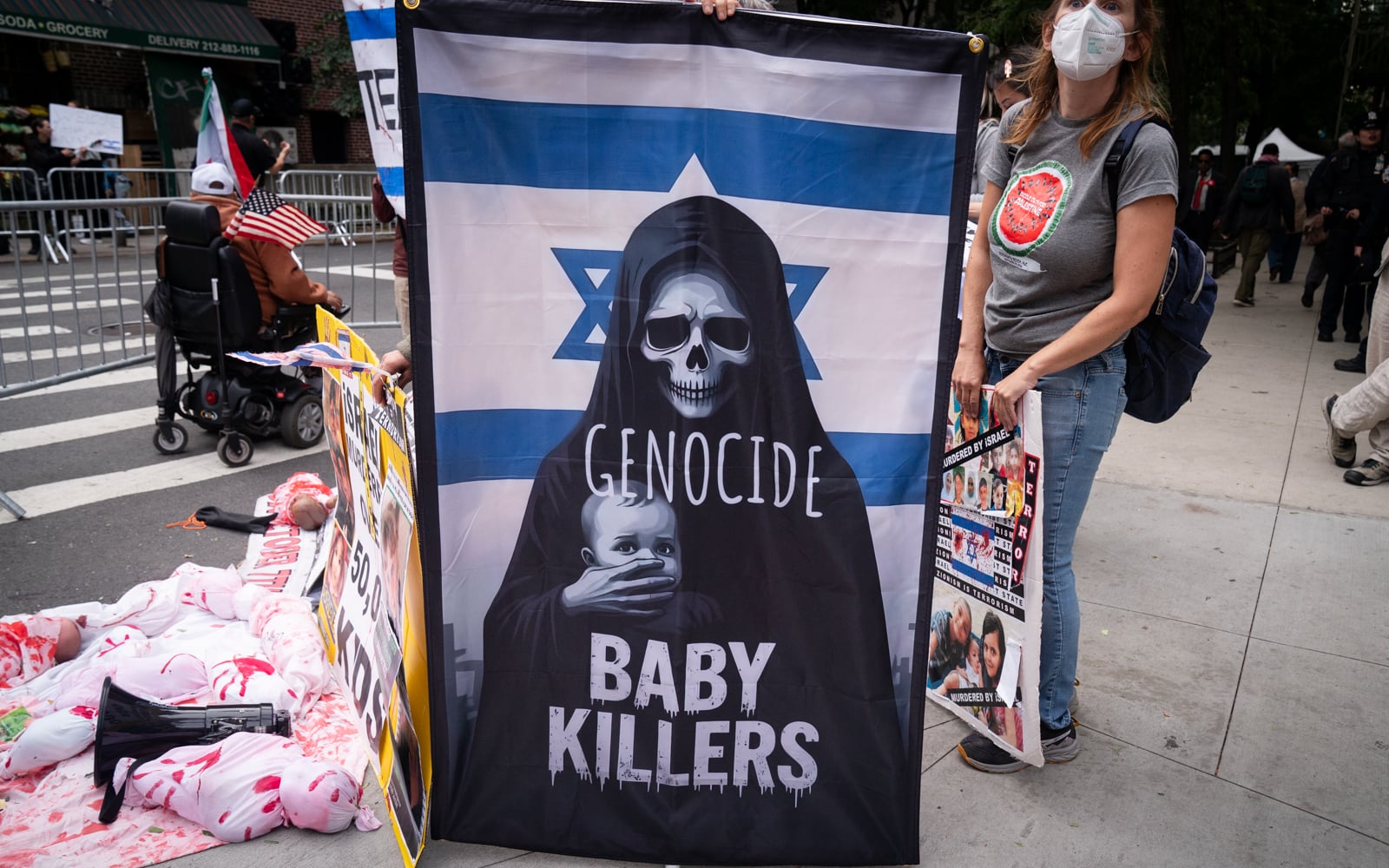
Anti-Zionist protests in the city often echo old anti-Jewish tropes, such as casting Israeli leaders as satanic or calling Israelis “baby killers.”
The report does not endorse any definition of antisemitism, which could have clarified the distinction.
Mamdani scrapped the International Holocaust Remembrance Alliance (IHRA) working definition of antisemitism on his first day in office. The definition says some forms of anti-Israel rhetoric are discriminatory, while stating that “criticism of Israel similar to that leveled against any other country cannot be regarded as antisemitic.”
“New York City can and will leverage all of the tools at its disposal to combat antisemitism effectively without needing to adopt a definition for this specific form of hate,” the report said.
The definition matters because it would help determine how the city responds to anti-Zionist activity, such as lessons delegitimizing Israel in schools, activism from teachers, or protests outside synagogues hosting Israel-related events. Some of the protests have incorporated explicit antisemitism and support for US-designated terrorist groups.
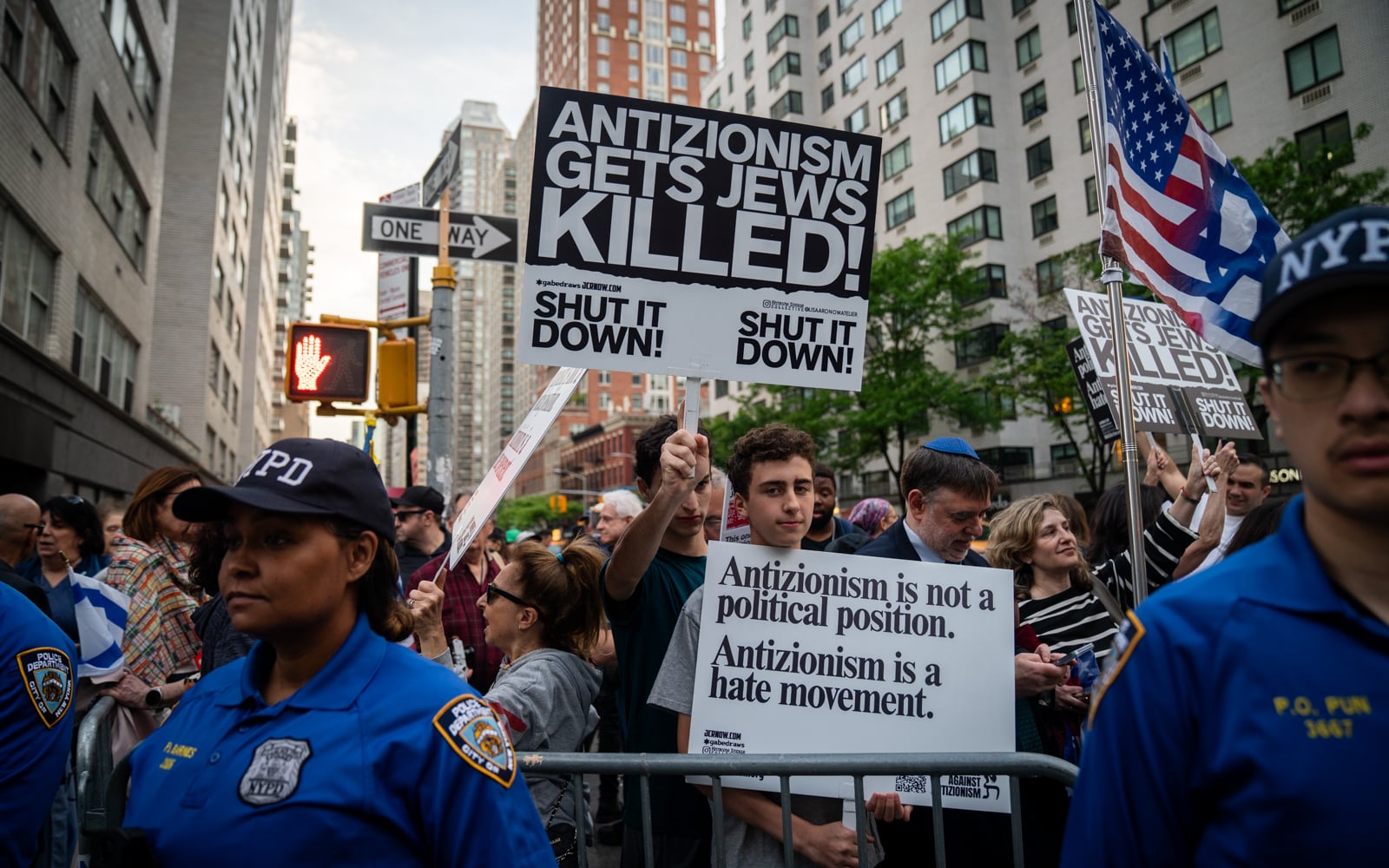
Mamdani’s plan also leaves out protests and activism on college campuses. The only mention of demonstrations is a footnote stating that federal agencies do not categorize “political protest as a crime and this administration supports all New Yorkers’ right to protest.”
Mamdani has condemned Hamas and support for terror groups in the city, and the NYPD has tightly controlled protests at synagogues since he took office.
Mamdani’s predecessor Eric Adams, a firm supporter of Israel, released a blueprint for combating antisemitism late last year that described Israel as a “spiritual center and practical refuge” for Jewish New Yorkers and said, “The practical consequence of anti-Zionist rhetoric is the dehumanization of Zionists (the vast majority of Jewish people).”
Jewish leaders have repeatedly asked Mamdani to tone down his anti-Israel rhetoric, arguing that, while Mamdani may distinguish between Jews and the Jewish state, some of those who hear him might not.
Last month, rabbis implored Mamdani to stop “vilifying Israel” because the comments were causing harm to Jews.
Mainstream Jewish groups and leaders applauded parts of the antisemitism plan, such as its measures for education and security, but were dissatisfied with its disregard for anti-Zionism.
City Councilmember Eric Dinowitz, a co-chair of the council’s Task Force to Combat Antisemitism, said, “There is much to welcome in the Mayor’s strategy, particularly its focus on education, prevention, and ensuring Jewish New Yorkers can live openly and proudly in our city.”
“This strategy, however, misses an opportunity to confront the reality of the intersection between anti-Zionism and antisemitism,” Dinowitz said. “We cannot ignore that attacking or excluding ‘Zionists’ can and has become a convenient way to disguise antisemitism as political disagreement.”







The Times of Israel Community.