 Add ToI as a Preferred Source on Google
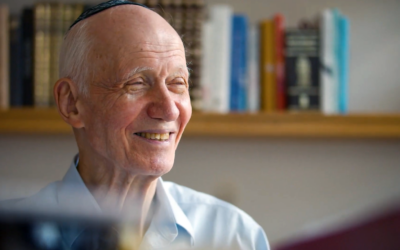
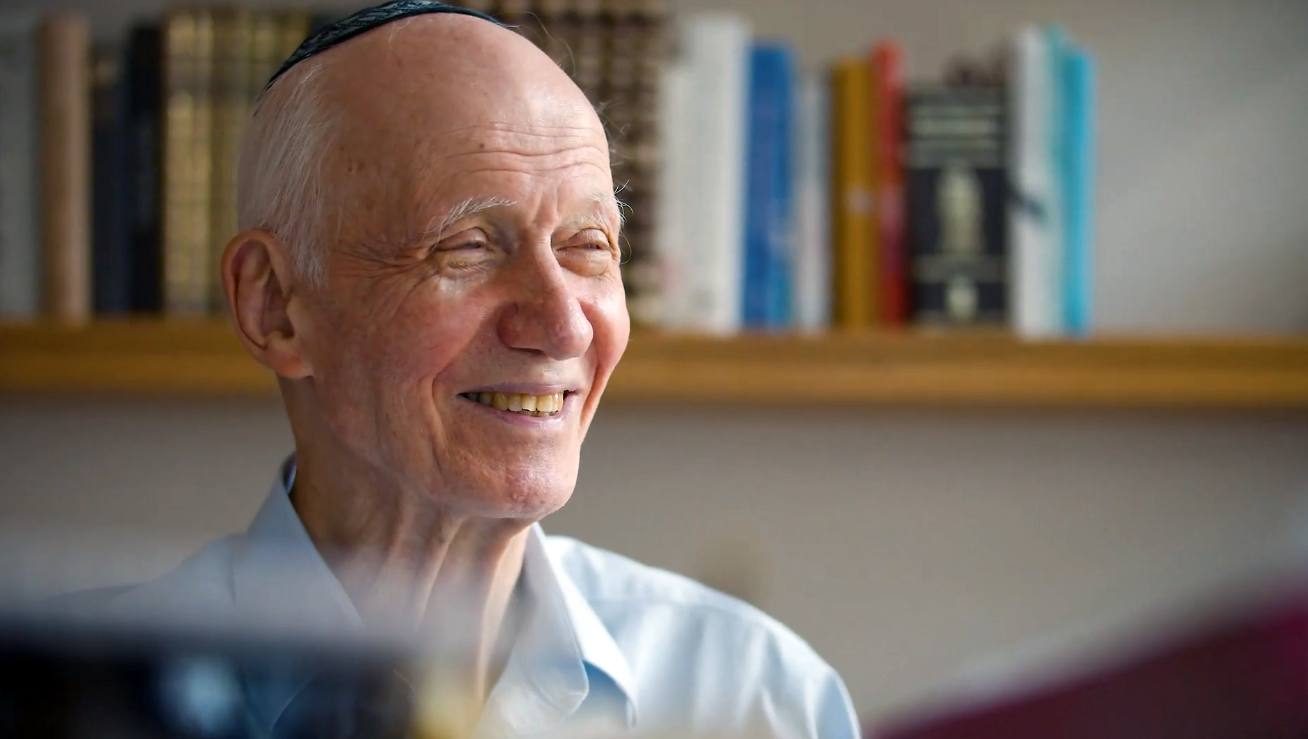
When American scholar and activist Rabbi Irving (Yitz) Greenberg published his magnum opus, “The Triumph of Life: A Narrative Theology of Judaism,” it appeared to be his last word after more than six decades of thinking about Judaism, the Holocaust and Israel.
Then came October 7.
“After the Hamas attack, I wanted to rewrite the whole chapter on Israel, but my publisher wouldn’t let me,” the 93-year-old Greenberg recalled, sitting with The Times of Israel in his Jerusalem home. “These new volumes show the development of my work over time, and in some cases, thoughts that I’ve left behind.”
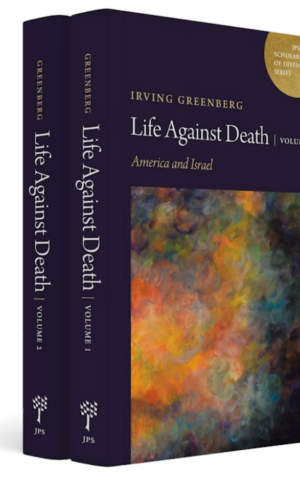
Greenberg’s new two-volume collection, “Life Against Death,” gathers his most significant essays on America, Israel, the Holocaust, and Jewish-Christian relations from the past 60 years. Each piece comes with a new introduction in which he reflects candidly on what he got right, what he’d revise, and how his thinking has evolved.
It also includes two previously unpublished pieces: a 1970 talk he gave on the religious significance of the State of Israel, and a new essay, “Israel and World Jewry After October 7,” written in 2025.
Greenberg’s thought has influenced generations of Jewish thinkers and educators, particularly in the Modern Orthodox world. His central philosophy centers around the argument that, since the Holocaust, Judaism has entered a “third era” in its partnership with God in which Jews are covenantal partners responsible for advancing life, human dignity and tikkun olam (repairing the world).
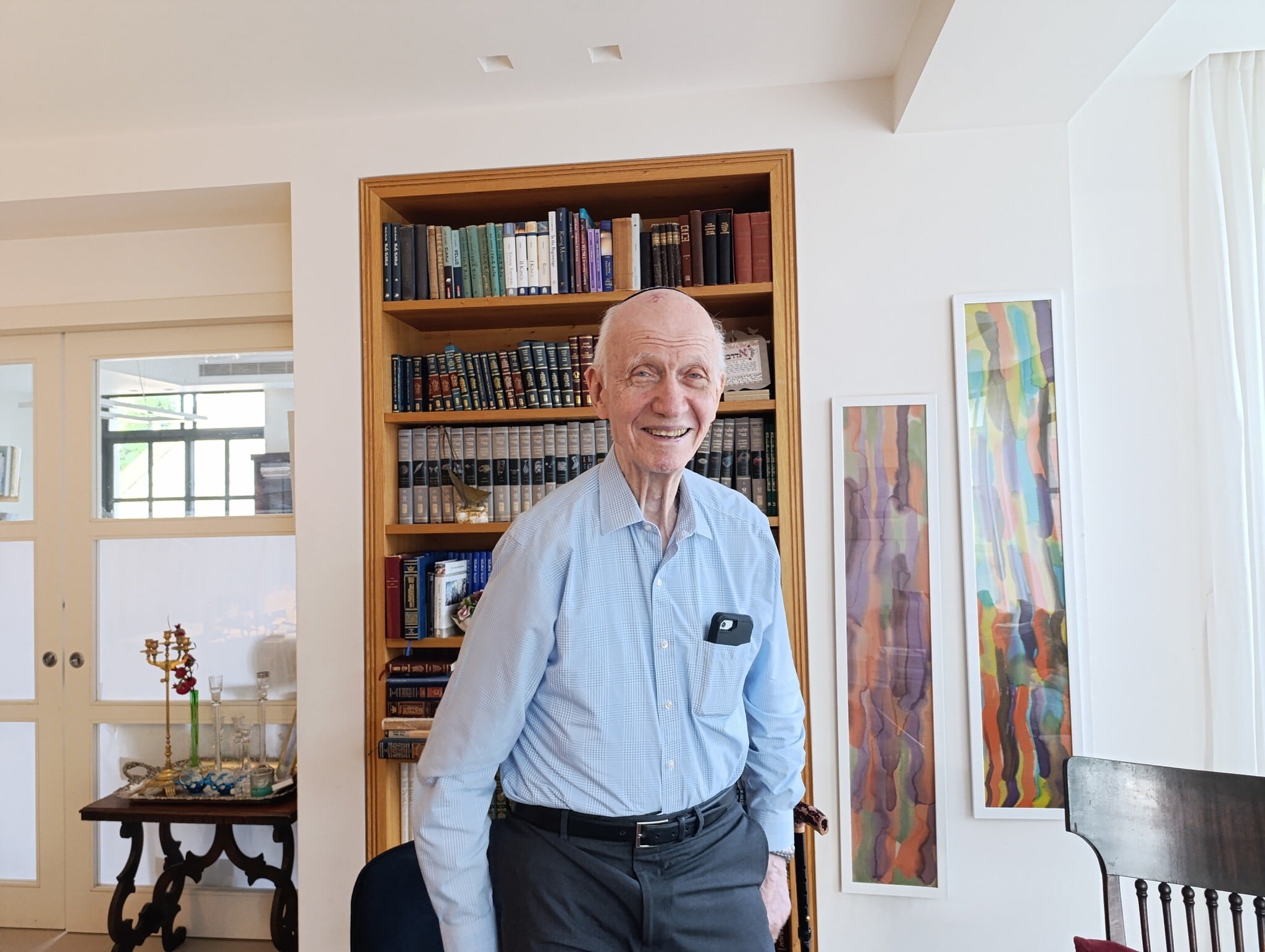
A Harvard-trained academic who has taught at City College of New York, Yeshiva University, Yeshivat Chovevei Torah, and Yeshivat Hadar, he is perhaps best known for the institutions he has co-founded, which include CLAL (the National Jewish Center for Learning and Leadership), SAR Academy in Riverdale, the Student Struggle for Soviet Jewry (SSSJ), and Zachor: The Holocaust Resource Center.
He also worked with Michael Steinhardt and Charles Bronfman to launch Birthright Israel, and served as chairman of the United States Holocaust Memorial Council and as rabbi of the Riverdale Jewish Center. Greenberg is also the author of numerous books, including “For the Sake of Heaven and Earth: The New Encounter Between Judaism and Christianity and The Jewish Way: Living the Holidays.”
In a wide-ranging talk with The Times of Israel, Greenberg explained why he remains optimistic about Israel’s post-October 7 future, despite his concerns about abuses of power by politicians like National Security Minister Itamar Ben-Gvir and Finance Minister Bezalel Smotrich. His strong opinions about Jewish-Christian relations, the state of American Jewry and other burning issues are informed by his unique theological approach to the Holocaust, which he sees as the fundamental starting point for all contemporary Jewish thought.
 “Really, I’m a messianist,” Greenberg teased while discussing the dangers of religious extremism. “In my opinion, messianism is Judaism’s second most influential contribution to world civilization, after ethical monotheism. It means that we don’t accept the world as it is — we have an obligation to transform it. But after the Holocaust, as I see it, we are no longer waiting for God to send the divine redeemer — we have to work together to make it into paradise.”
God has given Israel to the Jewish people, Greenberg said, “but our challenge is to rule it in a way that’s viable and respects the dignity of other human beings.”
The concept of the ‘third age’
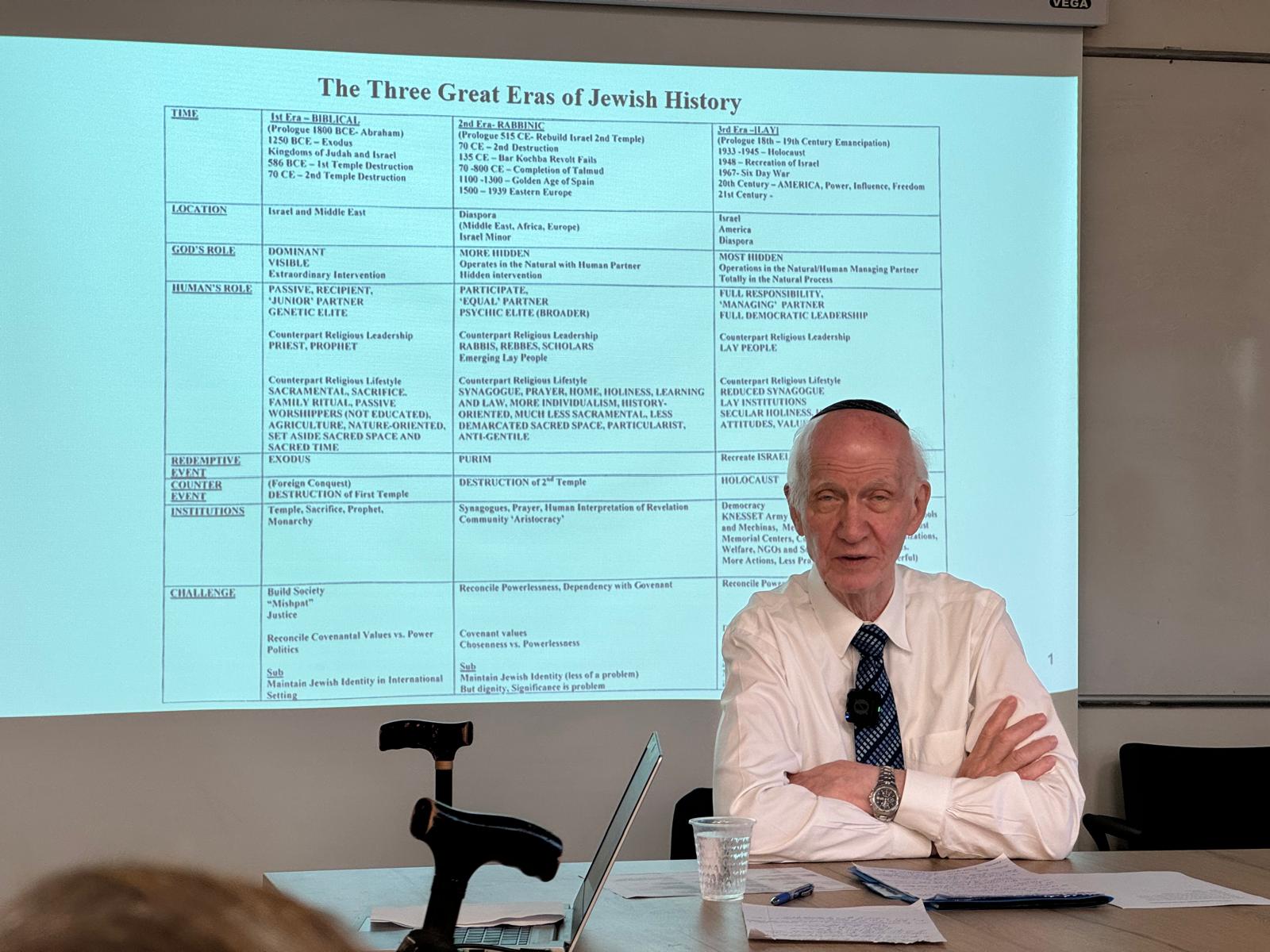
At the heart of Greenberg’s theology is an evolutionary concept he frames as three different eras of God’s revelation in Jewish history, each with its own unique set of rules.
In the first, the biblical age, God managed history openly, with clear, visible miracles and divine intervention into national and private affairs. In this period, Greenberg said, human agency had limited influence on the world, while God ran the world according to His own script.
‘We don’t accept the world as it is — we have an obligation to transform it’
“If you listen to My commandments, it will rain,” Greenberg said, explaining the concept. “If you don’t, it won’t rain. God will get rid of your enemies if you do God’s will.”
In the second age, beginning after the destruction of the Second Temple in 70 CE, God began to self-limit, withdrawing from miraculous intervention and giving increased weight to human politics and moral choices.
“During this period, God started to become more hidden, in order to ask humans to take a greater responsibility for the covenant,” Greenberg posited.
The Holocaust, in Greenberg’s telling, marked the transition into a third age, when God stepped back further to give humanity even greater responsibility. Now, Greenberg said, God acts solely through human beings and natural law, with medical breakthroughs, technological revolutions, and political liberation movements serving as modern “miracles” enacted through human creativity.
“God’s presence is completely hidden even as God is totally present,” Greenberg said.
This means that, according to his theology, after millennia of spiritual training, humanity’s fate is now completely in our own hands — along with untethered power to do good or evil.
Israel’s new reality
For Greenberg, the modern State of Israel is the clearest test of what this new age demands of the Jewish people.
After the Holocaust revealed the lethal consequences of two millennia of Jewish powerlessness, Zionism represents the Jewish people’s determined choice of life: a nation taking responsibility for its own survival.
This mission became even more pronounced after the Hamas attacks of October 7, 2023, which exposed both the depth of hatred Israel faces and the fragility of its security assumptions. But Israel’s challenge is to transcend desires for military victory or vengeance and respond with “a tremendous outburst of life and building,” he said.
Pointing to a flood of volunteering, hospitality networks, civilian logistics operations, and improvised social services that sprang up virtually overnight following the attack, Greenberg insisted these grassroots efforts are not just marginal stories, but the core of Israel’s mission going forward. They testify, he says, to “the amazing reserves of faith and power and capacity of Israelis,” a indication of the kind of society Israel can become.
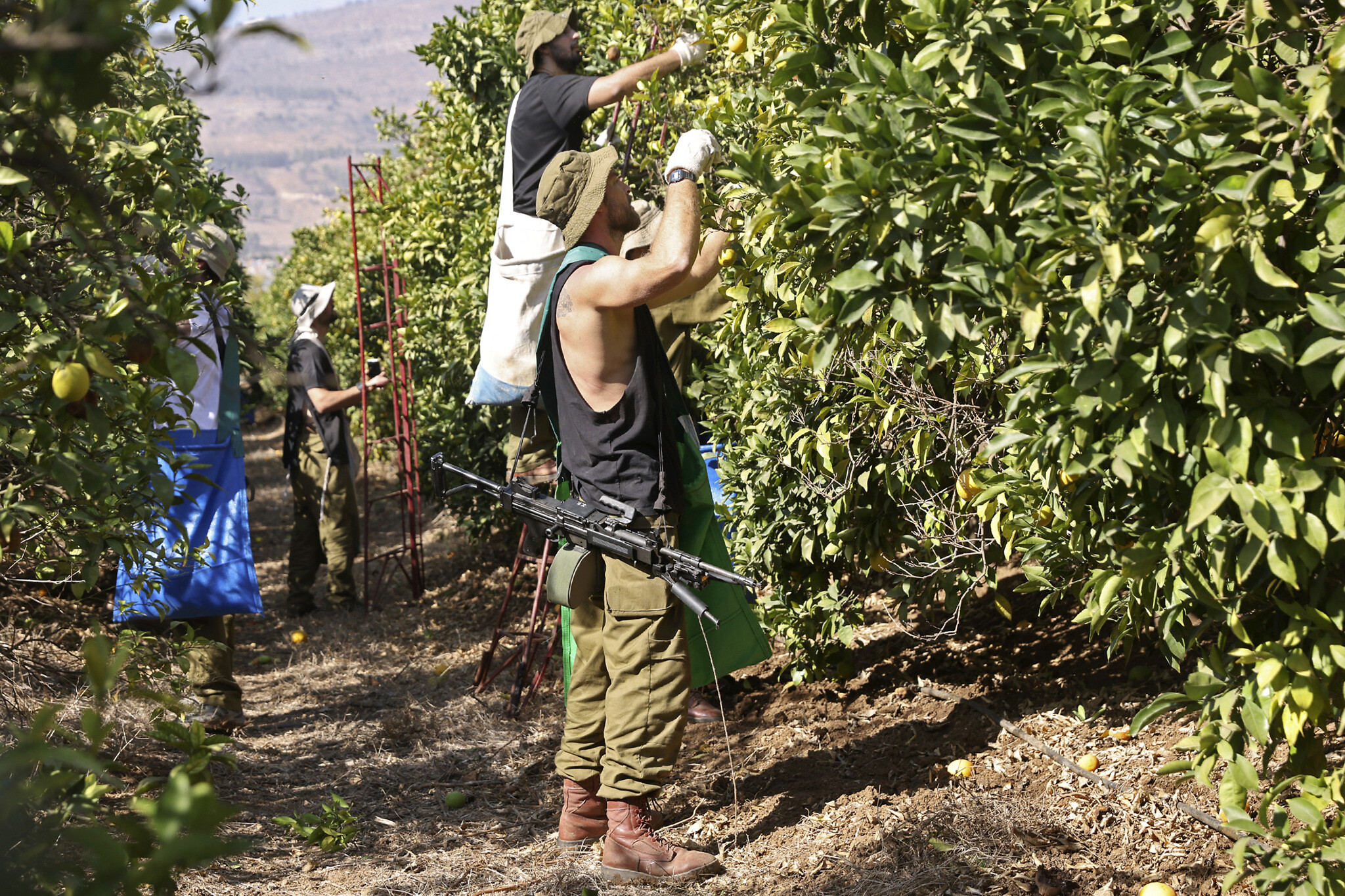
Israel’s difficult mission, Greenberg says, is to deepen democracy, justice, and national solidarity, with fairer treatment for Arab citizens, even as it battles genocidal enemies intent on destroying it.
During the third age, he argues, Israel’s greatness will be measured less by battlefield victories than by whether it can turn trauma into a more ethical and cohesive society.
The ethics of Jewish power
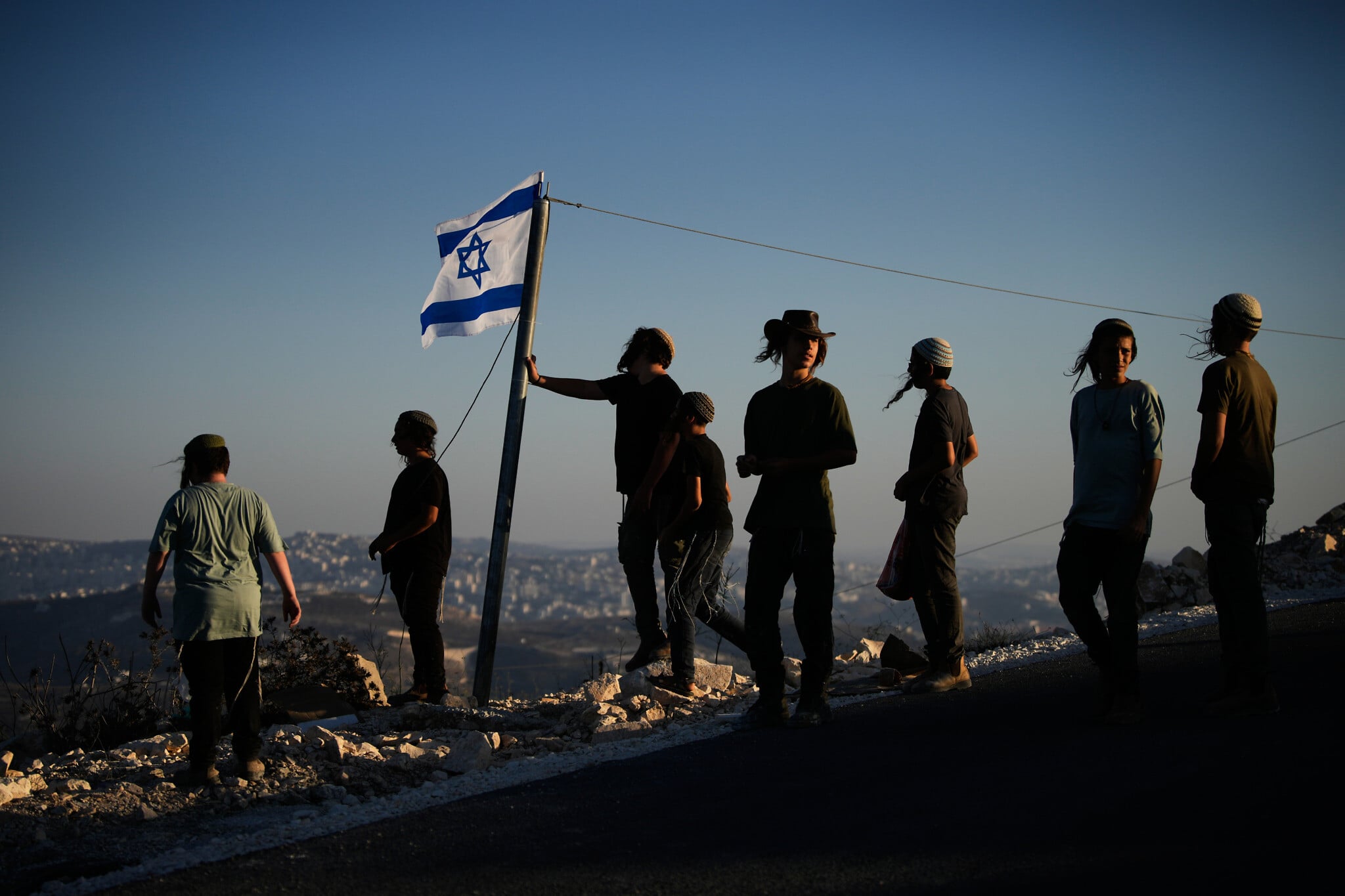
One of the greatest threats to this mission, Greenberg believes, is the seduction of Jewish power, particularly by extremists who believe that their actions to conquer the land will be endorsed by God.
If the Holocaust forced Jews to recognize the necessity of power, Greenberg has long warned that power carries its own spiritual and political perils. His 1988 essay, “The Ethics of Jewish Power,” remains as relevant today as it was then, he declares.
With a sovereign state and a formidable army, Jews now face a different challenge than they did in exile: can they exercise power without becoming its victims? The rise of religious-nationalist extremism in Israel — particularly through figures like Ben-Gvir and Smotrich — is, for Greenberg, a red warning light.

“They’re acting recklessly and irresponsibly,” he said. “They think they can’t go wrong because God promised us the land… But what they’re failing to see is that God has given us the land, but we have to take it in a way that’s viable, that respects the dignity of other human beings.”
The belief that any action to settle the land will ultimately be rewarded and confirmed by God is a regression to first-age thinking that simply does not hold in the third age, Greenberg said. The consequences, he warns, are not only moral but strategic.
‘God has given us the land, but we have to take it in a way that’s viable, that respects the dignity of other human beings’
Vigilante attacks on Palestinians or other acts of cruelty or injustice do not bring redemption closer; they erode Israel’s legitimacy, especially among younger Jews and key allies in the US and Europe, Greenberg said. In a world where God acts only through human beings, he argued, every abuse of power feeds directly back into Israel’s security risks.
Israel must walk an agonizingly thin line, Greenberg said, being relentless in defending its citizens while refusing to glorify humiliation or vengeance. In the third age, that is not liberal hand-wringing but covenantal realism.
There is no divine guarantee that things will “work out” for the Jewish people if they trample others, Greenberg insisted. On the contrary: the fate of the covenant now turns precisely on how Jews wield their newfound power.
Jewish life in America
Looking abroad, the first volume of “Life Against Death” looks back at some of Greenberg’s most influential essays on American Jewry, written at the height of what many call its “golden age” — a period of unprecedented acceptance, influence, and affluence. Greenberg always viewed integration into the American mainstream as a mixed blessing, creating opportunities for leadership and creativity, but also opening the floodgates of assimilation and intermarriage.
Looking back today, Greenberg admits he was overly optimistic about how many would resist the pull of American society. The percentage of Jews drifting away from Jewish life, he said, “was going to be higher than I had hoped.” Like many others, he also failed to foresee the ferocity of the new antisemitism now mainstreamed in progressive circles, on campuses, and in politics.
‘Israel was so admired in America that AIPAC had thousands of members in places where there were no Jews for miles’
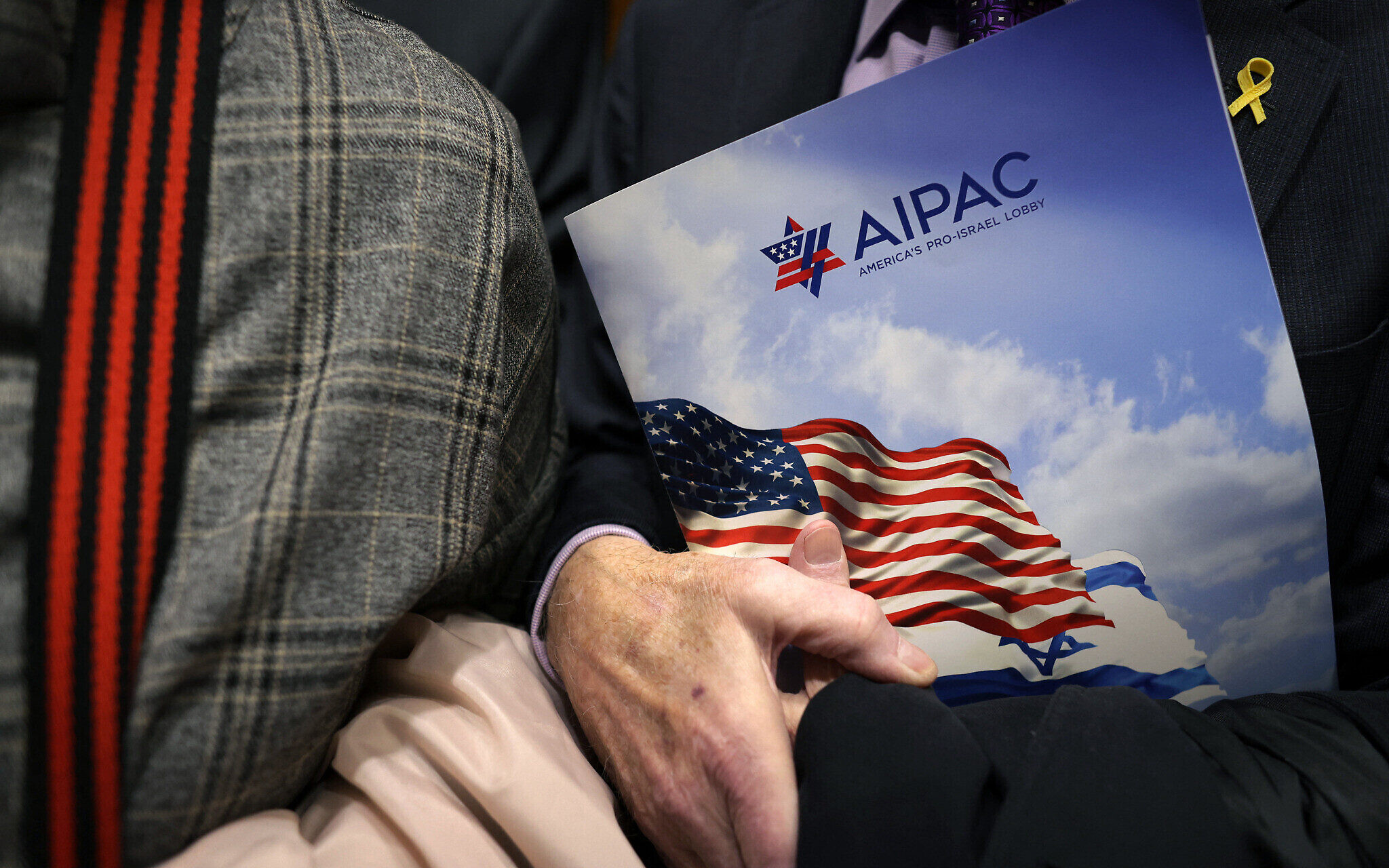
In a 1989 essay, Greenberg examined AIPAC’s emergence as a powerful force in American Jewish political life, noting how the organization, which he had supported through his CLAL organization, had grown from a “one-person job” in the 1960s to one of the most significant lobbies in the country.
“The real secret of AIPAC’s power was that Israel was so admired in America that it had thousands of members in places where there were no Jews for miles,” Greenberg said. Today, he is concerned that the continued demonization of Israel will erode AIPAC’s influence for the future.
Greenberg is deeply concerned about the health of American democracy, which he sees as the essential framework that allowed Jewish life to flourish there. Polarization, economic anxiety, and extremist politics, he charged, are broader pathologies allowing antisemitism to take root, and he is hopeful — but not certain — that American Jewry will be able to continue to live as fully integrated citizens and unapologetically covenantal partners.
On the topics of pluralism and gender politics, Greenberg is more optimistic.
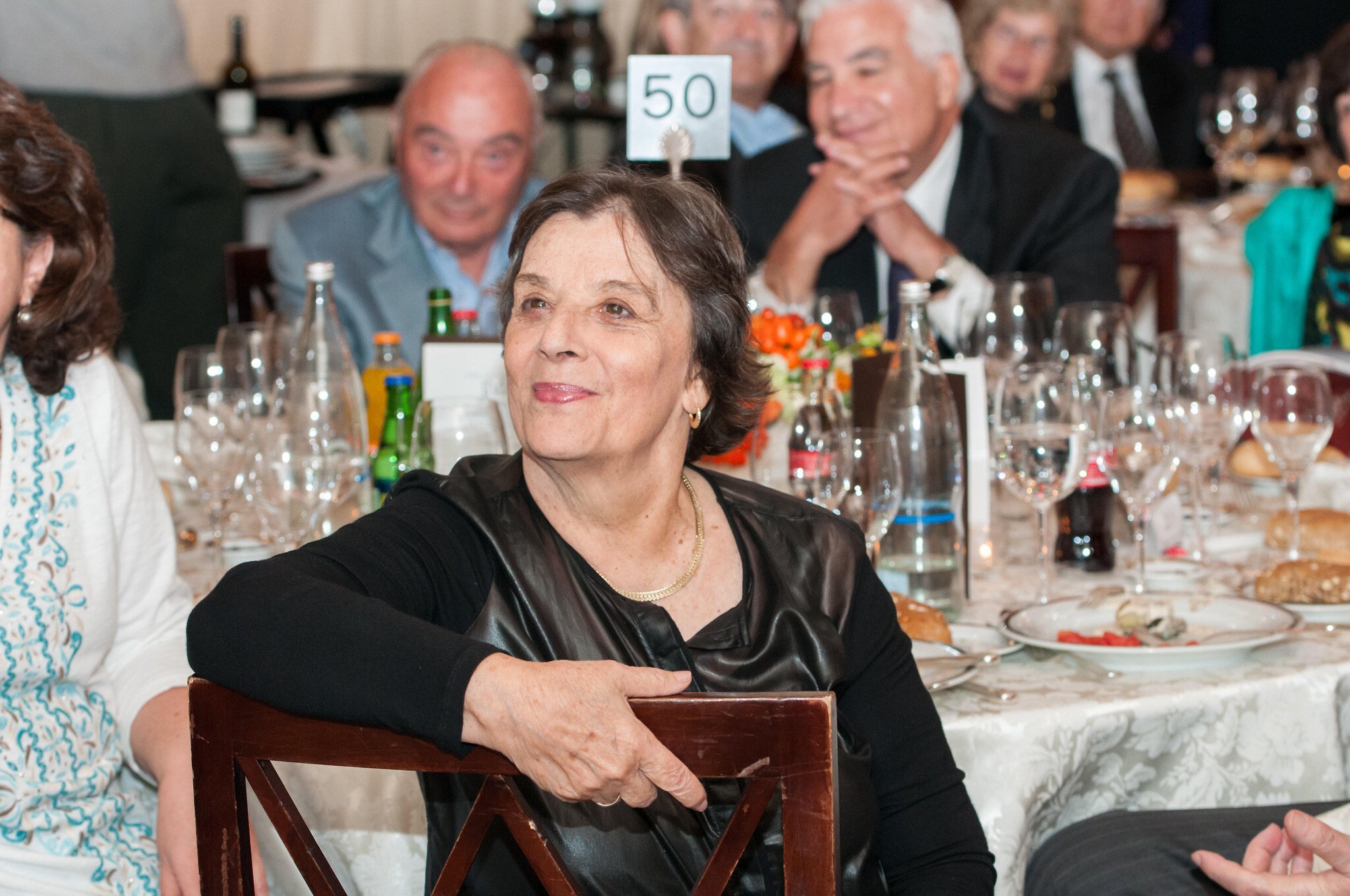
Looking over at his wife, the noted Orthodox Jewish feminist Blu Greenberg, he noted how dramatically women’s roles in Judaism had changed.
“As she puts it, things went even further than she expected,” he said. “We have women rabbis, we have women Torah scholars, we have women leadership. There are many achievements.”
Growing movements toward pluralism and greater women’s participation within Judaism will continue to gain strength throughout the Jewish world, even if theological and political pressures often push against it, he predicted.
Rethinking Jewish-Christian relations
A pioneer of Jewish-Christian dialogue who broke from influential leaders who prohibited engaging with Christians on theological matters, Greenberg views the transformation in Jewish-Christian relations as one of the most stunning — and least appreciated — transformations in the world since the Holocaust.
While Christian theology and practice fueled the persecution of Jews for centuries, a revolution unfolded after the Shoah. In documents like Nostra Aetate, church teaching in major denominations repudiated much of the old anti-Jewish theology, affirmed the ongoing validity of Judaism, and acknowledged Christian responsibility in creating the climate of hatred.
“It’s probably one of the greatest revolutions in history — apologizing, rethinking, and presenting Judaism as a positive religion,” Greenberg said.
‘God wanted Christianity to separate from Judaism so it could take the message of Judaism to the world in a different way’
In his own works, especially in “For the Sake of Heaven and Earth,” Greenberg pushed Jews to undergo a parallel shift: to move from seeing Christianity purely as a hostile antagonist to a partner in spreading biblical ethics and a vision of redemption.
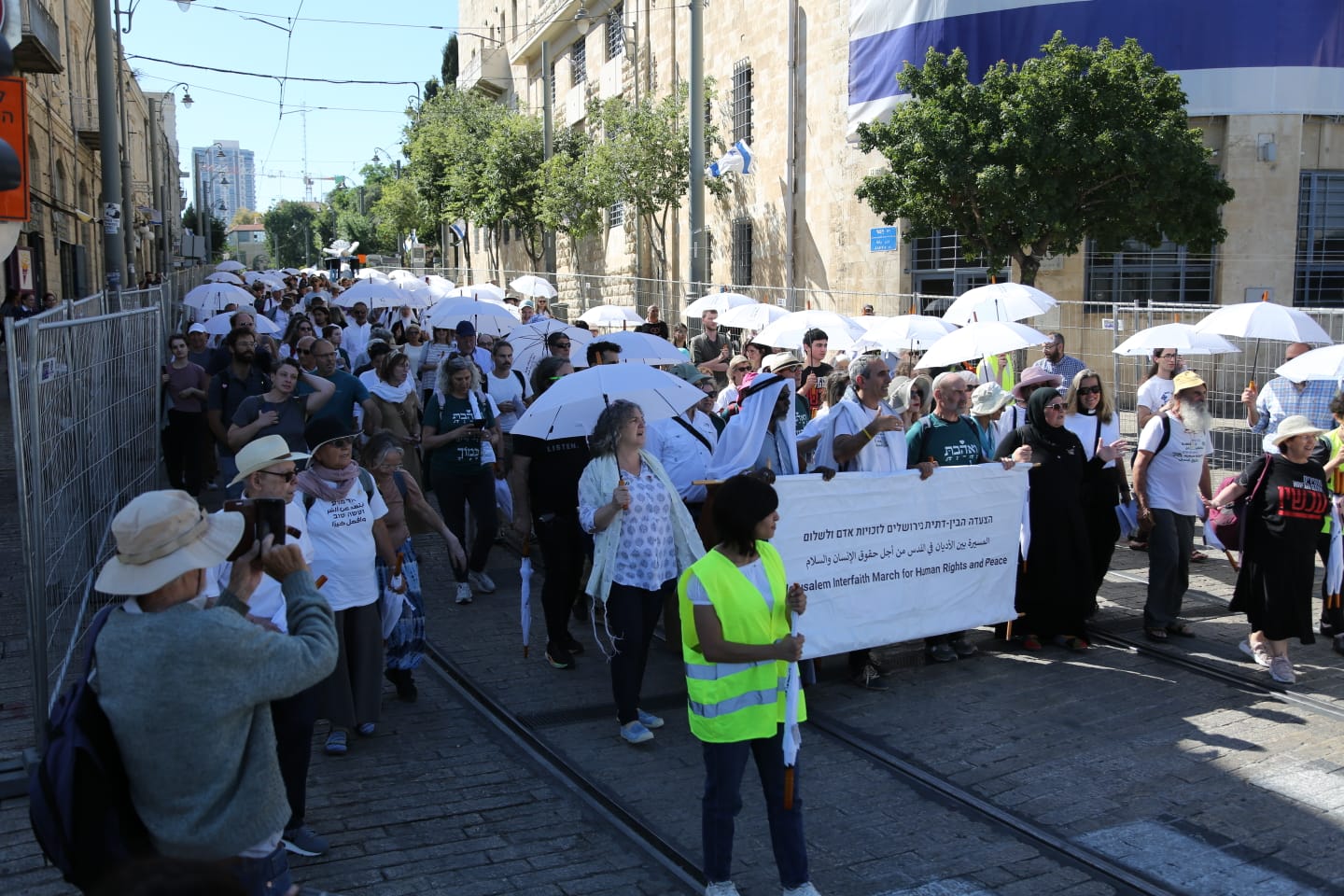
That’s not to erase the history of persecution or ignore ongoing theological differences, Greenberg stressed. But in the third age, with humanity’s survival and dignity at stake, Greenberg believes Jews and Christians are called to see each other not as agents of death but as potential allies in the struggle for life.
“My claim is that God wanted Christianity to separate from Judaism so it could take the message of Judaism to the world in a different way,” Greenberg said. “We need to rethink our approach and move from treating them as the enemy, which they were, to working as partners.”
After a long discussion that covered a broad range of topics, Greenberg was asked a final question: Of all of your achievements over decades of service to the Jewish community, what accomplishment are you most proud of?
He paused, lost in thought for several seconds.
“I would find that hard to answer, but I would have to say my family,” he said. “It’s the quality of the children and grandchildren that we leave that is in many ways our most important legacy. So if I’m forced to choose, that’s probably what I would pick.”
Life Against Death by Rabbi Irving (Yitz) Greenberg
This article contains affiliate links. If you use these links to make a purchase, The Times of Israel may earn a commission at no additional cost to you.

The Times of Israel Community.