

As Nostra Aetate turns 60, Oct. 7 has pushed Jewish-Catholic ties to new ‘crossroads’
Amid events in Vatican celebrating document that reshaped relations with Jews, Israeli expert Karma Ben-Johanan says ties are affected by Church’s shifting focus to Global South
 Add ToI as a Preferred Source on Google
Rossella Tercatin is The Times of Israel's archaeology and religions reporter.
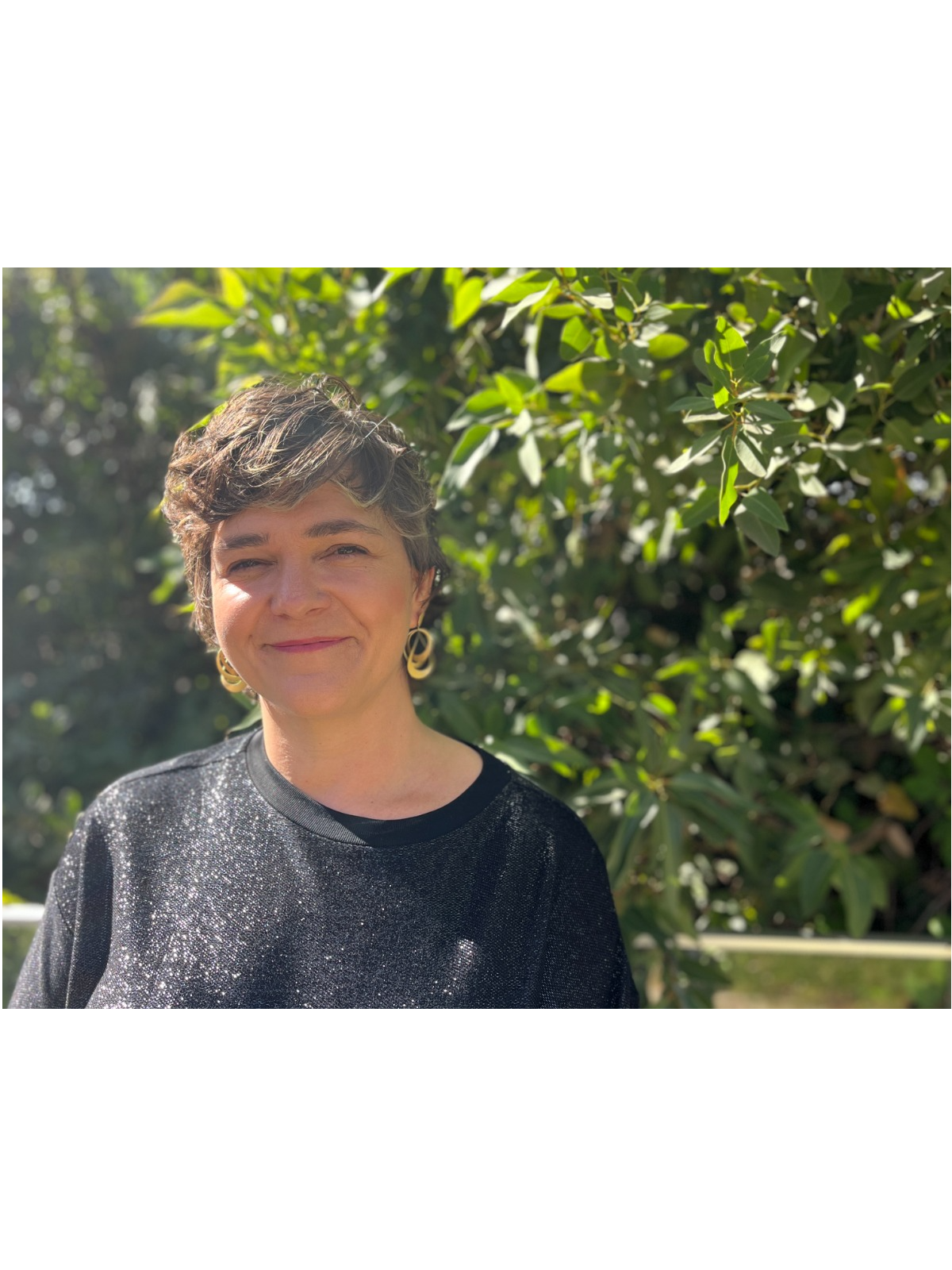
When Dr. Karma Ben-Johanan, an expert on Jewish-Christian relations, opened her email on February 2, 2024, she found a message she did not expect: a letter from Pope Francis, expressing his concern over the rise of antisemitism and his hope for peace in the Middle East.
Three months earlier, barely weeks after the October 7, 2023, Hamas-led massacre in southern Israel, Ben-Johanan had been among the promoters of an appeal to the pope and the Catholic Church “to extend a hand in solidarity to the Jewish community throughout the world” by explicitly condemning the onslaught and rejecting the equivalence between the terror atrocities and Israel’s military response.
Almost two years after that exchange, Ben-Johanan, a researcher at the Hebrew University of Jerusalem and the Hartman Institute, is still not sure why Francis chose to address his response specifically to her, among the many signatories.
“It was very surprising,” she told The Times of Israel.
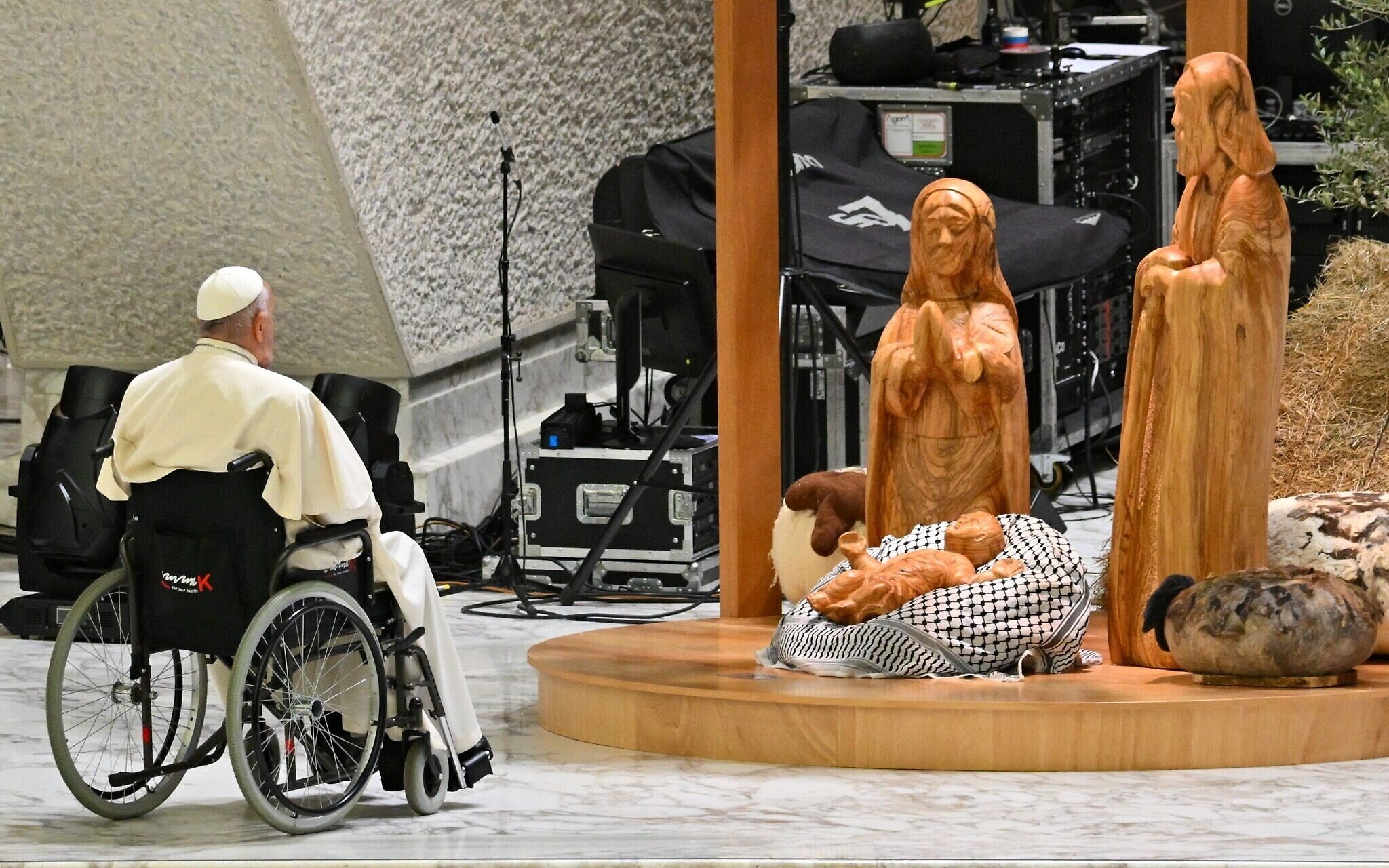
In the months that followed Francis’s email, the Church’s relations with Israel and many Jewish leaders, though, became increasingly tense, with the pope harshly criticizing Israel’s actions in Gaza, hosting overt displays of Palestinian nationalism in the Vatican, and suggesting that Israeli actions should be investigated as potentially constituting genocide.
Now, as the Vatican marks the 60th anniversary of the “Nostra Aetate,” the landmark 1965 document that repudiated the concept of collective Jewish guilt for the death of Jesus — which revolutionized Catholic relations with Jews after centuries of persecution and mistrust — Jewish-Christian dialogue finds itself at what Ben-Johanan described as a “crossroads,” with the upcoming years crucial to determine the direction the relationship will take.
“I wouldn’t say this is the first crisis since Nostra Aetate, but it’s definitely one of the most significant crises,” Ben-Johanan said. “To a degree, I think it came as a surprise to both Catholics and Jews, because it seems to me that since the 50th anniversary [of Nostra Aetate], there had been this feeling that everything had already been solved between the Church and the Jews, and the war really broke that down.”
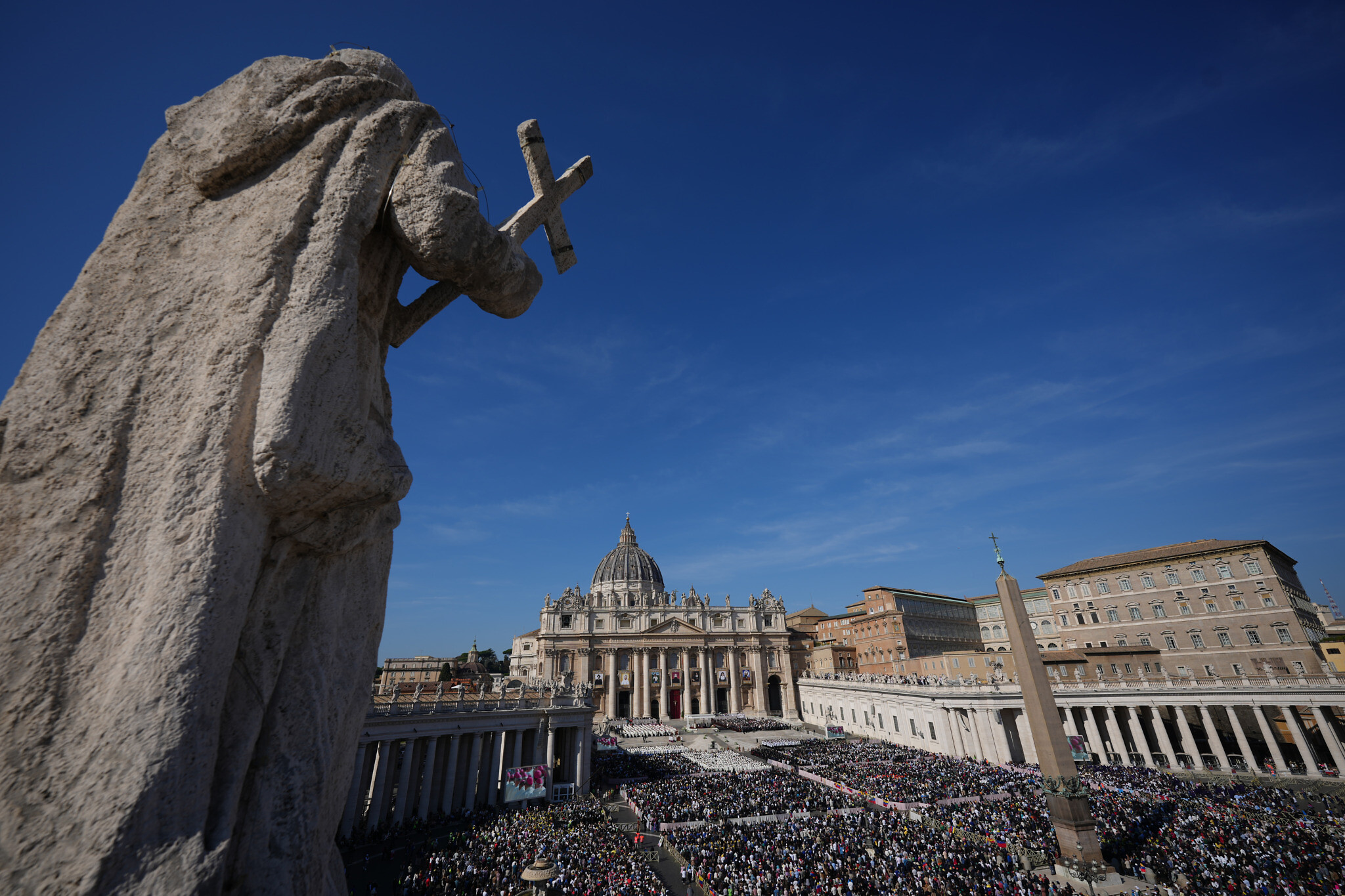
The celebrations in Rome include a conference organized by the Pontifical Gregorian University under the title “Towards the Future – Re-Thinking Nostra Aetate Today” (October 27-29), as well as two gatherings in the presence of Pope Leo XIV, who succeeded Francis in May.
Ben-Johanan, the author of several books on the subject, including “Jacob’s Younger Brother” (Harvard University Press, 2022), is among a handful of Jewish representatives invited to speak at the conference.
“In the last decade or so, there has not been much investment [in dialogue], neither in part of the Jewish world, and certainly not in part of the Church,” she said. “When you don’t invest in this relationship, it very easily deteriorates to all kinds of old prejudices.”
A pope from the Global South
The period coincided with the pontificate of Jorge Mario Bergoglio, who was elected pope in 2013, taking the name of Francis.
Ben-Johanan does not believe the late pope was ill-intentioned. Rather, she explained that his figure and position embodied one of the most significant changes the Catholic Church has been going through in the past few years, the transformation from a Eurocentric institution to one that is fully global and attentive to the experience of developing countries.
This development, she argued, has had radical implications for the Church’s relations with Jews.
“Francis was really the first pope from the Global South, and the Catholic Church in the Global South, for obvious reasons, is much less invested in the dialogue with the Jews than the Europeans and the Americans,” she said.
“There is no big Jewish presence there and they have stronger memories of colonialism and economic oppression that are very different from those of pogroms and the Holocaust that Europeans still have,” she added. “A pope from the Global South will have fewer memories of Jewish blood [spilled] in Europe.”
Francis’ background influenced his worldview and the way he perceived reality after October 7, when Hamas-led terrorists invaded southern Israel, killing some 1,200 people and taking 251 hostages in the biggest single-day slaughter of Jews since the Holocaust. Israel subsequently launched a major war in Gaza to try and destroy Hamas and rescue the hostages.
“Very early on, Francis used expressions that were kind of harsh and equated Israel with Hamas,” Ben-Johanan said. “Francis had a theology of just peace, but he rejected the idea of just war. From the outset, he canceled the possibility that something like a just war could exist, and this was very concerning for many in the Jewish world, not only in Israel.”
For decades, Nostra Aetate and the Jewish-Catholic relations have been advanced by Europeans in a Western world context, the historian noted.
“Even Israel, which in a way represents the global south of the Jewish world, was always behind in terms of the dialogue, because we have a very secular liberal community which was not interested in religious issues, on the one hand, and an Orthodox community not interested in interfaith dialogue for other reasons,” she said.
Israel and the Vatican only established diplomatic relations in 1993.
The shadows of October 7
October 7 and the war deeply affected Jews in Israel and abroad in a way the Church has not been able to grasp, Ben-Johanan said.
“There are two bodies in the Vatican that are responsible for these relationships,” Ben-Johanan said. “One is the diplomatic arm of the Vatican, which is responsible for the Vatican-Israel relations, [as in between] states, and there is the Commission for the Religious Relations with the Jews.”
The scholar noted that throughout the war, all communications and messaging went through the diplomatic representatives.
“The Commission did not feel it was its place to intervene, and this was really strange for many Jews who experienced something that touched the core of their Jewish identities, and did not receive any response on behalf of the Church, because the Church did not define this as something that had to do with religion,” she said.
“This surfaced the asymmetries in what we are doing,” she added. “We suddenly saw that Jews had very different expectations, while Catholics really did not want to get into what they saw as political issues.”
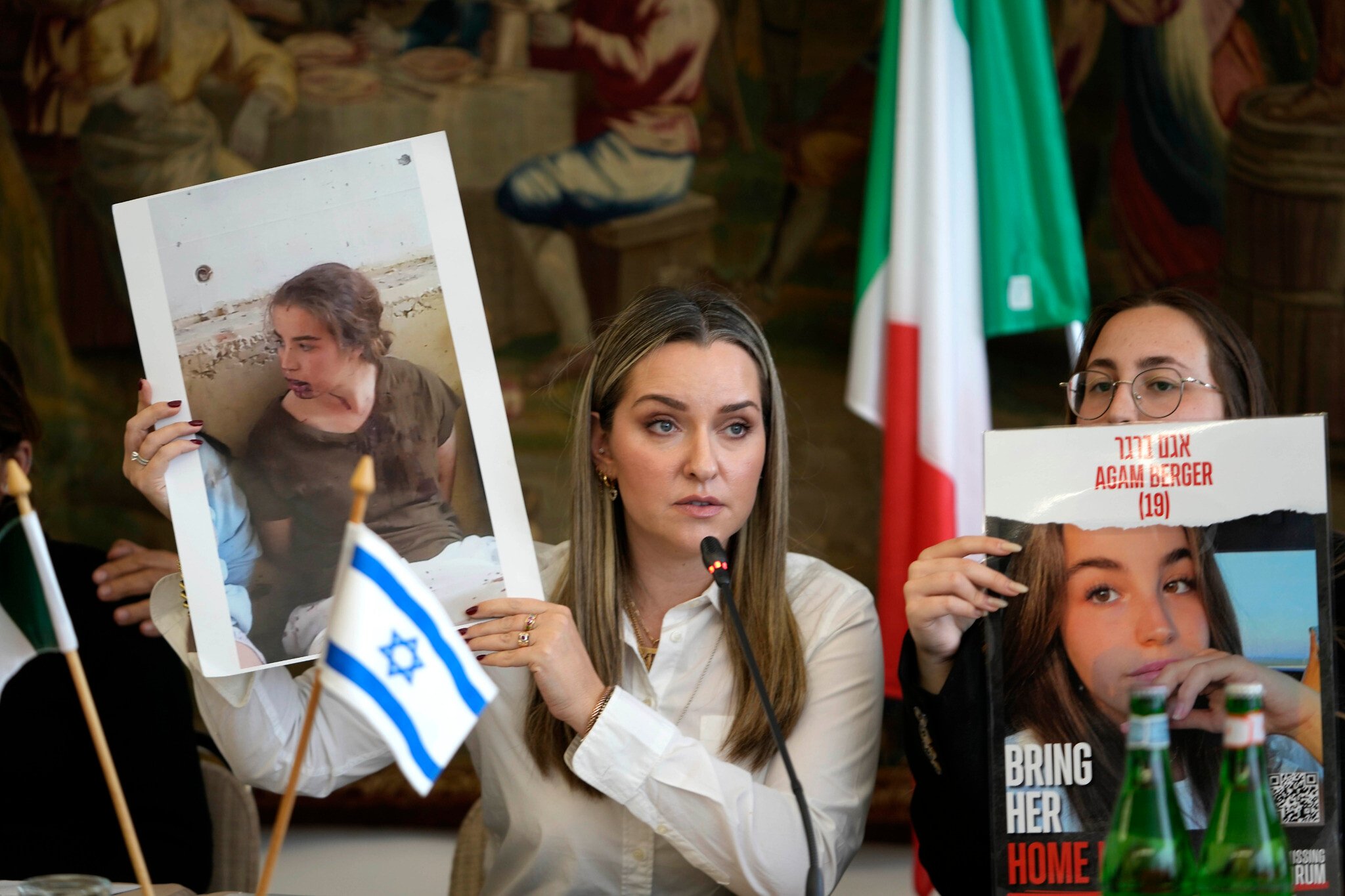
At the same time, Ben-Johanan believes that Catholic leaders are concerned about the rise of antisemitism that has been recorded across the world in the aftermath of October 7.
“I have close contacts with many Catholic thinkers and leaders across the United States and Europe, and I see that they follow anxiously what is going on,” she said. “The new pope has said so a few times.”
At the same time, when asked whether she believed the Church was aware and ready to take responsibility for anti-Jewish sentiment in its own history, Ben-Johanan said it was complicated.
“The church sometimes differentiates between antisemitism and anti-Judaism,” she explained. “Antisemitism is often considered as something external, something that has to do with the idea of the Jewish race as being inferior, which is definitely less prevalent today. Anti-Judaism, however, has a lot to do with theology and with theological concepts that are rooted within the Christian tradition.”
Nostra Aetate addressed some fundamental questions, rejecting the accusation of the collective responsibility of Jews over Jesus’ death.
“I think this does penetrate to many communities, and it’s rare to find people blatantly telling you that you’re responsible for the crucifixion,” Ben-Johanan said. “On the other hand, there are many things that are much more prevalent, even among high-ranking officials in the Catholic Church.”
According to Ben-Johanan, many of these arguments focus on the notion that the Jewish sages at the time of Jesus were doing things the wrong way, and he came to fix them. This approach is at the core of supersessionism, or the idea that Christians replaced Jews as God’s chosen people.

The scholar argued that among the Catholic masses and sometimes even beyond them, these forms of prejudice are still widespread.
“The higher you go up in the hierarchy, the higher the chances that people will be more aware of [these issues], but it’s very difficult to bring this awareness to the level of the community on the ground,” Ben-Johanan said. Accusations that the Jews killed Jesus have long motivated antisemitic attacks.
Some of these arguments are rooted in the Scriptures, she noted.
“You need a lot of expertise to cleanse the interpretation of the New Testament from anti-Jewish tropes,” the scholar argued. “It’s possible, and people have done that, but not everybody can be a professor of the Bible.”
The crossroads of dialogue
Still, Ben-Johanan said that the picture is not all gray, with many Catholic leaders and theologians very committed to Jewish-Catholic dialogue.
“It seems to me that now it’s like a crossroads, between those who think that this is an important relationship and are doing a lot to reinvigorate it and others who would prefer prioritizing something else,” she added.
According to Ben-Johanan, the Church is torn over many issues in its global endeavors, with Jewish-Catholic ties and the Israeli-Palestinian conflict representing just some of the many questions the institution is grappling with.
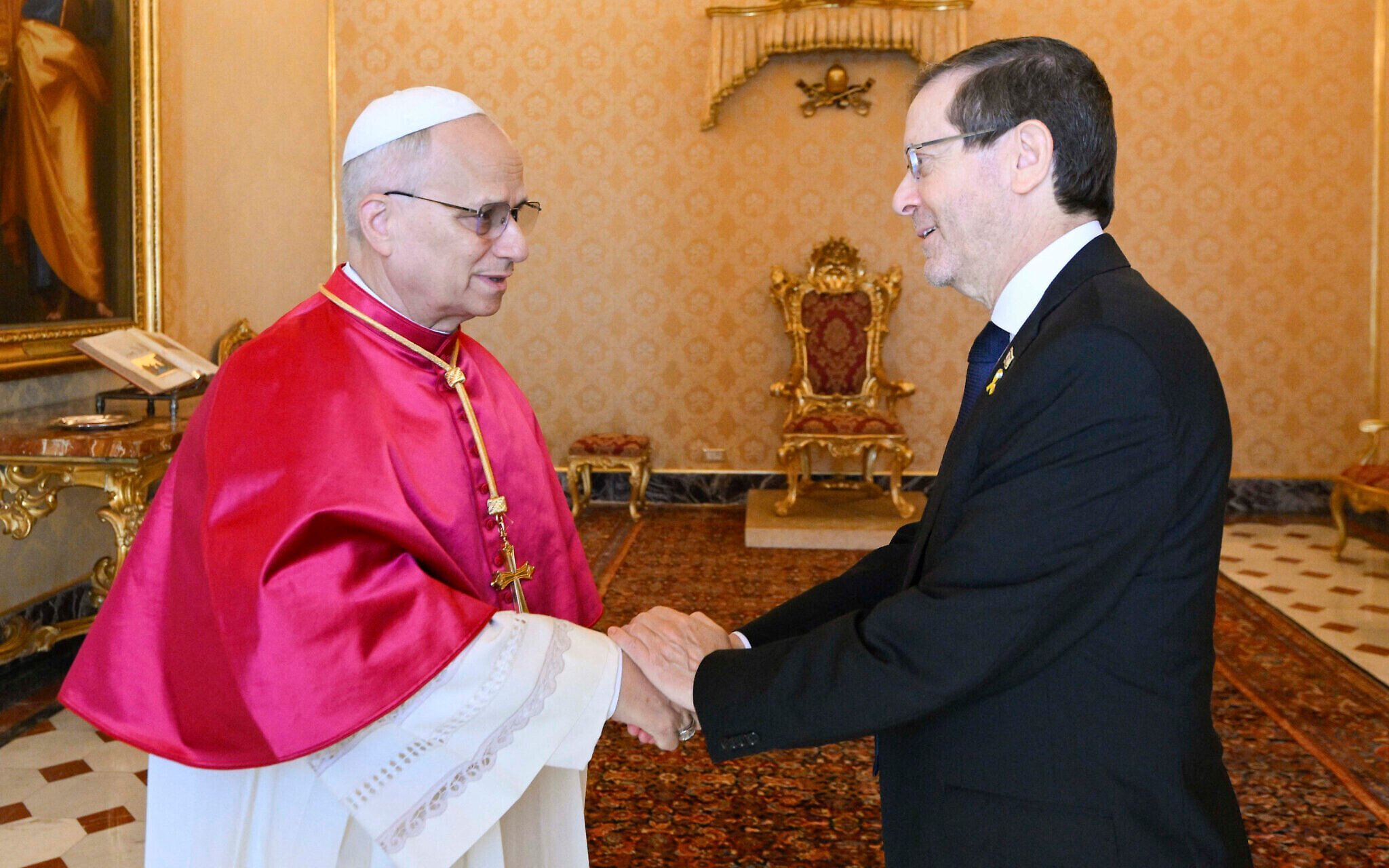
Asked about Leo, Ben-Johanan said it was too early to fully understand his take, but described her initial feelings positively.
“My impression is that he is very balanced, and he really tries to understand the divisions within the church, also beyond the Jewish-Christian ties,” she said. “He also made clear that continuing Nostra Aetate’s legacy is a priority for him. We will have to see, but my assumption is that he will be more sensitive to these issues.”
Ben-Johanan also said that the Vatican has brought in new consultants on the topic, in a development she put in the context of greater attention than in the past.
The scholar stressed that it will also be important for Jewish leaders to refocus on advancing the dialogue, including taking a broader perspective on the Church’s global challenges.
“I think we still imagine the Church as Western and European, and we didn’t invest in understanding where it is going,” she said.




The Times of Israel Community.