

 From the Liveblog of
Tuesday, November 17, 2026
Citing unspecified security threats, Netanyahu calls again for ‘national unity government’ with Haredim, without Arabs
 Add ToI as a Preferred Source on Google
Lazar Berman is The Times of Israel's diplomatic reporter
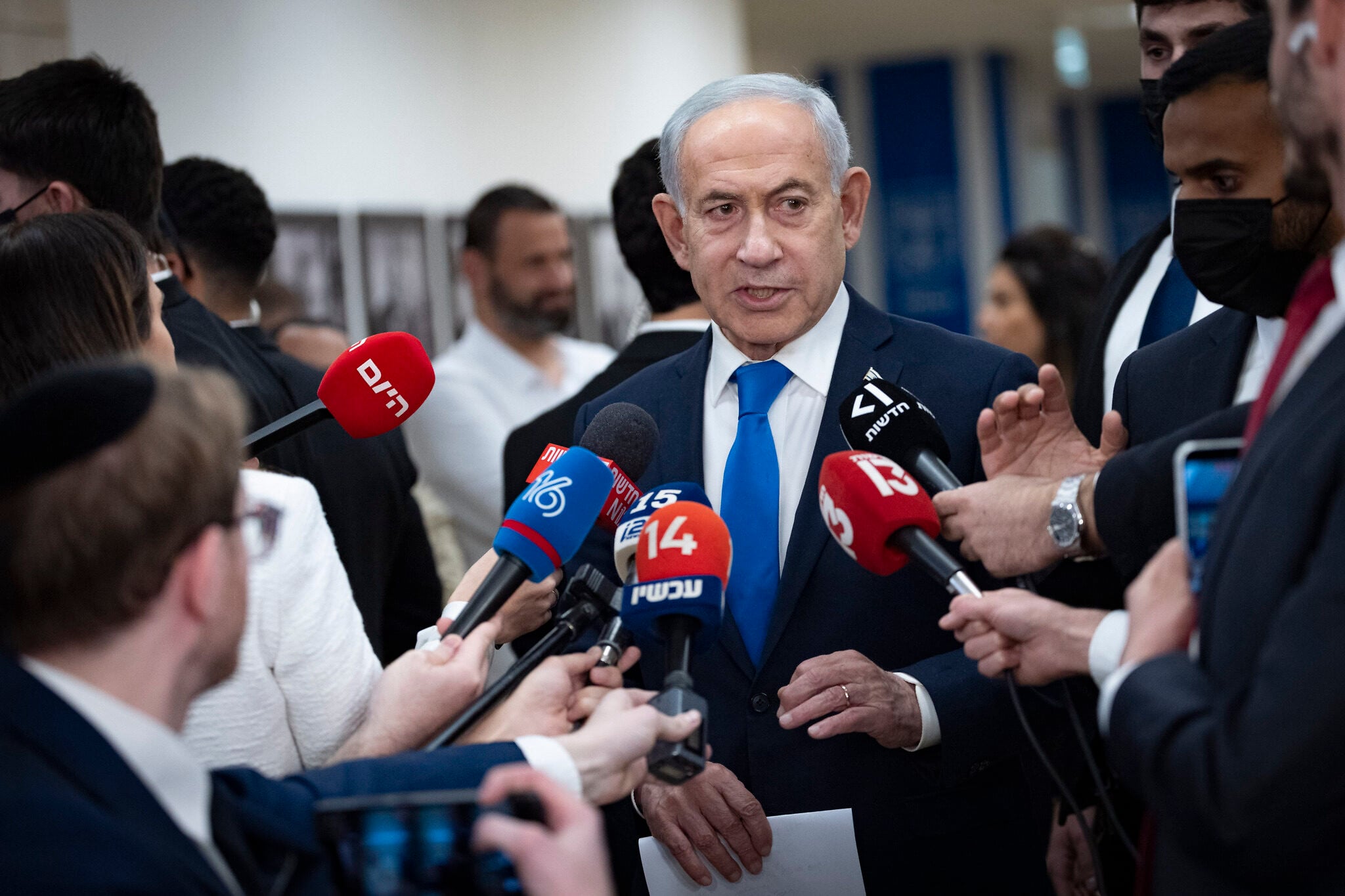
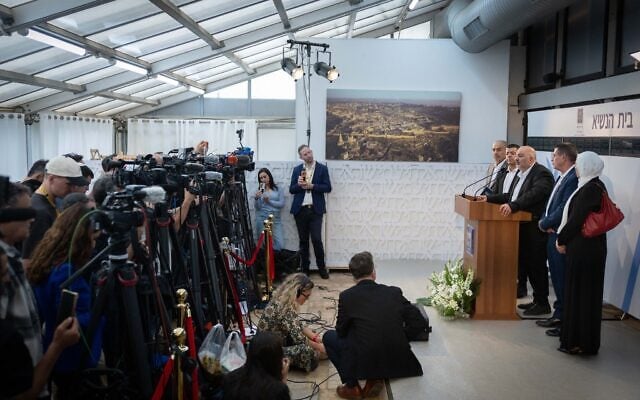
Speaking to reporters in the Knesset hallway, Prime Minister Benjamin Netanyahu reiterates his call for a unity government, citing dangers facing the country.
“The threats today are no smaller today than they were” in the days of David Ben Gurion and Menachem Begin, when they called for unity in order to face national security threats, says Netanyahu. “In some respects, they are even bigger.”
“This isn’t spin, this is the reality,” Netanyahu insists, without explaining which threats he is referring to. “Whoever needs to know, knows.”
“That’s why what we need today is a national unity government that includes all the parties that support Israel as the state of the Jewish people,” says Netanyahu. “That includes the Haredi parties, with whom it is possible to come to agreements on those who study Torah.”
He blasts “incitement and all sorts of shameful and empty statements” coming from the Gadi Eisenkot bloc.
“It’s exactly the opposite of what we would expect to hear from someone who wants unity in a Zionist state,” Netanyahu says.
He argues that Avigdor Liberman, the new chairman of the Knesset Foreign Affairs and Defense Committee, and Matan Kahane, the presumptive Knesset speaker, are being chosen with the support of “terror supporters,” a euphemism Netanyahu uses regularly when referring to the two Arab parties.
“The outcomes of these elections are not what I wanted,” Netanyahu allows. “It’s also not what others wanted. But it’s what the nation wants.”
“The nation wants us to come together so that we can face these threats,” he says. “That happens when we approach each other not as enemies, but as brothers, and certainly not as a government that rests on the Muslim Brotherhood.”
Netanyahu leaves without answering questions about his claims that the elections were stolen, and about whether he would be willing to go second in a rotation agreement for prime minister.
More from today’s Liveblog:
- Ex-Netanyahu staffer, source of election day vote-buying claims, says he discussed Arab parties’ expected gains with PM before vote
- IDF says it thwarted attempt to smuggle guns into Israel from Egypt via balloon overnight
- Sa’ar vows ‘countermeasures’ after UK announces sanctions on companies involved in West Bank construction






The Times of Israel Community.