

IDF to open criminal inquiry into Gaza’s Hind Rajab case, closes probe of World Central Kitchen deaths
Military Advocate General also decides on criminal investigation of deaths of 15 rescue workers, while dismissing cases of killings of 4 Doctors Without Borders employees
 Add ToI as a Preferred Source on Google
Emanuel (Mannie) Fabian is The Times of Israel's military correspondent
The Israeli military on Wednesday said criminal investigations would be opened into two prominent incidents of suspected war crimes by forces during the fighting against Hamas in the Gaza Strip in recent years, while three other high-profile cases would be closed.
The incidents being investigated by the Military Police included the killing of 6-year-old Hind Rajab along with six of her family members and two medics in Gaza City in January 2024; and the killing of 15 rescue workers in a convoy of ambulances and emergency vehicles in Rafah in March 2025.
Meanwhile, the cases being closed included a deadly strike on a group of aid workers with the World Central Kitchen organization in the central Gaza Strip in April 2024; a strike on a building used by aid group Doctors Without Borders (MSF) in Khan Younis that killed two members in February 2024; and the deaths of another two MSF employees who were driving in a convoy in Gaza City in November 2023.
The high-level General Staff Fact-Finding Assessment Mechanism, an independent military body responsible for investigating unusual incidents amid the war, has so far completed around 150 probes and handed over their details to the Military Advocate General, the IDF’s top legal body, for review. The MAG Corps then decides whether to open a criminal investigation and later file charges.
“Recently, legal decisions were made regarding five incidents that received public attention,” the military said in a statement. The MAG Corps dismissed three of these high-profile probes, but said the other should be investigated by the Military Police due to suspected criminal offenses.
April 2024 attack on World Central Kitchen cars
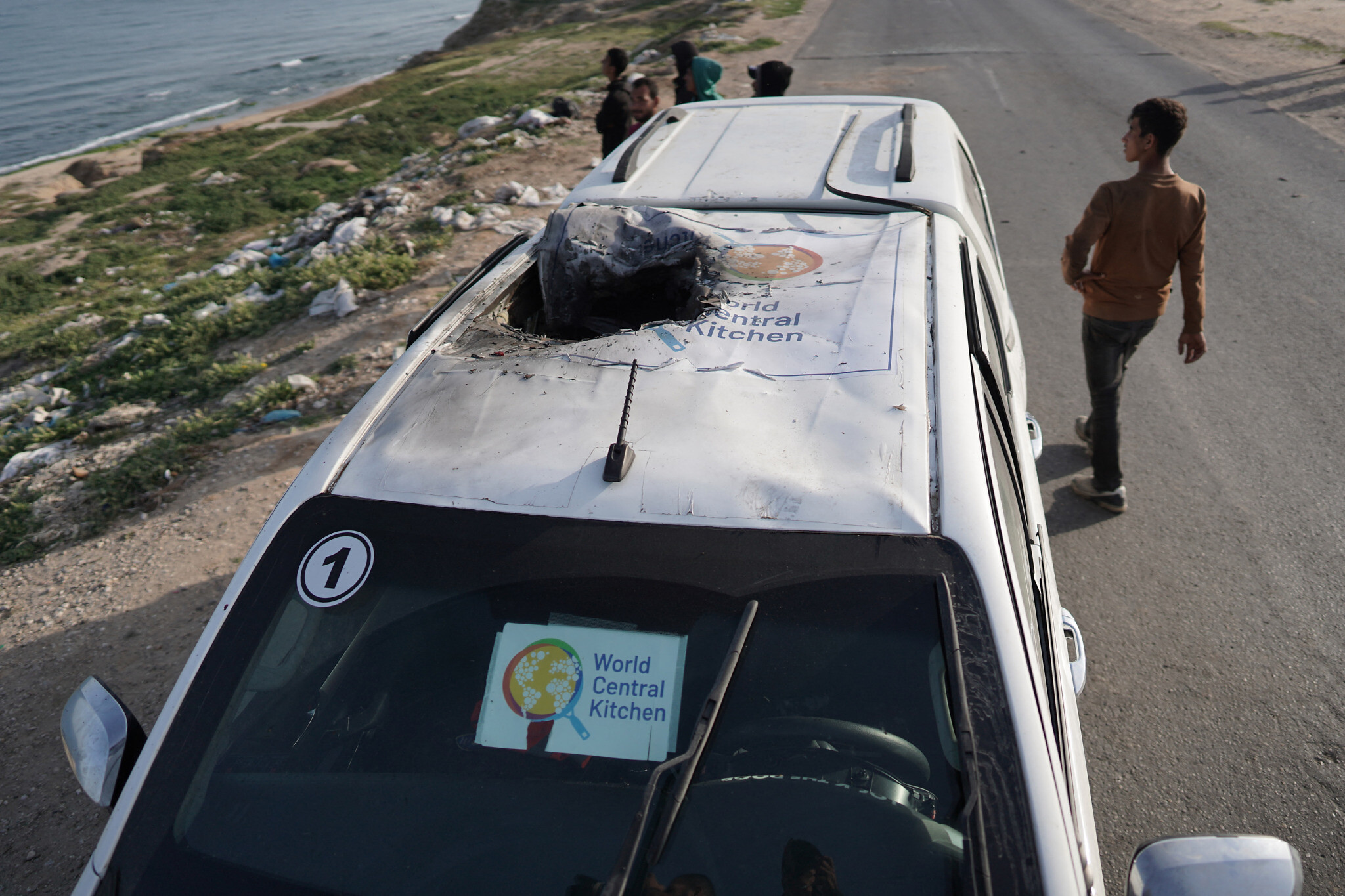
On April 1, 2024, Israeli forces ordered a strike on a convoy of WCK vehicles that officers suspected carried a Hamas gunman, despite a low level of confidence in the assessment and against army regulations. The strike left seven humanitarian workers dead.
The forces did not identify the vehicles as belonging to WCK when the strike was ordered, according to the mechanism’s investigation.
The mechanism’s investigation found that WCK had hired an armed security force to accompany the convoy to protect it from looting, a move that had not been coordinated with the army.
During the incident, Israeli troops spotted an armed man on an aid truck that was part of the convoy and thought other vehicles surrounding the truck were Hamas operatives trying to take control of it, according to the probe.
After the convoy reached a warehouse to drop off the aid, several people were incorrectly identified by the Israeli forces as armed. Those people, aid workers who were not actually armed, entered vehicles and traveled south, and deviated from a route that WCK had coordinated in advance with the military.
The troops therefore believed Hamas had taken control of the convoy before it reached the warehouse, and that Hamas operatives were in the vehicles that drove away from it afterward. The cars were then targeted.
The investigation found that the army did try to contact WCK representatives to confirm that their members were not inside the cars that had driven away from the warehouse, but “these attempts, during the half-hour in which the convoy’s vehicles were monitored as being believed to contain Hamas operatives as stated, were unsuccessful.”
Following the investigation at the time, then-IDF chief Lt. Gen. Herzi Halevi ordered the removal of Col. (res.) Nochi Mendel — the chief of staff of the Nahal Infantry Brigade amid the war — and the brigade’s firepower coordination officer, who held the rank of major, over their involvement in ordering the strike.
Additionally, Halevi reprimanded the then-commander of Southern Command, Maj. Gen. Yaron Finkelman, for his “overall responsibility for the incident,” as well as the then-commander of the 162nd Division, Brig. Gen. Itzik Cohen, and the then-commander of the Nahal Brigade, Col. Yair Zukerman.
In its statement on Tuesday, the military said that “in light of prior professional acquaintance with one of those involved in the incident,” Military Advocate General Maj. Gen. Itai Ofir refrained from “personally making a decision in this case,” and instead the decision was made by Chief Military Prosecutor Col. Eli Levertov.
“After examining all the findings of the factual assessment, it was decided that despite failures in the process of forming the assessment that Hamas operatives were traveling in the vehicles, it was found that the commanders’ decisions did not cross the criminal threshold, in light of the sequence of suspicious signs and the overall operational circumstances,” the IDF said.
That being the case, Levertov ruled that “there was no reasonable suspicion of the committing of a criminal offense warranting the opening of an investigation or the taking of additional measures against any of those involved in the incident” beyond those taken by Halevi at the time.
January 2024 killing of nine Palestinians, including 6-year-old Hind Rajab
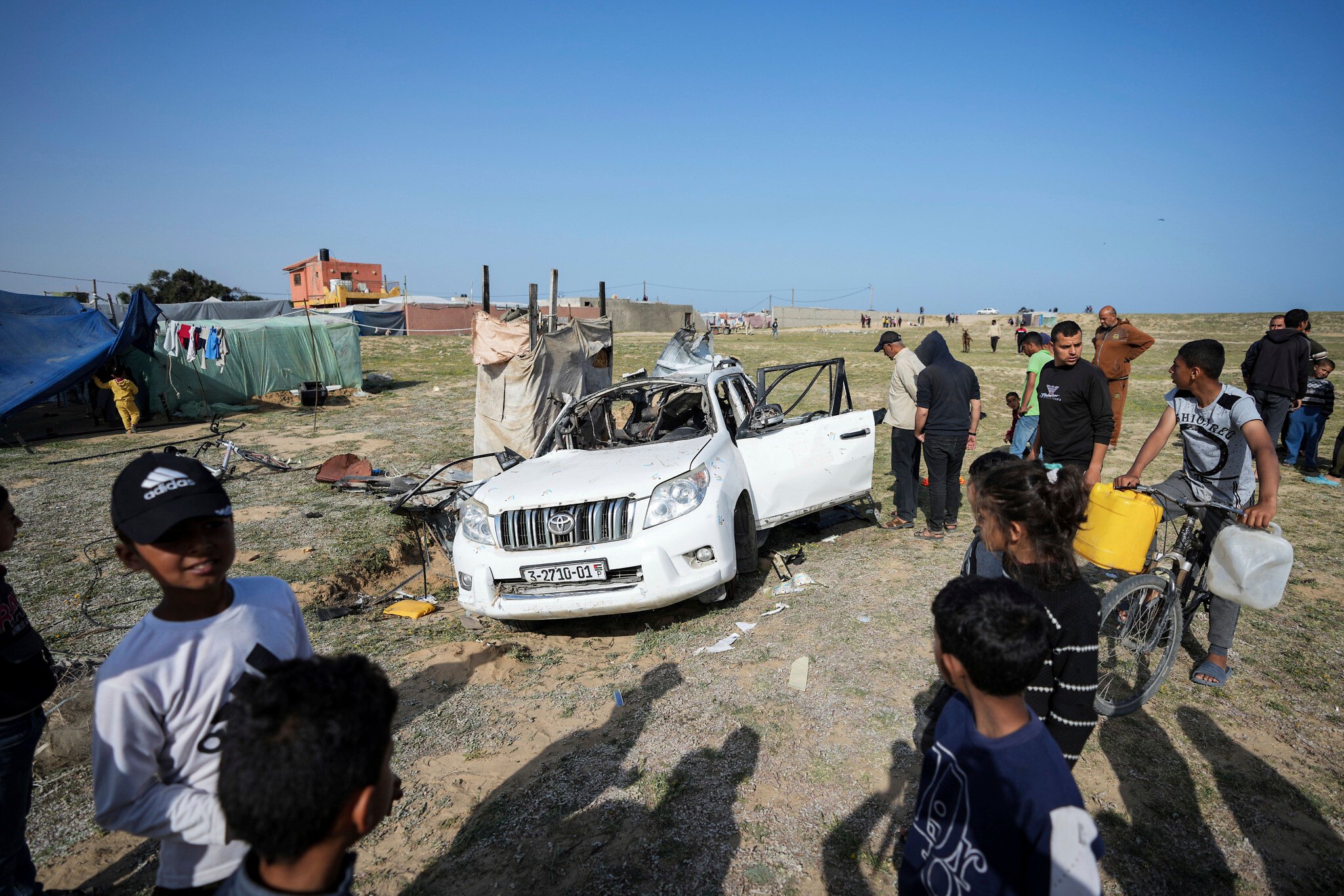
On January 29, 2024, Israeli forces reportedly struck a vehicle belonging to the Hamada family in Gaza City, killing five of the occupants, while two initially survived — Hind Rajab and her cousin Layan.

Hind Rajab spent hours on the phone with dispatchers pleading for help with the sound of shooting echoing around her. When a Palestine Red Crescent Society ambulance arrived at the scene, a shell was fired at it, killing two paramedics, according to reports at the time.
Days later, the bodies of the seven members of the Hamada family were recovered, including Hind and Layan Rajab, along with the two paramedics.
The military said Wednesday that the mechanism’s investigation found that troops had fired at the Hamada family’s car as it approached forces, “traveling in the opposite direction to an evacuation route” that was published by the IDF to residents of the area.
“After examining the findings and in light of alleged failures concerning the coordination of the movement of the Red Crescent ambulance, it was decided to order further examination of the incident through a Military Police investigation,” the IDF said.
March 2025 killing of 15 rescue workers in Gaza’s Rafah
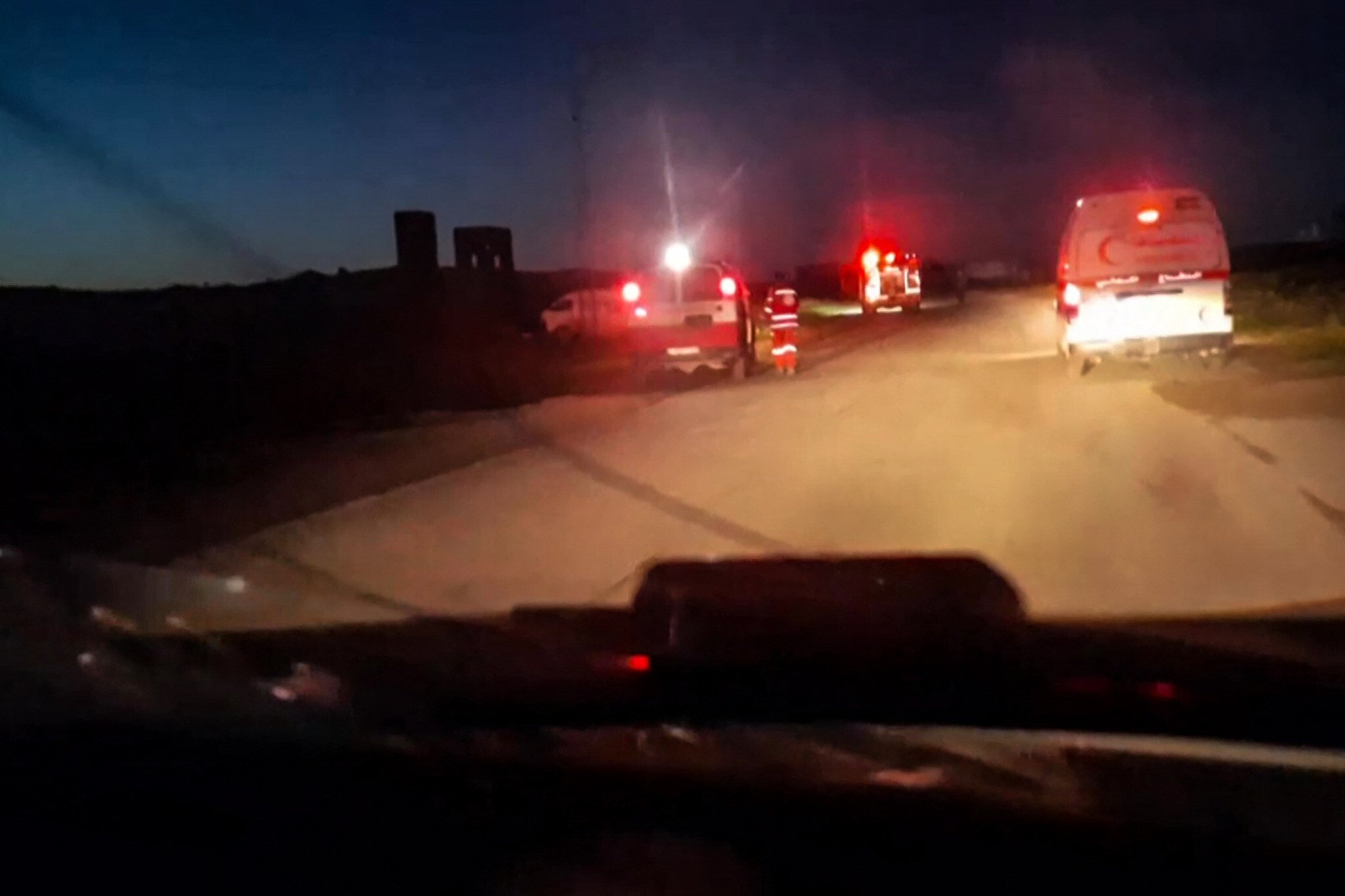
On March 23, 2025, the IDF began an operation to encircle Rafah’s Tel Sultan neighborhood. As part of the offensive, soldiers of the Golani Brigade’s Reconnaissance Unit were stationed in an ambush on a road exiting Tel Sultan.
Over the course of several hours, the Golani soldiers fired on ambulances, emergency vehicles, and a United Nations car driving through the area, in some cases suspecting them of being Hamas vehicles.
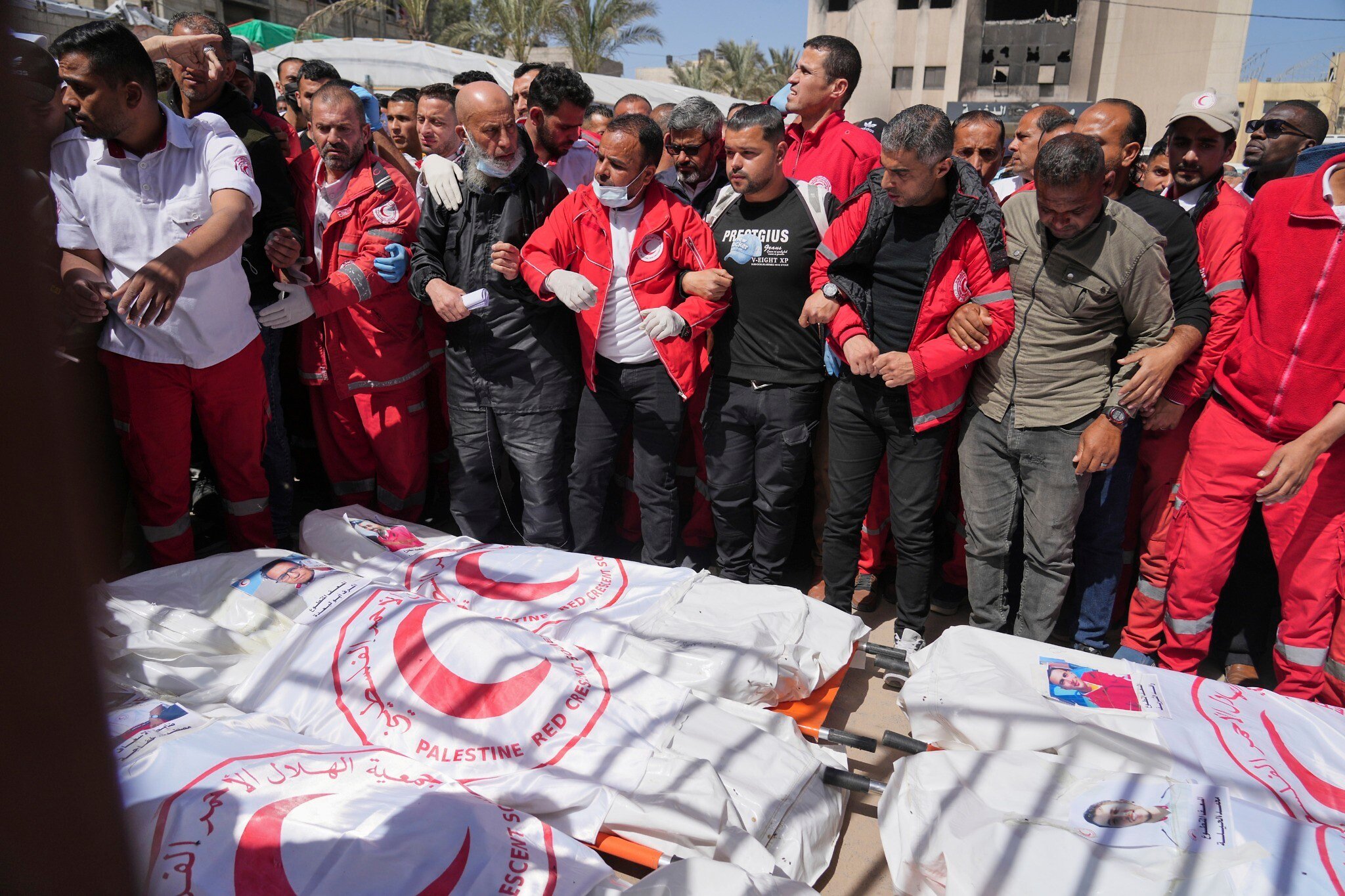
A total of 15 Palestinians were killed in the incident, and the IDF posthumously identified six as Hamas operatives.
In the morning, the troops decided to gather the bodies all in one spot and cover them with an iron mesh, and crushed the vehicles while pushing them off the road.
At the time, the deputy commander of the Golani reconnaissance unit was removed from his role, and the commander of the 14th Reserve Armored Brigade — the unit leading the operation in Rafah when the killing of the medics took place — was formally censured.
“After examining the findings of the investigation, and upon finding that the conduct of the firing during the incident raised reasonable suspicion of the committing of an offense, it was decided to continue examining the matter through a Military Police investigation,” the IDF said.
February 2024 killing of two Doctors Without Borders members
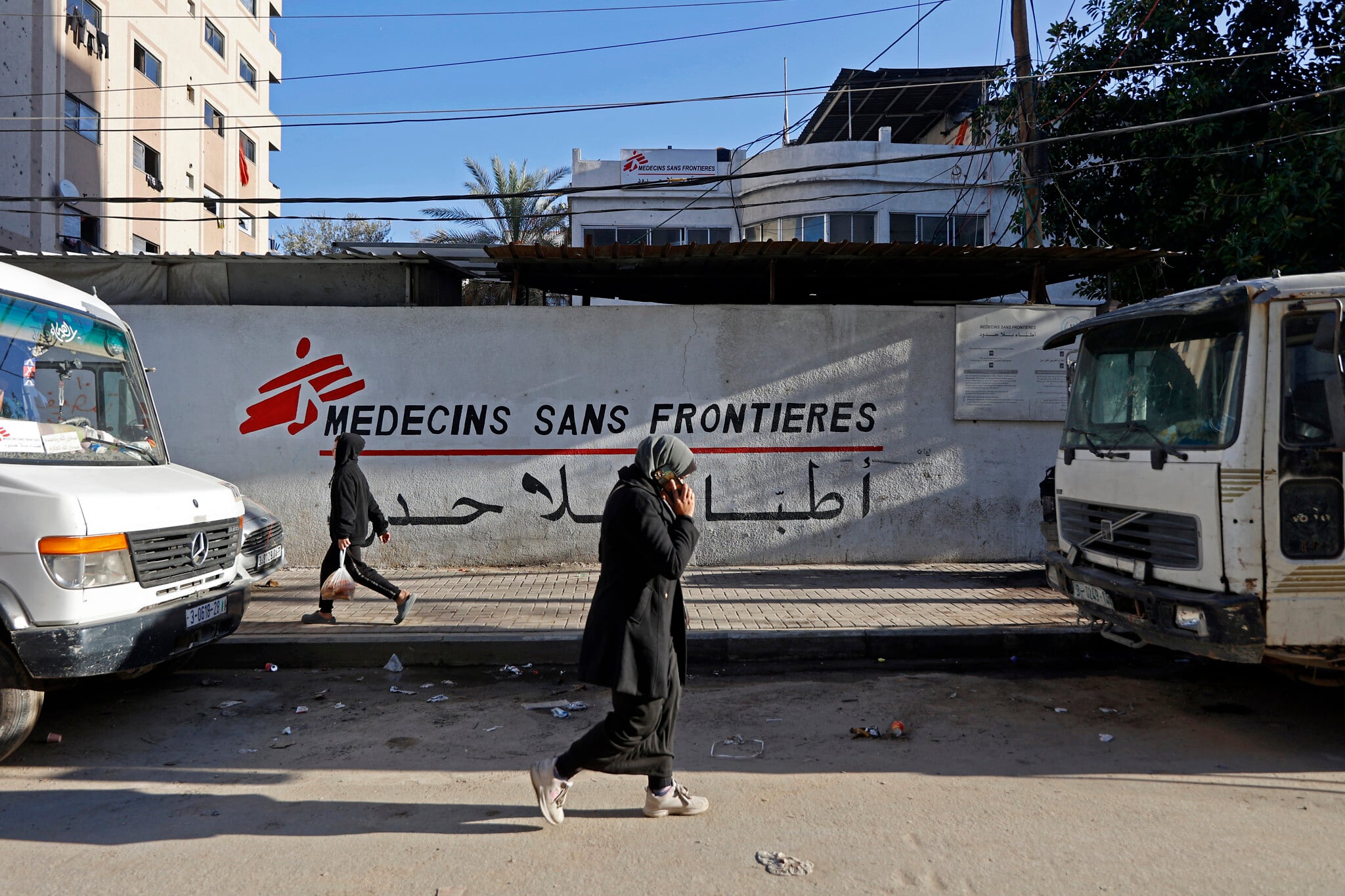
On February 20, 2024, the military struck a building in Khan Younis that was only afterward identified as belonging to aid group Doctors Without Borders, known by the French acronym MSF. The strike killed two women and injured seven people.
The mechanism’s investigation found that during an offensive in the area against Hamas, troops identified a building “located at a topographical point overlooking the route on which they were moving.”
After assessing that the building posed a threat to the forces, a single shell was fired at one of its windows. The investigation noted that, unlike other structures in the area, the lights in the MSF building were off, and no movement was observed in or around it before the troops fired the shell.
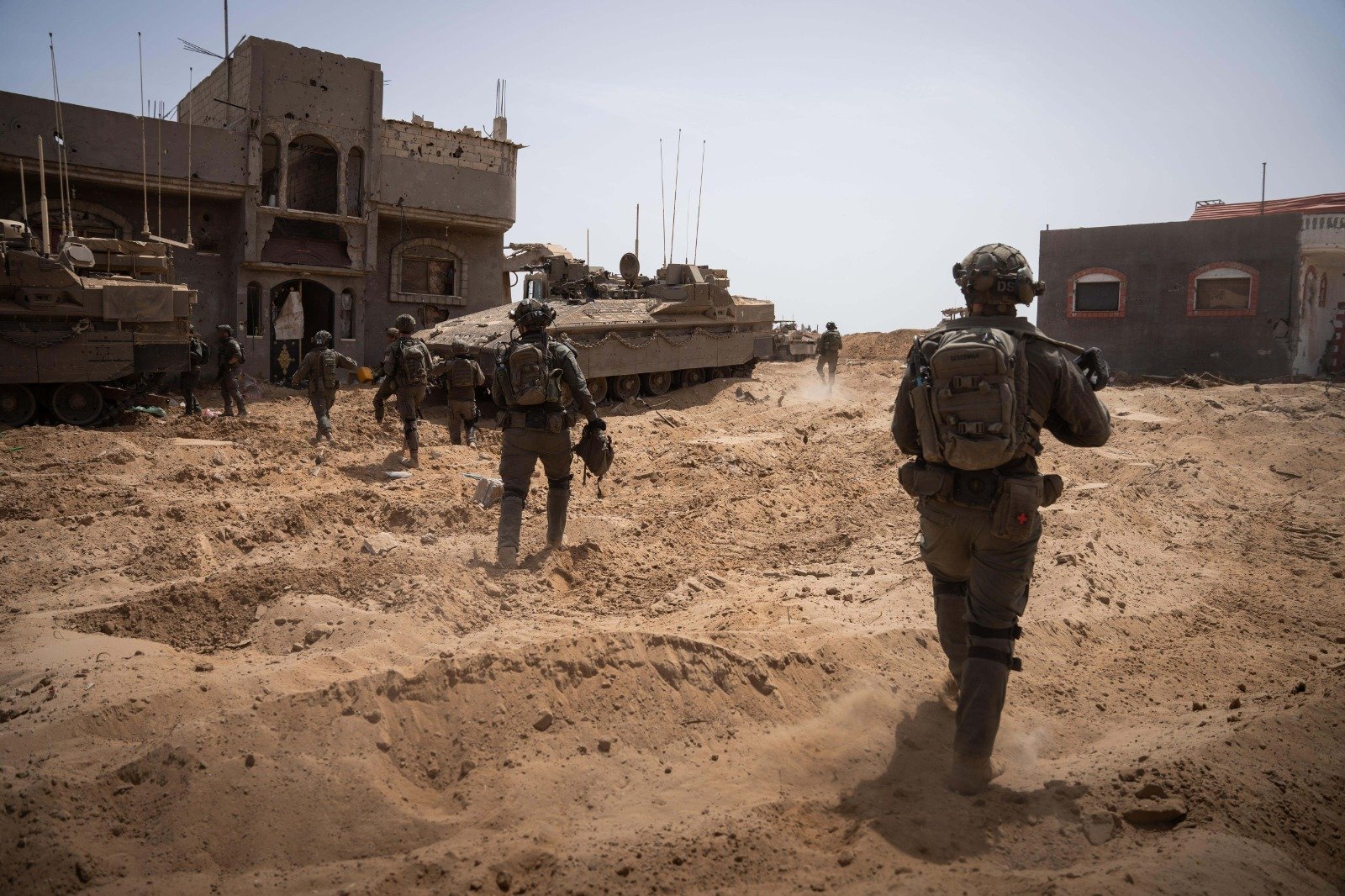
At the time, the troops did not have “up-to-date information that the building was affiliated with Doctors Without Borders,” and could not identify the MSF signage that was placed at the front of the building, as they were moving behind it, according to the IDF.
The MAG, after examining the findings of the mechanism’s investigation, “determined that the forces had fired for a military purpose, at a target that they assessed, due to its location under the circumstances described, constituted a military target.
“Although a discrepancy was identified in that the forces did not have up-to-date information that the building was a known site of Doctors Without Borders, it was determined that, under the operational circumstances described, there was no basis for further examination through a Military Police investigation,” the military said.
However, in light of “certain failures identified in the attack process,” the MAG ordered “an examination of the need to take command measures against any of those involved.”
November 2023 killing of two Doctors Without Borders members
On November 18, 2023, Israeli forces fired at an MSF convoy in the Gaza Strip, leading to the deaths of two passengers. According to the mechanism’s probe, the five-car convoy carrying MSF personnel from Gaza City to the organization’s clinic in Khan Younis had been coordinated with the military the previous day.
However, the investigation found that the precise details of the convoy’s one-way route were only approved shortly before the vehicles set out, and before a force at an army checkpoint was aware of it. The convoy arrived at the IDF checkpoint in the afternoon, but the vehicles were ordered to wait until the matter was clarified.
“After some time, fearing that they would not reach their destination before nightfall, they decided, on their own initiative and without proper coordination, to turn back and return to the organization’s facilities in Gaza City,” the mechanism’s investigation found, adding that “this was despite IDF personnel clarifying to the members of the convoy that the checkpoint’s operating hours had been extended, and that it was not possible to coordinate the convoy’s return to Gaza City at that time.”
The troops asked the MSF convoy to wait near the checkpoint until the matter was clarified, so they could then continue south to Khan Younis, and additionally told them that they would not be able to return to Gaza City without coordination, as “such movement could endanger them.”
The army says the MSF convoy ignored the instructions and began returning to Gaza City. IDF troops stationed along the route spotted the convoy approaching them while driving in the opposite direction to that approved by the military’s evacuation orders, and fired several warning shots.
The investigation found that the warning shots were not directed at the vehicles themselves, but only to prevent them from continuing to approach.
Despite this, the convoy continued driving and “came within a few hundred meters of the IDF troops, in a manner perceived by the force as a real threat,” the investigation said, noting that the forces perceived the convoy as a threat due to “patterns of activity of terror organizations in the area.”
The troops fired additional warning shots at the road at a distance of around 100 meters from where the first car in the convoy was located, in accordance with army protocols, the probe found.
“According to the findings of the investigation, it was found that there was a possibility that the unfortunate deaths of two of the convoy’s passengers were caused by fragments from the warning fire,” the military said.
Because the probe did not find that the forces fired directly at the convoy at any point, the MAG ruled that in this case, “the incident did not raise reasonable suspicion of the committing of a criminal offense.”




The Times of Israel Community.