

25 years after 9/11, al-Qaeda said regrouping in Taliban-run Afghanistan
Aided by ‘permissive environment,’ terror group and affiliates have established at least 8 bases since Taliban’s return to power, Washington Post reports
 Add ToI as a Preferred Source on Google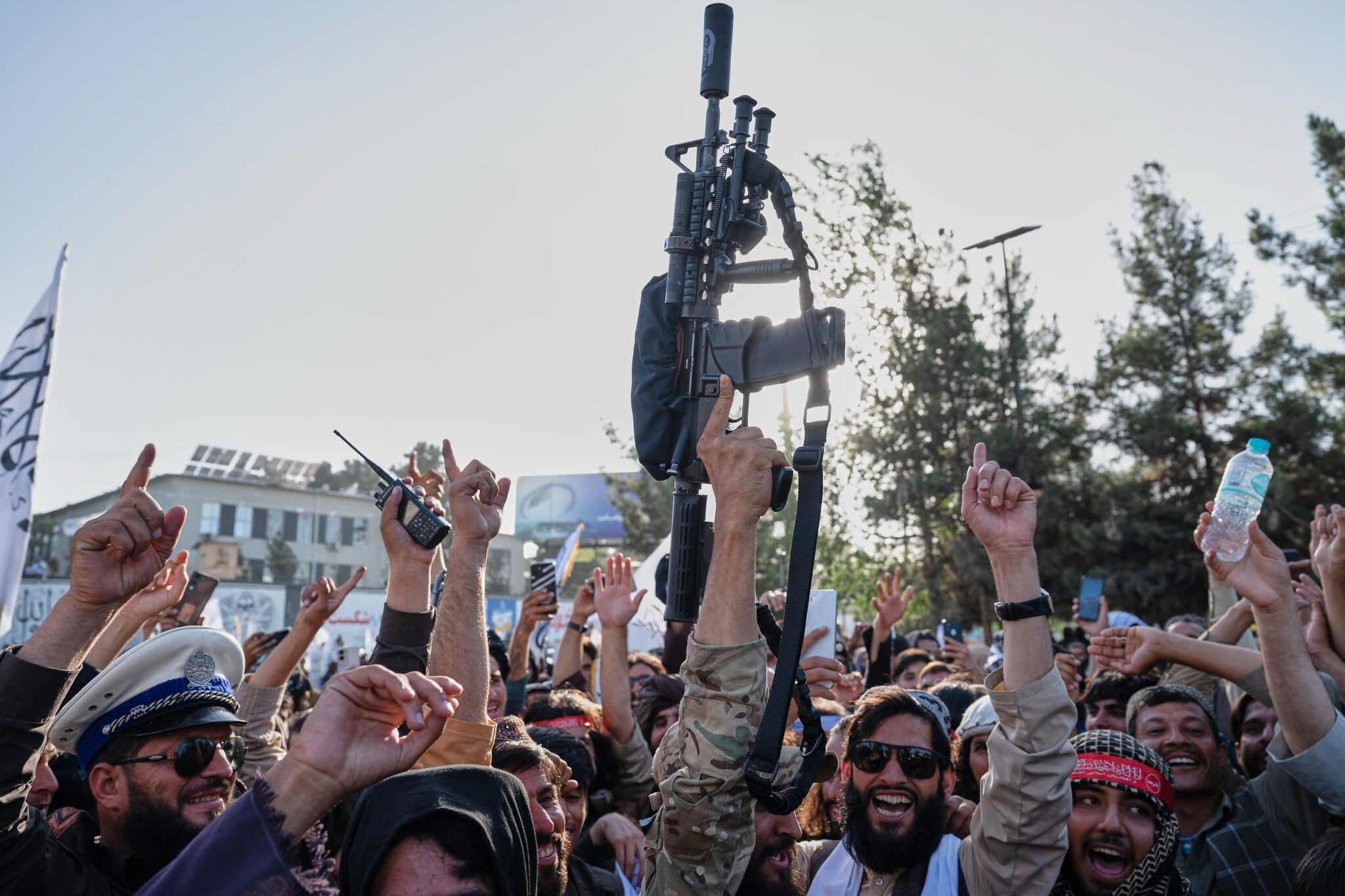
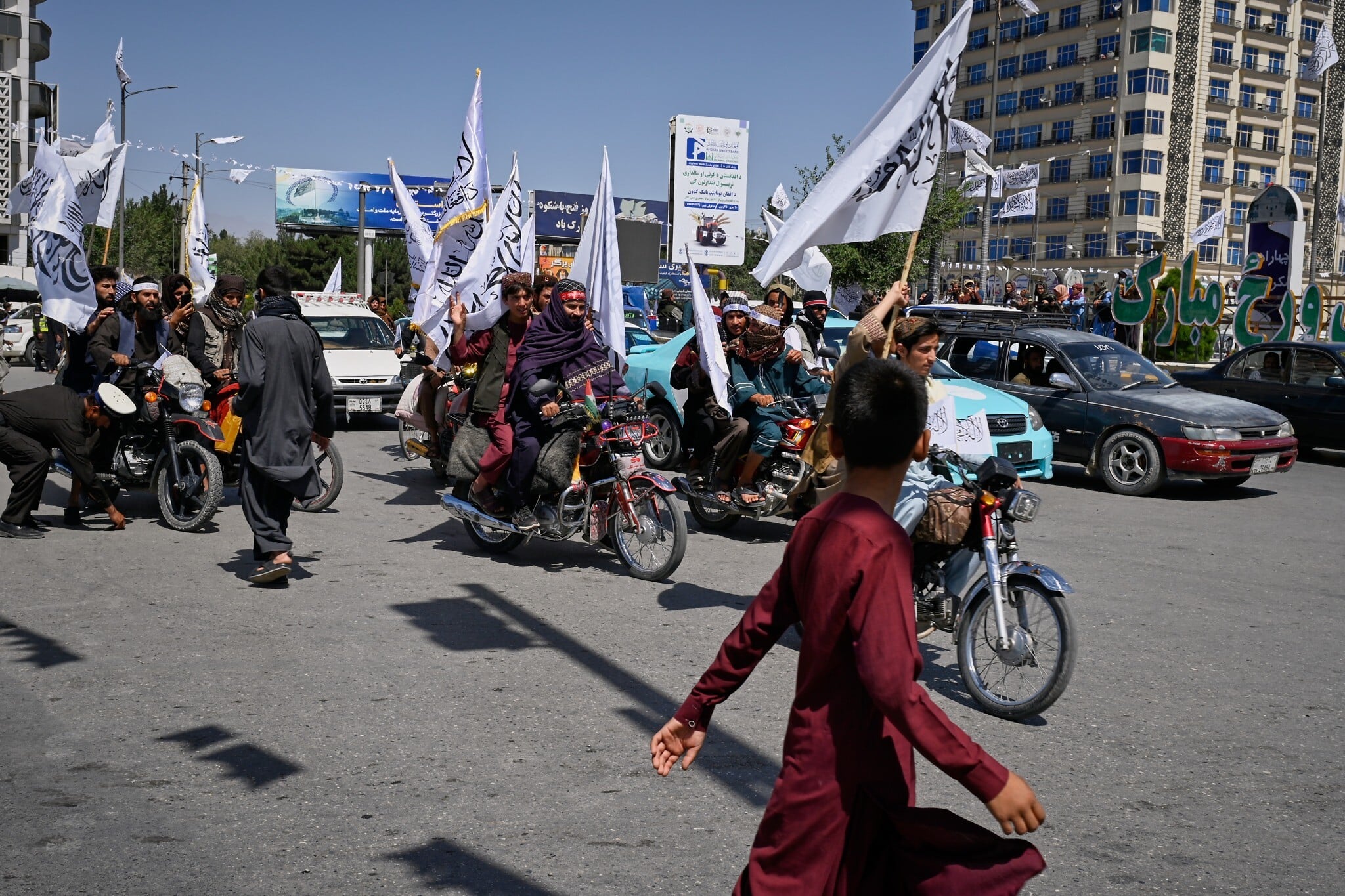
A quarter century after 9/11, al-Qaeda and other terror groups are regrouping in Afghanistan following the US withdrawal and the return of the Taliban to power in 2021, The Washington Post reported Saturday, citing US and Western security officials and a United Nations organization.
Al-Qaeda and its offshoots have established at least eight bases in Afghanistan over the past three years, while Islamic State, al-Qaeda’s main rival, has also opened training sites in Afghanistan in recent years, The Post said.
According to the report, the groups have successfully established a presence in at least 14 of the country’s 34 provinces.
A UN report cited by The Post said the Taliban has reintroduced “a permissive environment” that has allowed al-Qaeda “to consolidate, with the presence of safe houses and training camps across Afghanistan.”
Nonetheless, terror groups gaining a foothold in Afghanistan appear to focus more on regional conflict than worldwide jihad, and seem to be constrained by the Taliban’s reticence to invite new international intervention in the country, according to officials and counterterrorism experts cited by The Post.
Al-Qaeda’s Afghan training camps played a central role in the run-up to the September 11, 2001, attacks. According to the US 9/11 Commission, the idea of hijacking planes was introduced at an al-Qaeda complex in Tora Bora in 1996, while then-leader Osama Bin Laden later approved the 9/11 plot at a site near Kandahar.
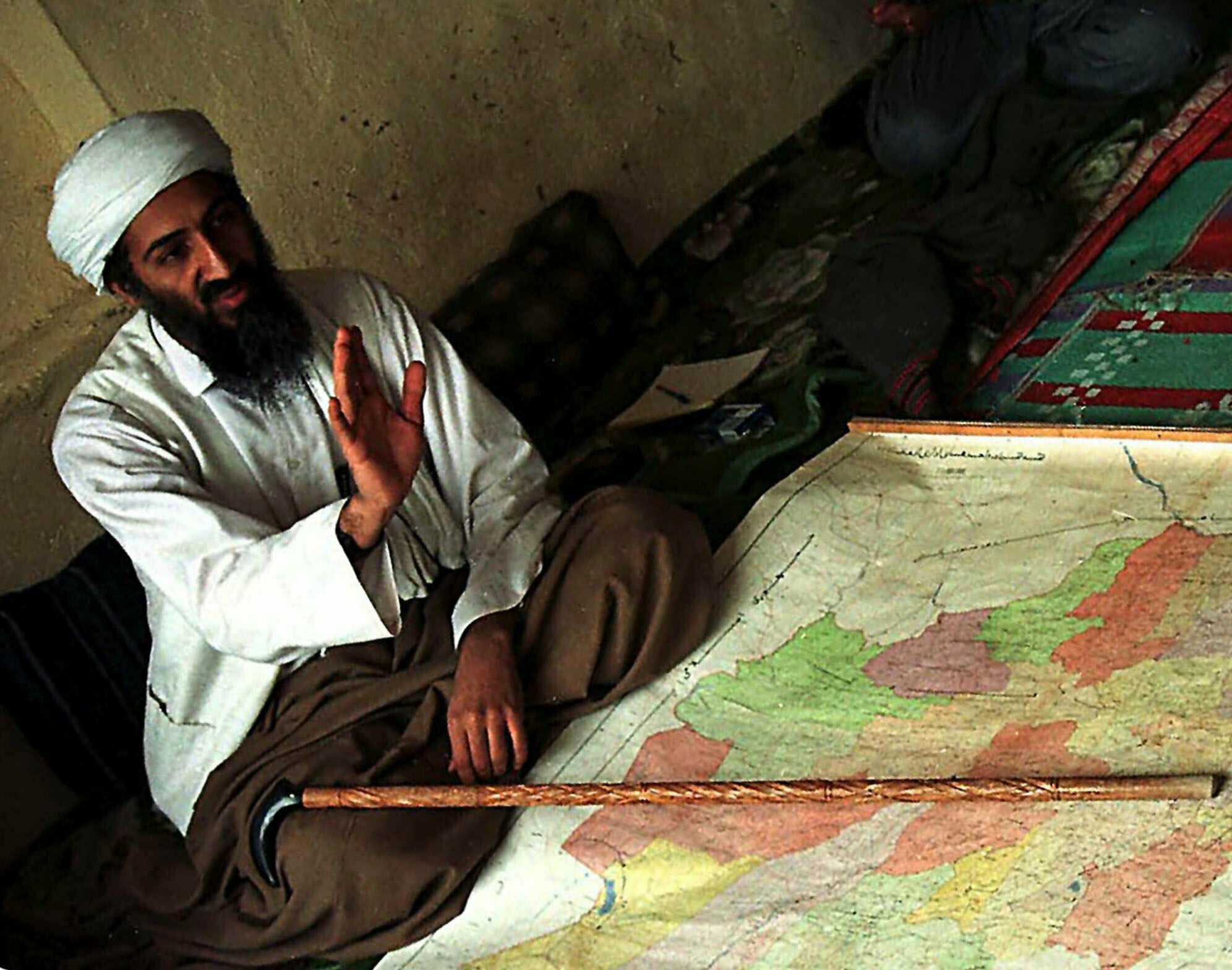
All 19 hijackers had also spent time at al-Qaeda camps or safe houses in Afghanistan before the attacks.
According to the report, UN and other security officials recently investigated claims that al-Qaeda was seeking to re-establish itself at Tarnak Farms, a former bin Laden compound near Kandahar Airport, though a Washington Post review of satellite imagery found no visible signs of renewed activity.
Officials said the new camps teach weapons, explosives and guerrilla tactics alongside newer technologies such as encryption, artificial intelligence and drones. Colin Smith, who coordinates a UN team monitoring terror groups, estimated that core al-Qaeda has no more than around 100 militants in Afghanistan.
Smith told The Post that al-Qaeda has taken more of a “consulting service” role for other terror organizations, such as Tehrik-e-Taliban Pakistan (TTP), “giving them advice and training on things like covert operations and information security.”
A 2024 UN report cited by The Post said al-Qaeda operatives in Afghanistan were “conducting suicide bomber training for TTP.”
Meanwhile, Islamic State-Khorasan, an Islamic State offshoot for the Afghan region of Khorasan, has been using the country’s north as a “main hub” for training and planning operations, recruiting some 2,000 members, The Post reported, citing officials and UN reports.
Al-Qaeda and the Islamic State remain bitter rivals for dominance of the jihadist movement, officials said, but both now recruit primarily from Afghanistan and neighboring countries, unlike the thousands of foreign fighters al-Qaeda drew from Saudi Arabia and elsewhere in the Middle East in the 1990s.
Monitoring the new camps has been hindered by the loss of intelligence capabilities following the United States’ 2021 withdrawal from Afghanistan and the diversion of resources to Iran and other priorities, US and other security officials said. Still, the 2022 drone strike that killed al-Qaeda leader Ayman al-Zawahiri in Kabul demonstrated Washington’s enduring intelligence and strike capabilities.
Al-Qaeda is now led by Egyptian Saif al-Adel, a veteran of its Afghan training camps who is believed to be hiding in Iran, officials said.
Meanwhile, post-9/11 travel surveillance and other measures have made sending recruits to Afghan camps riskier, prompting al-Qaeda and the Islamic State to increasingly recruit online and encourage Western sympathizers to carry out “lone wolf” attacks at home.








The Times of Israel Community.