

Election panel disqualifies all Arab parties, in move likely to be overturned; Balad leader also barred
High Court expected to nix bans on Ra’am, Joint List after politicians cite alleged support for terror, denial of Israel as Jewish state; Sohlberg, AG, all opposition parties back disqualification of Balad’s Abu Shehadeh in rare consensus
 Add ToI as a Preferred Source on Google
Ariela Karmel is a political correspondent at The Times of Israel. She previously reported for Calcalist and Haaretz. She holds an MA in Middle Eastern and African History from Tel Aviv University and a BA in Political Science from the University of British Columbia.
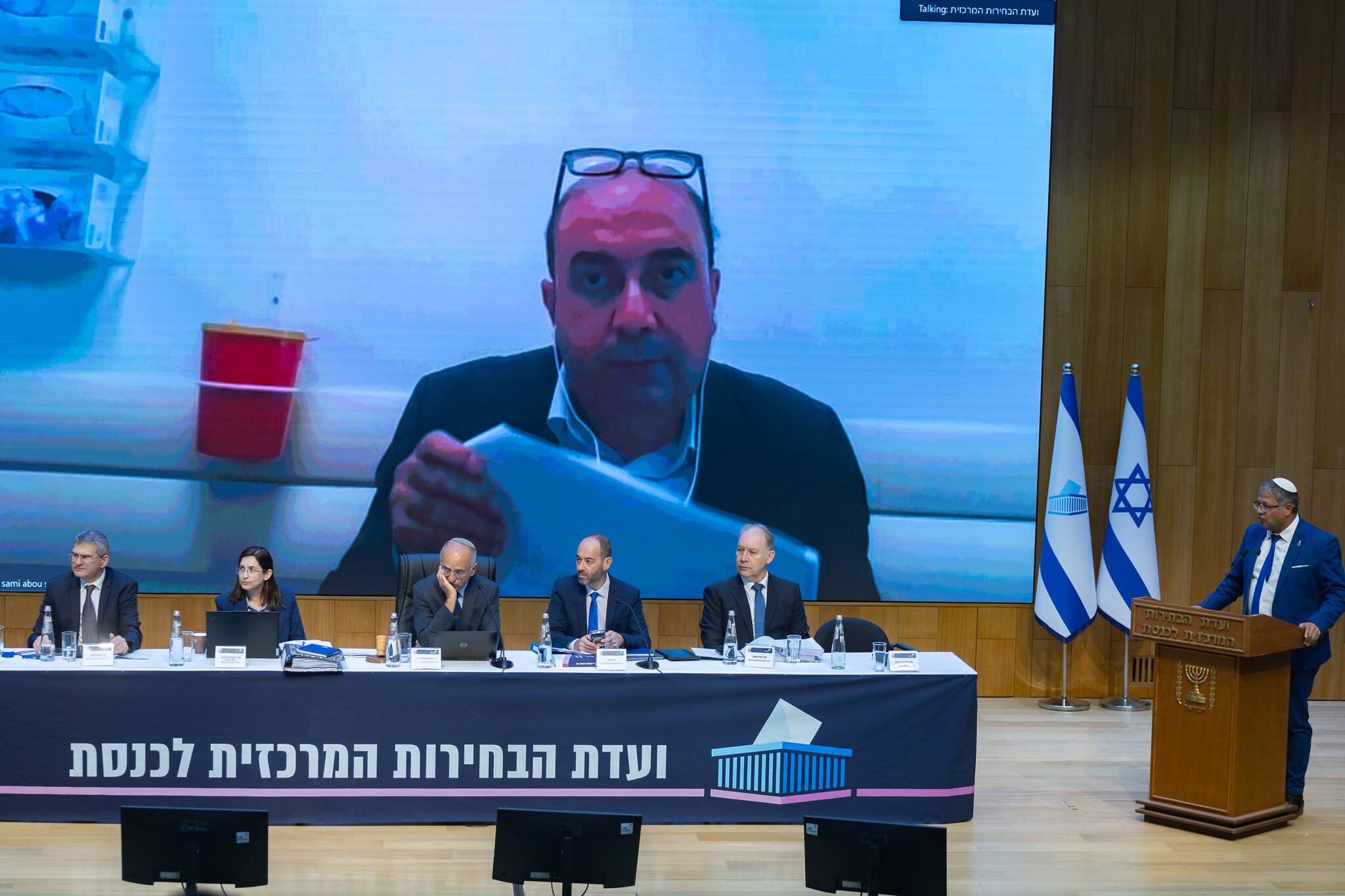
The Central Elections Committee voted Wednesday in favor of petitions to disqualify the Joint List slate — made up of Balad, Hadash, and Ta’al — altogether as well as Mansour Abbas’s Ra’am party from running in the October 27 election, effectively barring all majority Arab parties from running in the election.
The rulings by the panel, made up almost entirely of politicians representing Knesset factions, must be approved by the Supreme Court of Justice, which is expected to strike down the bans, due to the high legal threshold for preventing a political party from running.
At the same time, the committee voted 30-4 to specifically disqualify the chairman of the Joint List’s Balad party, Sami Abu Shehadeh, No. 3 on the Joint List slate, from running — notably with the support of all opposition parties and rare backing from Attorney General Gali Baharav-Miara and Supreme Court Justice Noam Sohlberg, who oversees the panel.
“It is deeply regrettable to see that those who claim to seek to replace Netanyahu are once again falling into the racist trap set by Netanyahu and Ben Gvir and lending their support to this political campaign,” the Joint List said in reference to support from opposition parties, accusing them of “deepening racism” and helping entrench Prime Minister Benjamin Netanyahu’s rule.
The Adalah rights group said following the votes that it would appeal the decisions to disqualify all Arab parties and several candidates from the October 27 election before the Supreme Court, denouncing the proceedings as an “arbitrary, inciting and racist process.”
Adalah said the proceedings amounted to an “illegitimate political process aimed at persecuting ideas the majority does not accept” and argued that the petitions failed to meet the high evidentiary threshold established by the Supreme Court for disqualification.
The Supreme Court is due to consider the decisions next week.
Committee votes to disqualify Ra’am, Joint List
The CEC voted 18-5 to accept a petition filed by Likud to disqualify the Joint List.
Likud’s petition sought to bar the Joint List under Basic Law: The Knesset, which prohibits parties from expressing support for armed struggle against the State of Israel from running for Knesset, but which contains no such rule mandating support for specific security policies against terror organizations.
Hadash and its communist faction Maki denounced the decision as a “blatant trampling of the most basic rules of the democratic game,” accusing the “fascist right” of seeking to suppress Arab voter turnout and vowing to challenge what they call “political persecution.”
The court also voted 18-5 to disqualify Ra’am, accepting petitions filed by Likud, Otzma Yehudit, and the Choose Life Forum, which represents victims of terror.
Ra’am’s disqualification is especially notable given that the party, which has Islamist roots, joined a governing coalition from 2021-2022 and recently added Jewish former lawmaker Yoav Segalovitz to its slate.
A representative for Attorney General Gali Baharav-Miara told the committee that her office opposed Ra’am’s disqualification, consistent with its position that none of the petitions before the CEC had sufficient grounds except the one against Abu Shehadeh.
“We explained in our written submission that the quotations cited in the petitions themselves demonstrate that MK Mansour Abbas recognizes Israel’s Jewish character,” she said.
She added that the allegations of incitement to racism rested on a “very thin” petition that failed to meet the evidentiary threshold required for disqualification.
The disqualification was widely expected, given the politicized nature of the committee, which is made up of representatives of Knesset parties and in which the coalition holds a majority.
Both decisions will now be reviewed by the Supreme Court, which is likely to strike them down given its historically high threshold for disqualification.
The Joint List denounced the CEC’s decision to disqualify all Arab parties and disenfranchise “more than one million voters, who make up 20% of the country’s citizens,” and said that it expects the Supreme Court to overturn the decision.
Balad chief faces tougher battle
The CEC accepted both grounds cited in the petition to ban Abu Shehadeh from running: supporting armed struggle by an enemy state or terrorist organization against Israel, and negating Israel’s existence as a Jewish and democratic state.
Sohlberg took part in the vote — the first time in decades that a committee chairman has done so — saying Abu Shehadeh had failed to adequately answer allegations that he expressed support for Hamas’s armed struggle against Israel in an article he published a day after the October 7, 2023, massacre.
The decision stands out among the numerous disqualification petitions before the CEC this week for the unusually broad political and legal support behind it, potentially setting up a less predictable Supreme Court review than is typical for such decisions.
The petition, filed by National Security Minister Itamar Ben Gvir’s far-right Otzma Yehudit party, centered on an Arabic-language article Abu Shehadeh published on October 8, 2023, in which he described the assault a day earlier as “an important historic event militarily, politically and strategically” and wrote that others could learn from Hamas’s success in surprising Israel.
All opposition parties — Gadi Eisenkot’s Yashar, Naftali Bennett’s B’Yachad, Yair Golan’s Democrats, Avigdor Liberman’s Yisrael Beytenu and Benny Gantz’s Blue and White — backed the petition.
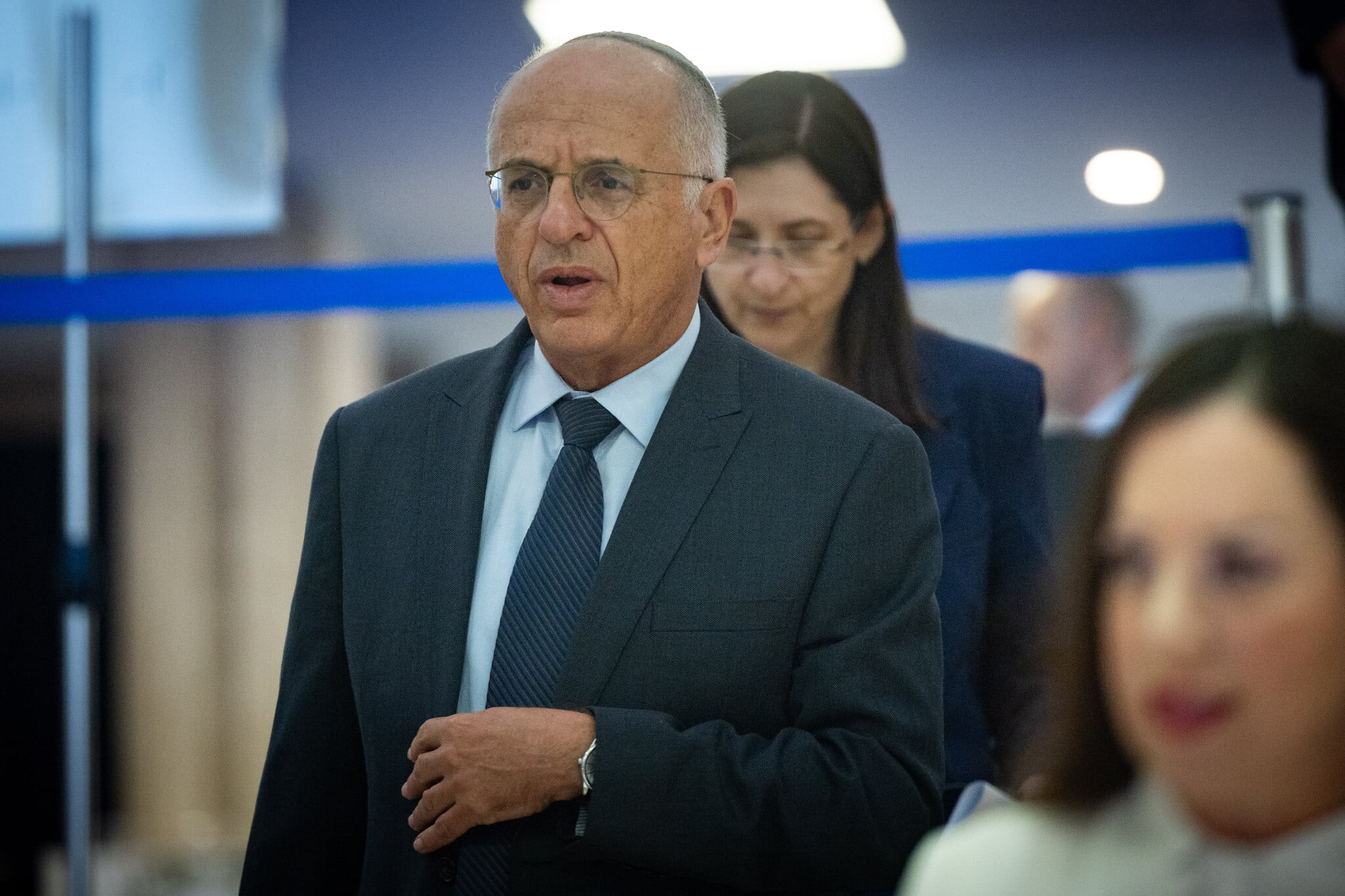
The petition is the only challenge before the committee this week to receive the backing of Baharav-Miara, who penned an opinion Tuesday supporting Abu Shehadeh’s disqualification while concluding that the other petitions lacked sufficient grounds.
The backing of Sohlberg and Baharav-Miara raises the prospect that the Supreme Court may uphold the decision, despite its historically high threshold for disqualifying candidates and its repeated overturning of such decisions by the committee.
Abu Shehadeh, who denies supporting the attack or political violence, called his disqualification an attempt to “silence” him and Arab society’s political voice. “I have never called for violence or terrorism. I oppose armed struggle, and remain committed to political and civil struggle for peace, justice and equality,” he said.
“The attempt to disqualify me is an attempt to undermine the representation and political voice of Arab society,” added Abu Shehadeh, who leads the hardline Balad party and holds the No. 3 spot on the Joint List slate.
Adalah, whose general director Hassan Jabareen represented Abu Shehadeh, condemned the decision.
“The article contains no direct call for violence, nor any statements that could amount to grounds for disqualification,” Jabareen said, arguing that the attorney general had relied in part on what Abu Shehadeh did not write — an explicit condemnation of the October 7 attack — as evidence against him.
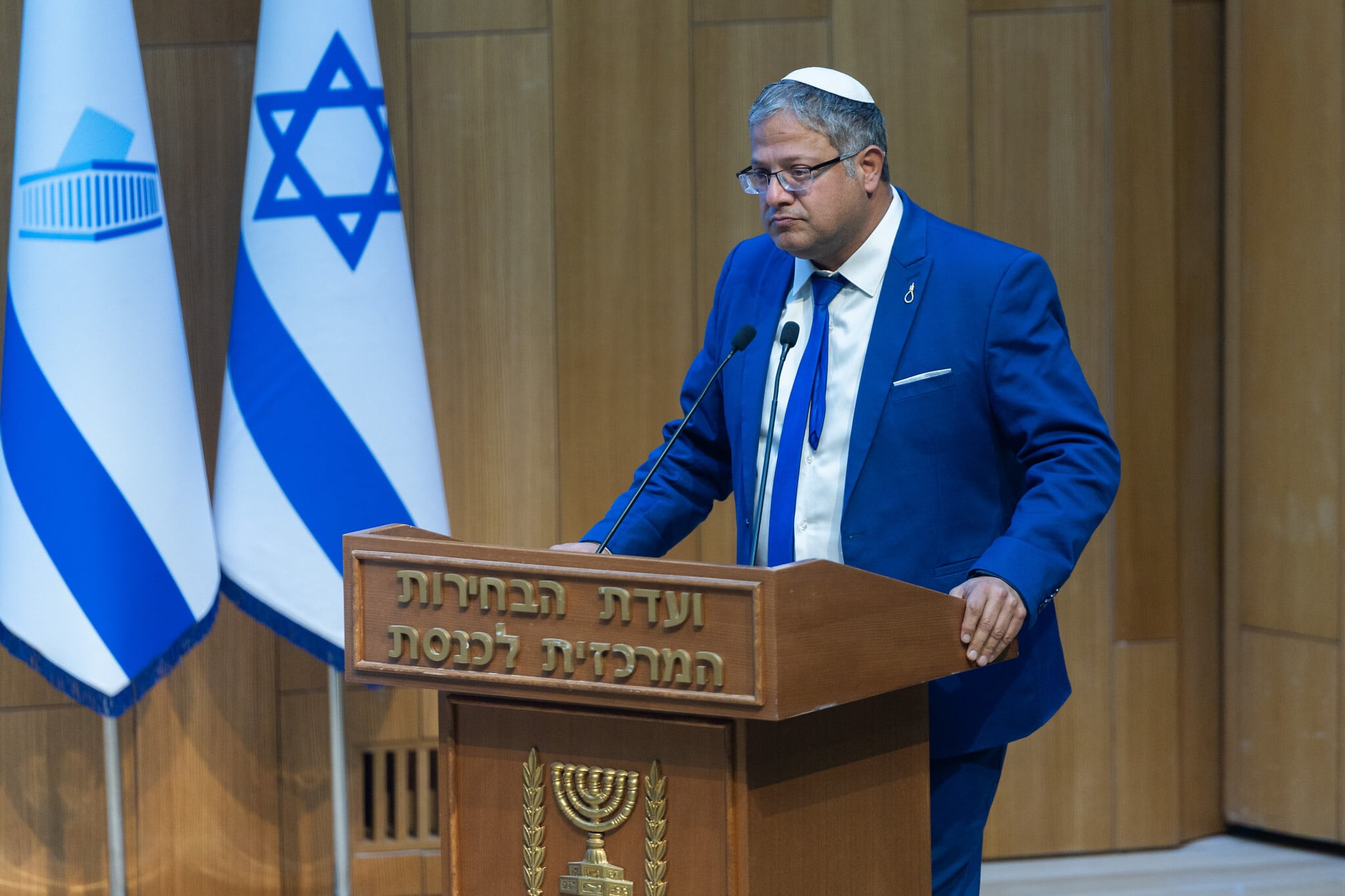
He also accused the attorney general of applying a higher standard to Abu Shehadeh than to far-right candidates whom she opposed disqualifying, including overlooking those “who incited the gravest crimes against Palestinians,” specifically citing Ben Gvir, who was convicted in 2007 of incitement to racism and supporting a terrorist organization, and Religious Zionism leader Bezalel Smotrich.
Among other things, Ben Gvir said in August that Israel should kill “30 to 40” people in Gaza every night, including individuals who posed no immediate threat, saying some were “not worthy of life” and “not even people,” while Smotrich said last year that Gaza would be “totally destroyed,” previously called for the Palestinian town of Huwara to be “wiped out,” and said in 2024 that causing two million Gazan civilians to die of hunger unless the hostages were returned “might be justified and moral.”
Panel separately votes to disqualify Ofer Cassif
The committee earlier Wednesday also voted 19-5 to disqualify another Joint List candidate, Hadash MK Ofer Cassif, approving a petition filed by Prime Minister Benjamin Netanyahu’s Likud party.
The petition sought to bar Cassif, No. 6 on the Joint List slate and among its only Jewish candidates, on the same grounds as those for banning Abu Shehadeh. The petition was backed by opposition parties Benny Gantz’s Blue and White and Avigdor Liberman’s Yisrael Beytenu.
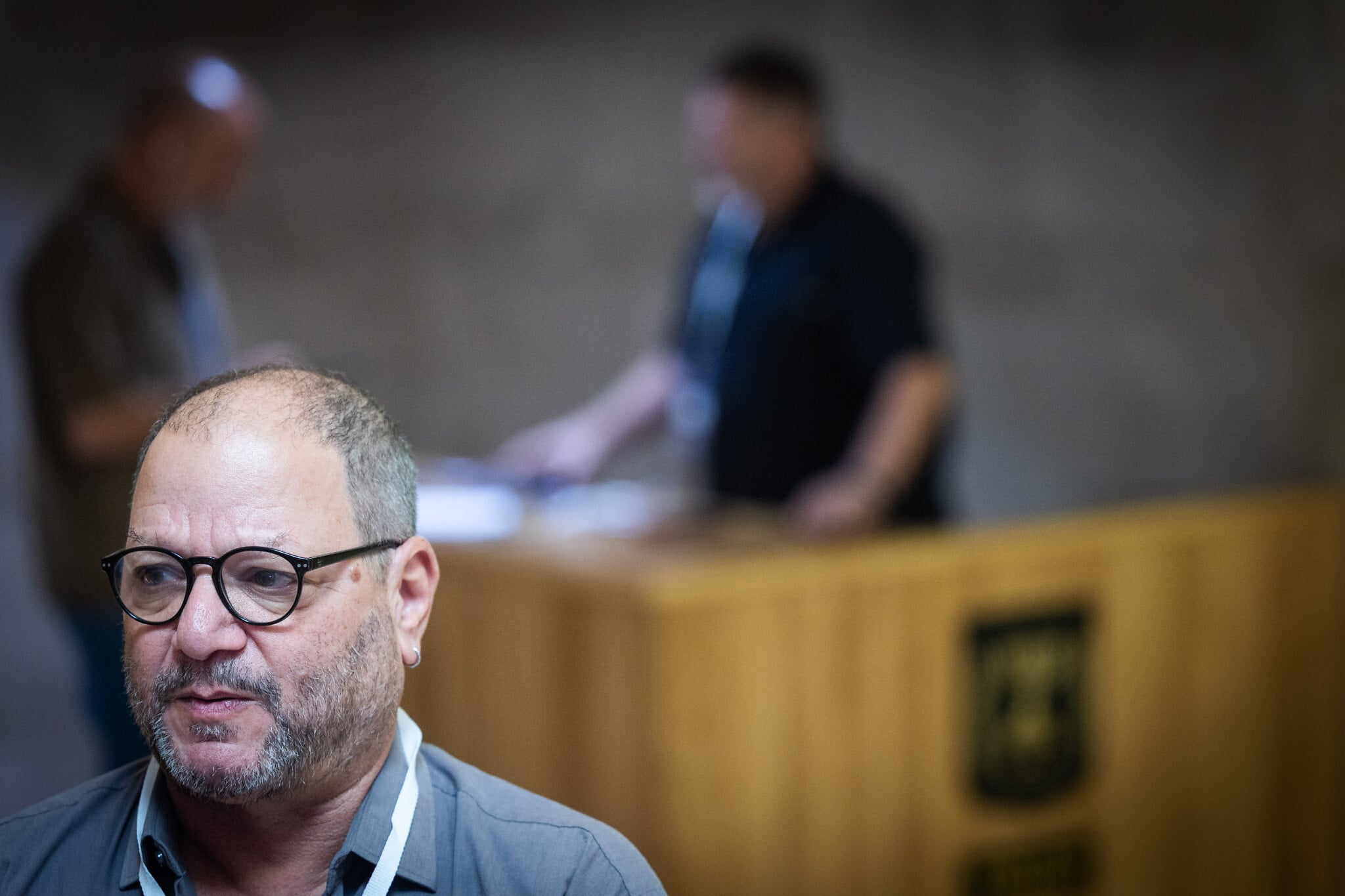
The decision must also be approved by the Supreme Court before Cassif can be barred and is unlikely to be upheld, given the court’s historically high threshold for disqualification. The court overturned a CEC decision barring Cassif from running in 2019.
“The committee is political and I had no expectations from it,” Cassif said following the vote, according to the Kan public broadcaster, adding that he is “convinced that the Supreme Court will overturn the decision.”
Cassif, one of the Knesset’s most vocal critics of the war in Gaza, rejected the allegations during the hearing, which he called “politically motivated,” and called the coalition’s portrayal of his opposition to government policy as “support for the enemy, disloyalty and harm to the state” a “blatant distortion of reality.”
“My public duty is not to the government and its lackeys, or to the ruling hegemony, but to ensure that our sons and daughters live in justice and peace and are not pushed, amid mutterings of necessity and revenge, into war crimes,” he said.
By doing so, he was “serving society more faithfully, humanely, democratically and Jewishly than any of the signatories to this foolish disqualification petition,” Cassif added.
The committee’s hearings continue on Thursday, when it will hear petitions to ban Otzma Yehudit, Religious Zionism and the Democrats.
Stav Levaton contributed to this report.




The Times of Israel Community.