

Israel’s 6th submarine to arrive as Navy plans major fleet expansion
INS Drakon reaches Israel after 8,000-km voyage from Germany, as military seeks to boost capabilities amid growing maritime threats
 Add ToI as a Preferred Source on Google
Emanuel (Mannie) Fabian is The Times of Israel's military correspondent
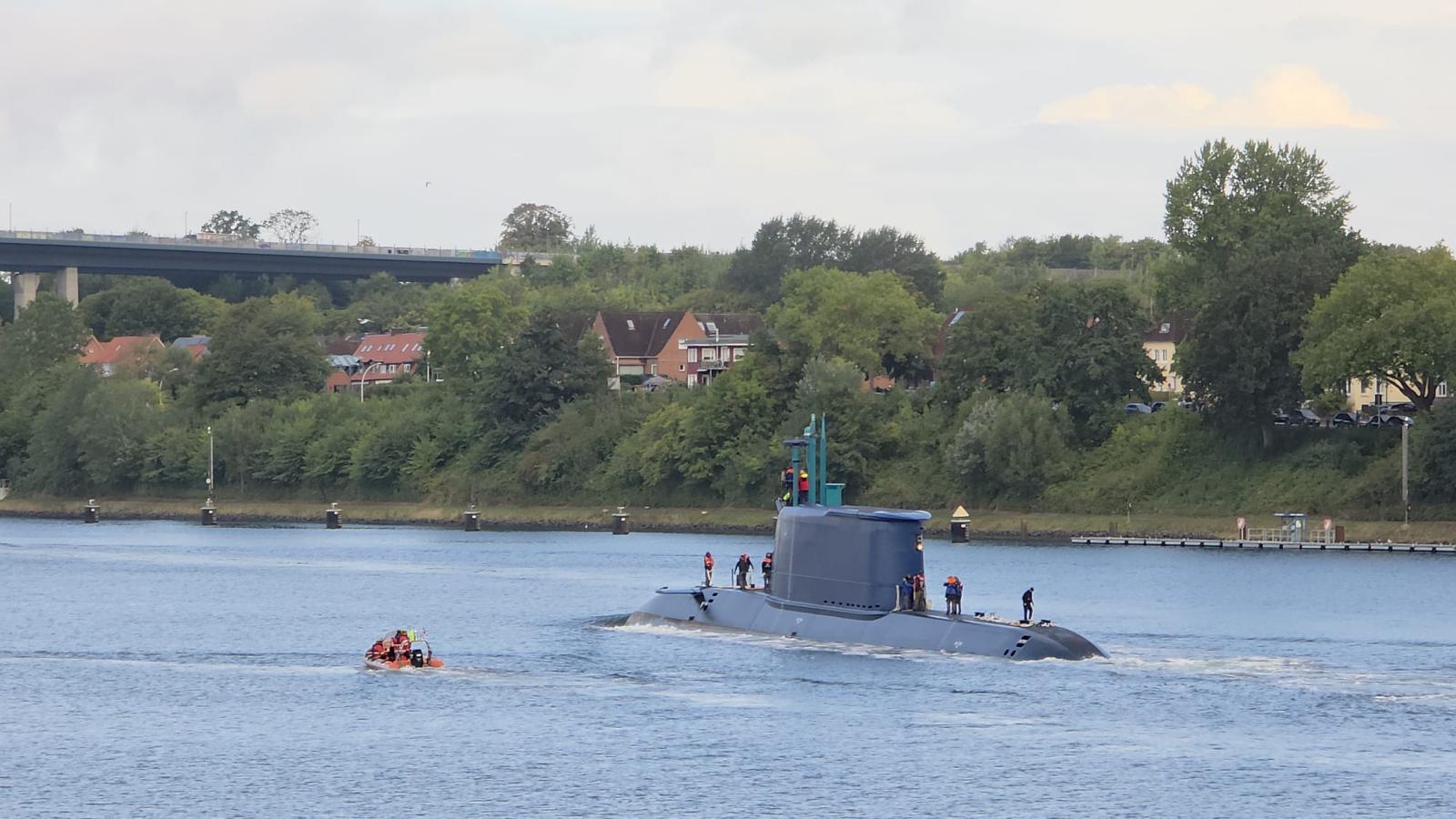
The Israeli Navy plans to multiply its naval fleet in the coming years to contend with a maritime arms race in the region and new threats at sea, The Times of Israel learned on Wednesday.
IDF Chief of Staff Lt. Gen. Eyal Zamir announced in March 2025 that the relatively modest-sized Israeli Navy would become a “long-range strategic arm [of the military], with defensive and offensive capabilities.”
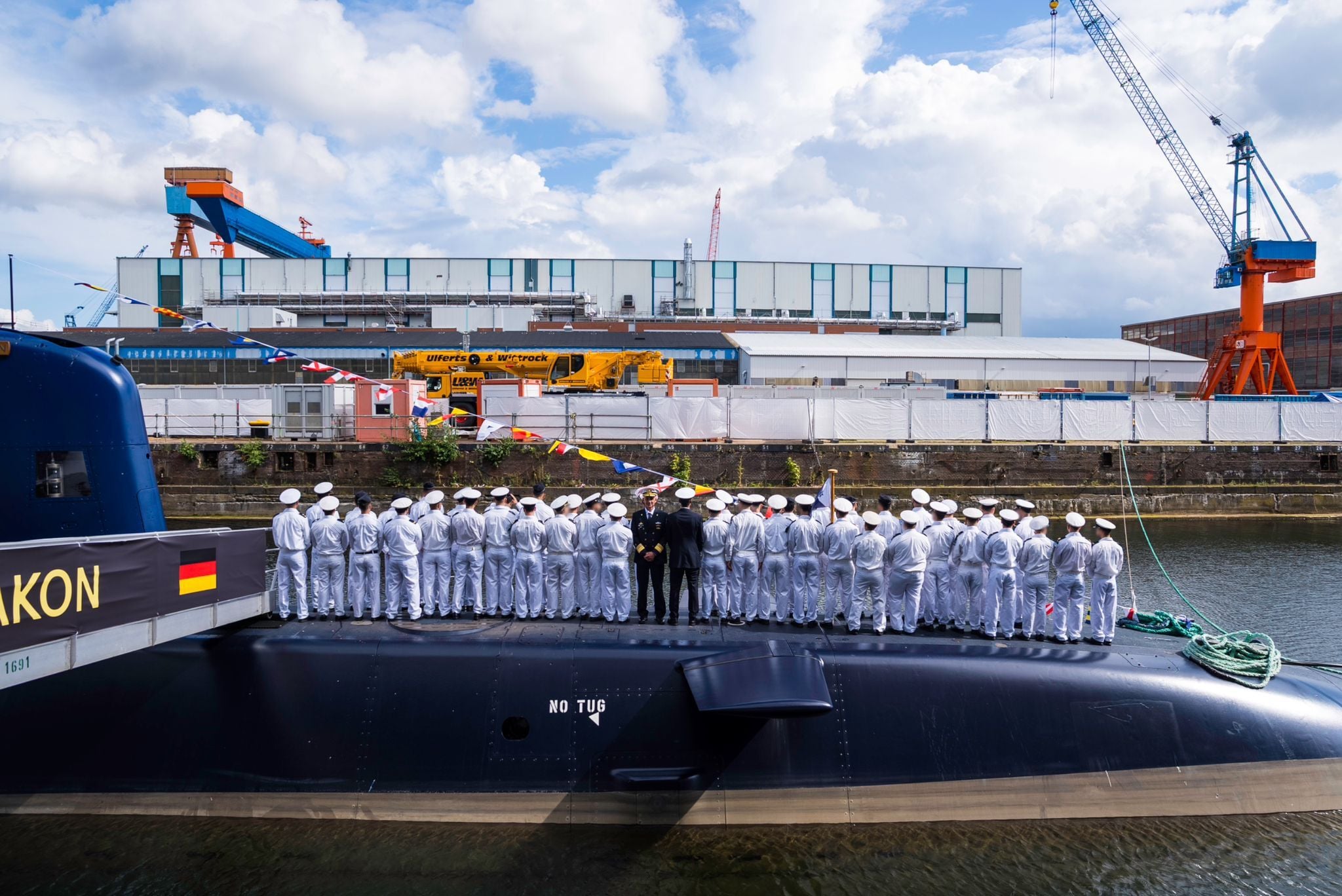
On Thursday, the Israeli Navy is set to recieve its sixth submarine, INS “Drakon” — or Dragon — following a 3,792-nautical mile (around 8,000 km) voyage of nearly a month from Thyssenkrupp Marine Systems’ shipyard in Kiel, Germany, and after around 12 years of planning, construction, and testing.
Navy officials said that the delivery of the INS Drakon was delayed by several months because Denmark and Norway prevented German contractor TKMS from conducting tests of the submarine in their deep waters, or using their ports in between tests. Instead, TKMS had to take INS Drakon further out into the North Sea, in international waters, to conduct the tests, and sail all the way back to Germany each time.
The move by Denmark and Norway also threatens to delay future projects by TKMS of naval vessels for Israel, the officials said.
On Thursday, the Navy will hold a ceremony at the Haifa Naval Base to receive the Dolphin 2-class submarine, coming in at 74 meters long and weighing a whopping 2,600 tons — the largest and heaviest submarine yet in Israel’s service.
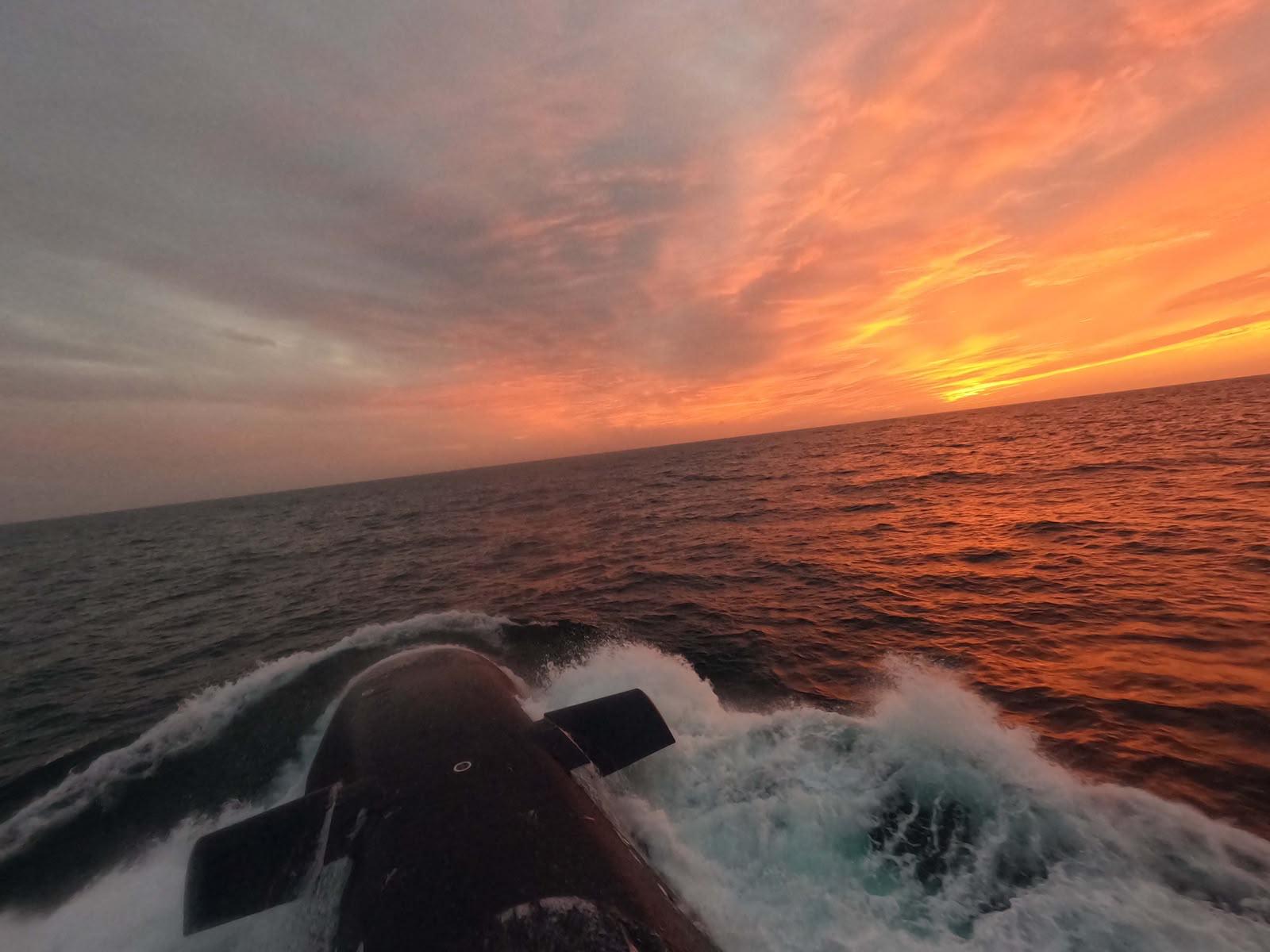
The military has said that INS Drakon is to be equipped with “innovative and advanced technologies that place Israel at the forefront of global military technology and will enhance the Israeli Navy’s operational flexibility for years to come.” The submarine, equipped with air-independent propulsion, enables its crew to operate for long periods at a time underwater without needing to surface for air, providing significant levels of stealth, according to military officials.
The installation of the Israeli systems inside the new submarine is expected to take two to three months, and only months later will it be declared operational, according to the Israel Defense Forces.
The submarine’s originally proposed name was Dakar, after an Israeli submarine that sank in 1968. Dragon is meant to be a compromise after some of the families of the fallen sailors from the original Dakar protested the proposal to recycle the name.
“Dakar” will instead be reserved for the name of the overall class of the Navy’s future submarines, which are set to replace the Navy’s three aging first-generation Dolphin-class vessels, in service since around 2000.
The first of three Dakar-class submarines is scheduled for delivery in 2031. The Dakar submarines are expected to be significantly larger than the INS Drakon, at 84 meters long and 3,800 tons.
The arrival of the INS Drakon comes as the Navy is seeking to massively increase its fleet in the coming years, after detecting that other countries bordering the Mediterranean — both allies and nations with strained ties — have significantly larger navies than Israel. Turkey, for example, currently has 14 active submarines and is expected to increase that number to 18 in the coming years, while neighboring Greece has nine.
In addition, the military has understood that it must have a stronger Navy to contend with new threats at sea, following developments in the past few years, and especially in recent months, in the straits of Hormuz and Bab el-Mandeb, where Iran and the Iran-backed Houthis have prevented freedom of movement in the Gulf and Red Sea, harming major shipping routes.
Navy officials said they fear the same harm to freedom of navigation and shipping could occur elsewhere, including in the Mediterranean.
To contend with those threats, in the next three to four years, the Navy is set to receive the first of five Reshef-class corvettes. These are due to replace the two oldest models of Israel’s Sa’ar 4.5-class missile boats, set to be retired after four decades. In practice, this means that the Navy is increasing the number of small missile boats in its fleet.










The Times of Israel Community.