

‘The problem is with Israel, not us’: Sharaa says Oct. 7 shouldn’t dictate Israeli policy on Syria
Ahead of his UN speech, Syrian leader stresses IDF must withdraw to 1974 demarcation lines in order to forge an initial security pact before any peace talks can take place
 Add ToI as a Preferred Source on Google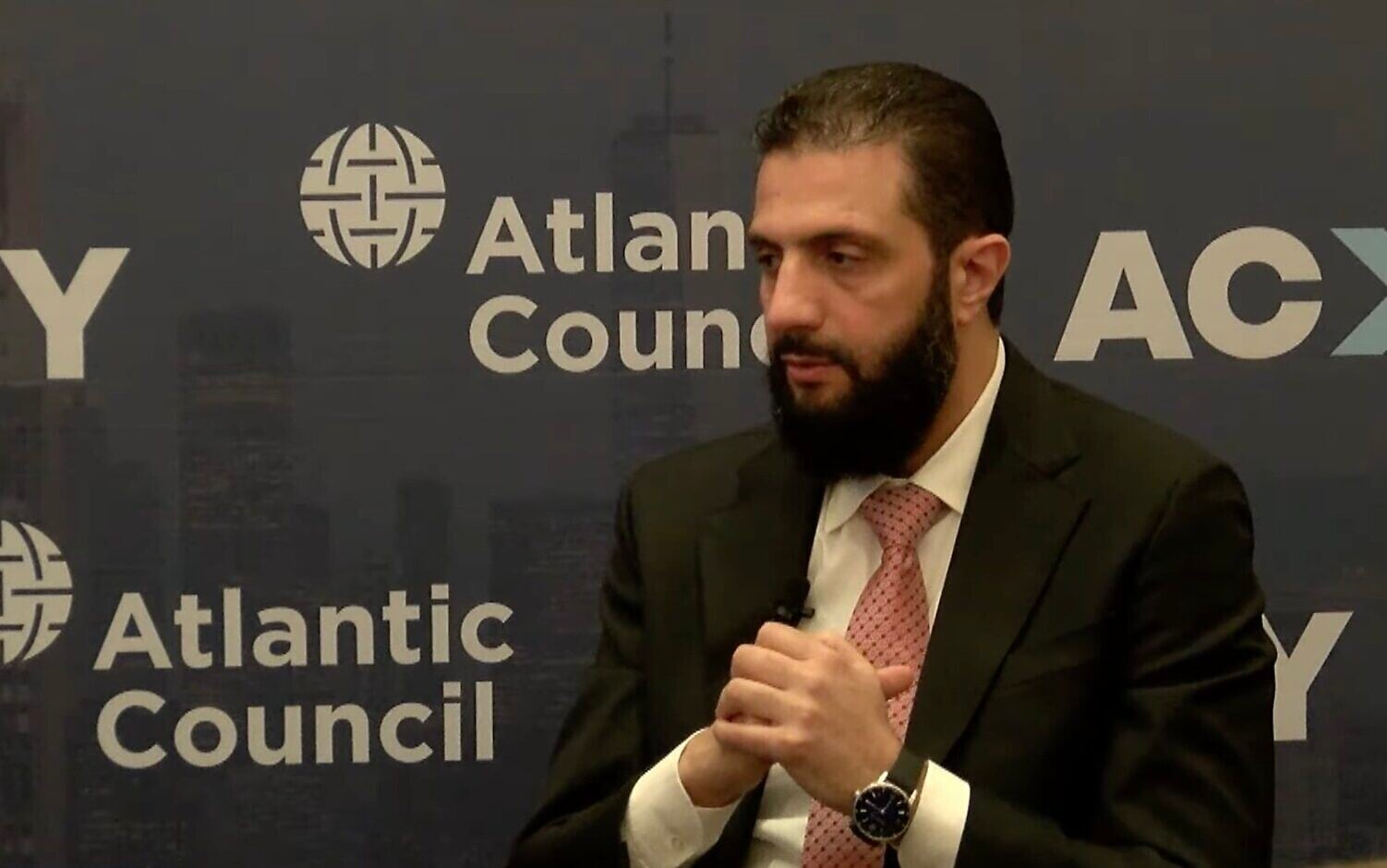
Syria’s President Ahmed al-Sharaa said Tuesday that an Israeli withdrawal from a self-declared security zone in Syrian territory is a necessary first step before talks can be held on reaching agreements between the two countries, while also indicating that “lasting peace” can be achieved.
Hours before his scheduled Wednesday morning speech at the UN General Assembly, Sharaa was asked during an appearance in New York City whether he can envision his country having diplomatic relations with Israel, and whether Damascus is demanding the return of the Golan Heights as a precondition to establishing ties.
Sharaa noted to the Atlantic Council that the countries already held direct talks in the past year, and said Israel must first withdraw from areas in southern Syria it occupied after the fall of the Assad regime in December 2024.
“Then we get into discussions on security arrangements. If those arrangements succeed, then we can get into lasting peace,” he continued, according to a translation of his remarks provided by the Atlantic Council. “The Golan Heights is Syrian territory under recognition of the United Nations… So there is no discussion.”
There is, he said, currently a “historic moment that can be useful for all parties.”
Sharaa was later asked whether he understands the concerns of Israelis after the October 7, 2023, terror onslaught by Hamas, and what message he has for the Israeli public.
“I understand what happened on October 7 for some of the innocent people, but at the same time, it’s not possible that all policies are based on an incident that happened,” he said. “At the same time, we need to understand what happened in Gaza, and more than 70,000 people have been killed there.”
“It’s not appropriate that what happened on October 7 set the policy for Syria,” added Sharaa, who led a jihadist group formerly affiliated with the terror group al-Qaeda before taking power. “Israel needs to change its policy because it is creating problems around it.”
“I believe the problem is with Israel, not with Syria.”
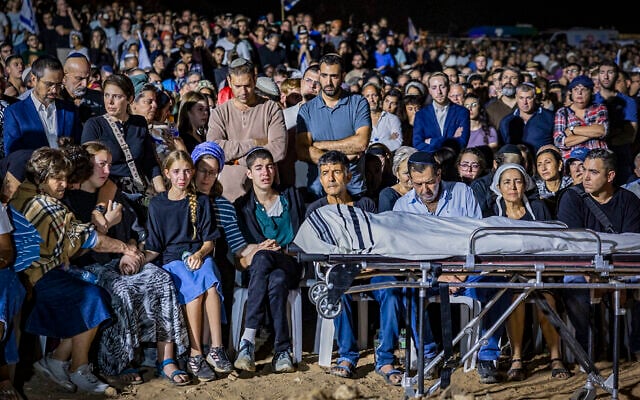
Israel, which initially blasted Sharaa as a terrorist but now holds direct talks with his administration, has described its operations in Syria as necessary to prevent terror groups from invading northern Israel as Hamas did in the south, from Gaza, on October 7, 2023, in an attack that killed 1,200 people, mostly civilians, and triggered a war in the Gaza Strip.
Sharaa is in New York for the UN General Assembly and is scheduled to be the first speaker in the Wednesday morning session.
Earlier this year, Sharaa said during an interview that his country was working toward a security agreement with Israel, which he said could eventually pave the way for comprehensive peace between the two neighbors.
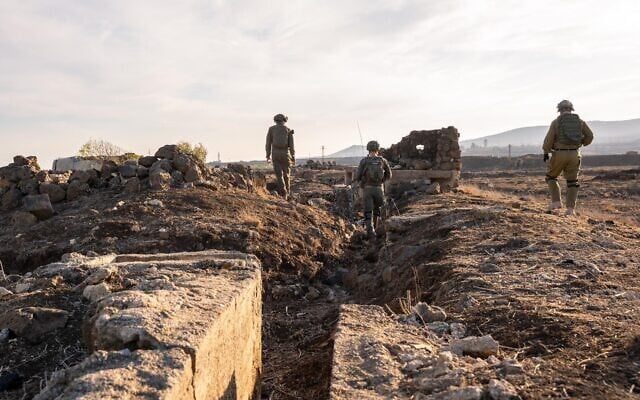
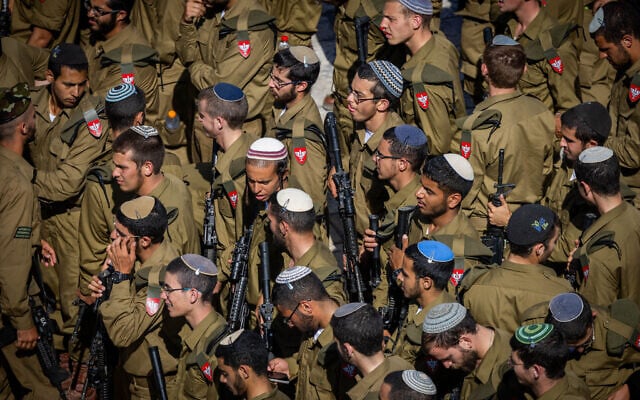
Israeli troops entered a UN-patrolled buffer zone after the collapse of Bashar al-Assad’s government in December 2024, a move Israel described as temporary and necessary to secure its border during the political transition.
Israel has since carried out hundreds of strikes on Syrian military infrastructure and seized new positions deeper into Syria. The Syrian government and the United Nations have said the deployment violates Syrian sovereignty and a 1974 disengagement agreement that followed the 1973 Yom Kippur War.




The Times of Israel Community.