

A month from elections, UN speech is an opportunity for Netanyahu. But Trump isn’t helping him
PM is facing a challenging political mood back home, and can count on headlines from Thursday’s address. What he really wants is a Trump meeting, but the US president is staying away

 Add ToI as a Preferred Source on Google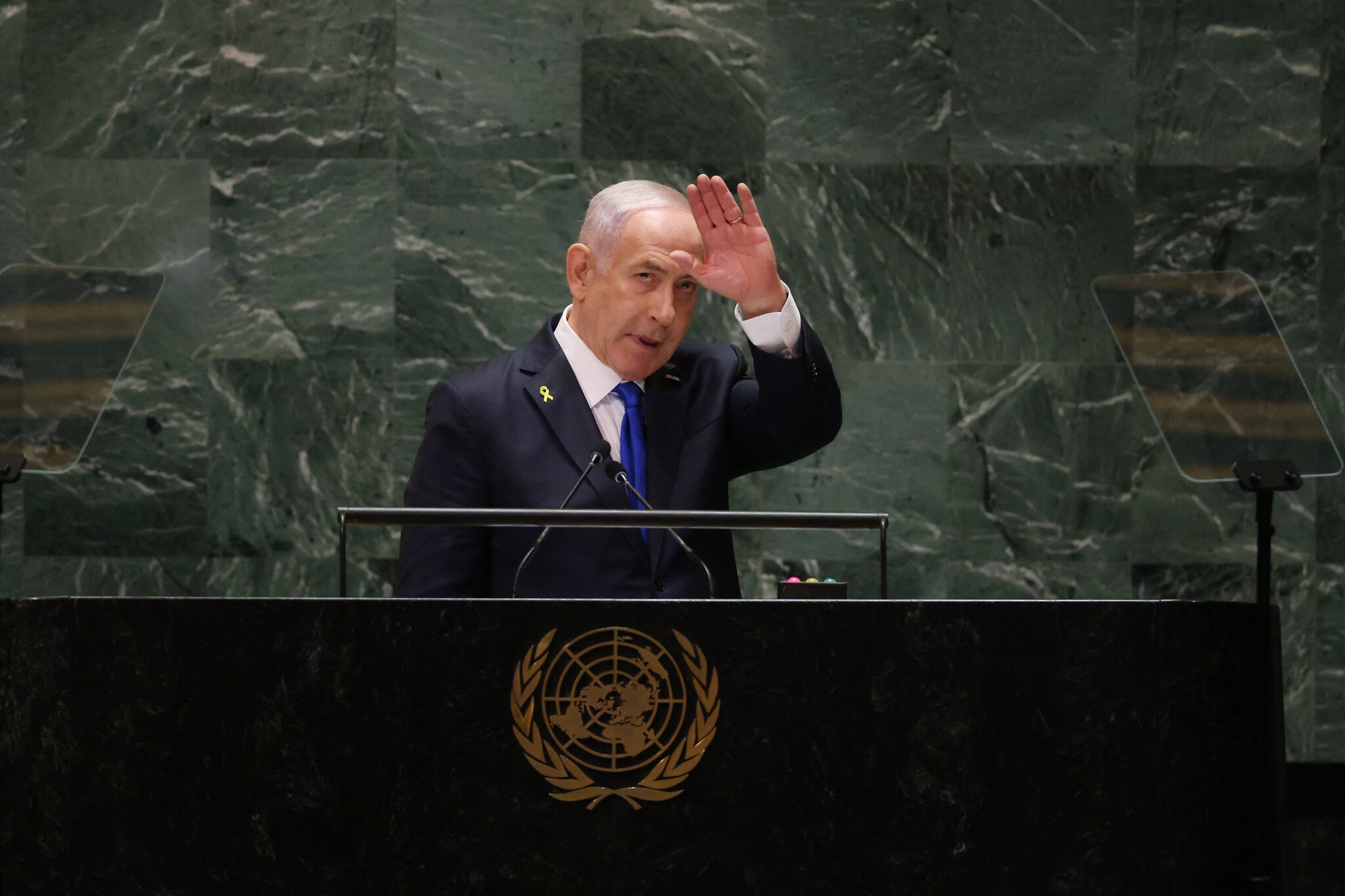
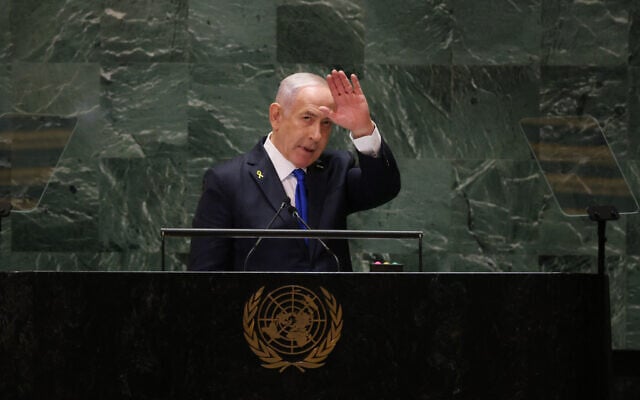
Prime Minister Benjamin Netanyahu will be delivering what could be his final address on the floor of the United Nations when he takes to the podium in Turtle Bay on Thursday.
Elections will take place little more than a month after his speech, and according to the latest poll from The Times of Israel’s Hebrew sister site, Zman Yisrael, Netanyahu’s bloc is falling well short of the 61 seats he needs to form another government.
If anyone can pull a victory out of thin air in a challenging political environment, however, it’s Netanyahu. And if anyone can deliver a memorable address, it’s the same orator, a veteran of 14 UN General Assembly speeches.
At home, the prime minister is facing significant voter anger over his failure to prevent the October 7, 2023, attacks, his refusal to establish a state commission of inquiry into the disaster, his outgoing coalition’s insistent refusal to enlist Haredim, and a growing extremist strain in society.
There are not many opportunities left for Netanyahu to capture headlines — and potentially move crucial votes — in Israel. Although the prime minister will focus on pressing national security issues of interest to world leaders on Thursday, his foremost audience, therefore, will be Israeli voters watching short highlights and skimming the front page back home.
New York nemesis
For starters, Netanyahu already has a useful foil.
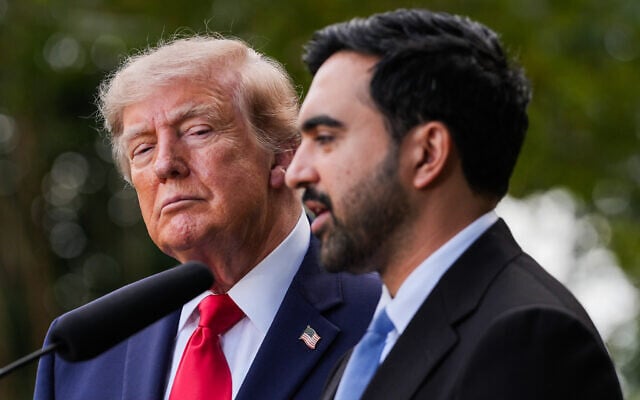
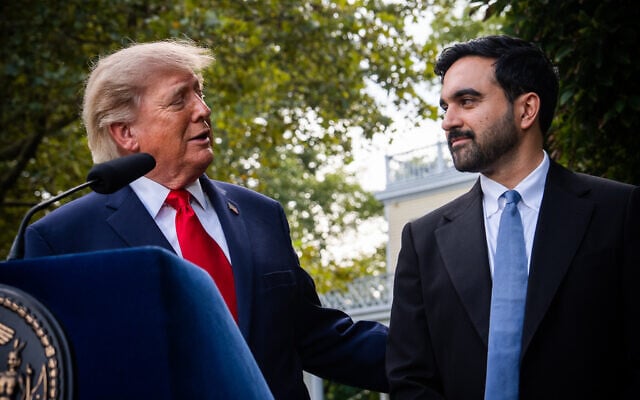
On Tuesday, Netanyahu released a video laying into New York City Mayor Zohran Mamdani, who, having threatened to arrest him, has himself been making headlines off of Netanyahu by accusing him of genocide.
“Shame on you, Mr. Mamdani,” Netanyahu said. “Shame on you for supporting the Hamas terrorist monsters who butchered our people. Shame on you for inciting riots against New York Jews.”
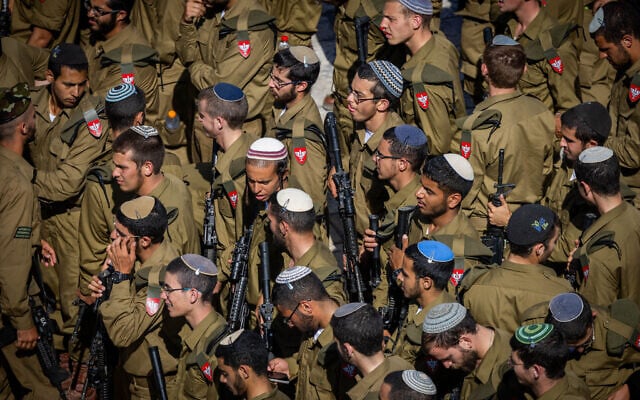
“I am coming to the UN,” Netanyahu declared. “I’m going to tell the truth about our heroic soldiers. And I’m going to tell the truth about you.”
But Netanyahu will seek to do more than attack a mayor already broadly despised in Israel.
Mr. Security?
He has to convince voters that the same leader who was in office during the October 7, 2023, Hamas invasion and massacre, and who subsequently oversaw three decidedly inconclusive campaigns in the Gaza Strip, Lebanon and Iran, is best qualified to keep Israel safe for the next four years.
On Gaza, Netanyahu will likely point out that the IDF controls over 60% of the Strip, stress that Hamas brigade commanders continue to be eliminated (though the terrorist organization no longer has a brigade-and-battalion military structure), and pledge that Hamas will be disarmed, either by giving in or by force. To date, he hasn’t explained how that will happen, and isn’t about to do that on Thursday.
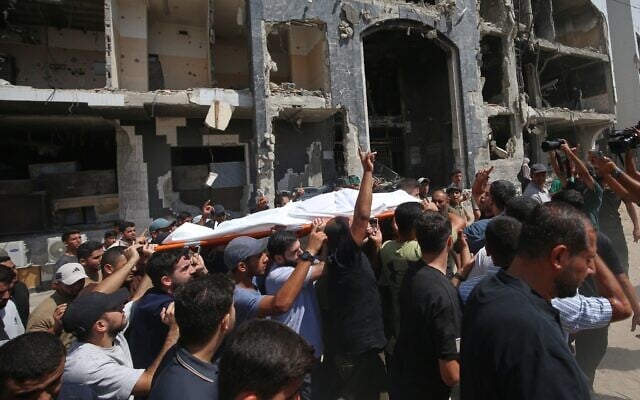
As he has done in recent messages, Netanyahu will also probably stress that he was able to get all hostages out of Gaza, leaving out the fact that over 40 of them were kidnapped alive and killed or murdered in captivity.
On Lebanon, Netanyahu can be expected to take a similar tack — stressing how badly Hezbollah has been weakened, and that the IDF is firmly entrenched inside enemy territory and continues to make gains against the terrorist group.
Here, too, however, there is little room to explain exactly how Israel’s northern enemy is meant to be disarmed. There is a staged plan underway in which the Lebanese Armed Forces are supposed to gradually take over areas of southern Lebanon that the IDF withdraws from, while ensuring that Hezbollah is not maintaining military personnel or infrastructure there. But that falls far short of actually getting Hezbollah to give up its arms, and Netanyahu isn’t about to commit the IDF to that task.
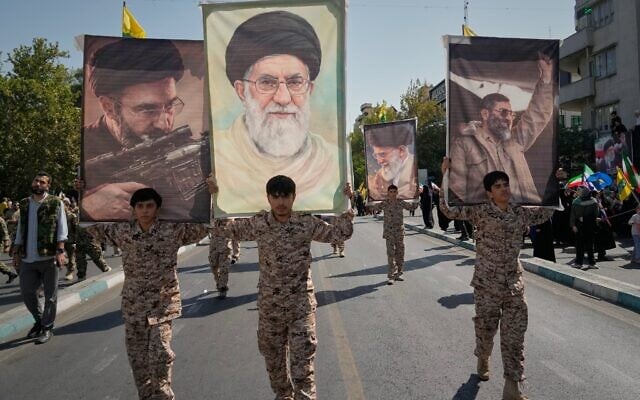
Netanyahu will have to spin the unsatisfactory result in Iran as a victory, as well.
There is no question that the Islamic Republic is far weaker militarily and economically than it was before the two campaigns Netanyahu and US President Donald Trump fought together against it.
Even though the blockade Trump has settled into is hurting Tehran badly, there is nothing to indicate that the country’s new leadership is about to make concessions on the Strait of Hormuz, much less its nuclear program, which is of far more interest to Israel.
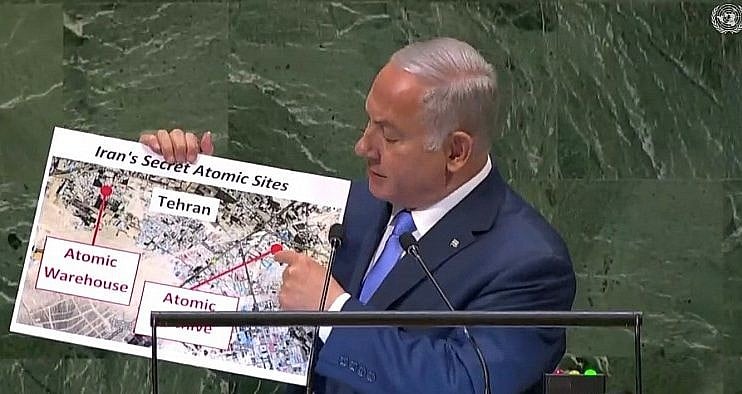
Netanyahu will try to affect Trump’s calculations there.
According to Channel 12, Netanyahu will unveil new information on Iran’s nuclear program and its efforts to rebuild its capabilities — and will break out some of his signature infographics as well.
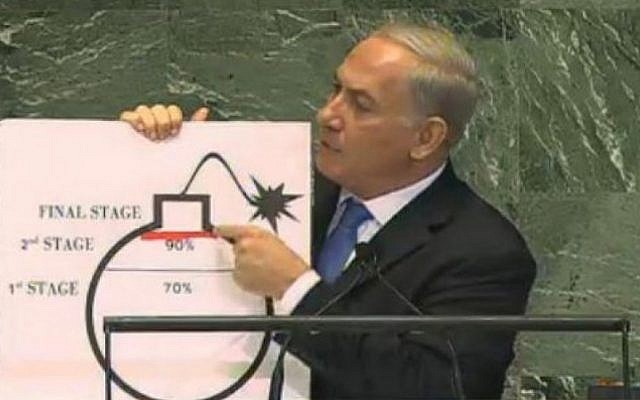
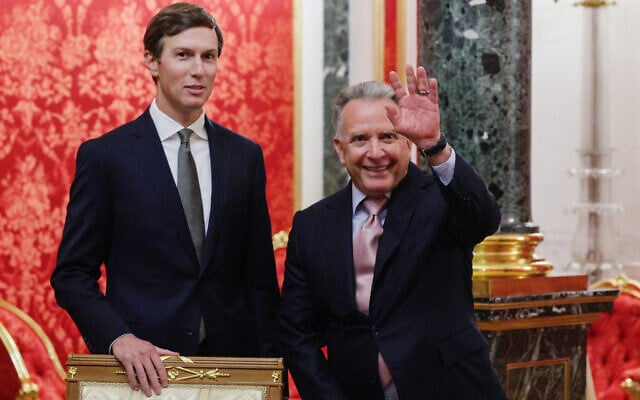
But with Trump facing his own election headache in the US midterms, the president does not seem set to order an imminent return to intensive bombing. Quite the opposite. His top envoys Jared Kushner and Steve Witkoff — both perfectly comfortable with giving eye-opening concessions to adversaries for the sake of a deal — held talks with Iranian officials on Tuesday.
Trump also predicted in his General Assembly address on Tuesday that he will make a deal with Iran after the midterm elections, though it’s not at all clear what one has to do with the other.
Iran’s position isn’t about to change based on US elections. It has said repeatedly that the only deal it would accept is one that formally recognizes Iranian control over Hormuz, and that it isn’t willing to even discuss its nuclear program.
If Trump is willing to cave after midterms, then perhaps a deal could be reached. But it makes no sense for him to do so after elections, and not before, when his party has already taken the electoral hit for high gas prices.
No coveted one-on-one
What the US president is manifestly not eager for, however, is a meeting with Netanyahu. There is no doubt that the prime minister’s office tried to arrange for one during Netanyahu’s trip to the US, but the president was apparently unwilling to make it happen — gallingly in the same week that he did meet with Mamdani. Notably, Trump has thus far proved unwilling to endorse Netanyahu for another term. (Shortly after this article was published, Trump posted a week-old story about an election poll that put Netanyahu’s bloc slightly ahead of the rival bloc — though still far short of a majority — but still avoided explicitly endorsing him.)
A Trump-Netanyahu sit-down would have been of great importance as Israel tries to ensure its interests are protected in Iran, Lebanon and Gaza, and that the administration remains focused on deepening ties between Israel and the US’s Middle Eastern allies as they come under attack from Iran.
It would also have been exactly what Netanyahu needs as Israel enters the final month before the October 27 election. As frustrated as Israelis are with Trump’s about-face on Iran, they still recognize his centrality to their security, and want a prime minister that has his ear.
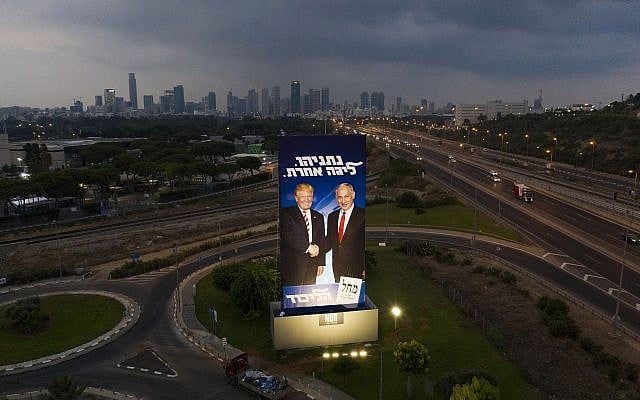
In past elections, Netanyahu used his relationship with Trump (and awkwardly, Russia’s Vladimir Putin) to argue that he was “in another league” compared to his challengers. A Trump meeting at the UN would have helped him reassert that argument, especially against Gadi Eisenkot, his leading challenger.
As of this writing, it doesn’t seem that Netanyahu will have any high-level meetings at all in New York. In past years, he spent a couple of days before and after his speech meeting with world leaders. Now, after four years of letting far-right coalition partners tear down what was left of Israel’s reputation — and no small dose of scapegoating by Western governments trying to curry favor with their domestic anti-Israel activists — Netanyahu’s schedule has him landing in New York right before his speech and heading back to his plane almost as soon as he’s done.
And when he lands back in Israel, he will have four weeks left before the electorate gives its verdict on October 7, the subsequent wars, and the direction of the country he has led for so long.



The Times of Israel Community.