 Add ToI as a Preferred Source on Google
Next time you find yourself preparing a colorful salad, spare a thought for the painstaking work that has gone into developing many of the vegetables on your cutting board.
Wherever you live in the world, some of the veggies may be from innovative varieties developed by southern Israel’s Hazera seed company, one of the oldest such agricultural companies still operating in the country.
Hazera’s vegetable varieties can take seven to 20 years to research, produce, and trial before their seeds are released to commercial growers. They are meticulously tweaked to meet the ever-shifting demands of markets and consumers, and a changing climate that means rising temperatures, an uptick in pests, and more and longer extreme events such as drought, intense storms, and flooding — sometimes one after the other in the same location.
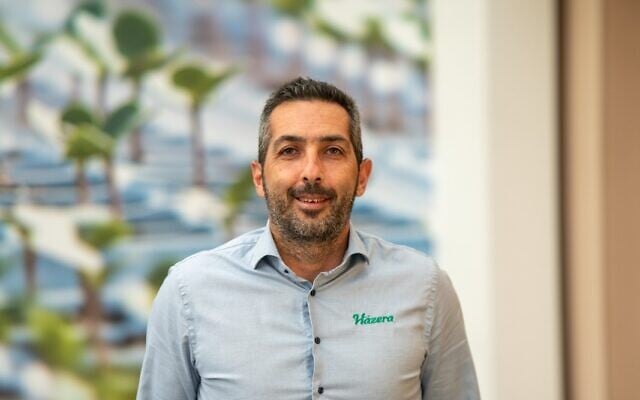
“We want to ensure the continuation of farming and give farmers a reason to get up in the mornings to grow varieties that are tasty and nutritious and will contribute to the food security of the whole world,” said Dudu Dahan, head of Hazera’s brand and marketing communications.
What’s in a tomato?
Founded in 1939 by Tzadok (Češek) Rosenthal of Kibbutz Gan Shmuel and the Vegetable Growers Organization, Hazera has developed seeds for 1,300 vegetable varieties. The high-yield Galia melon was launched in 1978. In 1992, the company rolled out Daniela, the world’s first tomato with long shelf life, extending freshness from days to two weeks. This enabled global transport and put the company on the international map.
Other successes include the first mini seedless watermelon, pointed cabbages, and red Brussels sprouts.
Hazera was incrementally acquired by the French company Limagrain between 2003 and 2008.
Today, as Israel’s largest vegetable seed company, Hazera employs 1,000 people globally and markets seeds for 25 crops to 130 countries.
A recent Times of Israel tour of Hazera’s extensive R&D center in Brurim, on the southern coastal plain, began with a tomato-tasting session — not surprising, given that this is the company’s flagship vegetable, with seeds developed for an astonishing 330 varieties.
“Just take Turkey,” said Dahan. “We have five different regions in Turkey, and each has a set of varieties suited to it. In the United States, you have varieties for the East and West coasts.”
Cultural preferences were also factored in, he went on. “The Italians want a specific color of red for their tomatoes. In Russia, Poland, Central Asia and China, they want it pink.”
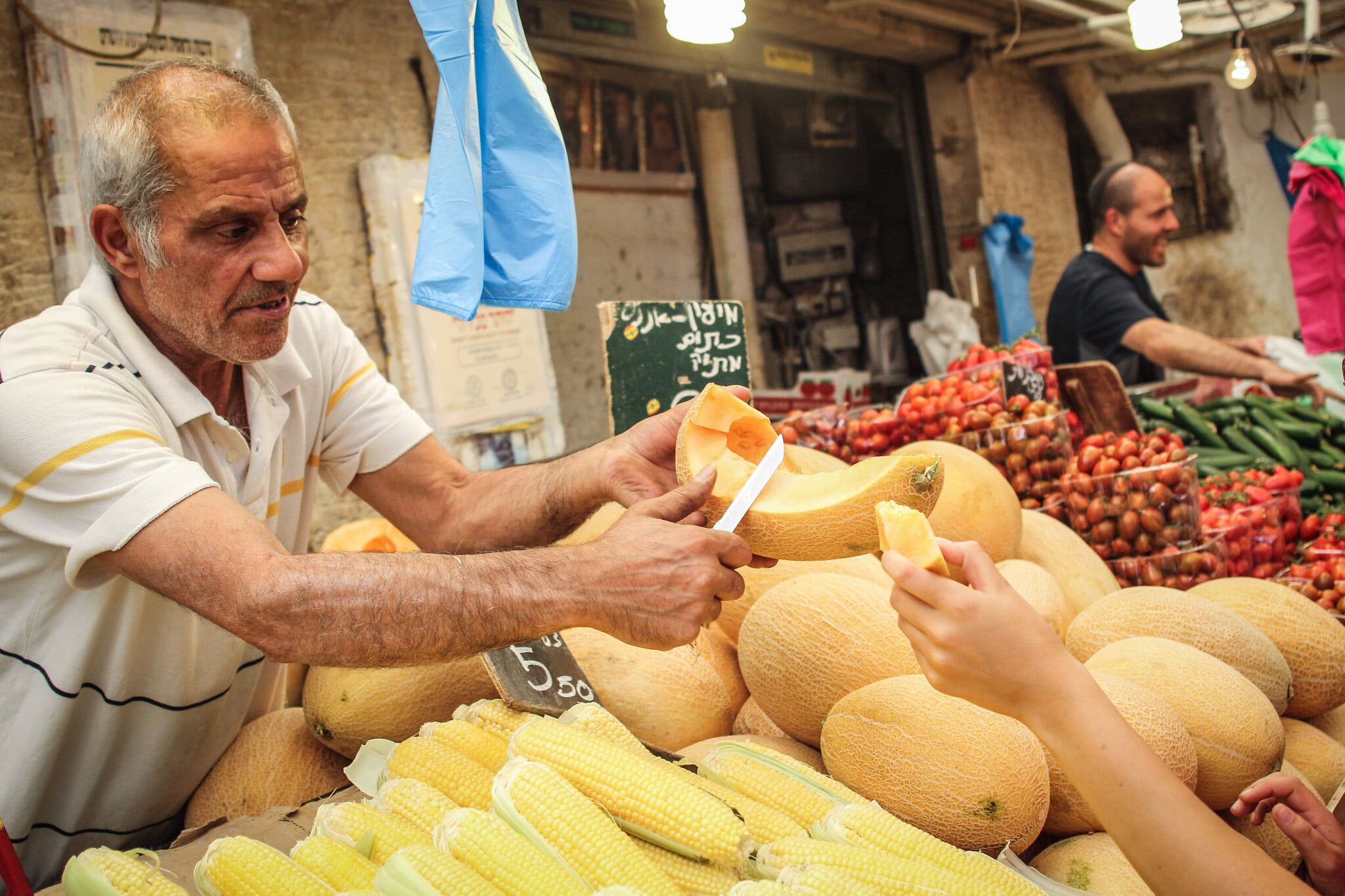
The cucumber story is similar. Israelis like their cucumbers short; Hazera was one of the first in the world to develop them. By contrast, North Americans and Europeans prefer the long variety, while the Chinese opt for a slim, long, dark green cultivar for stir-frying. Hazera produces seeds for all three.
Moving with the times
“Global warming is one of the big global challenges we are facing,” explained Dahan. “We have [developed] more compact plants that can grow faster with less water.”
Resistance to disease is being built into varieties in response to both climate change and the need to be more sustainable and use fewer harmful chemicals.
According to Dahan, Hazera was one of the first to develop a tomato that is resistant to tomato brown rugose fruit virus (ToBRFV), a Tobamovirus that originated in the Middle East and spread globally, causing havoc for tomato farmers.
“We took wild tomatoes from Peru, identified the genetics, and hybridized them with our tomatoes to achieve the resistance while maintaining shelf life and uniformity,” Dahan said.
The company’s yellow Insignia pepper is one of the first on the market to resist an aggressive fungal disease called Leveillula taurica. The variety is now the leader for early-season production in Spain, allowing growers to achieve high yields and provide fresh produce to northern Europe during the winter months.
Some of Hazera’s vegetables offer specific health benefits. Its orange Zohar pepper, grown mainly in the Arava desert in southern Israel and sold both in Israel and overseas under the brand name Sharp, has been found to contain high levels of zeaxanthin. This helps reduce the risk of age-related macular degeneration, and Hazera is working to label it as such on the shelves.
A decline in agricultural laborers as the world becomes more urbanized and industrialized has created a situation where “growers are becoming a rarer breed,” Dahan said. The company, he said, developed a special line of tomatoes that not only have a long shelf life, but can stay on the plant after ripening and only need picking once every week or two. This, he explained, reduces labor needs by 50% and cuts waste by 30%, while giving the grower a longer window to market the produce.
Years of testing and trials
Maggie, a round, medium-sized tomato aimed at the gourmet market, packs the aroma and sweet flavor of a cherry tomato and has a long shelf life. Maggie took 10 years to develop, while the Whitney red, a plum-shaped cherry tomato, took eight. Development can take up to 20 years for vegetables such as onions, leeks, and cabbages, which flower and set seed only once every two years.
That’s because each new variety, regardless of the vegetable, goes through hundreds of loops of tests and trials before it sees the commercial light of day.
The work brings together geneticists, data analysts, agronomists, plant pathologists, cell biologists and breeders. Trials are conducted on site and in any one of 13 stations overseas, and are later sent to Israeli farmers and growers working under different conditions worldwide.
Whenever the company introduces a new trait, such as resistance to a particular pest, it must ensure it doesn’t compromise other qualities, such as yield or quality.
High-tech veg
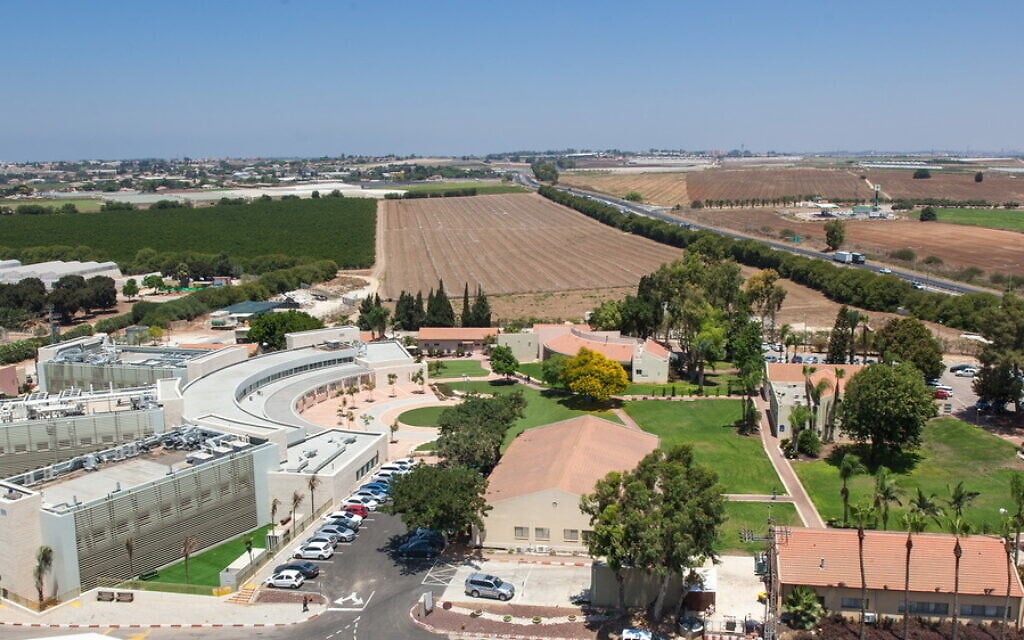
The Hazera campus looks more like a high-tech complex with its computer terminals, clean desks and sparkling floors. Indeed, most of the work is data- and AI-driven.
For each new variety, the cycle often begins with a product manager’s request for a vegetable with a particular trait.
The geneticists identify the genes that determine that trait. Then the breeders cross and re-cross varieties until they hit on the ideal combination.
“Once it’s ready and has been tested hundreds of times, we’ve got grower feedback, and we are certain that it has added value for the grower, only then will we launch it commercially,” said Dahan.
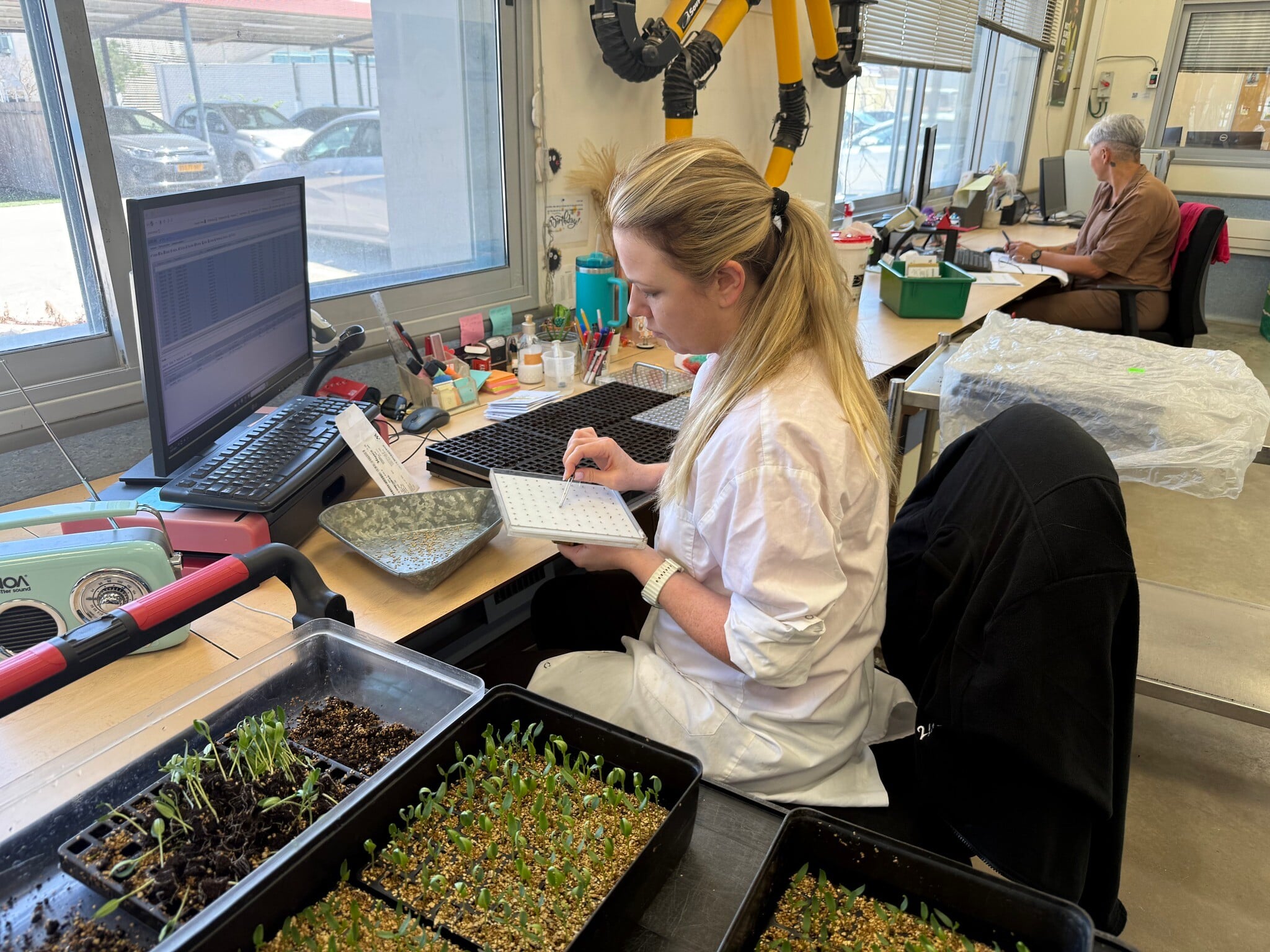
Seeds are cleaned and prepared at factories in Sderot and Holland (Hazera merged with Dutch firm Nickerson-Zwaan in 2014 to become Hazera Seeds). They are then germinated at Brurim, where the real magic takes place.
The plants are grown either in greenhouses or outside depending on the variety and the market.
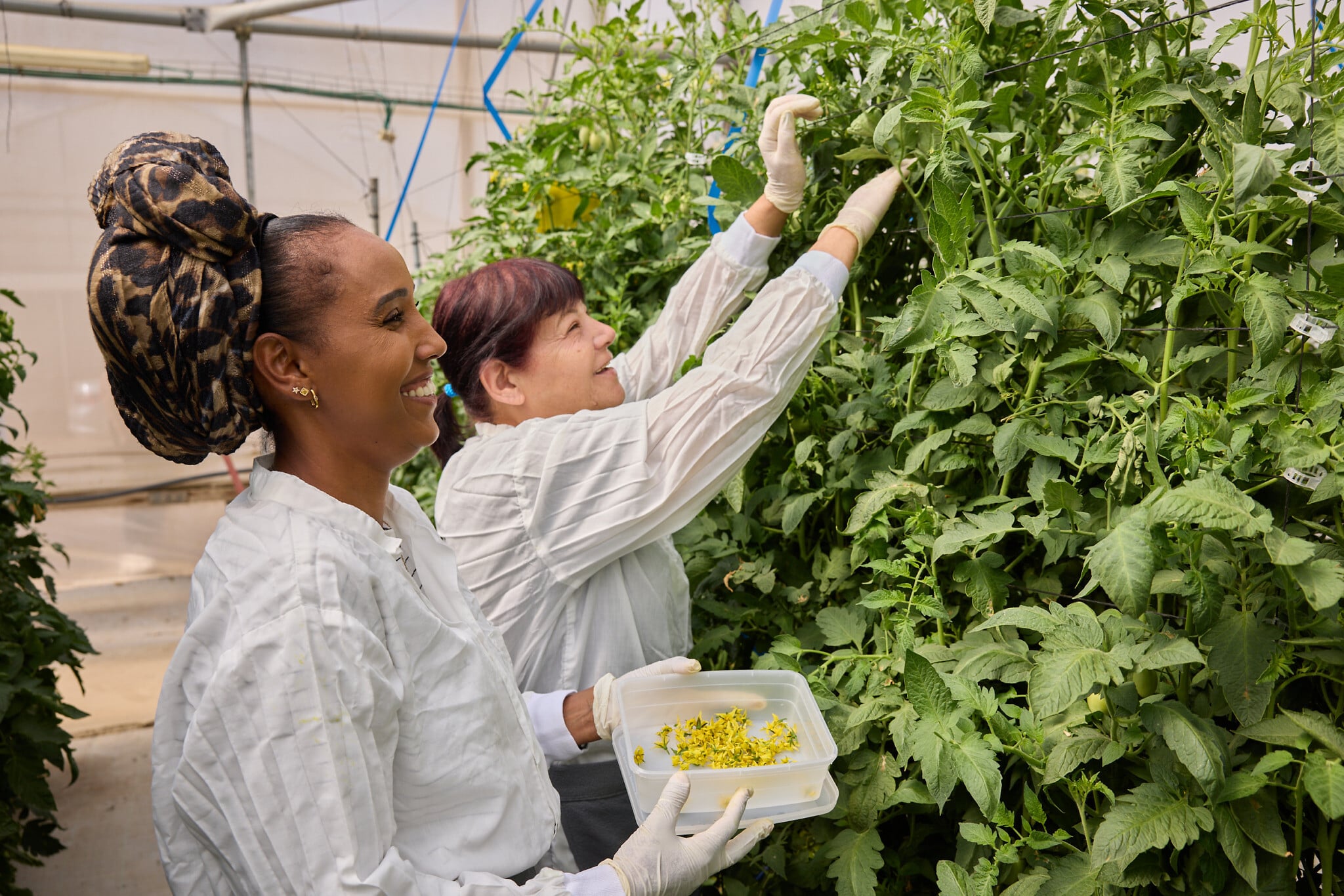
Workers carefully remove pollen (male) and transfer it by hand to the stigmas (female) of other plants to create a hybrid with the desired characteristics.
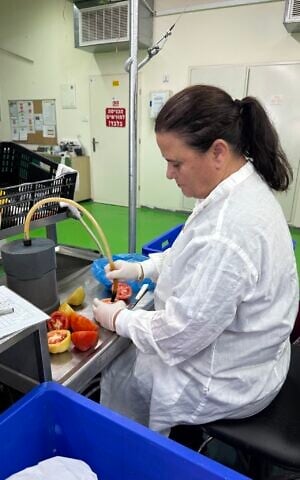
Workers remove the seeds from the resulting fruits by suction, clean them, disinfect them, dry them, and analyze their DNA.
They are then germinated again, and the cycle begins anew.
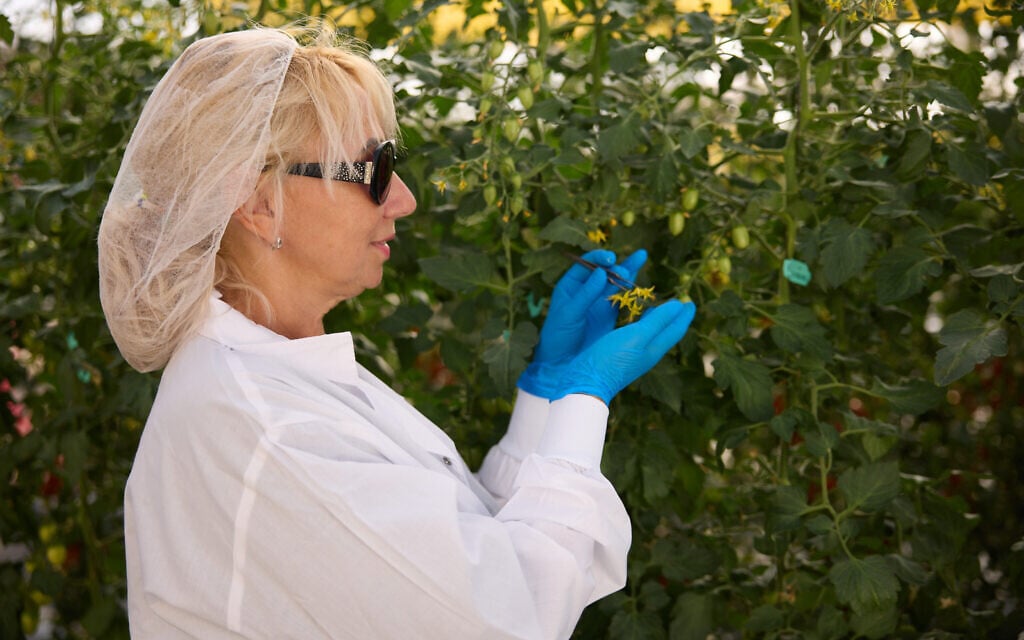
“We’ll decide whether we need a lower or higher plant, a straighter cucumber, or larger clusters. There are many variables,” said Dahan.
When a variety nears the commercial stage, it undergoes a battery of tests, starting with DNA and health checks, and germination.
A successful variety must perform consistently across seasons and conditions, and both sprout and grow uniformly.
Vegetables undergo a full-body physical exam, with computers calculating weight, proportions, color, shelf life, and more. During this reporter’s visit, an automated prodding machine checked cucumbers for firmness and density, while a melon was analyzed for glucose, fructose, acidity, and pH to determine taste.
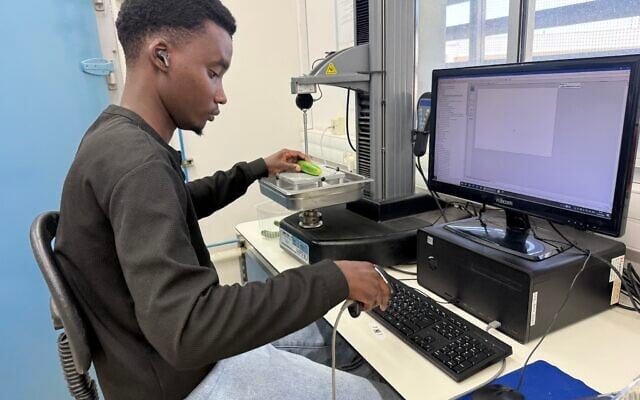
Like seedlings, vegetables are expected to be uniform in size for efficient packing.
“We’re breeding cauliflowers with enough of a stem to be harvested mechanically,” said Dahan. “With watermelons, we are breeding for the size of the box that the watermelons are packed in. You can have six or eight in a box. The size has to fit.”

The Times of Israel Community.