

Making room for Haredim, army struggles to not impinge on others’ space
The IDF has introduced sweeping accommodations for ultra-Orthodox troops, but tensions are highlighted by disputes over women and religious standards; experts say building trust remains key

 Add ToI as a Preferred Source on Google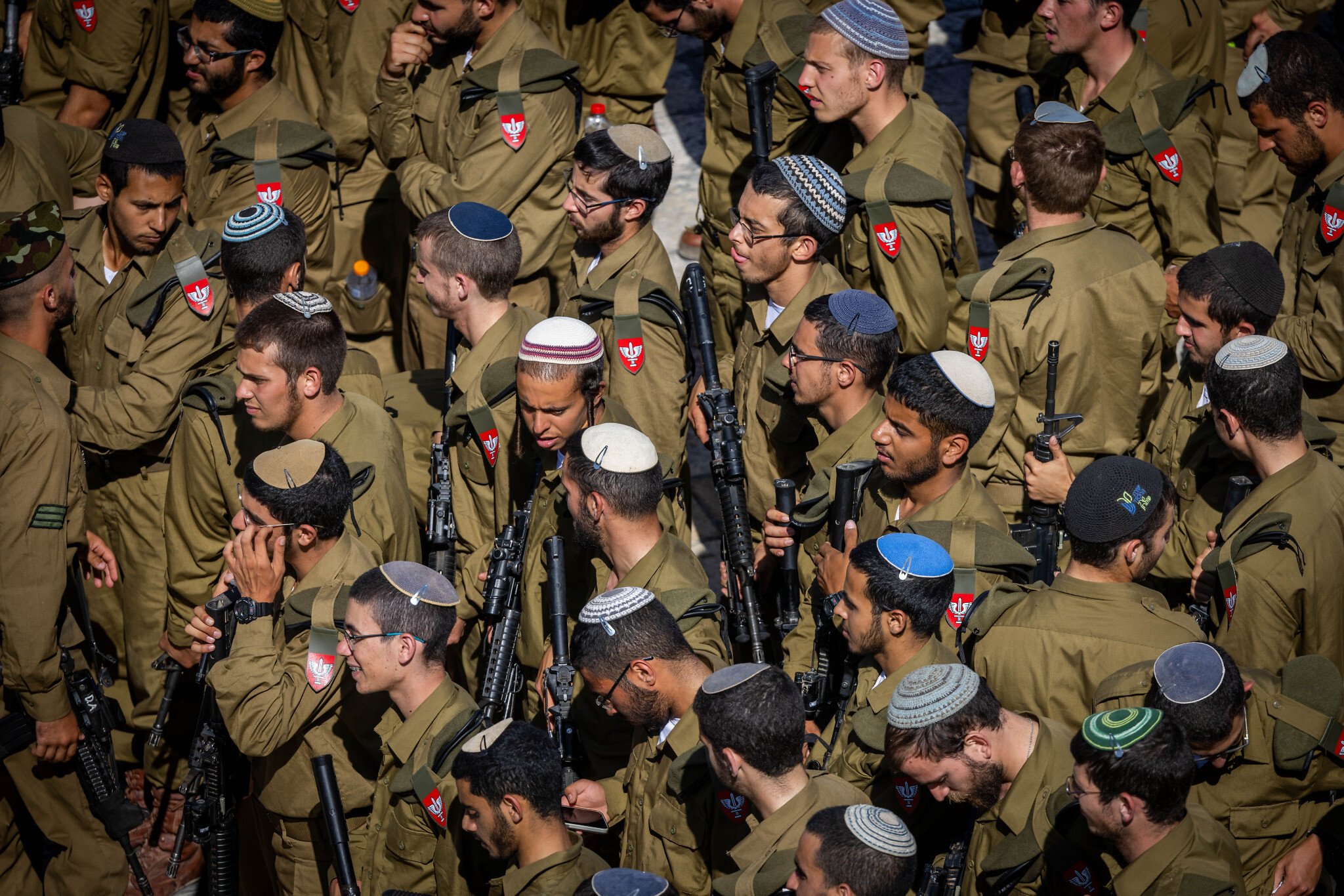
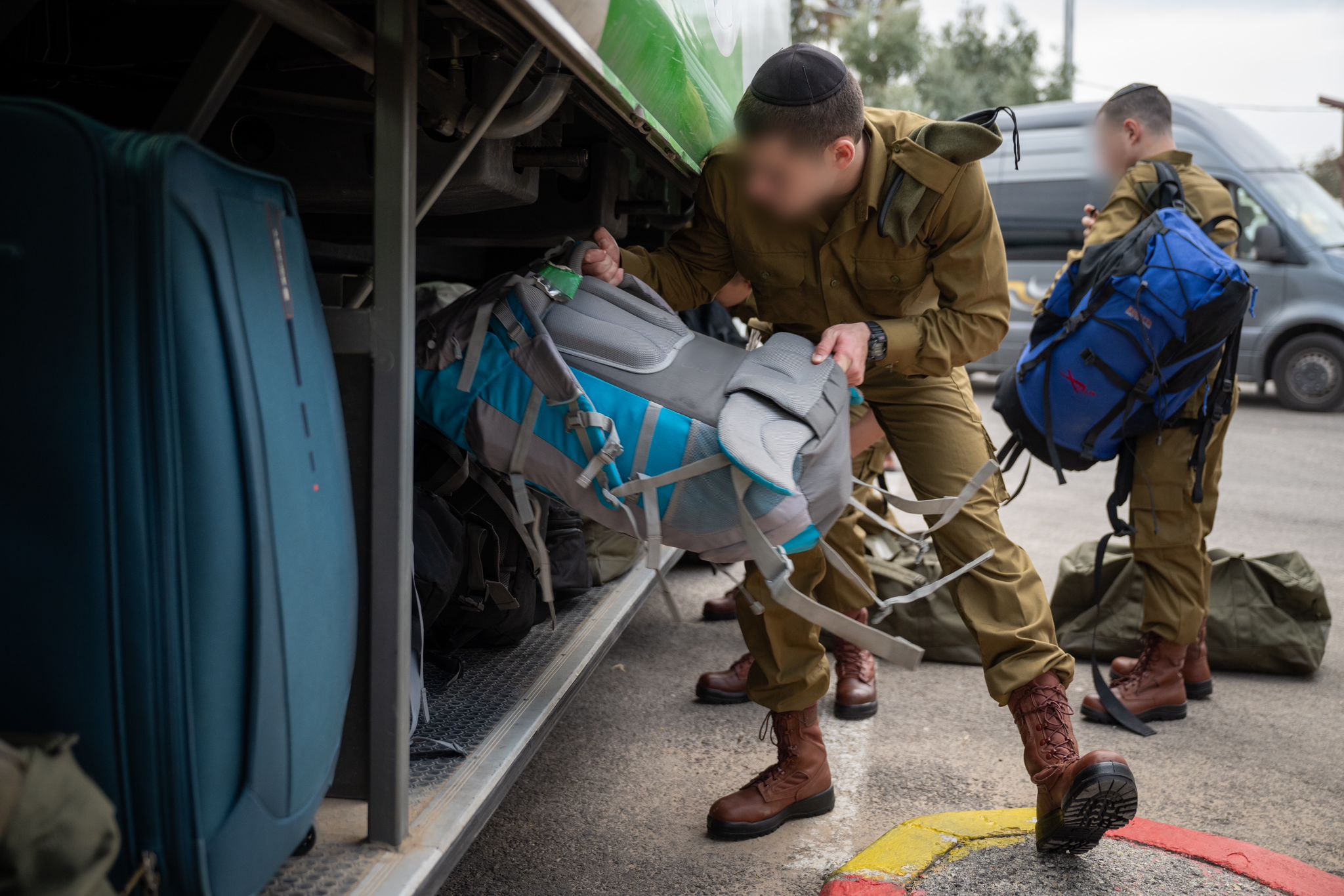
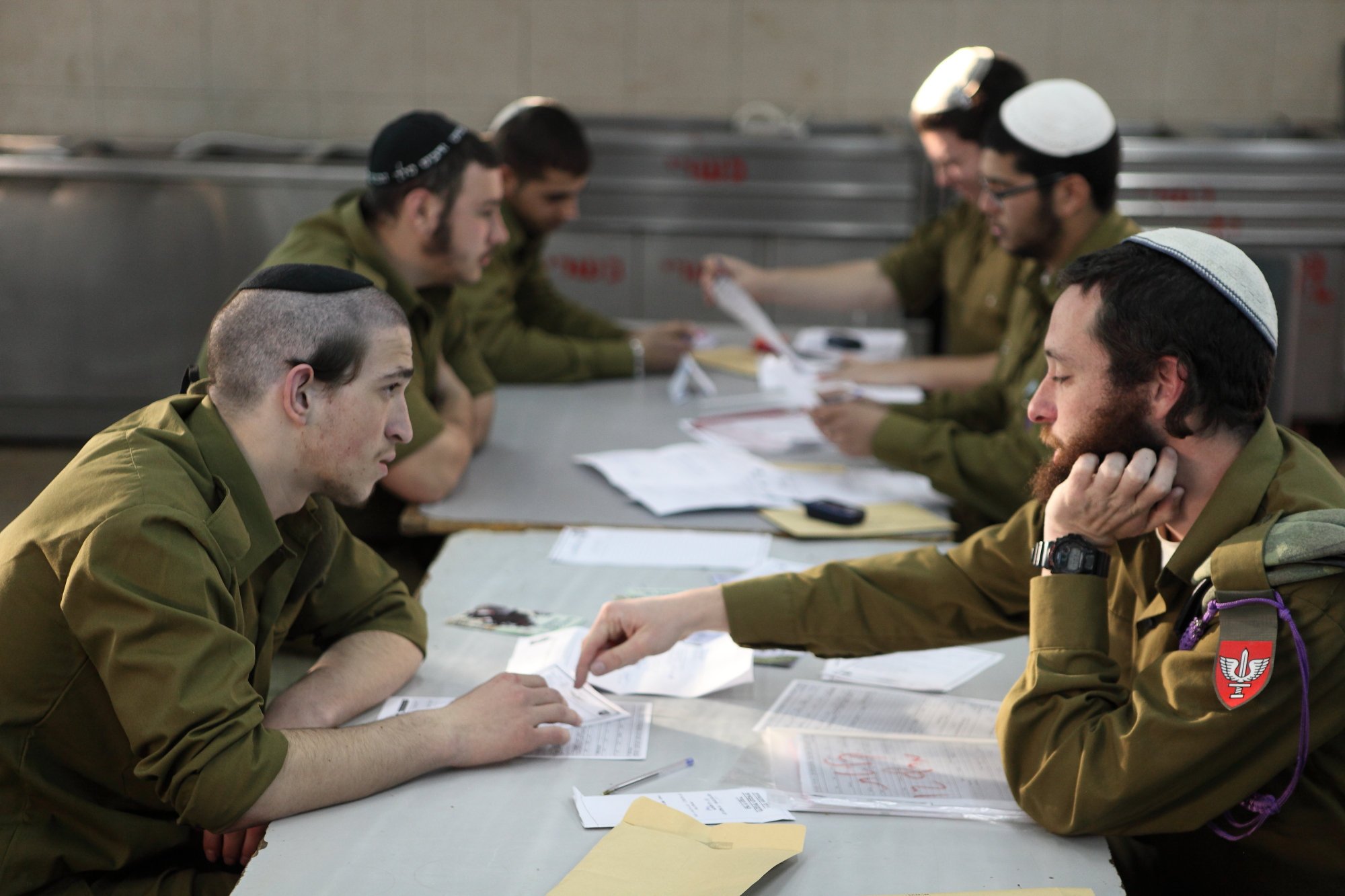
Despite the Israel Defense Forces approving protocols regulating service conditions for Haredi troops nearly nine months ago, a series of recent incidents has raised questions about the military’s ability to successfully integrate ultra-Orthodox soldiers into its ranks.
In February, the IDF approved a General Staff order aimed at enabling more ultra-Orthodox men to enlist without compromising their religious way of life while serving.
The order formalized a range of accommodations for Haredi troops, many of which had long been offered to religious soldiers on an ad hoc basis, including designated time for prayer, extra-stringent kosher food standards and the option to declare allegiance to the IDF rather than swear an oath, which Orthodox Jews consider sacred.
To address the thorny issue of Haredi men serving alongside women, the protocols established three distinct service tracks for ultra-Orthodox troops, offering varying degrees of gender separation, only one of which guaranteed service on a base that is exclusively male and observant.
So when soldiers in units that do not guarantee full separation made headlines late last month for excluding women from a base and from an operation, it underscored how far the military still has to go if it hopes to successfully incorporate members of a community whose religious observances often clash with some of the core principles of a diverse and integrated army.
“Since October 7, the army has established a range of programs that have better oversight [for Haredi integration],” said Rabbi Yehoshua Pfeffer, head of the Iyun Institute for Haredi Responsibility and chairman of the board of the Netzah Yehuda Association, which supports ultra-Orthodox soldiers from the religious infantry unit during their military service.
“At the same time, it takes time,” he added. “It takes time for the army to get used to these regulations, not just the presence of them, but the fact that you have to abide by them.”
A new unit, the Hasmonean Brigade, is the only one whose protocols allow for all personnel to maintain gender separation on base.
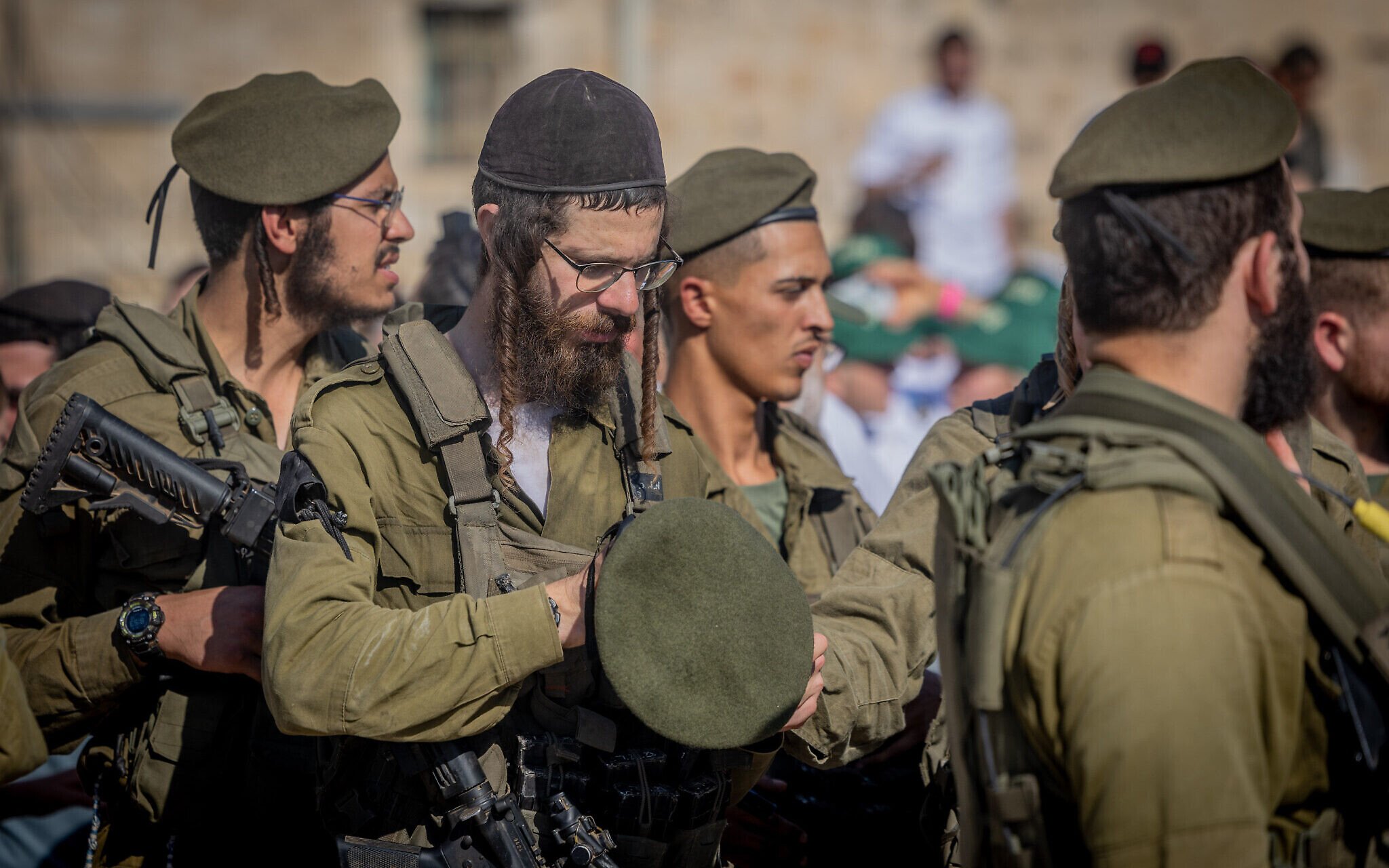
Under the IDF’s protocols for service conditions for Haredi troops, the Netzah Yehuda Battalion is gender-segregated, but its soldiers may come into contact with women while serving at various bases where female troops also serve.
According to Channel 12 news, female soldiers from Unit 8200, the IDF’s signals intelligence unit, were temporarily barred from a military outpost in northern Israel on August 24 because a Netzah Yehudah unit was stationed there.
A day later, soldiers in the Givati Brigade’s Rotem Battalion refused to enter an armored personnel carrier for an operational mission in the Gaza Strip because a female paramedic had been attached to their force, leading the military to cancel the mission.
In a response to the second incident, the army said that “soldiers who maintain a religious lifestyle are entitled to carry out operational activity within a gender-segregated framework, except in exceptional cases.”
Growing pains of integration
Cases of alleged infringements on soldiers’ individual rights are hardly unusual in the IDF, as in any large institution.
Speaking to The Times of Israel, Shlomit Ravitsky Tur-Paz, head of the Israel Democracy Institute’s Religion and State Program, compared complaints by Haredi troops over violations of their service conditions to instances in which the military fails to accommodate soldiers with dietary restrictions.
In the immediate aftermath of Hamas’s October 7, 2023, onslaught, for example, the IDF faced a massive influx of personnel as tens of thousands of reservists were called up, and reports emerged of vegan and vegetarian soldiers being left with little or nothing suitable to eat.
“It’s not right,” Ravitsky Tur-Paz said. But she argued that such failures do not necessarily indicate a fundamental problem with the system itself.
Complaints surrounding Haredi service, however, have drawn particular scrutiny in recent months, in part because they touch on a broader question: how far the military should go to accommodate the strict religious standards of ultra-Orthodox troops.
Last month’s incidents were the latest in a string of high-profile controversies that have brought that tension into sharp focus.
In July, Israel Hayom reported that a female Magen David Adom volunteer medic accompanied President Isaac Herzog on a Tisha B’Av visit to the Hasmonean Brigade’s all-male training base in the Jordan Valley, breaching the unit’s gender-separation rules and prompting the IDF to acknowledge the mistake and pledge to prevent similar incidents.
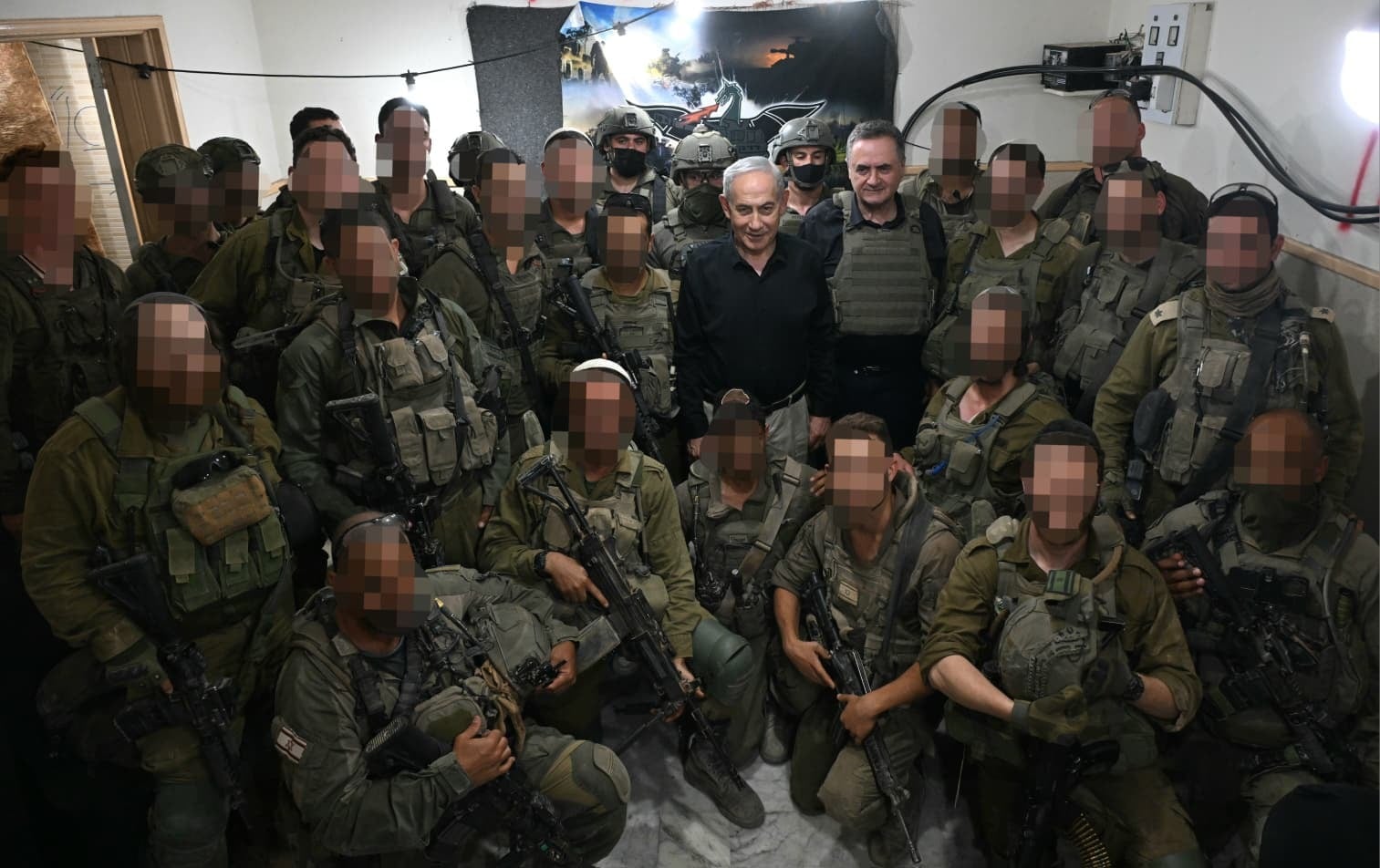
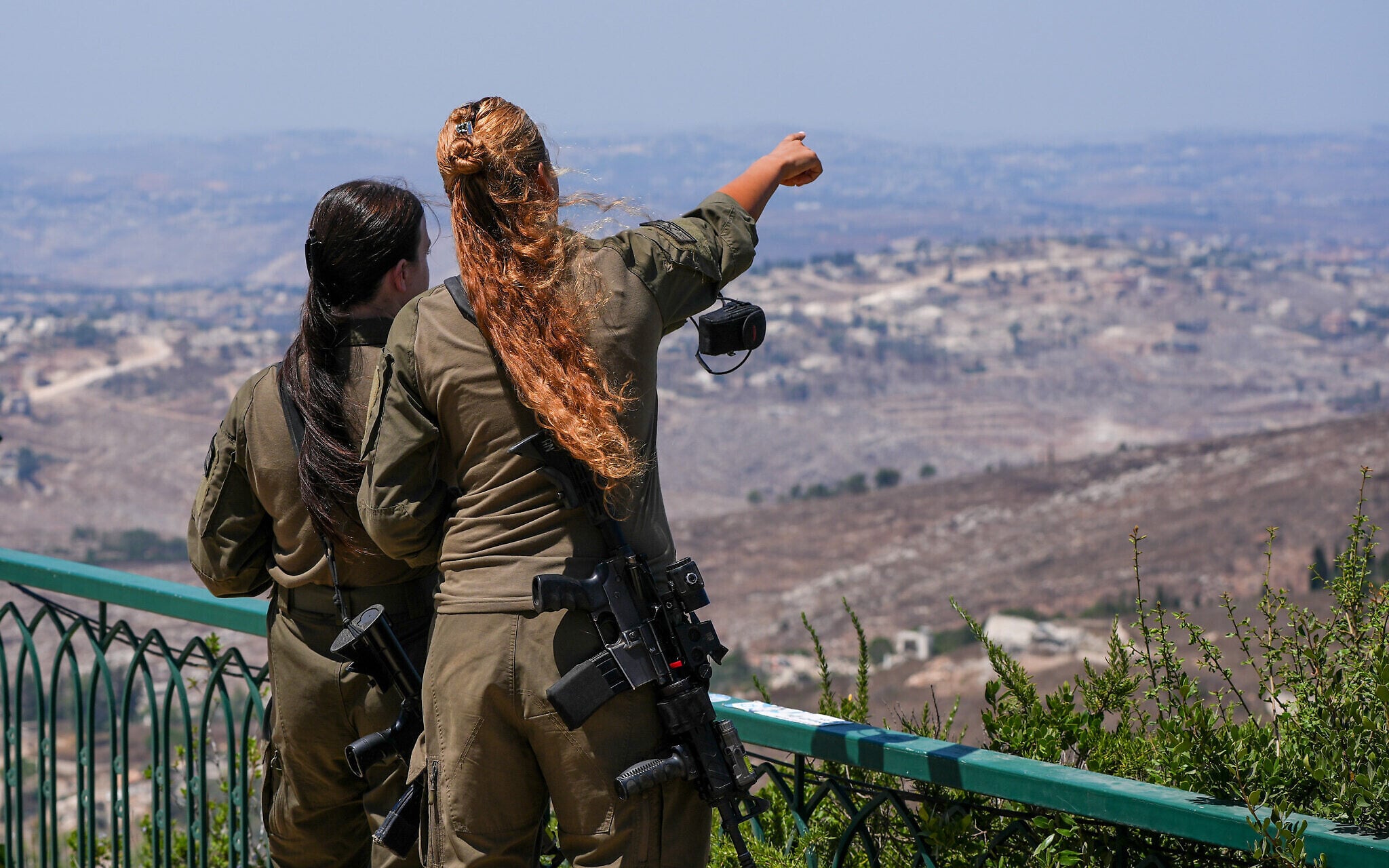
A month earlier, four female artillery troops stationed in southern Lebanon were ordered out of a building they had helped clean and secure ahead of a visit by Prime Minister Benjamin Netanyahu and Defense Minister Israel Katz, reportedly to “respect” Haredi soldiers from the Hasmonean Brigade.
The mother of one soldier told Kan that the women spent four hours in an adjacent house and were barred from going upstairs lest the Haredi troops “accidentally” see them. The Hasmonean soldiers were not stationed there, but were reportedly brought in for the visit as Netanyahu sought to showcase the brigade as a success of Haredi integration amid criticism of his coalition’s efforts to exempt ultra-Orthodox men from conscription.
In May, amid fighting with Hezbollah, the IDF reportedly blocked the deployment of an unspecified “key combat support system” to a southern Lebanon outpost manned by Hasmonean troops because of concerns over the presence of female soldiers. The military denied the report, telling Haaretz that the system was deployed elsewhere for operational reasons.
The controversies have extended beyond gender segregation to the military’s enforcement of religious standards more broadly.
In April, four Border Police officers were sentenced to two weeks in military prison for “harming religion and Judaism” after a religious noncommissioned officer caught them barbecuing on Shabbat, according to Hebrew media. Their sentences were later reduced to one week following an outcry from the officers’ parents and politicians.
Halacha, or Jewish religious law, prohibits cooking and lighting fires on Shabbat. While the IDF does not require individual troops to observe Shabbat according to halacha, the base reportedly had a rule barring barbecues on Shabbat. The officers said they were unaware of the prohibition.
A day later, the military announced that three female soldiers had been court-martialed and docked part of their salaries for wearing clothing deemed too revealing. The women had worn civilian clothing to a base where they had gone to receive formal discharge papers.
Though there was no clear connection to the accommodation of religious troops, the case was seen by some as support for allegations that increasingly stringent religious and modesty standards were being imposed across the military.

Such incidents appear to clash with the protocols outlined in February, which, in addition to formalizing protections for Haredi troops, stipulate that those accommodations should not come at the expense of other soldiers.
“The service of members of other populations in the IDF will not be affected by the service of members of the Haredi community in the IDF,” the military’s statement read.
“We see that there is already a breach of rights of other people,” Ravitsky Tur-Paz said, adding that such incidents will likely become more frequent as more ultra-Orthodox men are drafted.
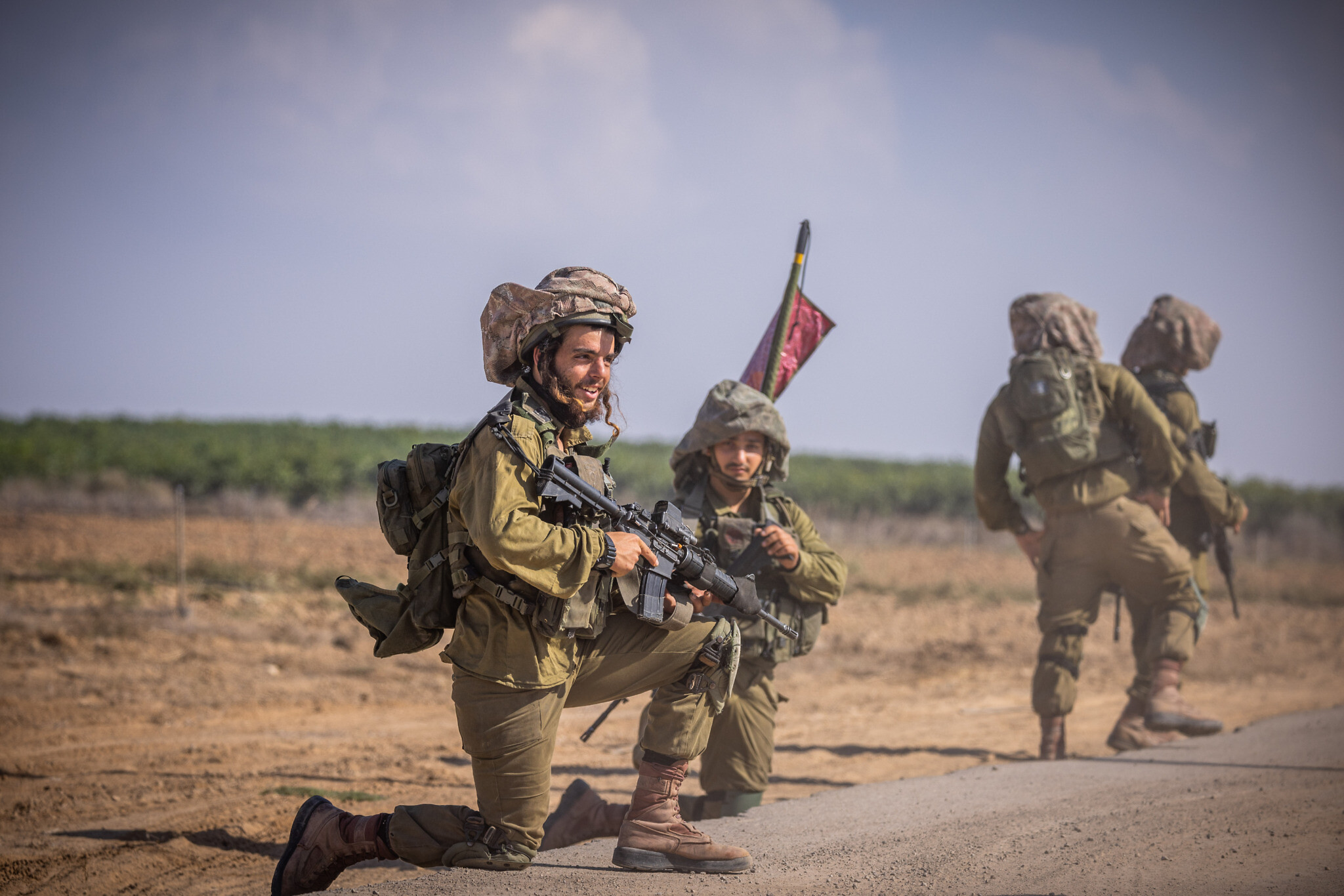
The army in recent years has intensified efforts to recruit Haredi men into its ranks, seeing them as a solution to manpower shortages amid ongoing conflicts and seeking to comply with court orders ending traditional exemptions enjoyed by the community.
In the past year, at least 4,000 ultra-Orthodox soldiers have been drafted, according to data published by the military in July, up from 2,800 during the same period last year though only a small fraction of the approximately 80,000 believed to be eligible for service.
Despite the IDF’s efforts to accommodate Haredi recruits, a defense official, speaking on condition of anonymity, was reluctant to attribute the uptick solely to those measures, instead pointing to government sanctions against draft evaders and heightened enforcement measures as contributing factors.
“It is difficult for us to point to one specific reason for the increase,” the official told The Times of Israel.
The official also pointed to a growing desire to enlist among some Haredi men in the aftermath of the October 7 Hamas attack.
Unwilling but able
Haredi leaders have fiercely opposed compulsory enlistment, arguing that military service threatens the community’s religious way of life.
According to data released by Attorney-General Baharav-Miara’s office last month, around 50,000 of the 60,000 people classified by the IDF as draft evaders over the previous year were members of the ultra-Orthodox community — just over 83% of the total, despite Haredim making up only around 14% of Israel’s population.
Ravitsky Tur-Paz noted that despite the IDF’s continued efforts to better accommodate Haredi troops, most ultra-Orthodox leaders have declined to engage with the military or help shape the conditions under which their constituents would serve.
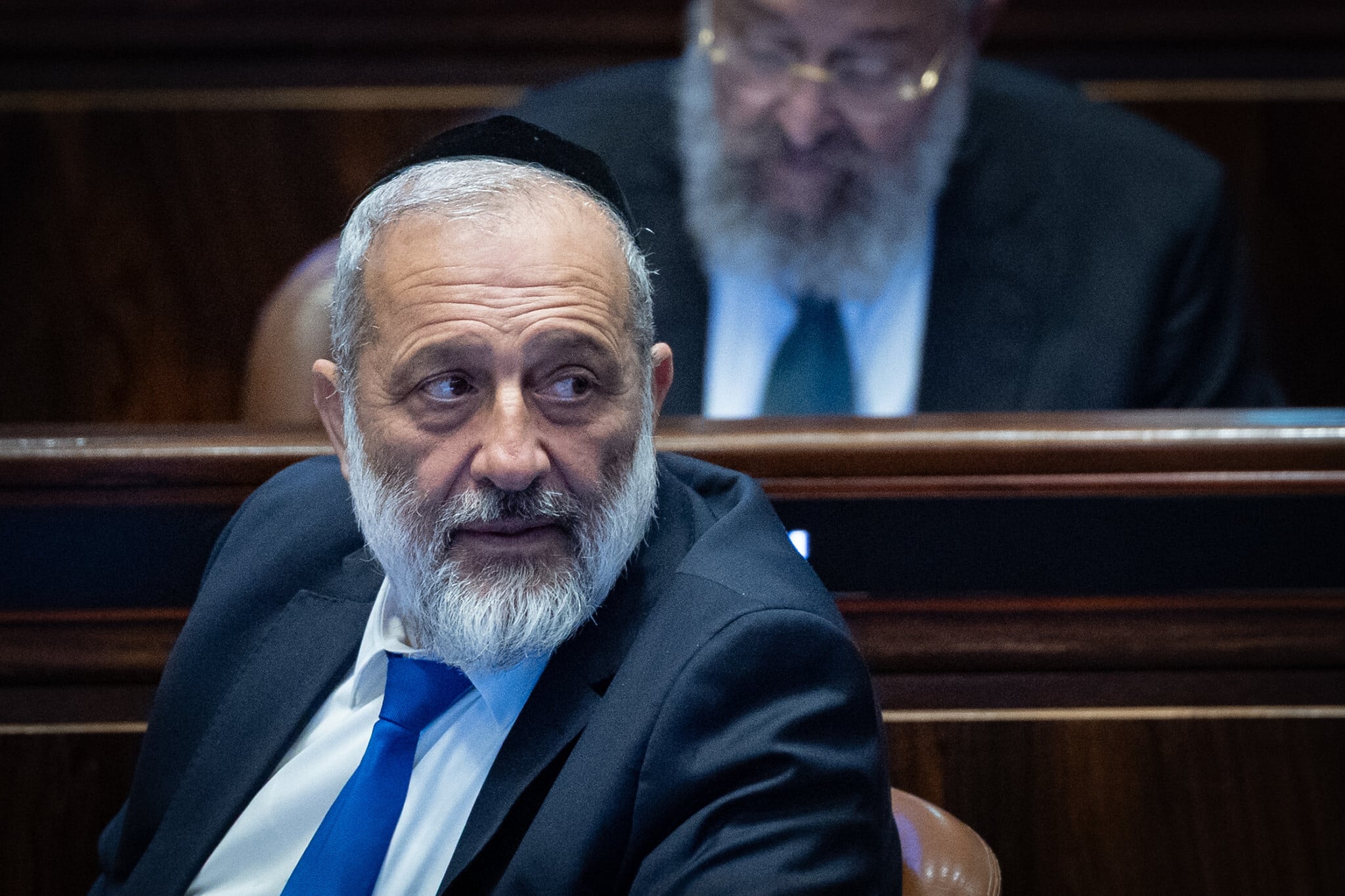
Illustrating that reluctance, Shas party chairman Aryeh Deri recently told the ultra-Orthodox Kol Berama radio station that he hadn’t “looked into” how successful the Hasmonean Brigade has been, claiming it was a matter for rabbis, not politicians, to examine.
“They’re not saying, ‘Here we are, we’re willing to come. These are the criteria that we need to be met in order to be part of the army,'” she said. “They’re saying, ‘We are not part of this effort.'”
Though many are uncomfortable with female exclusion or other moves the army may see as necessary to accommodate Haredi soldiers, most of the Israeli public supports increased Haredi enlistment and a more equal sharing of the military burden, with the issue becoming a major animating force in the upcoming election.
Pfeffer, chair of the rabbinic committee of the upstart Charedi Public party, which supports drafting ultra-Orthodox men who are not enrolled full-time in yeshiva, said greater cooperation from Haredi political leaders would make the integration process more effective and accountable.
“There would be much better oversight… something which is sorely missing,” he said, pointing to his party as an effort to promote that kind of political engagement.
Trusting the process
According to Pfeffer, despite recent reports highlighting problems with the integration of ultra-Orthodox soldiers, the IDF’s designated Haredi service tracks have generally proved successful.
“We can’t really expect [the IDF] to be perfect,” he said.
“The main issue,” he explained, is not necessarily further adapting the existing frameworks, but rather “building trust with the Haredi community.”
“Even though these frameworks are working… building trust takes time.”
That trust can be strained when operational necessity requires the IDF to depart from conditions normally guaranteed to religious soldiers. The army may, for example, carry out missions on Shabbat when operational or security needs require it, despite regulations generally restricting military activity on the Jewish day of rest.
Ravitsky Tur-Paz said such exceptions are an unavoidable part of military service, but argued that the IDF can help preserve trust by applying them judiciously and carefully distinguishing genuine operational necessities from situations in which religious accommodations can be maintained.
“They have to take seriously the values of religious and ultra-Orthodox soldiers,” she said, “and be really careful about what they say is needed.”






The Times of Israel Community.