

IDF okays protocol aimed at enabling Haredi troops to stay religious throughout service
New procedures offer ultra-Orthodox men three options for serving in gender-segregated frameworks, but army insists women’s service won’t be harmed by the changes
 Add ToI as a Preferred Source on Google
Emanuel (Mannie) Fabian is The Times of Israel's military correspondent
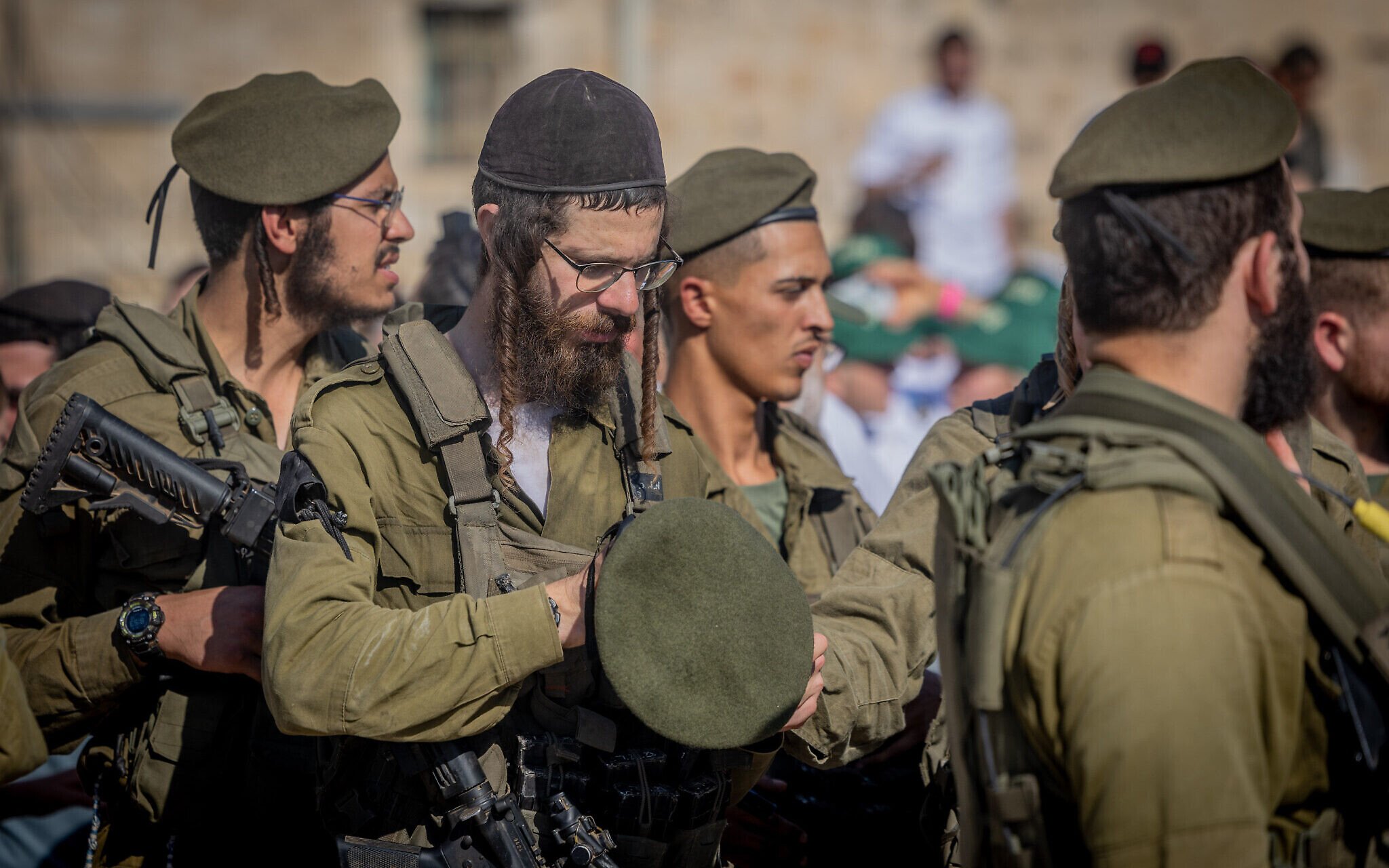
The Israel Defense Forces announced Tuesday that it approved new protocols regulating the service conditions for Haredi troops, as the government works to advance legislation giving ultra-Orthodox men renewed exemptions from military service.
Facing a manpower shortage, the IDF said in a statement that the General Staff order is aimed at enabling more ultra-Orthodox men to join the military while maintaining their level of religiosity throughout their service. IDF Chief of Staff Lt. Gen. Eyal Zamir has said that expanding Haredi enlistment is “an essential operational necessity.”
“The purpose of the order is to establish instructions regarding the manner of service of members of the Haredi community in the IDF, taking into account the nature and essence of military service, while recognizing the unique character of the Haredi population, with the aim of enabling Haredi soldiers to preserve their faith and maintain their way of life as they see fit across the variety of designated service tracks deployed throughout the IDF,” the military said in a statement.
The IDF has worked for years to integrate members of the Haredi community, although without any binding guidelines, relying instead on internal policy within the Personnel Directorate. The new order, at the General Staff level, carries binding authority and mandates oversight of the service conditions for Haredi soldiers.
The order only applies to Haredi men who enlist within three new designated service tracks. Ultra-Orthodox troops who choose to serve in a unit that is not within the new service tracks would not be entitled to the new protocols.
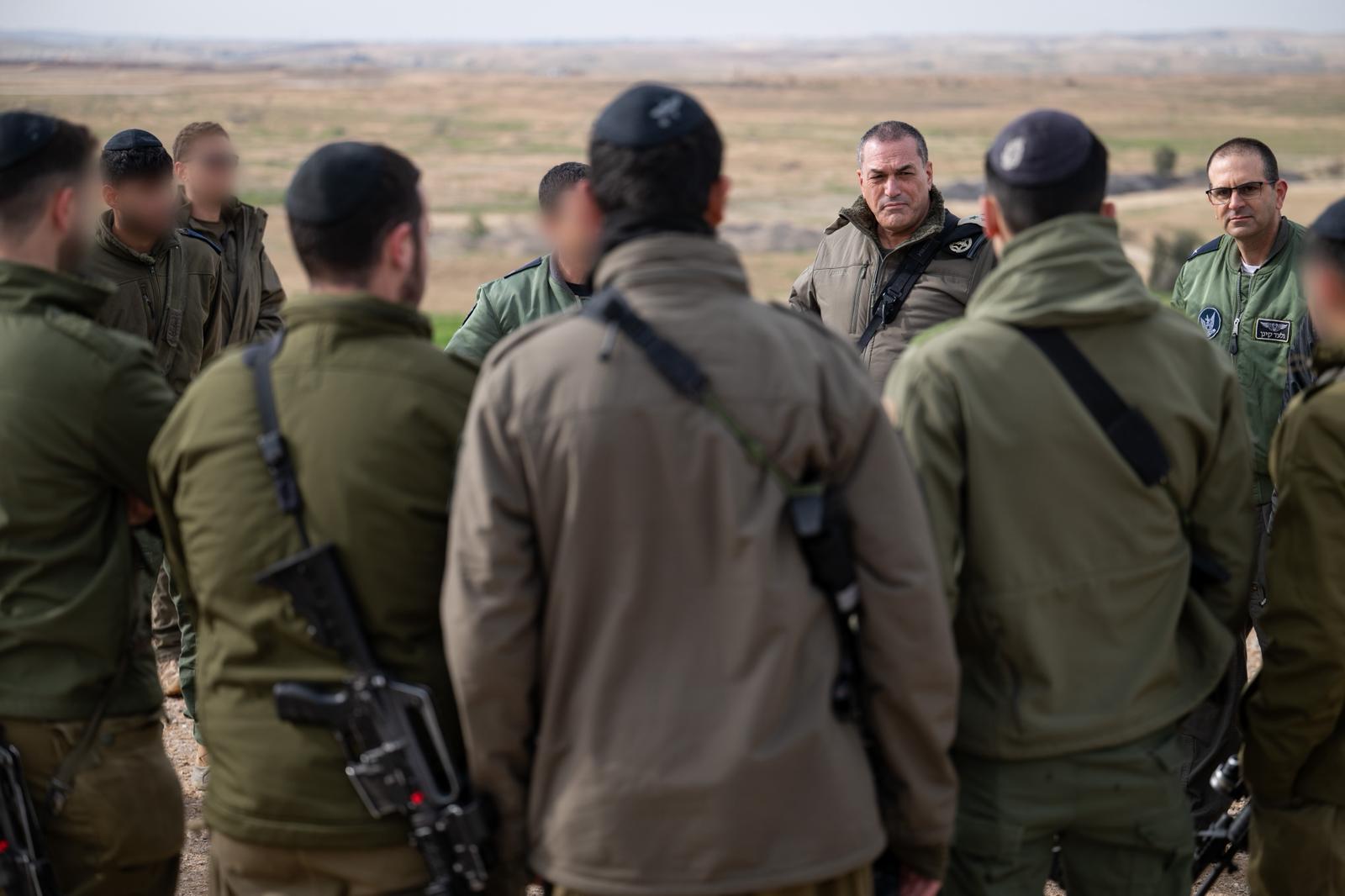
The first service track is named “Magen,” Hebrew for shield, where male Haredi soldiers are assigned to a gender-segregated team within a unit that also has female troops. The units within this track are mostly noncombat, such as intelligence.
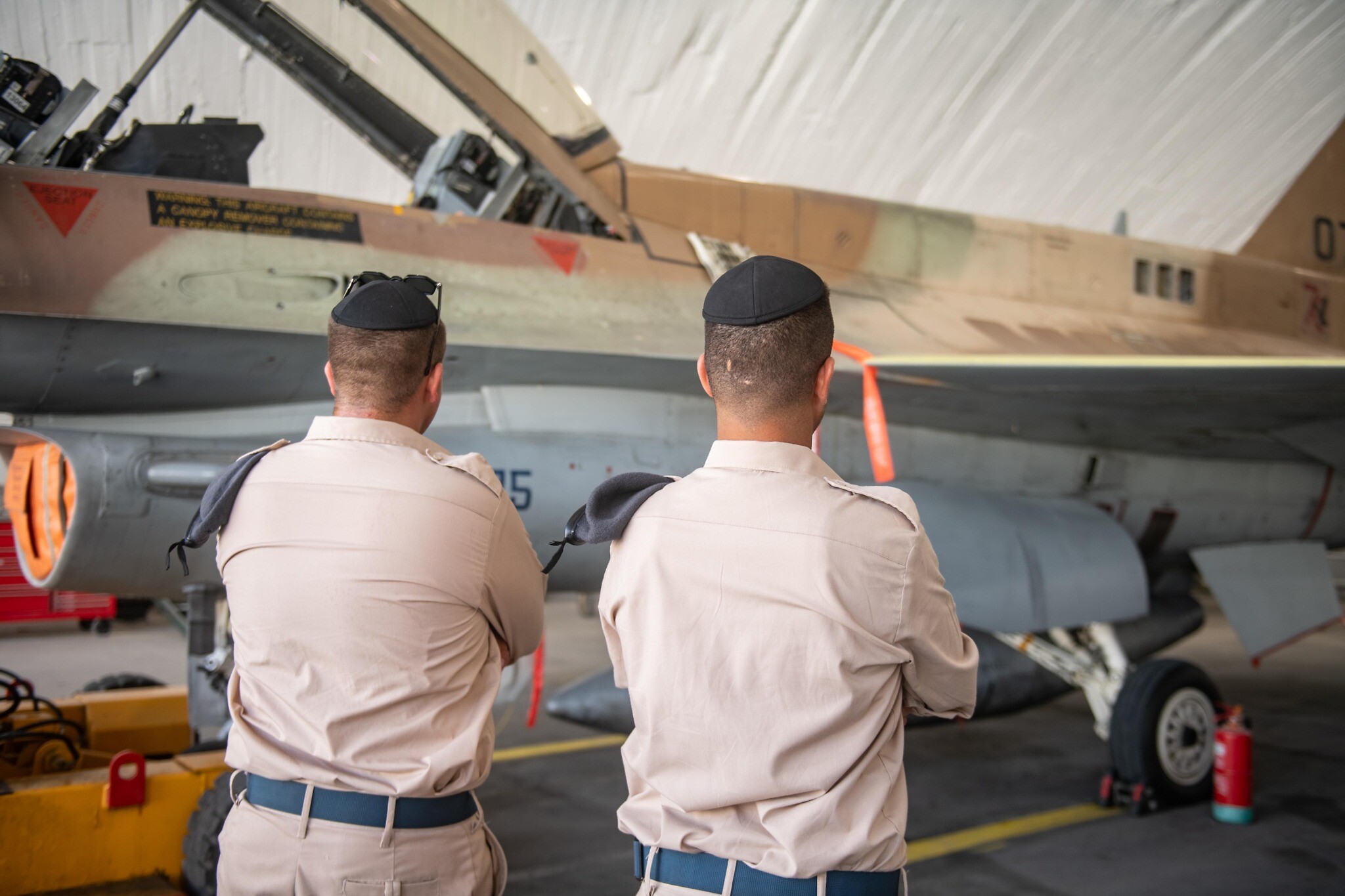
The second is “Herev,” Hebrew for sword, where the entire framework is gender-segregated for the ultra-Orthodox troops, such as the Kfir Brigade’s Netzah Yehuda Battalion or the Israeli Air Force technicians units for Haredim.
The commanders of the units in the Herev track would generally be those who observe a Haredi or religious lifestyle — with some exceptions — and women will be able to serve on the same base in various other roles.
And lastly, “David,” where all personnel in the unit and military base are male and observe a religious lifestyle.
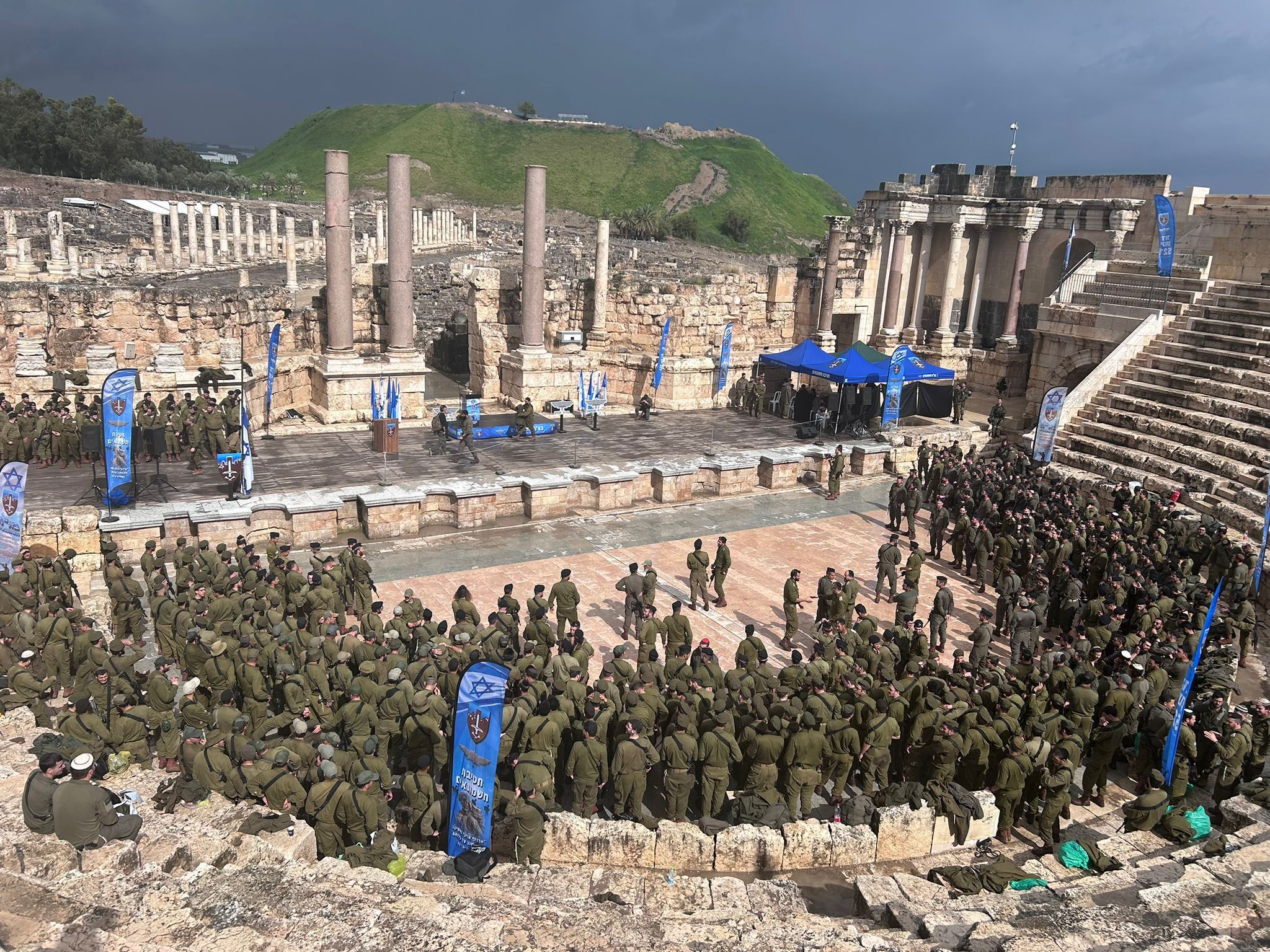
The only unit currently in this track is the newly established Hasmonean Brigade, and additional units would need to be individually approved by the chief of the Personnel Directorate.
The General Staff order also detailed additional rights to which Haredi soldiers are entitled, such as time for prayer, strict kosher food standards, a declaration of allegiance to the IDF as an alternative to an oath — which Orthodox Jews consider sacred — and more.
The IDF vowed that the service of other populations in the military, especially women, would not be harmed due to the integration of Haredi soldiers, “except as explicitly permitted by the order.”
The General Staff order was in the works for over a year, according to the military and was recently approved by Zamir. It was also written in coordination with the Defense Ministry and presented to Defense Minister Israel Katz, the IDF said.
According to Channel 13 news, two prominent Hasidic leaders — Rabbi Yissachar Dov Rokeach, the leader of the Belzer Hasidic sect, and Rabbi Boruch Meir Yaakov Shochet, the rebbe of Karlin-Stoli — took part in the IDF’s deliberations, sent representatives to discussions, and approved the proposed conditions for the troops.
IDF officials acknowledged that non-military rabbinical figures were consulted with ahead of the publication of the General Staff order, but stressed that they were not given any authority over the protocols.
Haredi brigade gets new commander
Also on Tuesday, the Hasmonean Brigade for ultra-Orthodox troops got a new commander, Col. Shemer Raviv. A handover ceremony was held in Beit She’an.
Raviv, a former commander of the Paran Regional Brigade on the Egyptian border, replaced Col. Avinoam Emunah, the inaugural commander of the Hasmonean Brigade beginning with the unit’s inception in late 2024.
“The IDF intends for this process to succeed, and the integration of the Haredi public is genuine, and we are committed to seeing it through. Not a melting pot, but integration while preserving the uniqueness of the Haredi community and its contribution to the people of Israel,” Raviv said at the ceremony.
Emunah was to be promoted to brigadier general and enter a new role as an adviser to the IDF chief of staff on ultra-Orthodox affairs.
Some 80,000 ultra-Orthodox men aged between 18 and 24 are currently believed to be eligible for military service, but have not enlisted. The IDF has said it urgently needs 12,000 recruits — mostly combat troops — due to the strain on standing and reserve forces caused by the war against Hamas in Gaza and other military challenges.
For the past two years, the Haredi leadership has pushed for a law keeping its constituency out of the IDF, after the High Court ruled that decades-long blanket exemptions from army duty traditionally afforded to full-time Haredi yeshiva students were illegal.
Since then, coalition lawmakers, dependent on Haredi support to keep them in government, have struggled to find a formulation that could win ultra-Orthodox backing while also meeting demands for the community to share in the burden of mandatory military service.
The latest version of the bill, drafted by Knesset Foreign Affairs and Defense Committee chairman MK Boaz Bismuth, would codify blanket exemptions from military service for full-time yeshiva students, while setting modest conscription targets for the community as a whole.
It has come under fire from IDF brass, the attorney general, and a wide array of other critics, who have objected to it on the grounds that it is full of loopholes and will not increase Haredi enlistment.

The Times of Israel Community.