

IDF tells lawmakers Haredi draft exemption bill ‘far from’ solving troop shortage
Brig. Gen. Shay Tayeb warns Knesset defense panel that cuts to the length of mandatory military service mean the current dearth of forces is only expected to get worse
 Add ToI as a Preferred Source on Google
Sam Sokol is a former political correspondent at The Times of Israel. He was previously a reporter for the Jerusalem Post, Jewish Telegraphic Agency and Haaretz. He is the author of "Putin’s Hybrid War and the Jews"
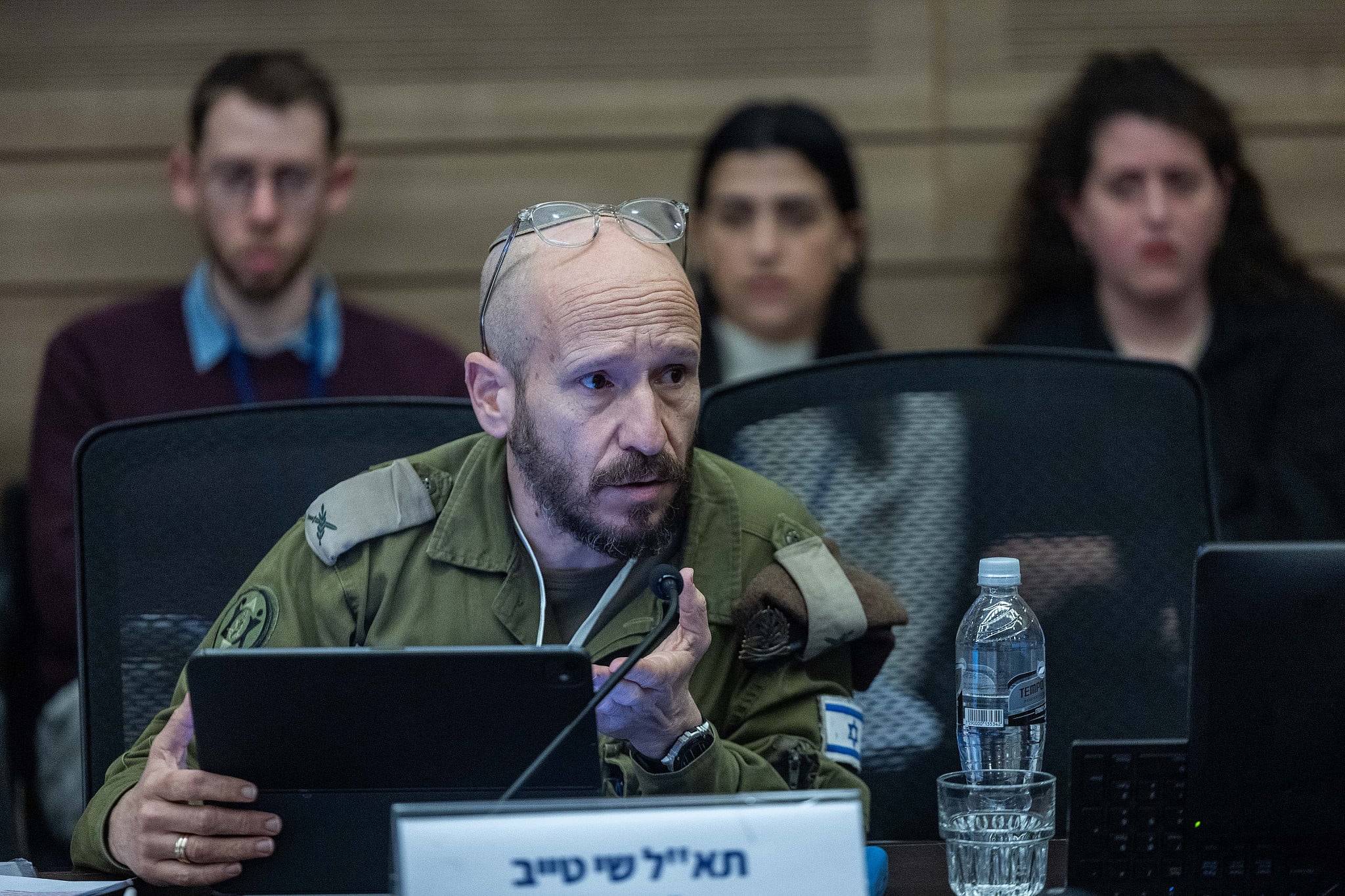
The coalition’s proposed law to regulate ultra-Orthodox conscription falls short of solving the Israel Defense Forces’ manpower shortage, a senior military officer told lawmakers on Sunday evening.
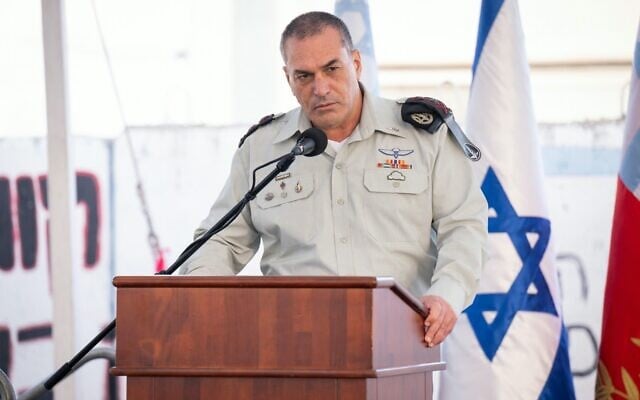
“Will the framework of targets that has been presented tomorrow morning or over the next two years meet the needs of the IDF? The answer is not yet, far from it,” Brig. Gen. Shay Tayeb, head of the IDF Personnel Directorate’s Planning and Personnel Management Division, told the Knesset Foreign Affairs and Defense Committee toward the end of a marathon discussion of the controversial legislation.
Some 80,000 ultra-Orthodox men aged between 18 and 24 are currently believed to be eligible for military service, but have not enlisted, causing widespread resentment among non-Haredi Israeli Jews. The Israel Defense Forces has said it urgently needs 12,000 recruits, due to the strain on standing and reserve forces caused by the war against Hamas in Gaza and other military challenges.
For the past year, the Haredi leadership has pushed for a law keeping its constituency out of the IDF, after the High Court ruled that decades-long blanket exemptions from army duty traditionally afforded to full-time Haredi yeshiva students were illegal.
If the government’s bill is passed into law, it would effectively reset the status of yeshiva students who ignored call-up orders over the past year, while yeshivas would immediately receive half of the funding they got before the ruling, easing economic and legal sanctions placed on the community with the goal of ending systematic draft evasion.
The bill stipulates that 8,160 conscripts be drafted by June 2027, which it says constitutes the first year of recruitment. The required number drops to 6,840 the next year, before rising to 7,920 and 8,500 the next two years.

By year five, in 2031, the number will be set as at least 50 percent of the annual eligible cohort of recruits. After that, the defense minister will be empowered, with the Foreign Affairs and Defense Committee’s approval, to set an annual minimum threshold no lower than that of the fifth year.
However, according to Tayeb, even if 10,000 Haredim enlist over the first two years — with around 2,200 of them recruits who would have enlisted anyway — there will be enough additional troops “to stabilize all the existing Haredi units” and add two new battalions within the recently established ultra-Orthodox Hasmonean Brigade, but not enough to solve the larger manpower problem.
He also warned that due to cuts to the length of mandatory military service, the current troop shortage is only expected to get worse.
“These gaps are expected in January 2027 to rise dramatically…all at once, about 2,500 additional combat soldiers will be released, which will increase the gap, and about 3,000 combat-support soldiers,” he said, noting that this will continue on an annual basis as soldiers are discharged at a faster rate than they are conscripted.
In addition, the IDF has been facing a major crisis in keeping career servicemembers in the military, according to statistics aired earlier this month. According to Channel 12 news, the IDF is short of about 1,300 officers at the ranks of lieutenant and captain, and another 300 majors.
The bill’s passage is critical for Prime Minister Benjamin Netanyahu, with the Knesset’s ultra-Orthodox parties reportedly threatening to dissolve the Knesset, forcing early elections, unless it is passed soon. The bill has generated intense opposition among some members of the coalition, leading Finance Minister Bezalel Smotrich to warn that his far-right Religious Zionism party would vote only for a revised version of the controversial legislation.
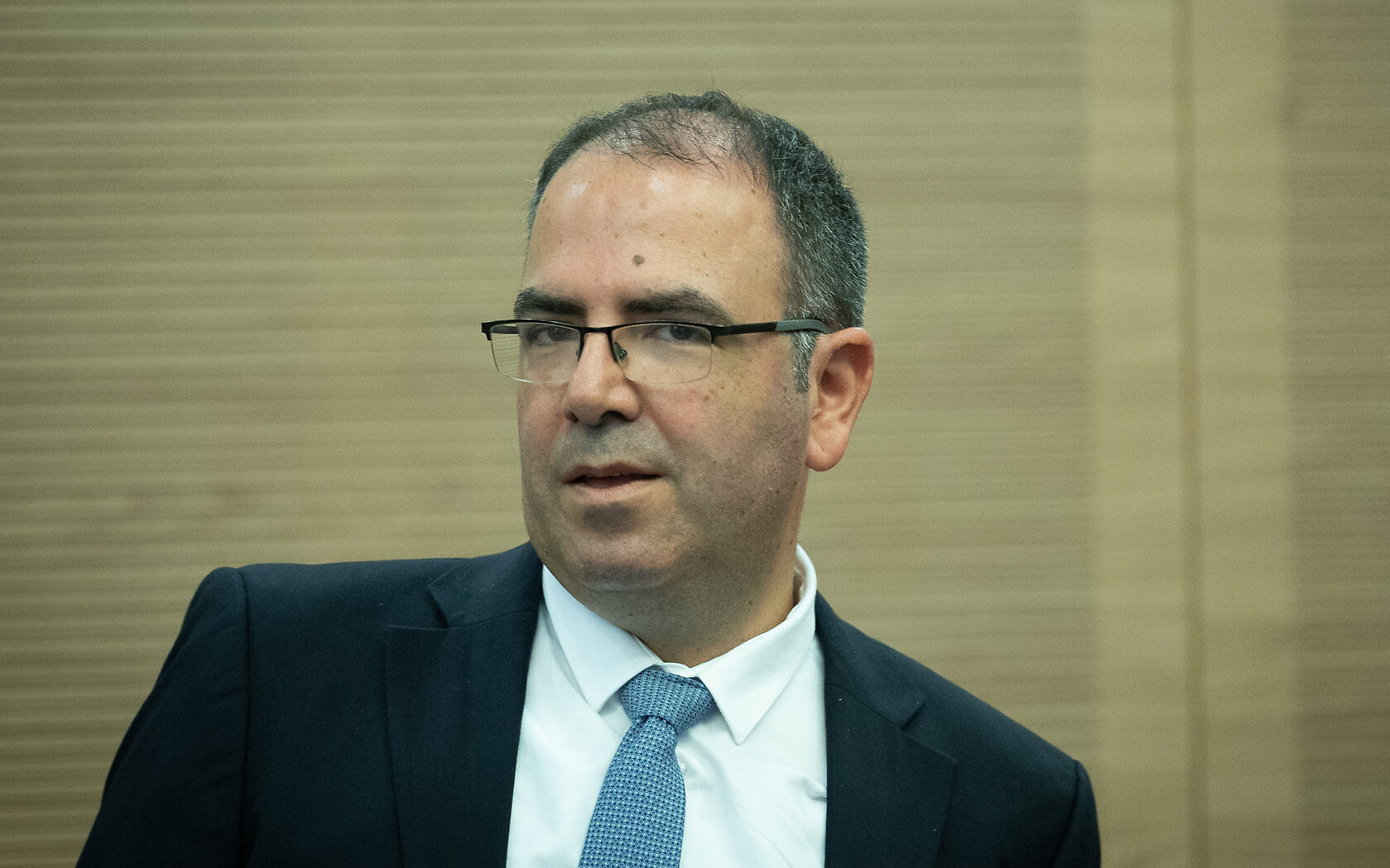
Responding to Tayeb’s statement, Likud MK Dan Illouz, an opponent of the bill, told The Times of Israel that “a true right wing means putting the security of the state before everything else.”
“If the framework is far from the needs of the IDF, our Likud, Zionist, and national duty is to insist on a law that brings fighters into the field,” Illouz said.
Tayeb’s comments came on the heels of similar criticism from the Attorney General’s Office, with Deputy Attorney General Gil Limon telling the committee earlier in the day that the bill is unlikely to lead to an increase in mobilization that meets the military’s manpower needs and will instead discourage enlistment.
“The arrangement proposed in the current bill not only does not advance the enlistment of members of the ultra-Orthodox community, it actually creates a negative incentive for enlistment,” he said, arguing that the bill “rolls back the tools currently available to the government and the IDF in order to address current security needs.”
Committee legal advisor Miri Frenkel Shor on Sunday also pointed out difficulties with the bill, which she has previously criticized as falling short on parameters of equality and security.
The current version of the bill, written by committee chairman Boaz Bismuth, has come under harsh criticism from Attorney General Gali Baharav-Miara, the Finance Ministry, and the Bank of Israel.



The Times of Israel Community.