

IDF says it killed armed Hezbollah operative after manhunt in southern Lebanon
Lebanon’s president rejects criticism by Amnesty and other NGOs of deal with Israel, says Beirut seeking to ‘turn the page on wars,’ urges US to ‘keep standing’ by his country
 Add ToI as a Preferred Source on Google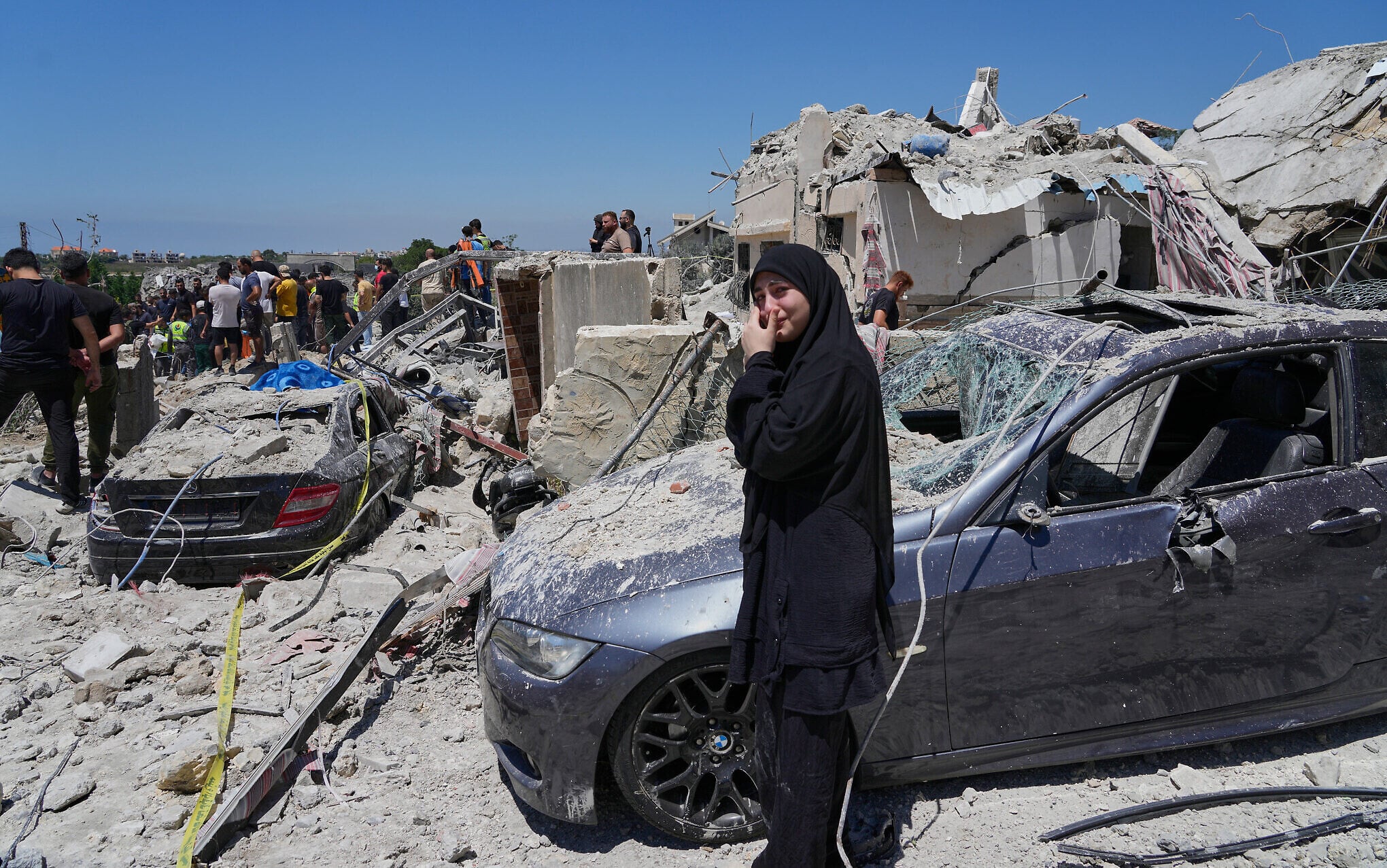
An armed Hezbollah operative identified near Israeli forces in southern Lebanon was killed following a manhunt on Saturday, the Israel Defense Forces announced.
The IDF said reservists of the 551st Brigade spotted the gunman in the Majdal Zoun area, inside Israel’s buffer zone.
The troops opened fire on the operative and, following a chase, killed the operative “to remove the threat,” the military said.
Hezbollah dragged Lebanon into the war with Iran in March by attacking Israel in support of Tehran, resulting in the destruction of large parts of southern Lebanon and the disruption of the lives of those living in northern Israel. US-sponsored efforts to halt fighting between the two sides have reduced hostilities, but have yet to achieve peace or bring the war to a definite end.
Israel is currently maintaining a “security zone” in southern Lebanon, from which residents have been ordered to evacuate, and where troops are dismantling the terror group’s infrastructure, which was used for attacks on Israel.
Prime Minister Benjamin Netanyahu, on a visit to the security zone — which runs up to 10 kilometers (six miles) deep — in south Lebanon on Tuesday, reaffirmed that forces would remain there so long as Hezbollah remained a threat.
לאחר מרדף: צה"ל חיסל מחבל חמוש שזוהה במרחב הביטחוני סמוך לכוחות הפועלים בדרום לבנון
כוחות חטיבה 551 בפיקוד אוגדה 91, זיהו מוקדם יותר היום מחבל חמוש בנשק במרחב הביטחוני במרחב מג'דל זון שבדרום לבנון.
מיד לאחר הזיהוי, הכוחות פתחו באש לעבר המחבל ובמרדף אחריו, ולאחר סריקות נרחבות… pic.twitter.com/sPJNFUs5wy
— צבא ההגנה לישראל (@idfonline) July 4, 2026
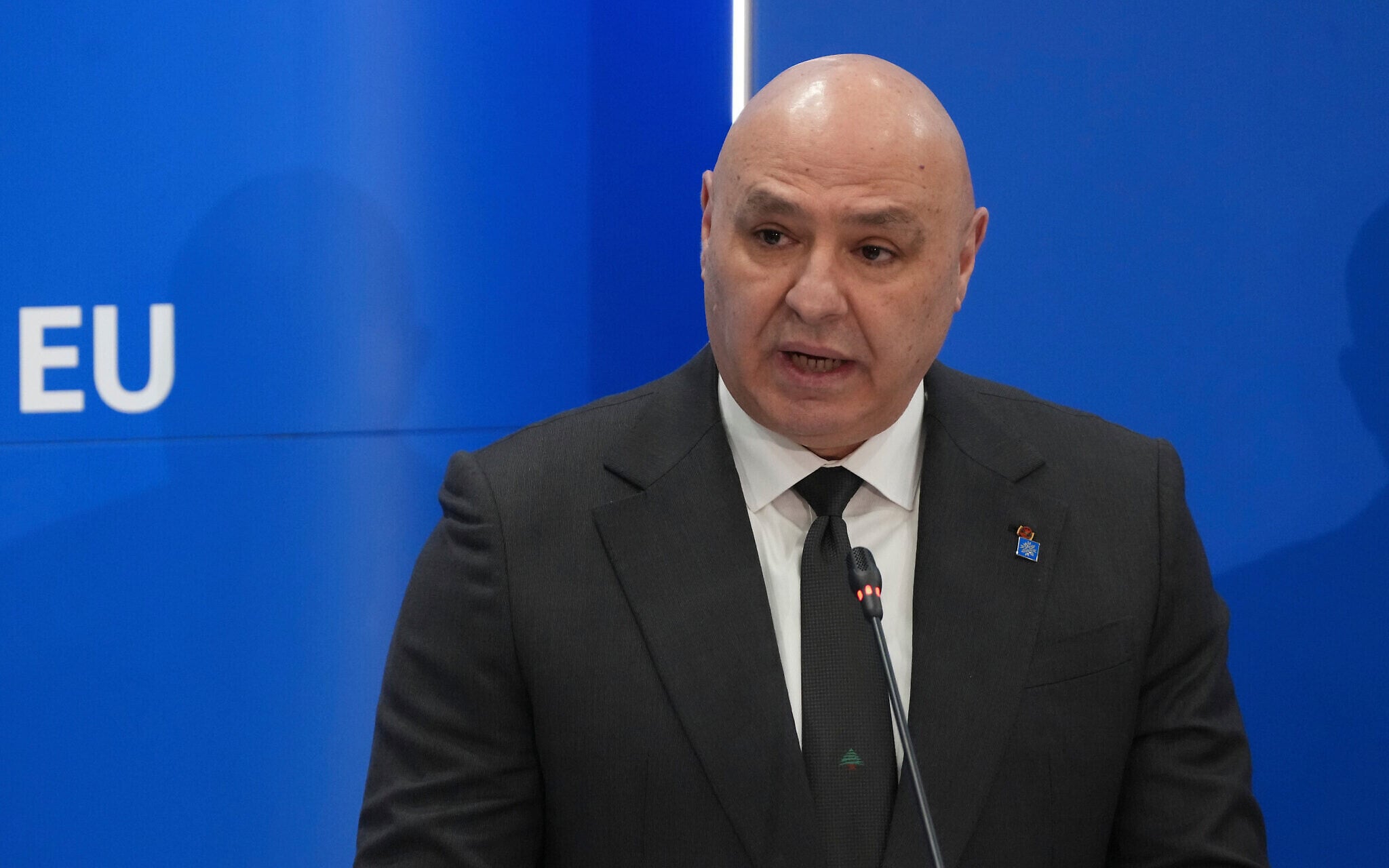
Lebanese President Joseph Aoun insisted on Friday that the framework agreement reached in Washington with Israel last week “does not legitimize the continuation of the Israeli occupation in Lebanon,” and countered criticism of the deal voiced by Amnesty International and five other NGOs.
The deal reached in Washington calls for the disarmament of the Iran-backed terror group, a gradual Israeli withdrawal from southern Lebanon, and the deployment of the Lebanese army there, starting with two “pilot” areas. Hezbollah has rejected the deal, which does not set a timetable for an Israeli withdrawal.
Aoun said the absence of a timetable was due to the deal being a “framework formula” rather than a final agreement.
“Our shared objective is one: to secure Israel’s withdrawal,” he said, according to a statement from the presidency.
Aoun responded, in particular, to criticism of Article 13 of the framework, saying the text affirms the suspension of legal proceedings between the two states during the negotiation period, but “does not preclude” any private entity from taking legal action.
The framework agreement “threatens to betray war crimes victims in Lebanon,” Amnesty International claimed earlier.
The international human rights group, together with five other NGOs, took issue with the agreement‘s clause committing Israel and Lebanon to cease “all hostile or adverse actions in international political or legal fora.”
Amnesty noted that this could preclude actions in the International Court of Justice or the International Criminal Court. The NGO also noted: “The agreement does not appear to commit Israel to halt any initiatives in international forums against Hezbollah.”
The rights groups also took issue with a clause conditioning the return of southern Lebanon residents to their locales on Hezbollah’s prior disarmament. “Under international humanitarian law, people must be allowed to return once hostilities have ended or the reasons for their displacement cease to exist,” they argued.
On Saturday, Aoun also urged the United States to stand by his country after the deal.
In a congratulatory message to US President Donald Trump marking the United States’ 250th anniversary of independence, Aoun urged Washington to “keep always standing beside Lebanon’s right and just causes, its institutions, army and people.”
Aoun expressed hope that Lebanon could “turn the page on wars… and open a new page of hope, peace and stability.”
In a message also marking the independence anniversary, the US embassy in Lebanon said on X that “it is with great pride that we stand with the people of Lebanon as they forge a brighter future — one of peace, prosperity, and promise long overdue.”



The Times of Israel Community.