

IDF faces manpower crisis as fewer soldiers keen on military career, new data shows
Internal surveys show sharp drop in officers, NCOs who plan to remain in IDF, as army grapples with major personnel shortages; reservists to serve significantly less in 2026
 Add ToI as a Preferred Source on Google
Emanuel (Mannie) Fabian is The Times of Israel's military correspondent
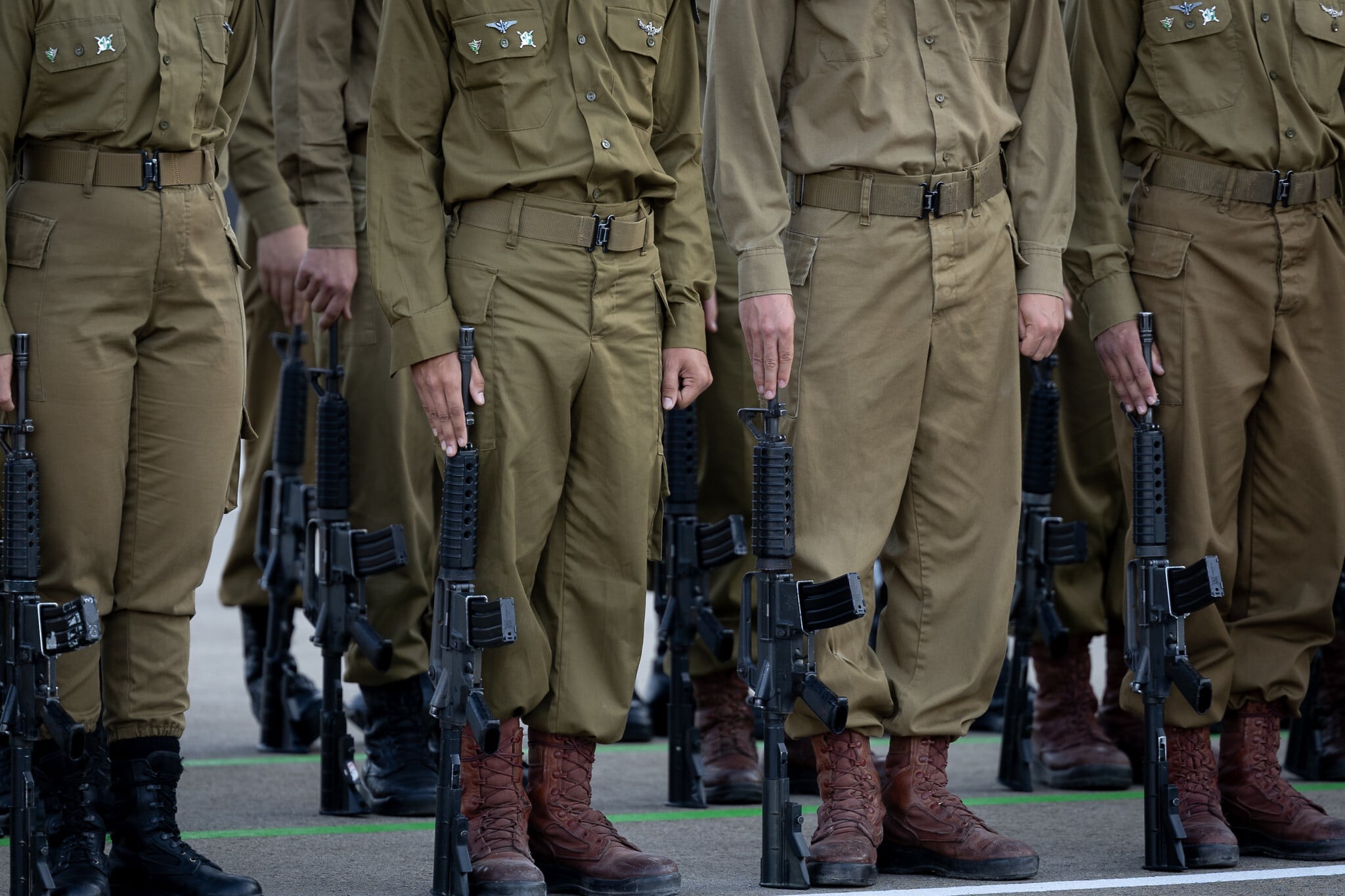
The Israel Defense Forces has been facing a major crisis in keeping career servicemembers in the military, according to statistics aired Sunday, as army officials continued to ring alarm bells about shortages among troops.
According to Channel 12 news, the IDF is short of about 1,300 officers at the ranks of lieutenant and captain, and another 300 majors.
The report cited internal surveys conducted by the army showing that among officers, only 63 percent are interested in staying in the military, compared with 83% in 2018. Among non-commissioned officers, the number this year stood at 37%, compared with 58% in 2018.
The IDF has struggled for years to keep career soldiers in the military, as civilian work has been seen as far more lucrative and less stressful.
The issue has been exacerbated recently due to burnout from the war, perceived worsening service conditions, political delegitimization, and discontent over recent appointments within IDF leadership.
This month, senior officers in the IDF’s Personnel Directorate told lawmakers that some 600 career soldiers were seeking early retirement, and junior officers are being promoted early to bridge the gaps.
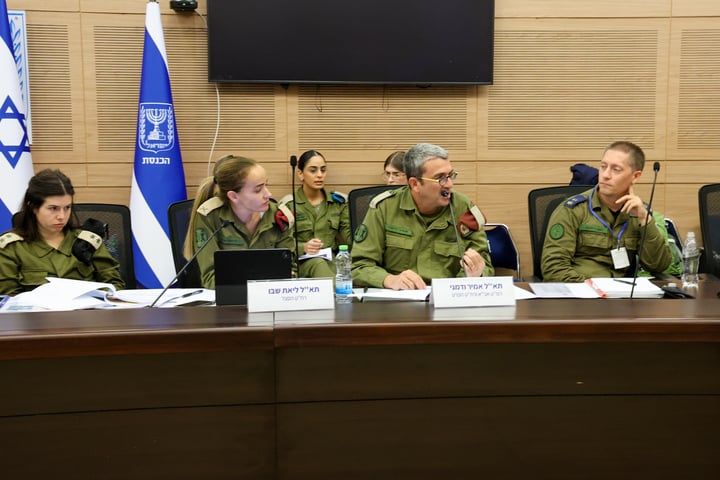
“There are gaps. To close some of the gaps, we are promoting young people with less experience to fill the ranks,” Brig. Gen. Amir Vadmani, chief of staff at the Personnel Directorate, told the Knesset’s Foreign Affairs and Defense Committee’s IDF Human Resources Subcommittee.
“We have a decline in the selection ratio. By 2028, we need to appoint 400 lieutenant colonels out of the 500 candidates currently available, and this will further erode by 2028. We conduct surveys and can see the trends; at all levels, we see an increase in burnout,” Vadmani said.
IDF Chief of Staff Lt. Gen. Eyal Zamir, the head of the Personnel Directorate, Maj. Gen. Dado Bar Kalifa and other top officers have been working on plans to address the growing crisis and prevent legislation that could further harm conditions for career soldiers.
The internal survey aired days after the unveiling of a new revision of a government-backed bill regulating ultra-Orthodox draft exemptions, spearheaded by Likud MK Boaz Bismuth.
Bismuth released the text of the long-awaited bill on Thursday, prompting criticism from within coalition ranks, opposition figures, and legal advisers over its removal of various provisions from a previous draft intended to ensure that those registered for yeshiva study are actually studying, as well as the cancellation of all sanctions on draft evaders when they turn 26.
Some 80,000 ultra-Orthodox men aged between 18 and 24 are currently eligible for military service, but have not enlisted. The IDF has said it urgently needs 12,000 recruits due to the strain on standing and reserve forces caused by the war against Hamas in Gaza and other military challenges.
IDF says reservists to serve significantly less, train more in 2026
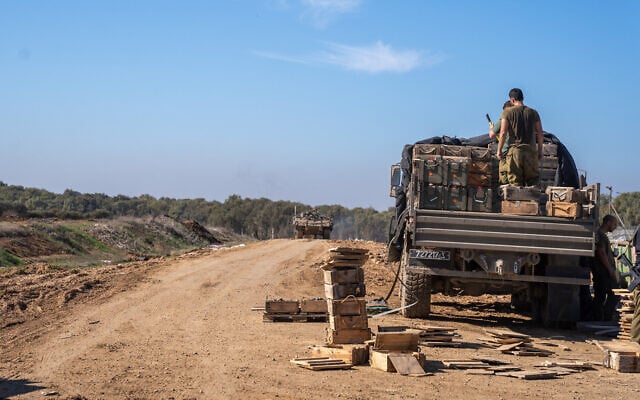
With the war winding down, the IDF expected that during 2026, reservists would be called up for up to 60 days of reserve duty in total, according to an updated military chart.
During the first year of the war, combat soldiers served on average 136 days in reserves, and commanders served 168 days. Before the war, reservists would carry out up to 25 days of operational activity every three years, in addition to annual training.
On Wednesday, the IDF’s “combat chart” was distributed to all units after it was approved by Chief of Staff Lt. Gen. Eyal Zamir.
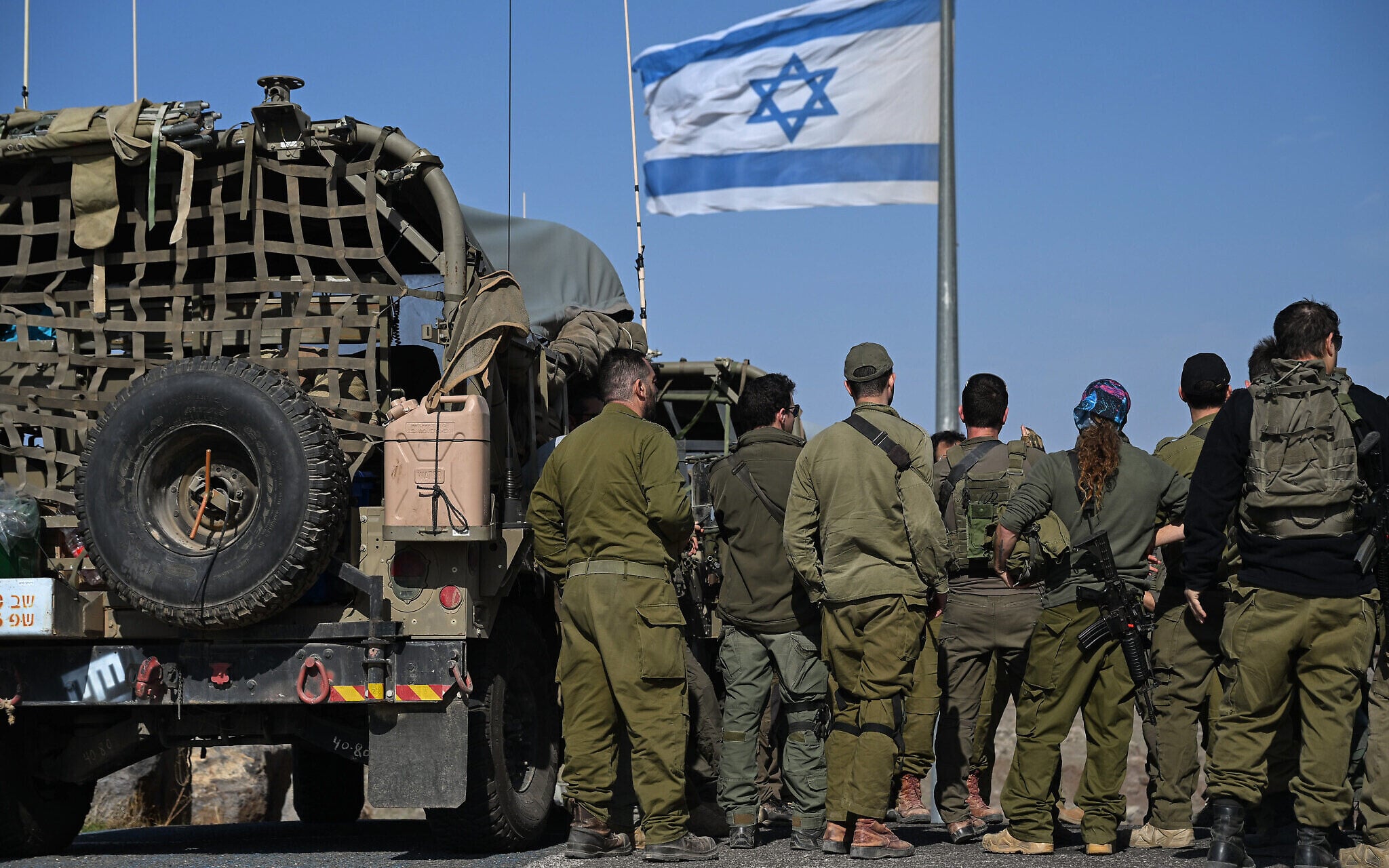
The chart detailed all tasks, exercises, means, and resources for all units in 2026. The IDF said the chart was formulated based on the lessons learned from the war and “a new concept of defense, alertness and readiness,” and that it would enable “meeting the many challenges.”
According to the chart, reservists would be called up for around six weeks of operational activity, with additional days in reserve duty for training and organization. In total, they would be on duty for around 60 days throughout the year.
“The deployment plan for reservists in 2026 reflects an increase in training days to strengthen readiness, alongside a reduction in mission days for reservists in order to ease their burden,” the military said.
The IDF said that in the coming year, an effort will be made to conduct basic training as planned, and in addition, all units will undergo “dedicated training to improve readiness, which will last several weeks.”
Sam Sokol contributed to this report.


The Times of Israel Community.